
Nutrition
Dog Not Eating: Causes and What to Do
A dog that stops eating is concerning — though the cause varies widely from minor to serious. Here is how to assess the situation.
Julia WrenfieldJuly 7, 2026

A dog that stops eating is concerning — though the cause varies widely from minor to serious. Here is how to assess the situation.

A swollen face in a cat is alarming — and warrants prompt veterinary attention. Here are the most common causes and what each means.

Cats can sleep 12–16 hours per day — and up to 20 hours for kittens and seniors. Understanding feline sleep patterns prevents unnecessary worry.
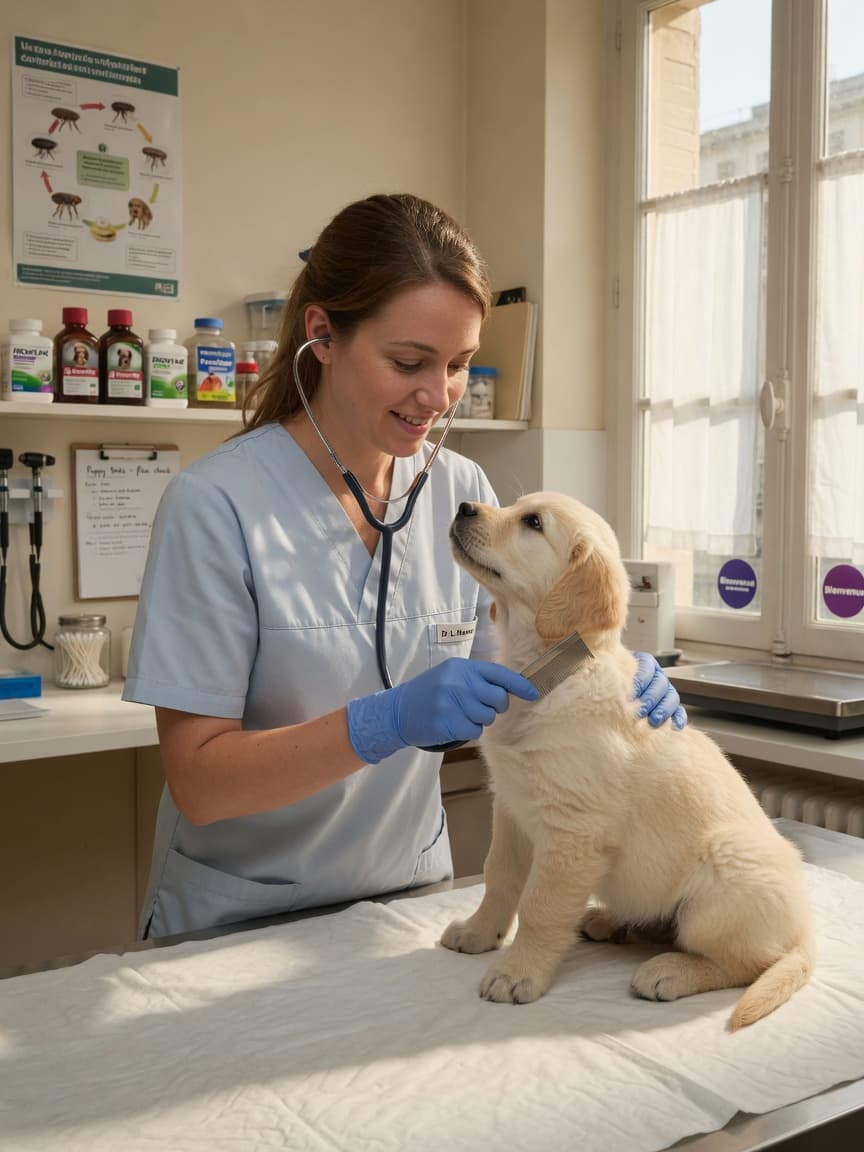
Fleas can infest puppies very young — and some flea products are not safe for young animals. Knowing when and how to start protection is essential.

If your cat chooses to sleep on you rather than in their own bed, you should feel honoured — there are specific reasons cats do this.
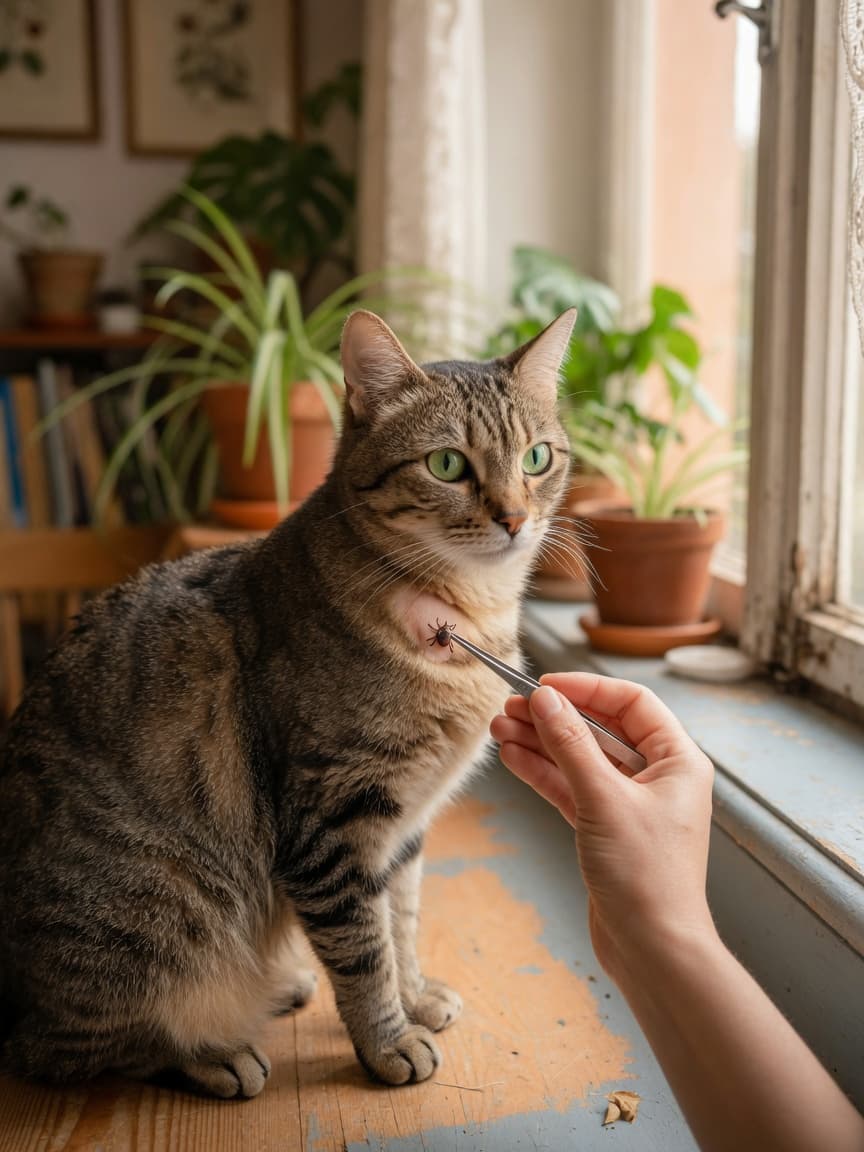
Ticks are not just unpleasant — they transmit serious diseases including Lyme disease and babesiosis. Removing them correctly and quickly reduces transmission risk.

A dog hit by a car is one of the most terrifying situations a pet owner can face. Staying calm and acting correctly in the first minutes is critical.

Rabbits are the third most popular pet in Europe. They are complex animals with specific needs that are often misunderstood.

Gastrointestinal stasis is the most common and deadly emergency in rabbits. Every rabbit owner must recognise the signs and know when to act.

Pet insurance is the most common financial protection for unexpected vet bills — but is it actually worth the monthly premium?
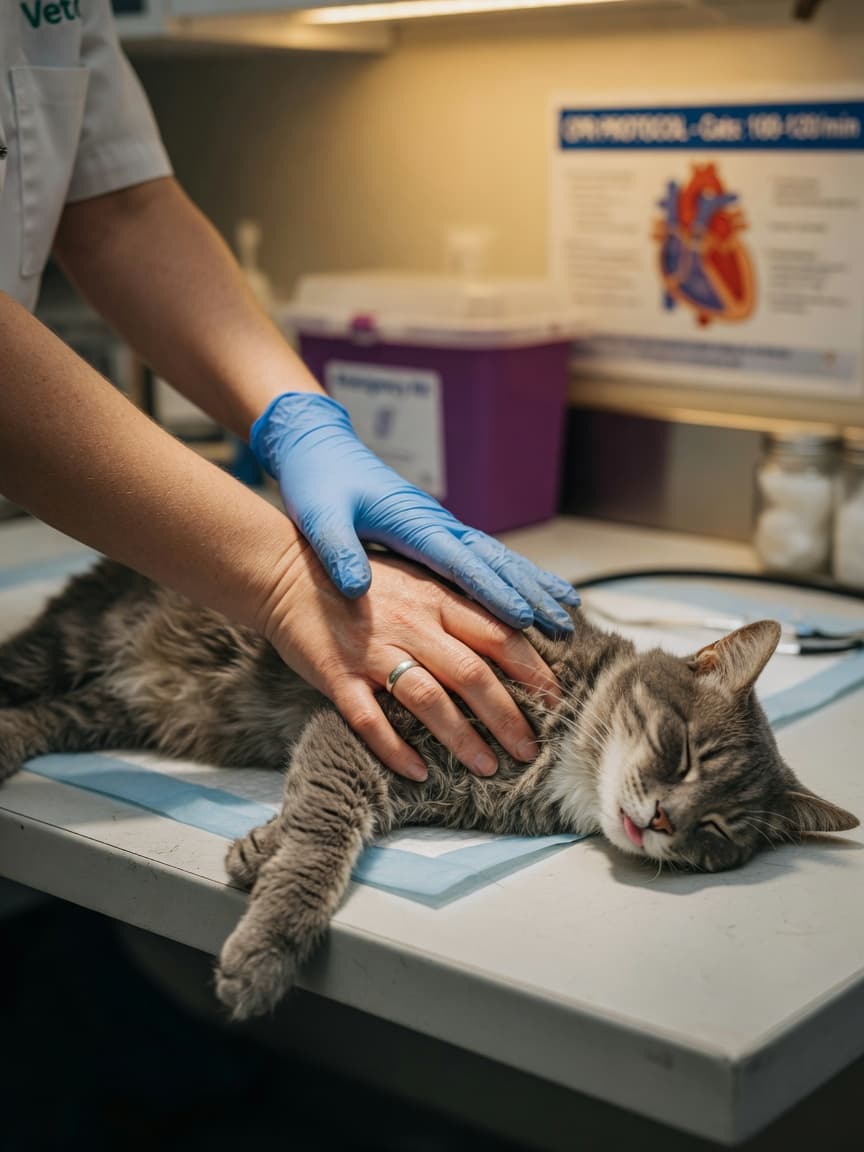
Cat CPR is different from dog CPR due to a cat's smaller and more fragile body. Here is what to do in an emergency.
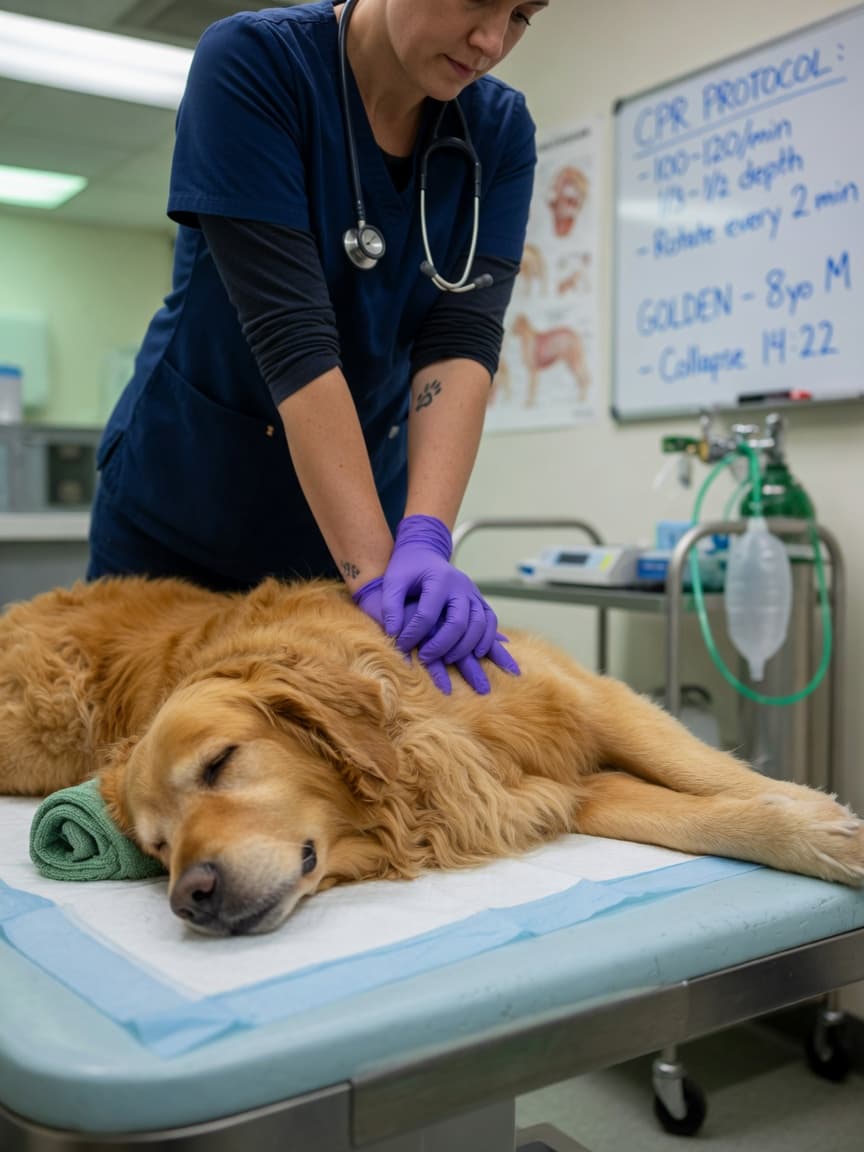
Knowing how to perform CPR on a dog could save your pet's life. Here is a clear, step-by-step guide every dog owner should know.

Most cats are fastidious self-groomers, but they benefit from regular owner grooming — especially longhaired breeds and senior cats who may struggle to reach certain areas.
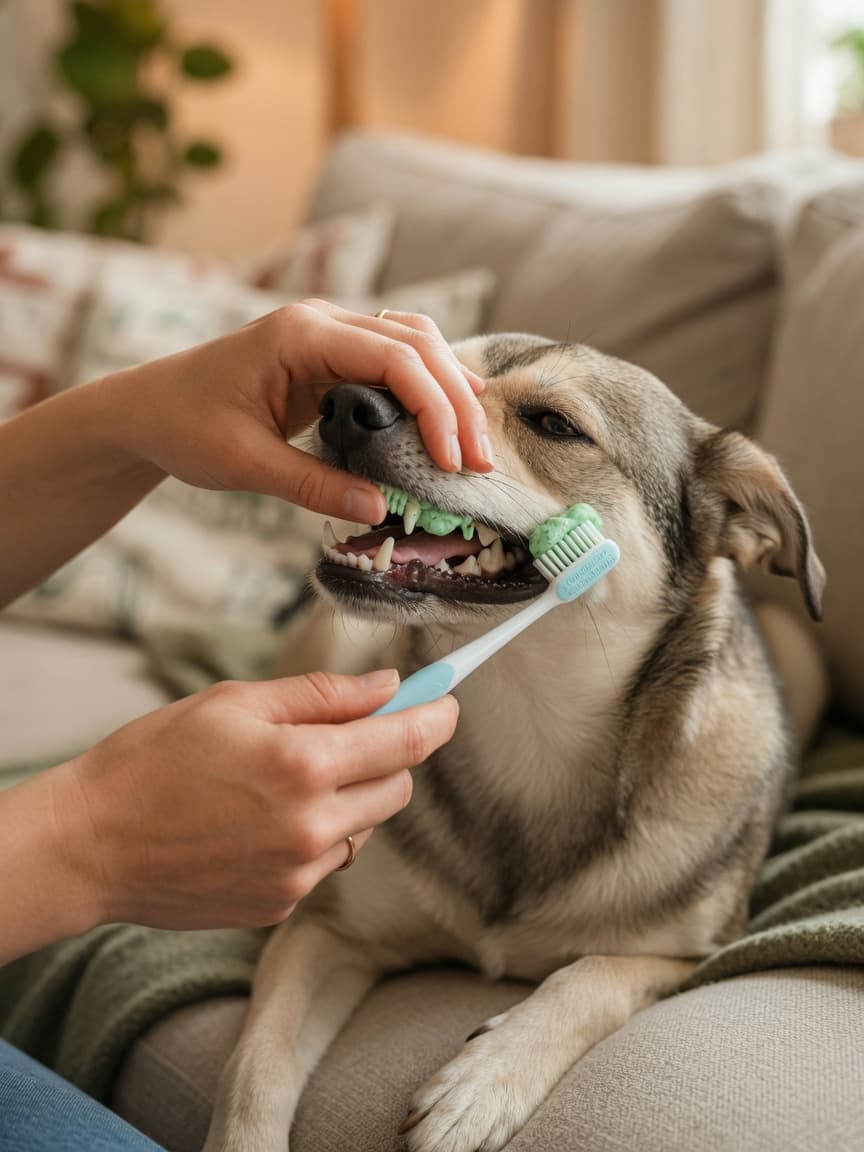
Dental disease affects 80% of dogs over 3 years old. Daily toothbrushing is the single most effective preventive measure — and most dogs can learn to enjoy it.
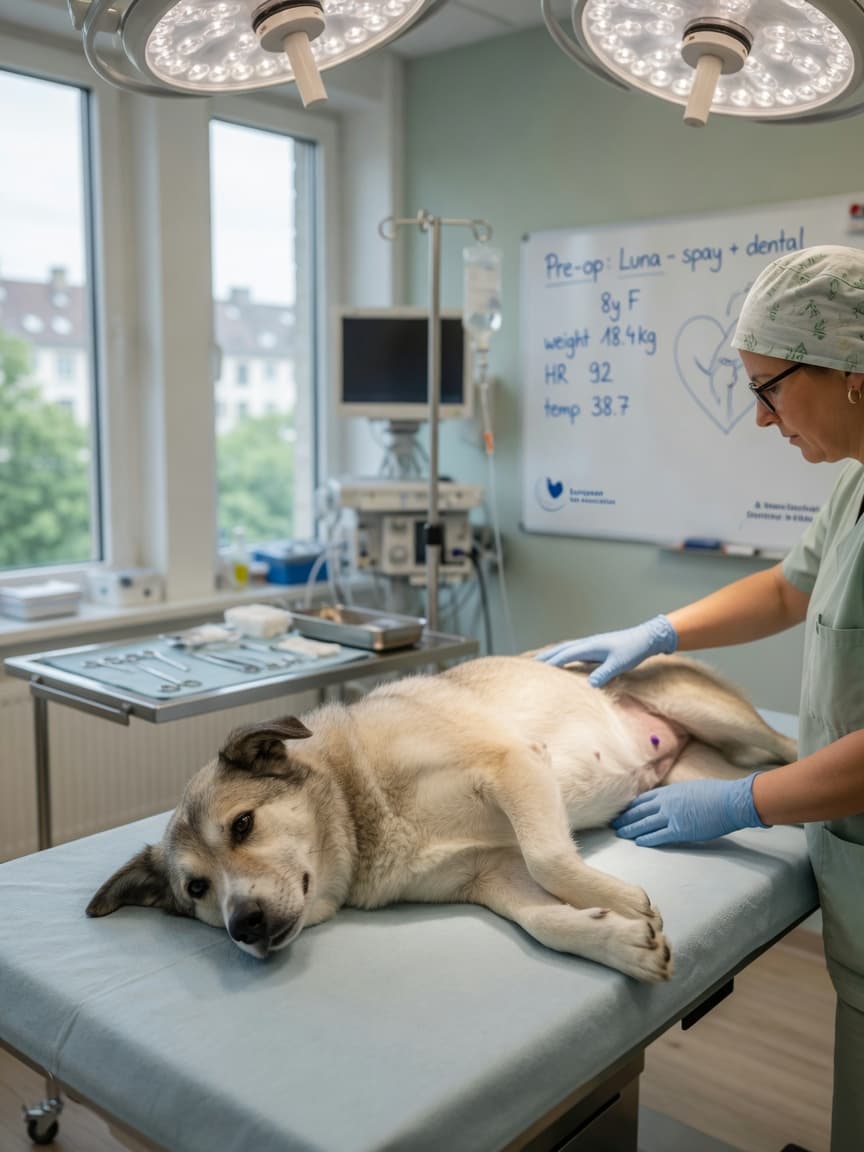
Spaying is one of the most important decisions for a female pet's health. Here is what it costs and why it is worth it.
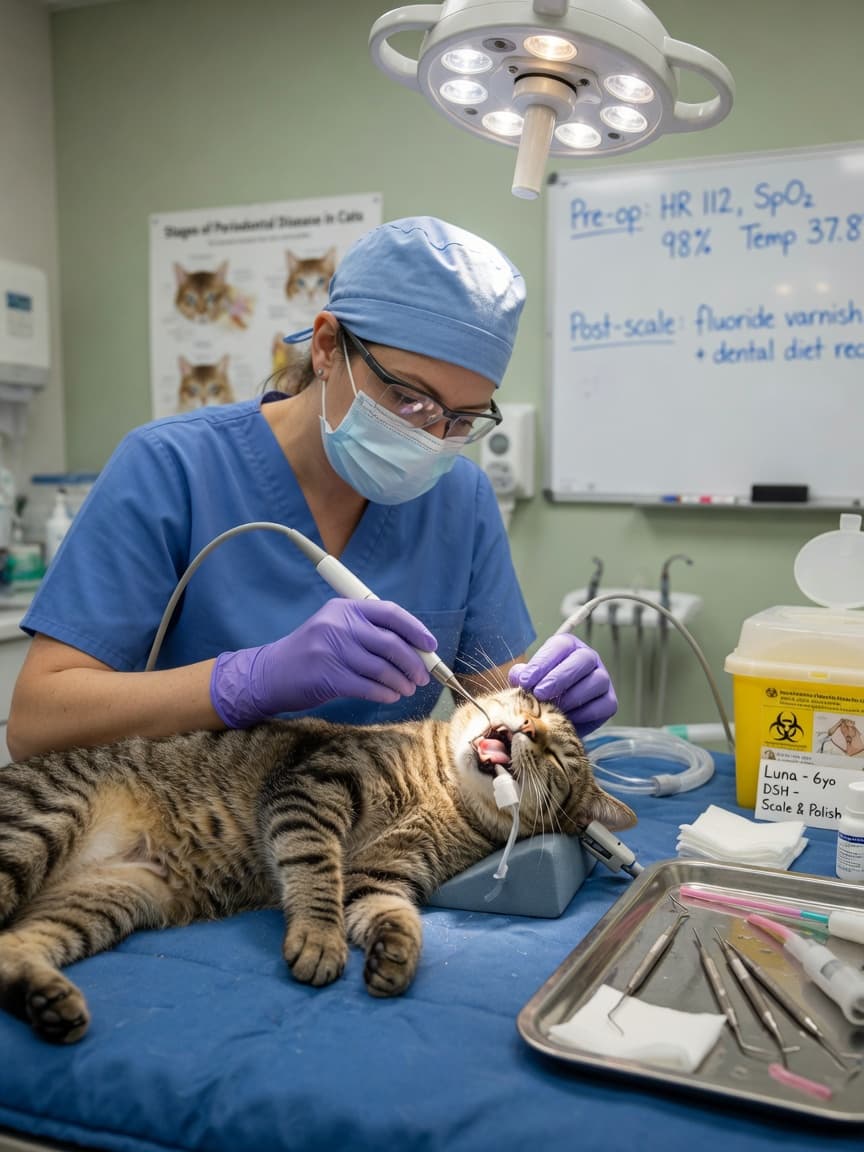
Dental disease is the most common health problem in cats over 3 years old. Dental cleaning is the most effective treatment — but it comes with a cost and requires anaesthesia.
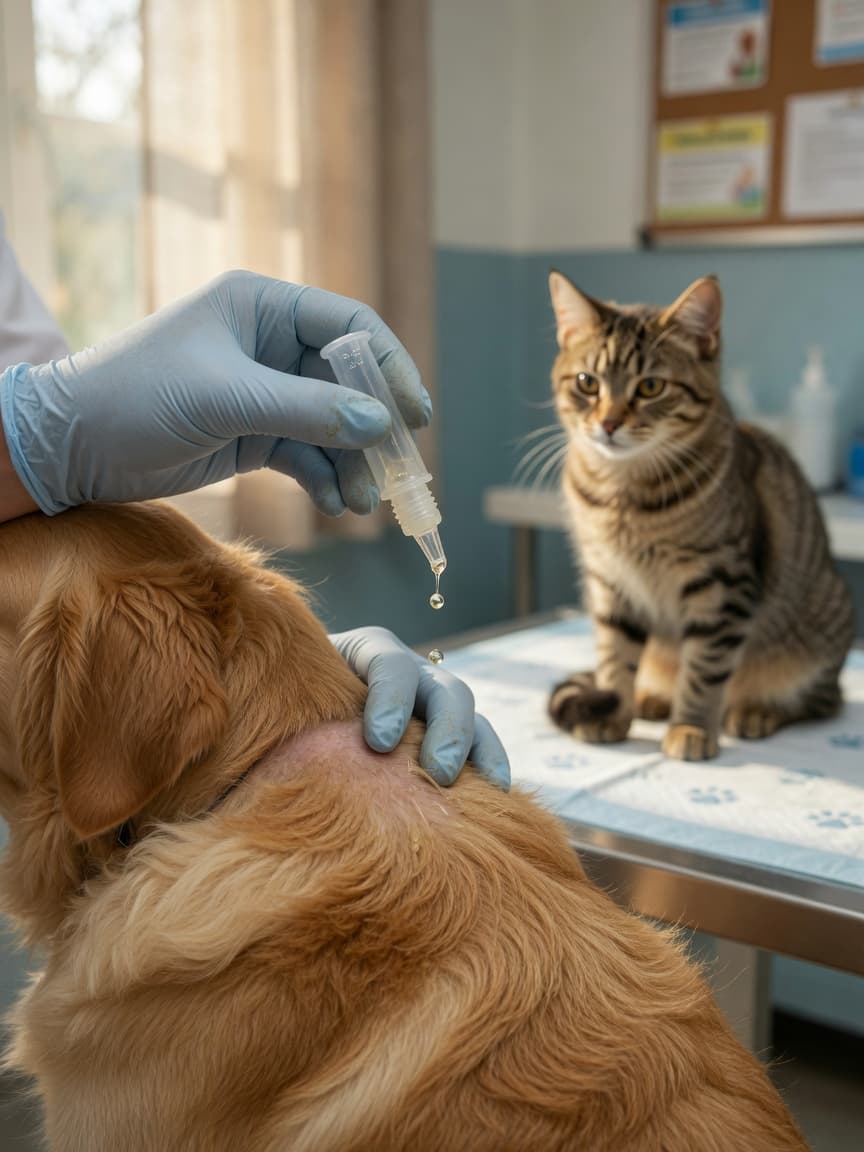
Flea treatment often seems not to be working — but understanding how it works explains why seeing new fleas after treatment is normal.
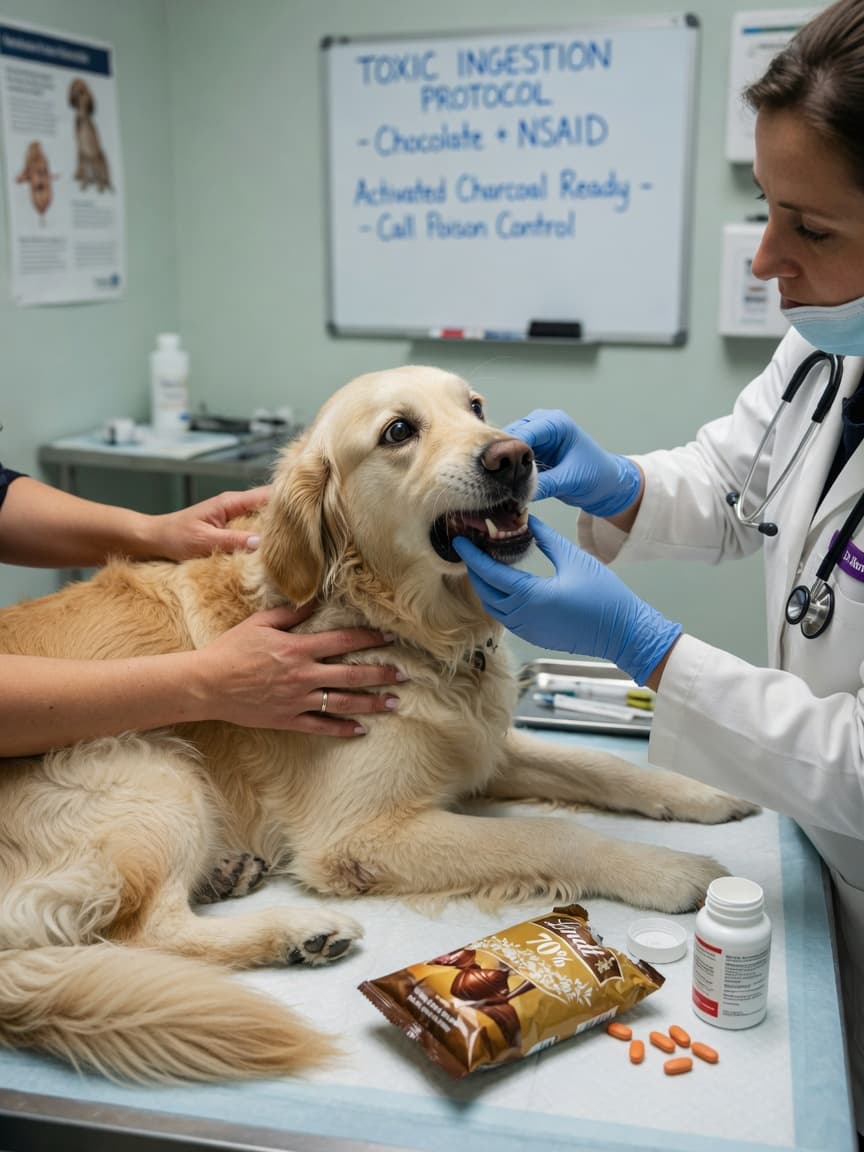
Dog poisoning is a veterinary emergency. Knowing what to do in the first minutes can be the difference between life and death.

Yes, cats fart — though far less noticeably than dogs or humans. Feline flatulence is normal but can sometimes indicate a digestive issue.

Cats are particularly vulnerable to toxins due to their liver's limited ability to metabolise many substances. Knowing what is toxic and what to do is essential.

Canine Cognitive Dysfunction (CCD) is the dog equivalent of Alzheimer's disease. It is common, under-recognised, and manageable.

Turmeric has attracted significant interest as a natural anti-inflammatory for pets. Here is what the evidence shows.

Adult cats meow almost exclusively to communicate with humans — so when they meow a lot, they're trying to tell you something.

Indoor cats live longer, safer lives — but without enrichment, they can become bored, stressed, and develop behavioural problems.
Free newsletter
Weekly science-backed advice for dog & cat owners. No spam, unsubscribe anytime.