
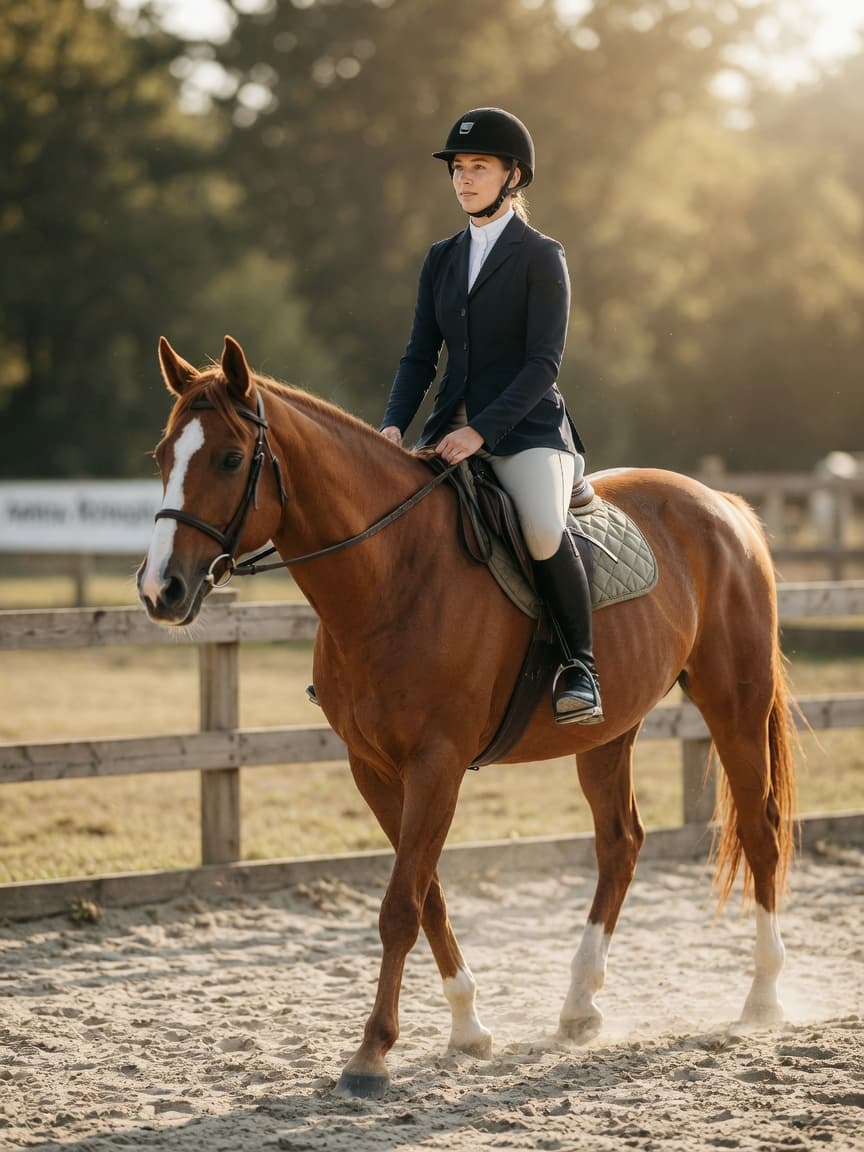
Bareback riding is a wonderful way to develop a deeper connection with your horse whilst improving your balance, core strength, and riding confidence. Whether you're preparing for recreational hacking or simply want to enhance your horsemanship skills, bareback training builds trust between horse and rider and creates a more intuitive communication. This comprehensive guide will walk you through the essential steps to safely and effectively train your horse for bareback riding.
Start with a Well-Trained Horse
Before attempting bareback riding, ensure your horse has solid foundations in basic ridden work. Your horse should be comfortable with traditional saddle work and respond reliably to your aids. Bareback riding requires your horse to understand subtle weight shifts and leg pressure, so a horse that's already accustomed to consistent schooling will progress more easily. If your horse is green or inexperienced under saddle, establish proper basics with a saddle first.
Build Confidence with Groundwork
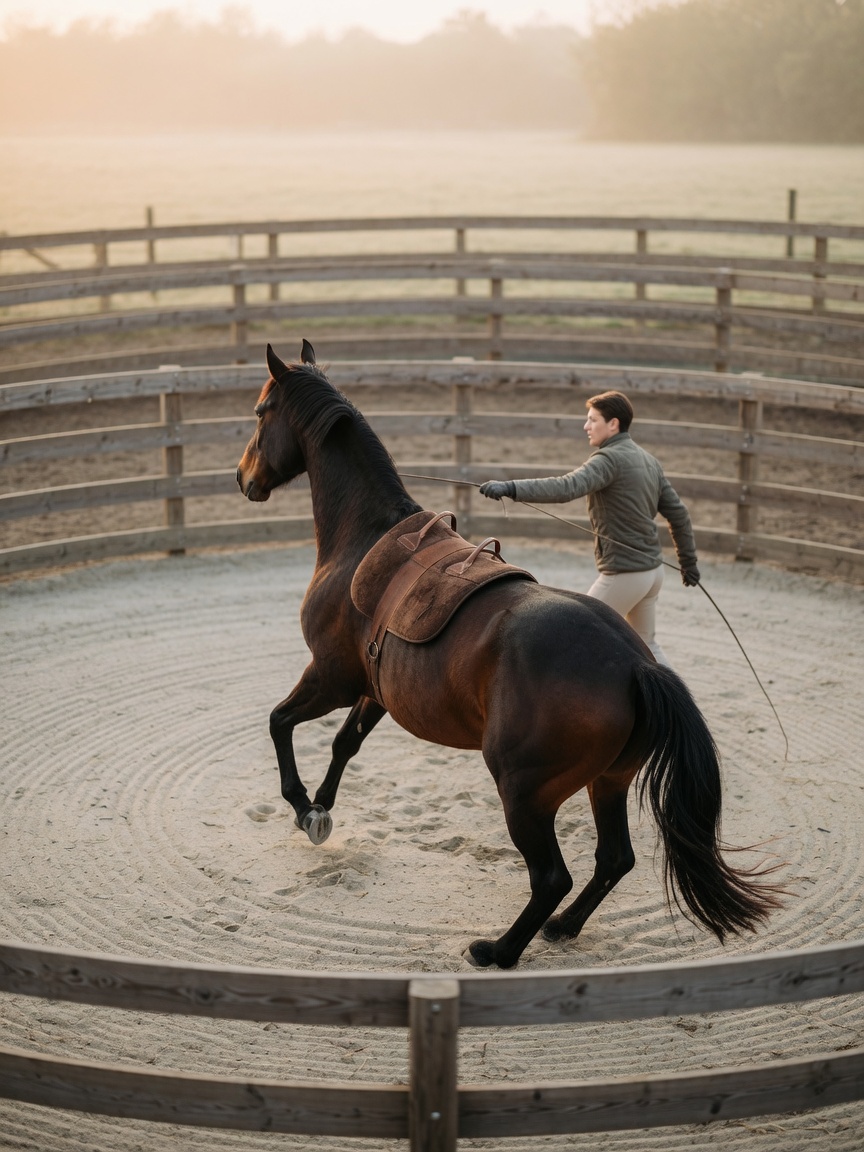
Begin your bareback journey from the ground. Spend time lunging your horse in a round pen or arena, allowing them to become accustomed to your presence without the traditional saddle. This groundwork phase is crucial for establishing trust and understanding your horse's temperament. Consider the following steps:
- Lunge your horse at walk and trot for 10-15 minutes to establish rhythm and calmness
- Gradually introduce the bareback pad or riding blanket during groundwork sessions
- Practice leading exercises and transitions to reinforce obedience
- Observe your horse's behaviour and identify any nervousness or resistance
Introduction to Bareback Equipment
Whilst true bareback riding means no equipment, many trainers recommend beginning with a bareback pad or riding blanket. These provide grip and confidence for the rider whilst your horse adapts to the sensation of a rider's weight without a traditional saddle. Choose a pad with handles if available—these give you something secure to hold initially. Never use the handles to pull yourself up; they're for balance only. As your horse becomes comfortable, you can gradually progress to riding with just a saddle cloth or entirely bare.
Mounting and First Rides
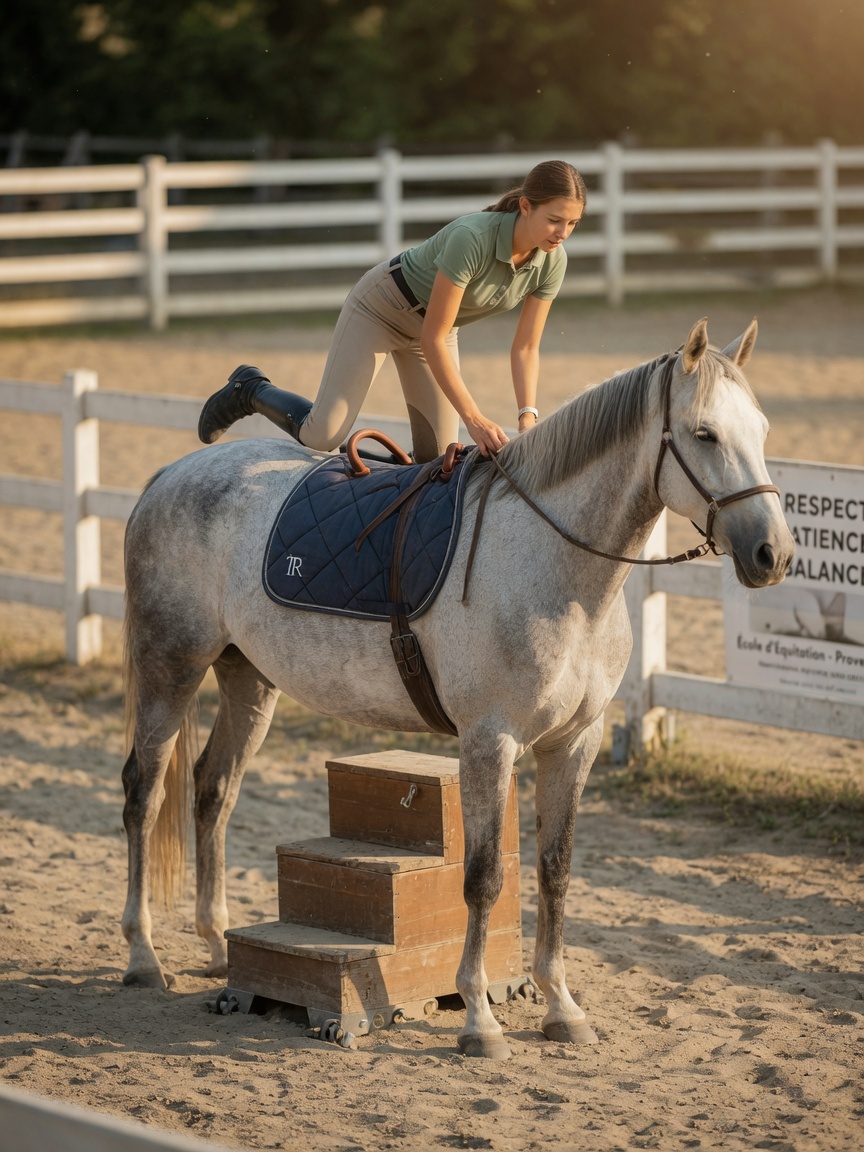
Mounting from the ground onto a bareback horse requires practise. Use a mounting block and ask your horse to stand square and still. The mounting process should be smooth and calm. Start your bareback riding in a controlled environment such as a round pen or arena:
- Mount using a mounting block—never attempt to mount from the ground initially
- Spend the first session walking only, allowing your horse to adjust to your weight distribution
- Keep sessions short—15-20 minutes initially—to prevent fatigue or soreness
- Practise walk work for at least 5-10 sessions before attempting trotting
- Gradually introduce trotting once both you and your horse feel secure
Developing Balance and Communication
Bareback riding demands superior balance from the rider. Your seat becomes your primary communication tool, and subtle shifts in weight replace some of the aids you'd use with a saddle. Maintain an upright posture with your legs underneath your body, and avoid leaning backwards. Develop an independent seat by occasionally releasing your grip with your legs during walk work, allowing your horse to feel your weight and seat more clearly. This heightened awareness will significantly improve your overall riding ability.
Progressing to Different Gaits and Terrain
Once your horse is confident with walk and trot, you can gradually introduce canter work. However, cantering bareback requires excellent balance and timing. Ensure you have consistent, controlled trotting transitions first. As confidence builds, you can venture onto gentle terrain, but avoid uneven or challenging ground until both you and your horse are thoroughly experienced. Always prioritise safety and never rush progression.
Key Takeaways
Training your horse for bareback riding is a rewarding journey that strengthens your partnership. Remember to progress gradually, maintain consistent groundwork foundations, and prioritise your horse's comfort and confidence. Start in enclosed spaces, use appropriate equipment initially, and celebrate small improvements. With patience, practise, and clear communication, you and your horse will develop the trust and skill necessary for safe, enjoyable bareback riding that enhances your entire riding experience.