
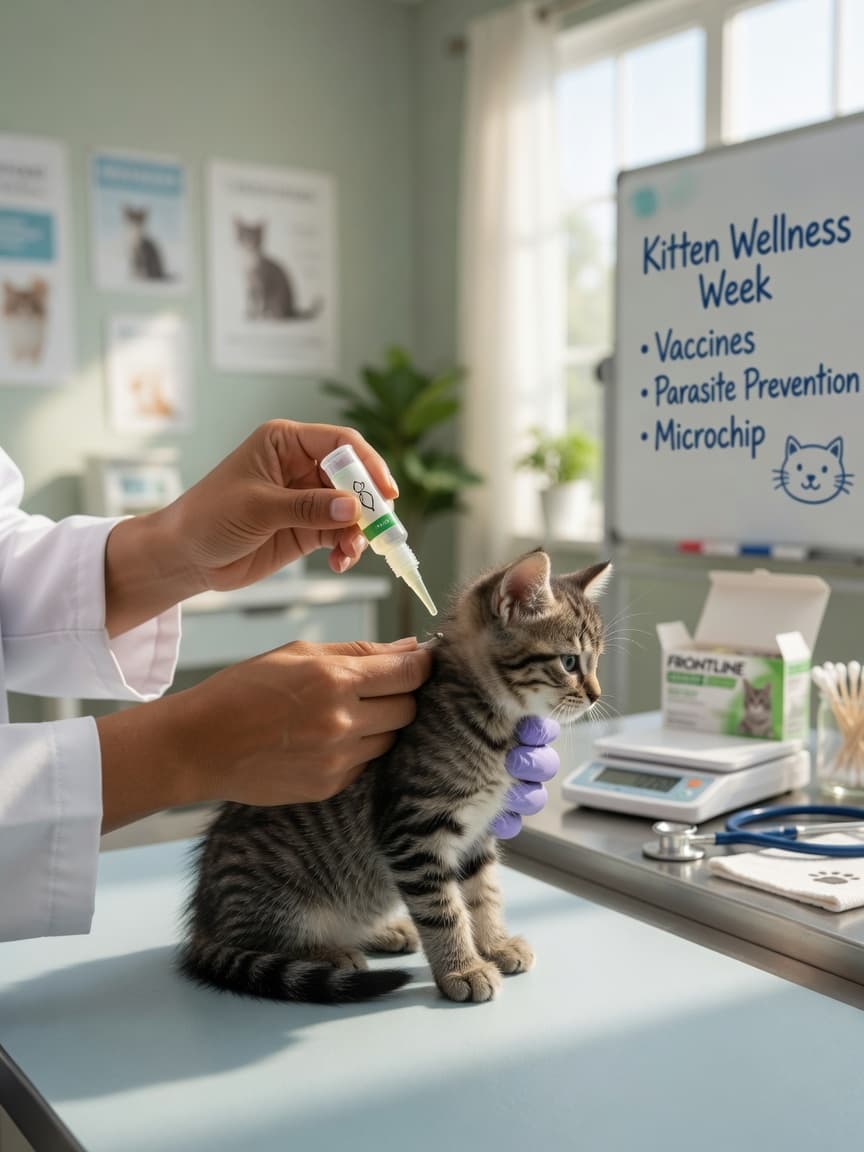
As a new kitten owner, protecting your precious pet from fleas and ticks is one of the most important health decisions you'll make. These parasites aren't merely annoying—they can transmit serious diseases, cause anaemia, and trigger allergic reactions in young cats. Understanding when and how to start flea and tick prevention ensures your kitten grows up healthy and parasite-free. This comprehensive guide will help you navigate the options and timing that work best for your furry friend.
When Can Kittens Start Flea and Tick Prevention?
The timing of flea and tick prevention depends on the type of treatment you choose and your kitten's age and weight. Most veterinarians recommend starting prevention between 6 and 8 weeks of age, which coincides with the first veterinary health checks. However, some treatments are suitable from as early as 4 weeks, whilst others require kittens to reach 8-12 weeks or a specific weight threshold.
It's crucial to consult your veterinary surgeon before starting any parasite prevention, as they'll assess your kitten's individual health status and recommend the most appropriate option for their age, weight, and lifestyle.
Types of Flea and Tick Prevention for Kittens
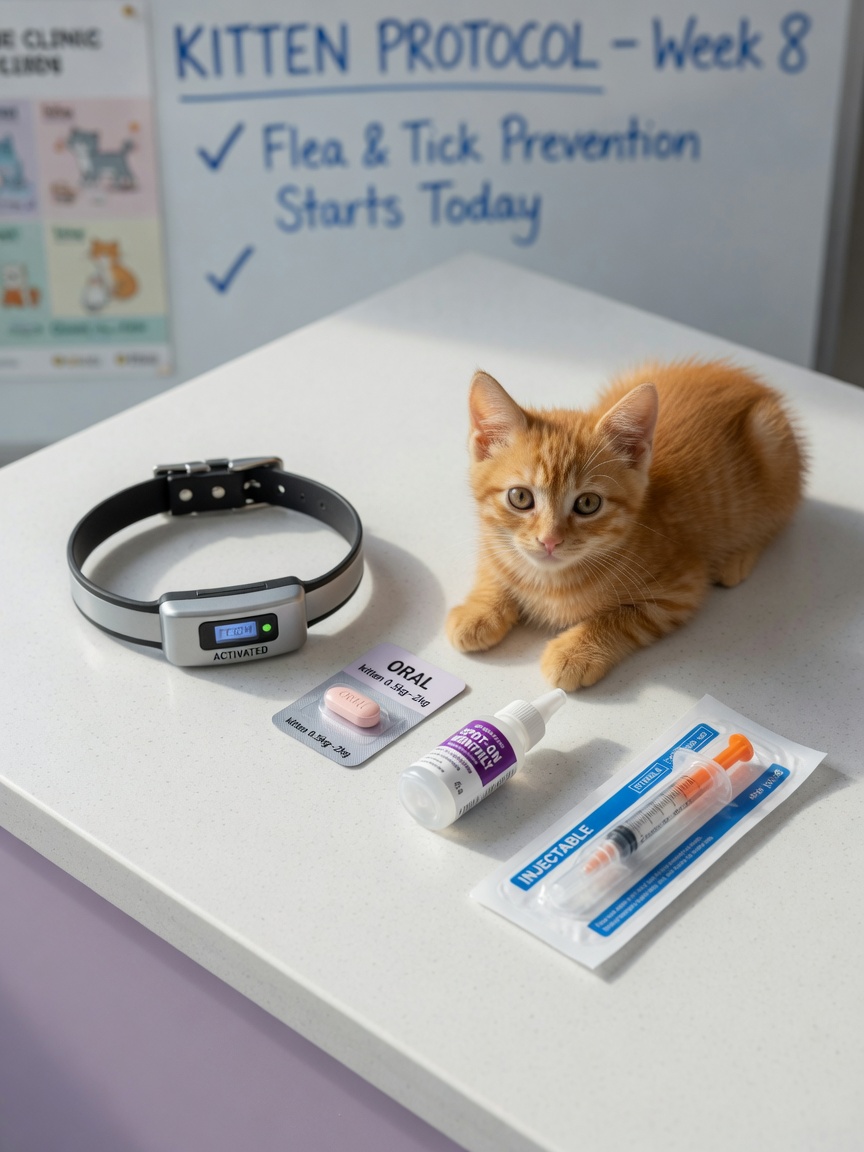
Several effective options are available for protecting young kittens:
- Topical treatments (spot-on): Applied directly to the skin, usually monthly. Most are suitable from 8 weeks onwards, though some newer formulations work from 6 weeks.
- Oral medications: Given as tablets or chewables. Prescription options typically start at 8-12 weeks, depending on the product.
- Flea collars: Modern collar technology offers long-lasting protection (up to 8 months). Some are suitable from 10 weeks of age.
- Injectable treatments: Administered by your vet, offering 6-12 months of protection. These are usually recommended for older kittens.
- Natural alternatives: Whilst less potent than prescription options, some owners prefer herbal supplements. Always discuss these with your vet, as they're not regulated.
Why Early Prevention Matters
Starting flea and tick prevention early protects your kitten from multiple health risks. Fleas can cause:
- Flea allergy dermatitis, leading to excessive scratching and skin infections
- Anaemia in very young or small kittens due to blood loss
- Transmission of tapeworms
- Bartonella (cat scratch fever), which can affect humans
Ticks pose equally serious risks, including Lyme disease and other tick-borne illnesses. Prevention is far more cost-effective and safer than treating established infestations.
Indoor vs Outdoor Kittens

Even indoor kittens benefit from year-round flea and tick prevention. Parasites can hitchhike indoors on your clothing, other pets, or through open windows and doors. Outdoor kittens face significantly greater exposure and absolutely require consistent, reliable protection.
Your veterinary surgeon can help you determine the appropriate prevention schedule based on your kitten's lifestyle and your local parasite prevalence.
Creating a Prevention Schedule
Once you've selected a prevention method with your vet, consistency is key:
- Mark treatment dates on your calendar or set phone reminders
- Apply spot-on treatments at the same time each month
- Check that your kitten has reached the minimum weight requirement for oral medications
- Store treatments as directed—many require cool, dark conditions
- Never miss doses, even during winter months
Key Takeaways
Start flea and tick prevention between 6 and 8 weeks of age, following your veterinary surgeon's specific recommendations. Choose a prevention method that suits your kitten's age, weight, and lifestyle. Maintain consistent, year-round protection to safeguard your kitten from parasites and the serious diseases they carry. Regular veterinary check-ups ensure your chosen prevention strategy remains effective as your kitten grows. By taking action early, you're investing in a healthier, happier future for your beloved pet.