
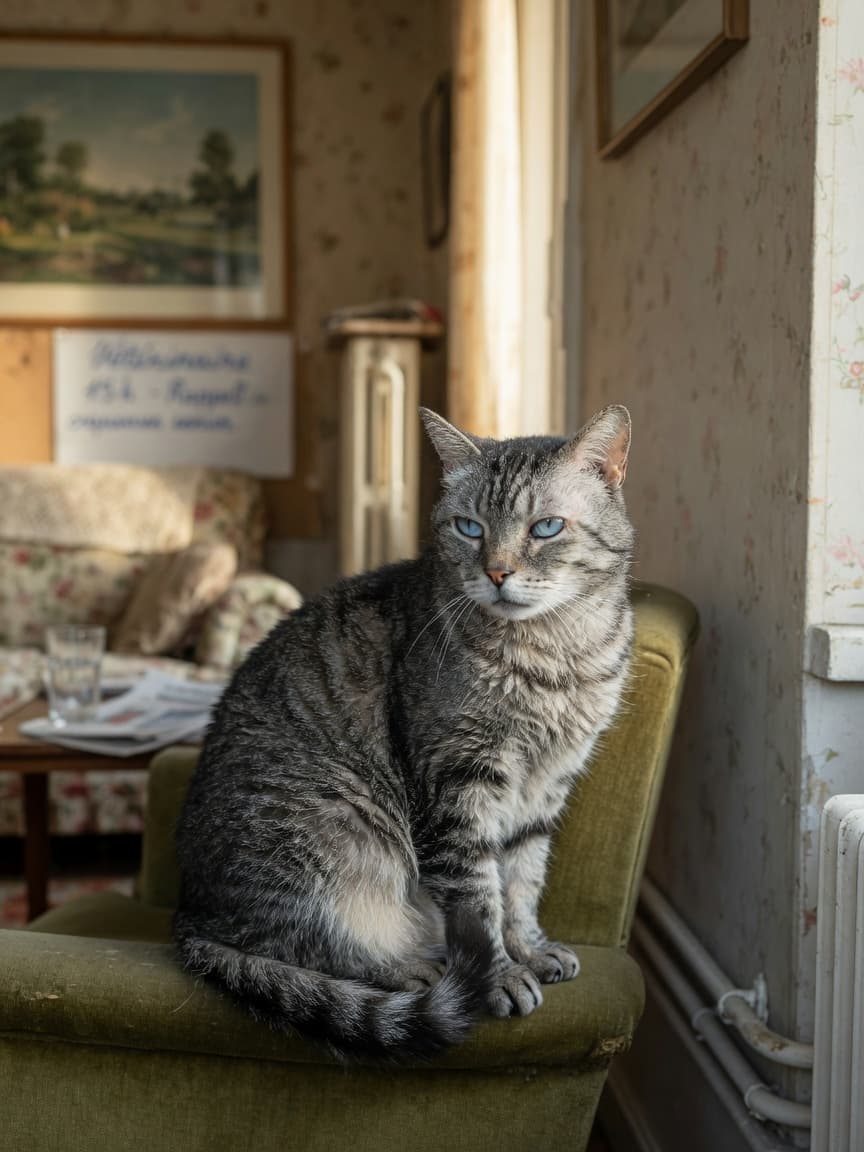
When Age Changes More Than the Body
Watching a beloved cat become confused, disoriented, or uncharacteristically vocal in the middle of the night is distressing for any owner. These changes are frequently dismissed as "just getting old," but in many cases they reflect a specific neurological condition — feline cognitive dysfunction syndrome (CDS) — that has genuine parallels with human Alzheimer's disease. Understanding what is happening in the ageing feline brain, and what can be done about it, matters enormously for the wellbeing of older cats.
Studies suggest that between 28 and 50 per cent of cats aged 11 to 14 show at least some signs of cognitive decline, rising to over 80 per cent in cats over 16. These are not trivial numbers, yet CDS remains chronically underdiagnosed, partly because signs are subtle early on and partly because owners — and sometimes vets — mistake them for inevitable ageing rather than a treatable syndrome.
What Happens in the Ageing Cat Brain
The pathological changes seen in cats with CDS include amyloid beta plaque accumulation, oxidative damage to neurons, reduced cerebral blood flow, and neurotransmitter depletion — all features that have direct analogues in human Alzheimer's pathology. The hippocampus, critical for memory and spatial navigation, is particularly vulnerable. As these changes accumulate, cognitive processing slows, memory falters, and the brain's ability to regulate sleep, anxiety, and spatial awareness deteriorates.
It is worth noting that ruling out other medical conditions is essential before attributing signs to CDS. Hyperthyroidism, hypertension, brain tumours, hepatic encephalopathy, pain, and sensory loss from reduced vision or hearing can all produce behavioural changes that mimic cognitive decline. A thorough medical workup should always precede a CDS diagnosis.
Recognising the Signs: The DISHA Framework
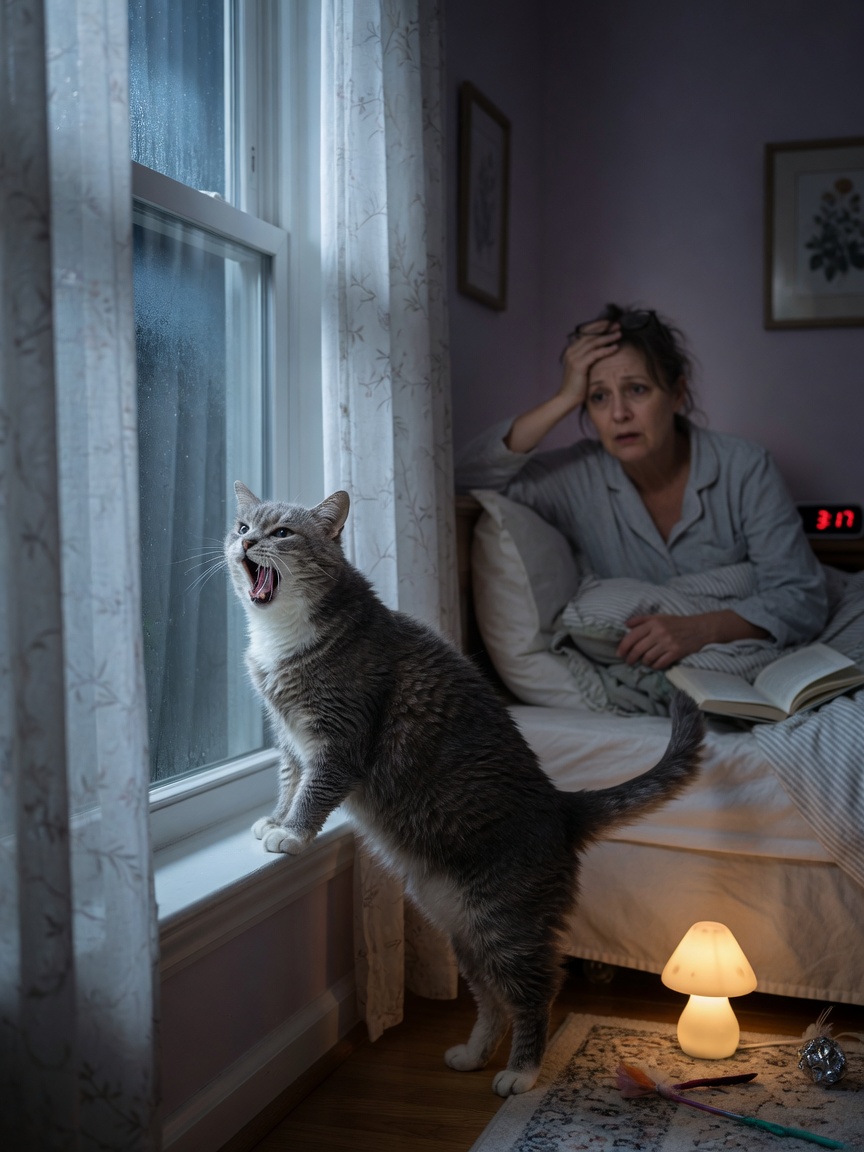
Veterinary professionals commonly use the DISHA acronym to categorise the signs of feline CDS. It stands for Disorientation, Interactions altered, Sleep-wake cycle changes, House soiling, and Activity changes.
Disorientation
A cat with CDS may get lost in familiar rooms, stare blankly at walls or into corners, fail to recognise familiar people or pets, or appear confused after waking. Getting stuck in small spaces they would previously have navigated easily is another common presentation.
Altered Interactions
Changes in social behaviour are often among the earliest signs noticed by observant owners. An affectionate cat may become withdrawn or irritable; a previously independent cat may become clingy and anxious. Relationships with other household pets may change, sometimes leading to conflict.
Sleep-Wake Cycle Disruption
This is frequently what prompts owners to seek help. A cat who sleeps heavily during the day and then vocalises loudly — often a drawn-out, distressed yowling — in the early hours of the morning is displaying a classic CDS symptom. The altered sleep architecture mirrors what is seen in human dementia patients.
House Soiling
Forgetting litter tray locations, missing the tray, or eliminating in unusual places can all reflect cognitive decline. Before attributing this to CDS, mobility limitations, urinary tract disease, and kidney issues must be ruled out.
Activity Changes
Decreased grooming, reduced play, aimless wandering, increased repetitive behaviours, or conversely, a dramatic reduction in activity — all fall under this category. Appetite changes are also common.
Diagnosis
There is no single diagnostic test for CDS. Diagnosis relies on a combination of ruling out other causes through blood work, urine testing, blood pressure measurement, and neurological assessment, combined with a thorough behavioural history. Owner questionnaires designed to quantify the frequency and severity of DISHA signs are increasingly used to support diagnosis and track progression over time.
Advanced imaging such as MRI can identify structural brain changes consistent with CDS, but it requires general anaesthesia and is not routinely available or financially feasible for most cat owners. It is most useful when ruling out brain tumours or other structural pathology.
Management Strategies

There is currently no cure for feline CDS, but a combination of environmental enrichment, dietary support, and in some cases medication can slow progression and improve quality of life meaningfully.
Environmental management focuses on reducing confusion and anxiety. Keeping furniture in the same positions, ensuring food, water, and litter trays are easily accessible and consistently located, providing nightlights for disoriented cats, and maintaining a calm, predictable routine all help reduce distress. Some cats benefit from a comfortable, enclosed sleeping space that provides a sense of security.
Dietary interventions targeting oxidative stress and mitochondrial function have some evidence behind them. Antioxidants including vitamins E and C, medium-chain triglycerides, omega-3 fatty acids, and phosphatidylserine have each been studied. Several commercial senior cat foods and supplements are formulated around these ingredients. S-adenosyl methionine (SAMe) has shown some benefit in cognitive support studies and is available as a supplement.
Selegiline, a monoamine oxidase inhibitor licensed for canine cognitive dysfunction, is sometimes used off-label in cats. Melatonin may help regulate disrupted sleep-wake cycles. Any pharmaceutical approach requires veterinary supervision and careful monitoring given the frequency of concurrent medical conditions in senior cats.
Supporting Quality of Life
Living with a cognitively declining cat requires patience and adaptation. Night-time vocalisation is exhausting for owners, but punishment is counterproductive — the cat is not choosing to be disruptive. Responding calmly, providing gentle reassurance, and working with a vet to address the underlying sleep disruption is a more constructive path. Regular gentle interaction, sensory stimulation appropriate to the cat's current abilities, and careful pain management all contribute to a better quality of life during the later stages of the condition.