
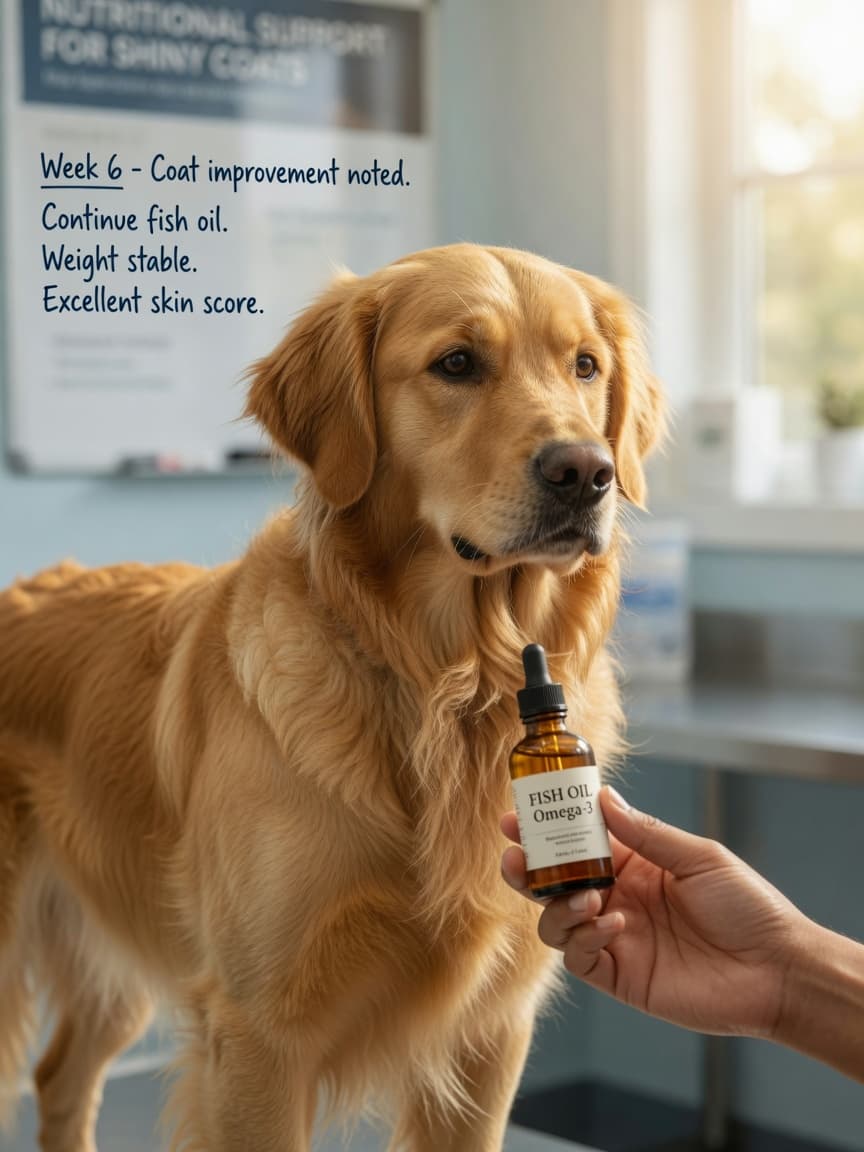
Omega-3 for Dogs: How Fish Oil Improves Coat and Reduces Inflammation
Walk into any pet shop and you will find fish oil supplements lined up alongside vitamins, joint support products, and a dozen other additions to the canine health market. Unlike many supplements that make big promises with thin evidence to back them up, omega-3 fatty acids have a genuinely robust body of research supporting their benefits for dogs. For coat health and inflammation in particular, the evidence is strong enough that many veterinary nutritionists now consider omega-3 supplementation a standard recommendation for dogs with certain skin and joint conditions.
What Are Omega-3 Fatty Acids?
Omega-3 fatty acids are a category of polyunsaturated fats that the body cannot manufacture on its own in sufficient quantities — they must be obtained through diet. For dogs, the most biologically important omega-3s are EPA (eicosapentaenoic acid) and DHA (docosahexaenoic acid), both of which are found predominantly in marine sources such as oily fish and krill. A third omega-3, ALA (alpha-linolenic acid), is found in plant sources such as flaxseed, but dogs convert ALA to EPA and DHA at very low efficiency — around two to ten percent — making marine-sourced omega-3s far superior for therapeutic purposes.
How Omega-3s Benefit Coat Health
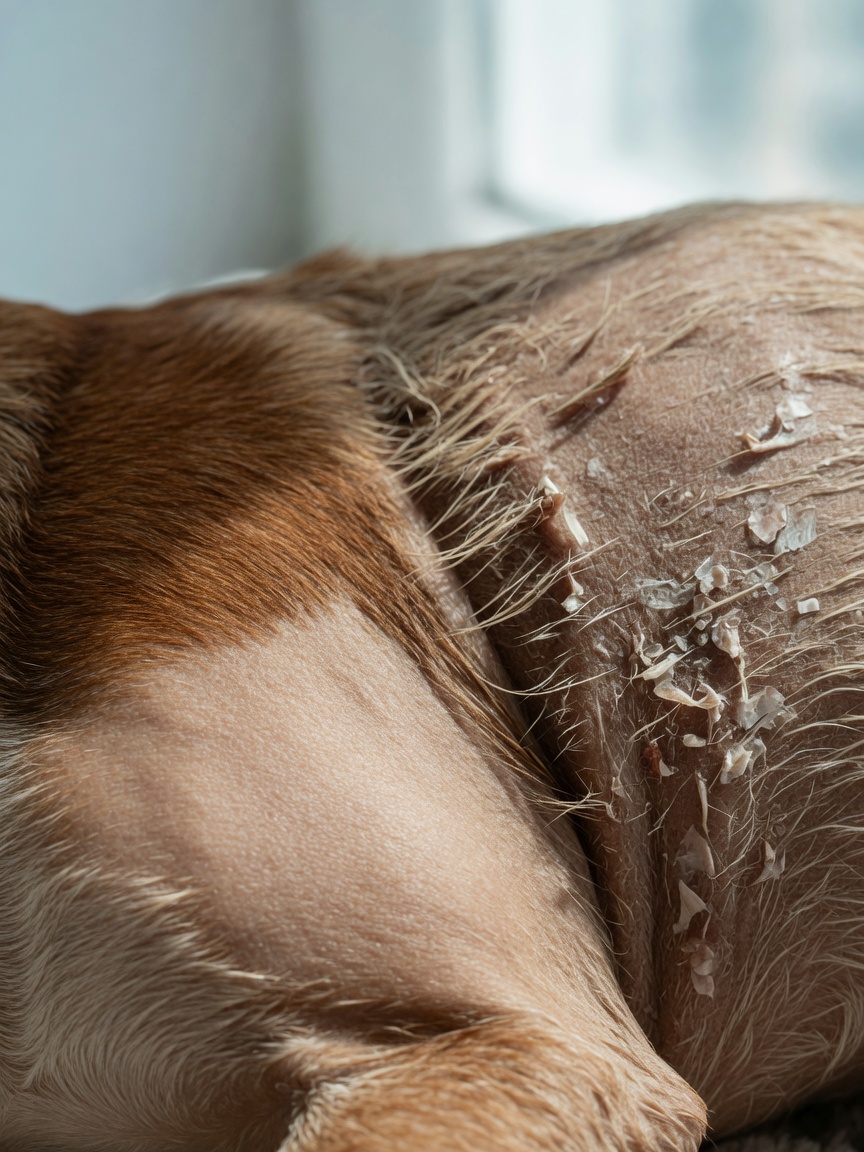
The skin is the largest organ in a dog's body, and it requires a continuous supply of fatty acids to maintain its barrier function. The skin barrier prevents moisture loss, blocks environmental irritants and pathogens, and keeps the coat supple and well-conditioned.
EPA and DHA are incorporated directly into cell membranes throughout the skin, where they influence the types of lipids produced and the skin's ability to retain water. A deficiency in omega-3 fatty acids is associated with dry, flaky skin, a dull or brittle coat, increased susceptibility to skin infections, and slower wound healing. Supplementing with fish oil can reverse many of these signs within eight to twelve weeks.
In dogs with atopic dermatitis — a chronic allergic skin condition — omega-3 supplementation has been shown in multiple studies to reduce the severity of itching and scaling, and in some cases to allow a reduction in the dose of anti-inflammatory medication required. While omega-3s are not a replacement for veterinary treatment of allergic skin disease, they are a valuable part of a comprehensive management approach.
The Anti-Inflammatory Mechanism
One of the most well-established effects of EPA and DHA is their ability to modulate the inflammatory response. Inflammation is not inherently harmful — it is a necessary component of the immune response — but chronic, low-grade inflammation drives many of the most common health problems in dogs, from skin disease and joint degeneration to cardiovascular issues.
EPA and DHA work by competing with arachidonic acid, an omega-6 fatty acid found in meat-based diets, for the same metabolic enzymes. When omega-6 fatty acids predominate, the body tends to produce more pro-inflammatory signalling molecules called eicosanoids. When omega-3 intake is increased, it shifts this balance towards anti-inflammatory eicosanoids and resolvins, actively downregulating inflammatory processes. This is why the ratio of omega-6 to omega-3 in the diet matters — most commercial dog foods contain far more omega-6 than omega-3, which is why supplementation is often needed to achieve a therapeutic balance.
Choosing the Right Fish Oil Supplement
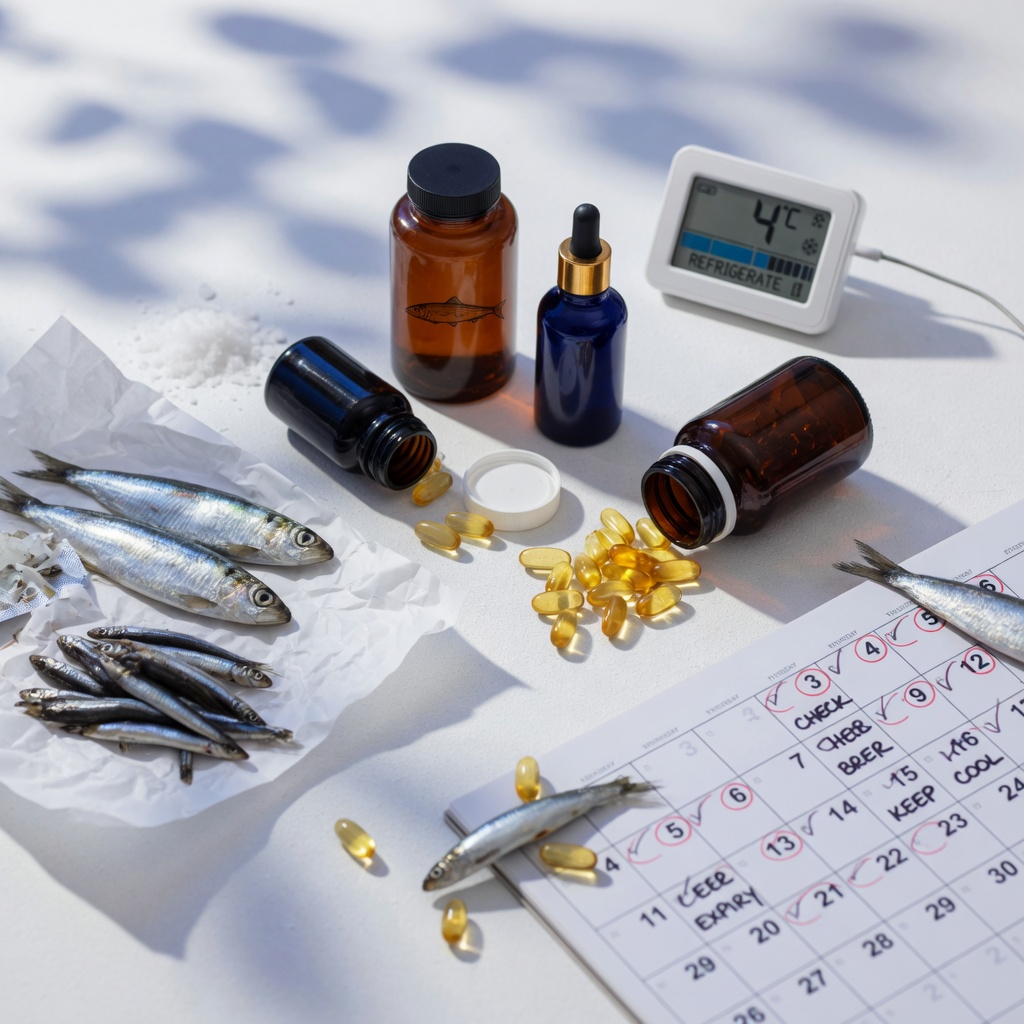
Not all fish oil products are equal, and making a thoughtful choice is important for both safety and efficacy.
- Look for products that clearly state the EPA and DHA content per dose — these are the active compounds, and the total amount of fish oil is less informative than the quantity of EPA and DHA it delivers
- Choose supplements that have been third-party tested for purity and are free from heavy metals, PCBs, and other environmental contaminants; cold-water oily fish such as sardines, anchovies, and mackerel tend to accumulate fewer toxins than larger fish such as salmon or cod
- Store fish oil properly — it is highly susceptible to oxidation, and rancid oil not only loses its beneficial properties but may actually contribute to oxidative stress in the body; keep it refrigerated and use within the manufacturer's recommended timeframe after opening
- Avoid products that contain added flavourings, preservatives, or fillers that are unnecessary and potentially problematic
Dosing Omega-3 for Dogs
Dosing recommendations for omega-3 in dogs vary depending on the condition being managed, but as a general guide, therapeutic doses of combined EPA and DHA typically range from 20 to 55 milligrams per kilogram of body weight per day for skin conditions. For general coat maintenance and health support, a lower dose is usually sufficient. Your veterinarian or a board-certified veterinary nutritionist is the best resource for an appropriate dose for your specific dog, particularly if your dog has any underlying health conditions or is taking medication.
It is worth noting that omega-3 fatty acids can have a mild anticoagulant effect at high doses and may interact with certain medications including anti-inflammatory drugs and anticoagulants. Always inform your vet of any supplements your dog is taking.
When to Expect Results
Omega-3 supplementation is not a quick fix. Because EPA and DHA work by gradually altering the composition of cell membranes and shifting the balance of inflammatory signalling, meaningful improvements in coat quality and skin condition typically take eight to twelve weeks of consistent supplementation to become apparent. Patience and consistency are essential — owners who give up after a few weeks may miss genuine benefits that were on the way.
For dogs with chronic inflammatory or allergic conditions, omega-3 supplementation is most effective as part of a broader strategy that includes appropriate veterinary treatment, a nutritionally balanced diet, regular grooming, and allergen management where possible. Used in this context, fish oil is one of the most evidence-backed tools available for supporting long-term skin and coat health in dogs.