
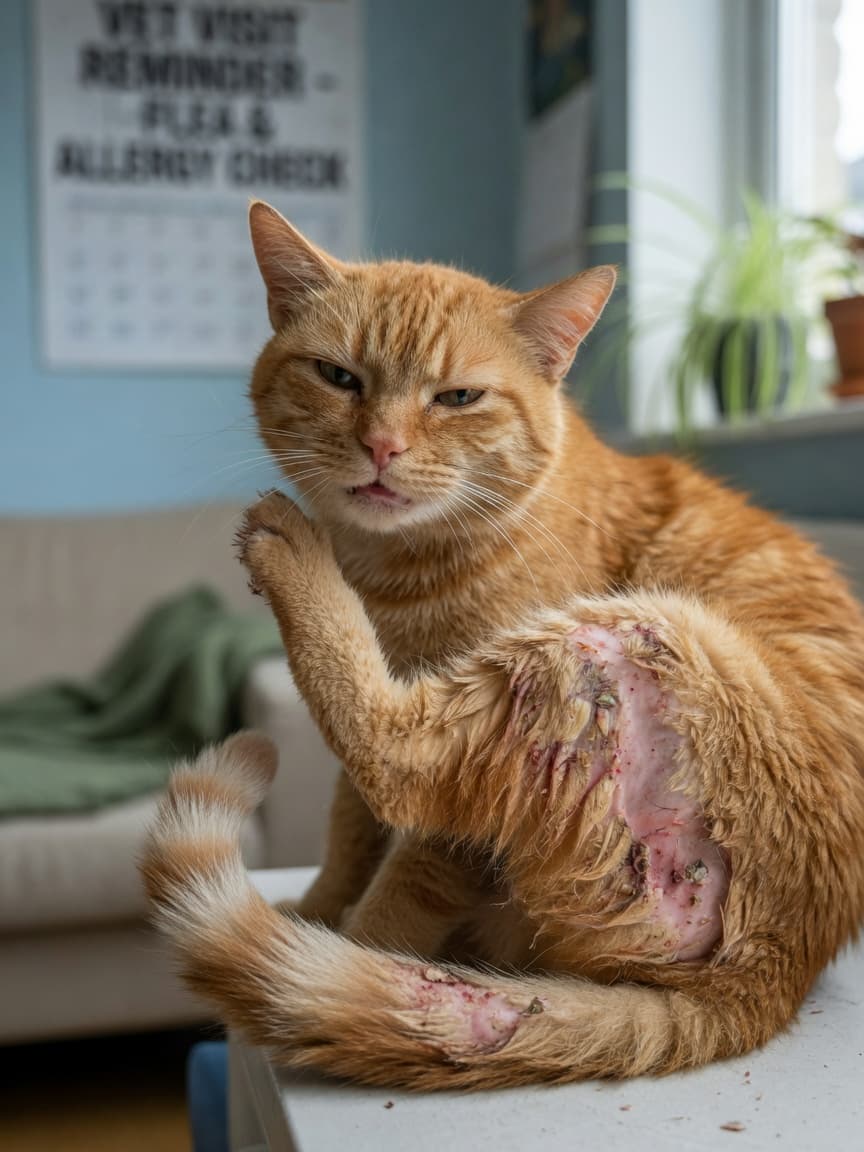
If your cat is scratching relentlessly, losing fur in patches, or developing red, inflamed skin, flea allergy dermatitis (FAD) might be the culprit. This is one of the most common skin conditions affecting cats today, yet many pet owners remain unaware of how serious it can become. The irony is that it takes just a single flea bite to trigger a severe allergic reaction in sensitive cats. Understanding this condition is essential for keeping your feline friend comfortable and healthy.
What Is Flea Allergy Dermatitis?
Flea allergy dermatitis is an allergic reaction to flea saliva. When a flea bites your cat to feed on blood, it injects saliva containing proteins that can trigger an immune system response in allergic cats. Unlike general flea infestations, which cause mild itching, FAD causes an exaggerated inflammatory response disproportionate to the number of fleas present.
This means your cat doesn't need many fleas to suffer severe symptoms—sometimes just one flea bite can set off a reaction lasting several weeks. This is particularly problematic because cats can pick up a single flea from wildlife, other animals, or even from being carried indoors on clothing or shoes.
Common Symptoms to Watch For
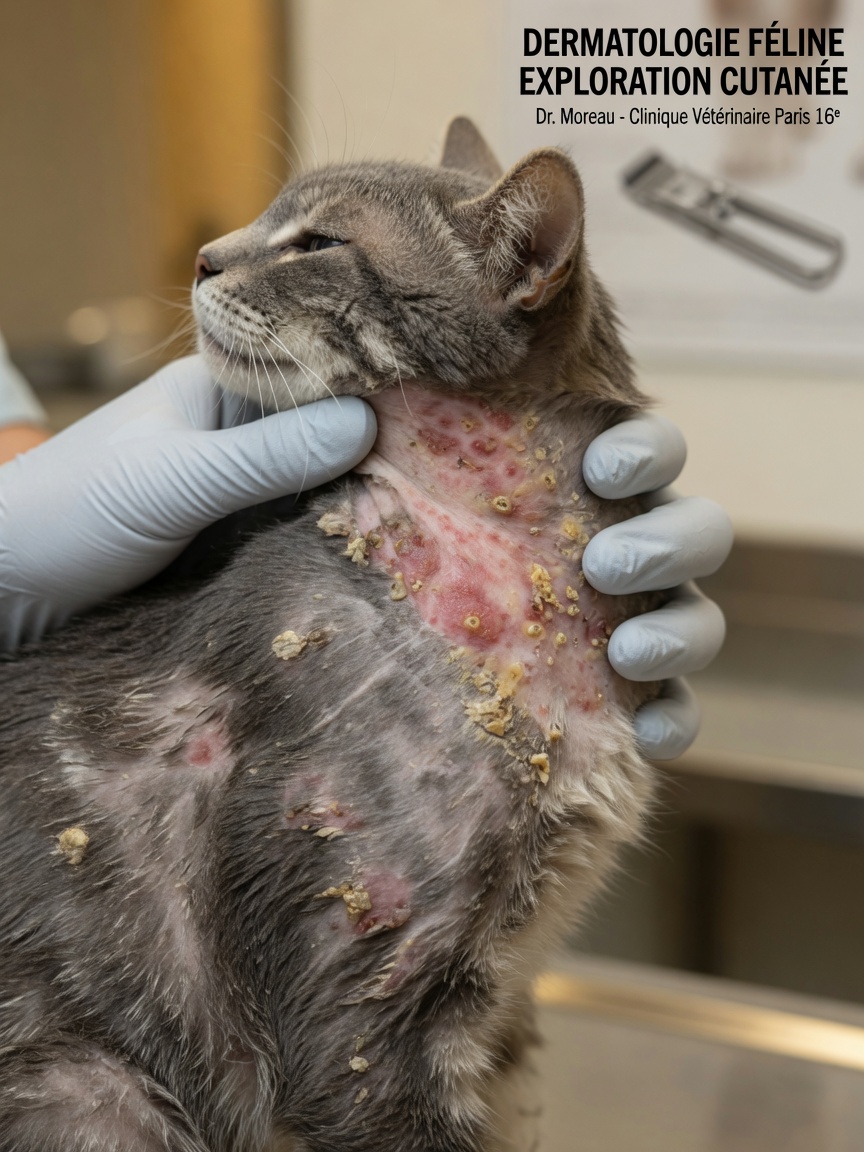
Recognising FAD early can prevent secondary infections and unnecessary suffering. Key symptoms include:
- Excessive scratching, particularly around the head, neck, and tail base
- Hair loss (alopecia), often in patches or linear patterns
- Red, inflamed, or scabby skin
- Small bumps or pustules on the skin
- Overgrooming that leads to self-trauma
- Crusting or scaling of the skin
- Secondary skin infections causing odour or discharge
Many cats with FAD develop lesions on the dorsal lumbar region (lower back), though symptoms can appear anywhere on the body. If left untreated, constant scratching can lead to bacterial or yeast infections that compound the problem.
Why Some Cats Are More Susceptible
Not all cats develop flea allergy dermatitis even with regular flea exposure. Genetic predisposition plays a significant role, meaning some cats are simply born with a tendency towards allergic reactions. Additionally, cats with other allergies or underlying skin conditions are at higher risk.
Age can also be a factor, with FAD typically developing between one and five years old. Indoor cats are not immune—they may have fewer exposures but still develop severe reactions when exposed.
Diagnosis and Treatment Options
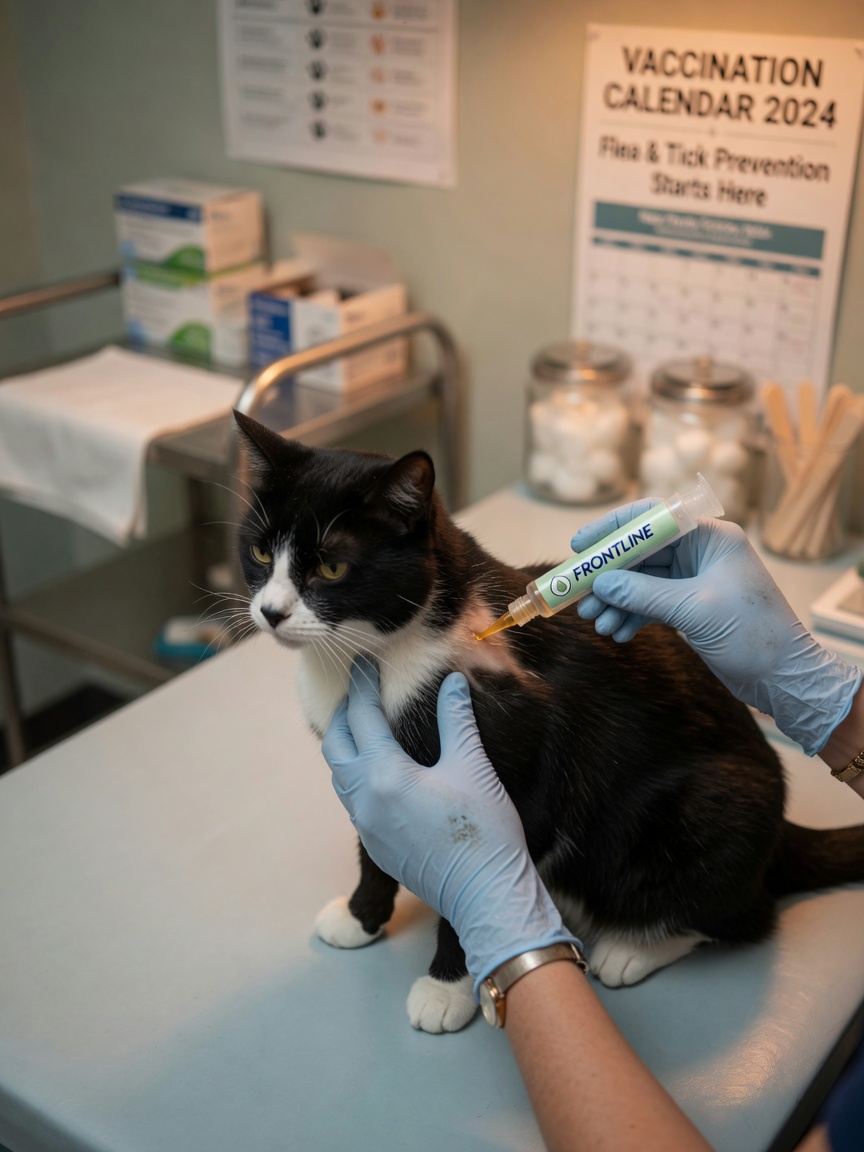
Your veterinarian will typically diagnose FAD through a combination of clinical signs, history, and sometimes allergy testing or elimination trials. Finding even one flea or flea dirt on your cat strongly suggests FAD, particularly if symptoms are severe.
Treatment involves several strategies:
- Flea Prevention: Year-round treatment is essential. Options include topical spot-on treatments, oral medications, flea collars, or regular bathing with medicated shampoos. Your vet can recommend the most appropriate option for your cat.
- Environmental Control: Thoroughly clean bedding, carpets, and furniture where flea eggs and larvae may hide. Treat outdoor areas where your cat spends time.
- Anti-inflammatory Medication: Short-term corticosteroids or other anti-inflammatory medications help reduce itching and inflammation whilst other treatments take effect.
- Managing Secondary Infections: Antibiotics or antifungal medications may be necessary if bacterial or yeast infections have developed.
- Dietary Support: Omega-3 fatty acids can help support skin health and reduce inflammatory responses.
Prevention: The Best Approach
Prevention is far superior to treating established FAD. Year-round flea prevention is recommended for all cats, regardless of indoor or outdoor status. This protects not only your cat but also prevents fleas from establishing in your home environment.
Regular grooming with a flea comb helps you catch infestations early. Discuss the most effective prevention strategy with your veterinarian, as they can recommend products suited to your cat's age, weight, and health status.
Key Takeaways
Flea allergy dermatitis is a painful condition that requires prompt attention. Remember that even one flea can cause severe reactions in allergic cats, making prevention crucial. If you notice persistent scratching, hair loss, or skin inflammation, consult your veterinarian promptly. With proper diagnosis and a consistent flea prevention programme, most cats with FAD can live comfortably without constant discomfort. Your proactive approach today will keep your feline friend healthier and happier tomorrow.