
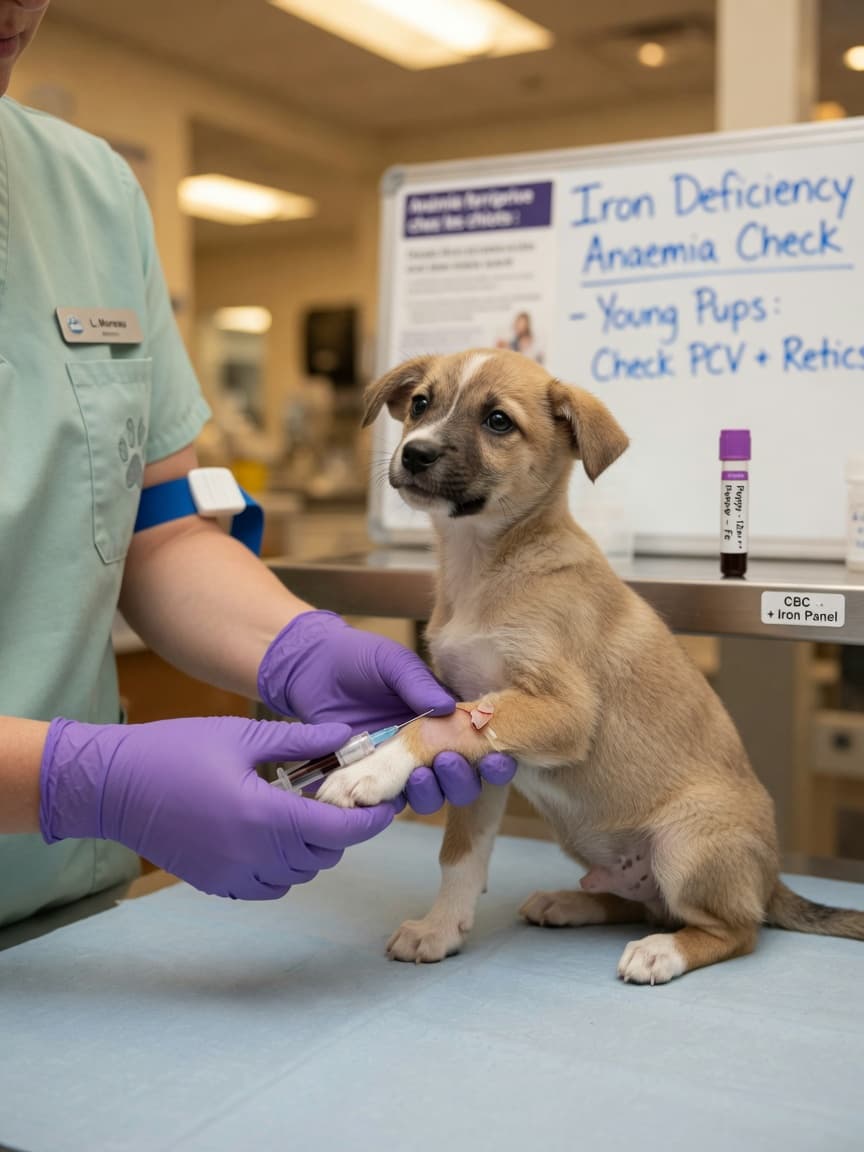
Understanding Anaemia in Dogs and Cats
Anaemia is not a diagnosis in itself but a measurable consequence of an underlying problem — a reduction in the number of red blood cells or in the haemoglobin they carry. Iron deficiency anaemia is one specific type, and while it is less common in pets than in humans, it does occur and can cause significant health problems if left untreated.
Haemoglobin is the iron-containing protein within red blood cells that carries oxygen from the lungs to tissues throughout the body. When iron levels are insufficient, the body cannot produce adequate haemoglobin, and the resulting red blood cells are smaller and paler than normal — a pattern pathologists call microcytic hypochromic anaemia. Understanding what causes this depletion, what signs it produces, and how it is treated is important for pet owners and an area where early recognition genuinely changes outcomes.
How Iron Deficiency Develops in Pets
The most frequent cause of iron deficiency anaemia in dogs and cats is chronic blood loss. This is a critical distinction from the situation in humans, where dietary inadequacy is relatively common. In companion animals fed commercially balanced diets, the diet itself rarely causes iron deficiency — the problem almost always points to blood being lost faster than the body can replenish it.
Common Sources of Chronic Blood Loss
- Gastrointestinal parasites, particularly hookworms in dogs and puppies
- Heavy flea infestations, especially in young or small animals
- Gastrointestinal ulcers or tumours causing slow internal bleeding
- Bleeding disorders affecting the clotting cascade
- Severe external wounds or surgical blood loss
- Repeated blood sampling in hospitalised patients
Hookworm infection deserves particular attention because it is especially dangerous in puppies. These parasites attach to the intestinal wall and actively ingest blood. A heavy burden can cause rapid and severe anaemia in young animals, sometimes within weeks of birth. Kittens can be similarly affected by certain nematode infections.
Dietary iron deficiency can occur in animals fed exclusively home-prepared diets that are nutritionally unbalanced, or in very young animals consuming only milk beyond the appropriate weaning age. Cow's milk is notably low in iron relative to the needs of growing puppies and kittens. Commercial puppy and kitten formulas and weaning foods are specifically formulated to address this.
Recognising the Signs
The signs of iron deficiency anaemia develop gradually in most cases, which is part of what makes it easy to overlook in the early stages. Animals are physiologically adept at compensating for mild anaemia by increasing heart rate and redistributing blood flow to essential organs, so obvious symptoms may not appear until the condition is moderate or severe.
Signs to Watch For in Dogs and Cats
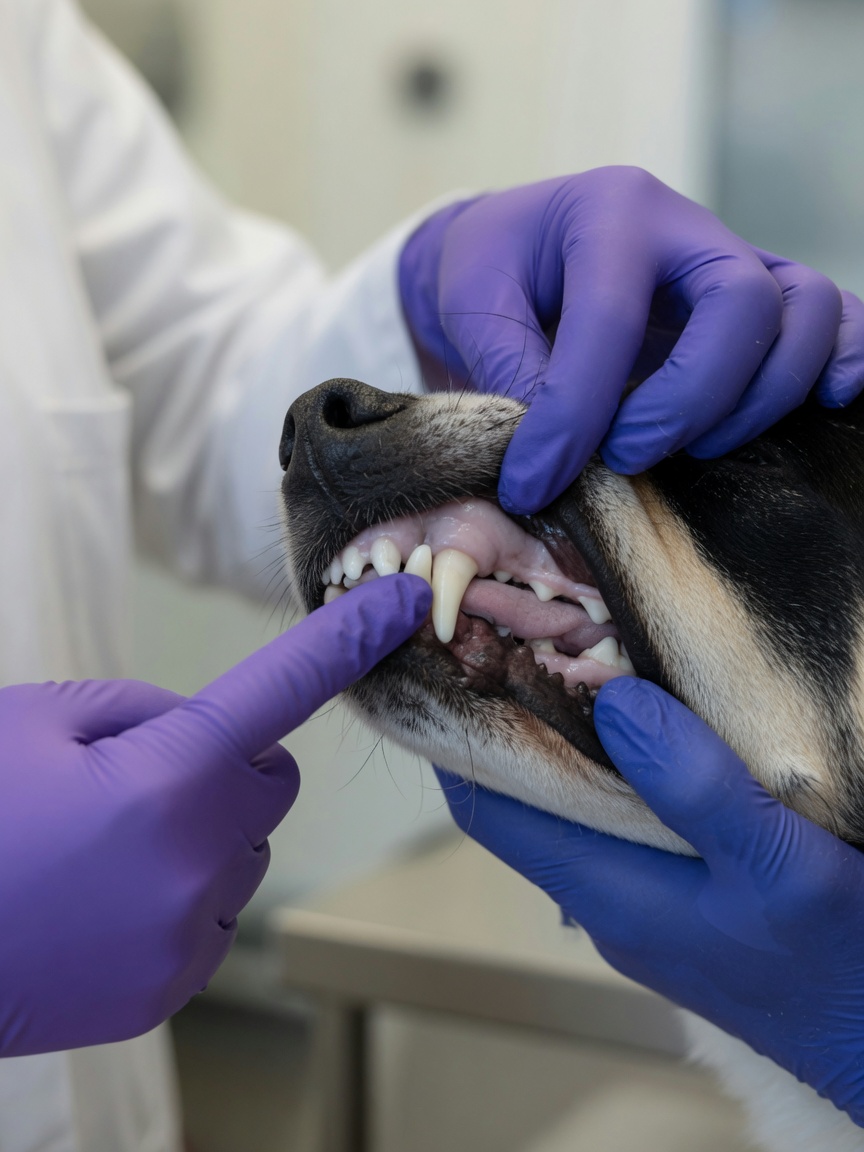
- Pale or white gums and inner eyelids (a reliable early indicator)
- Lethargy and reduced exercise tolerance
- Rapid or laboured breathing, especially after mild activity
- Weakness and reluctance to move
- Increased resting heart rate
- Poor coat condition and slow wound healing
- Pica — eating non-food items, sometimes including soil or faeces
Pica in anaemic animals is thought to reflect the body's attempt to source missing minerals from unconventional places, and while the evidence is not fully understood, it is a recognised behavioural sign that warrants investigation. Gum colour is the most accessible indicator for owners to check at home. Healthy gums should be a moist salmon pink. Any pallor, whiteness, or greyness is a reason to seek veterinary attention promptly.
Diagnosis and Veterinary Assessment
A vet will assess the animal clinically and confirm anaemia through a complete blood count (CBC). This test measures the packed cell volume (PCV) or haematocrit, haemoglobin concentration, red blood cell count, and the size and colour of individual red blood cells. Iron deficiency typically produces small, pale cells — giving the characteristic microcytic hypochromic pattern.
Additional tests may include serum iron and ferritin levels, total iron-binding capacity (TIBC), and a reticulocyte count to assess how actively the bone marrow is producing new red blood cells. Identifying the underlying cause is equally important — faecal examination for parasites, gastrointestinal imaging, endoscopy, or clotting tests may all be indicated depending on the clinical picture.
Treatment Approaches
Effective treatment has two simultaneous components: correcting the iron deficiency itself, and addressing the underlying cause of blood loss. Treating the deficiency without resolving the cause will result in recurrence.
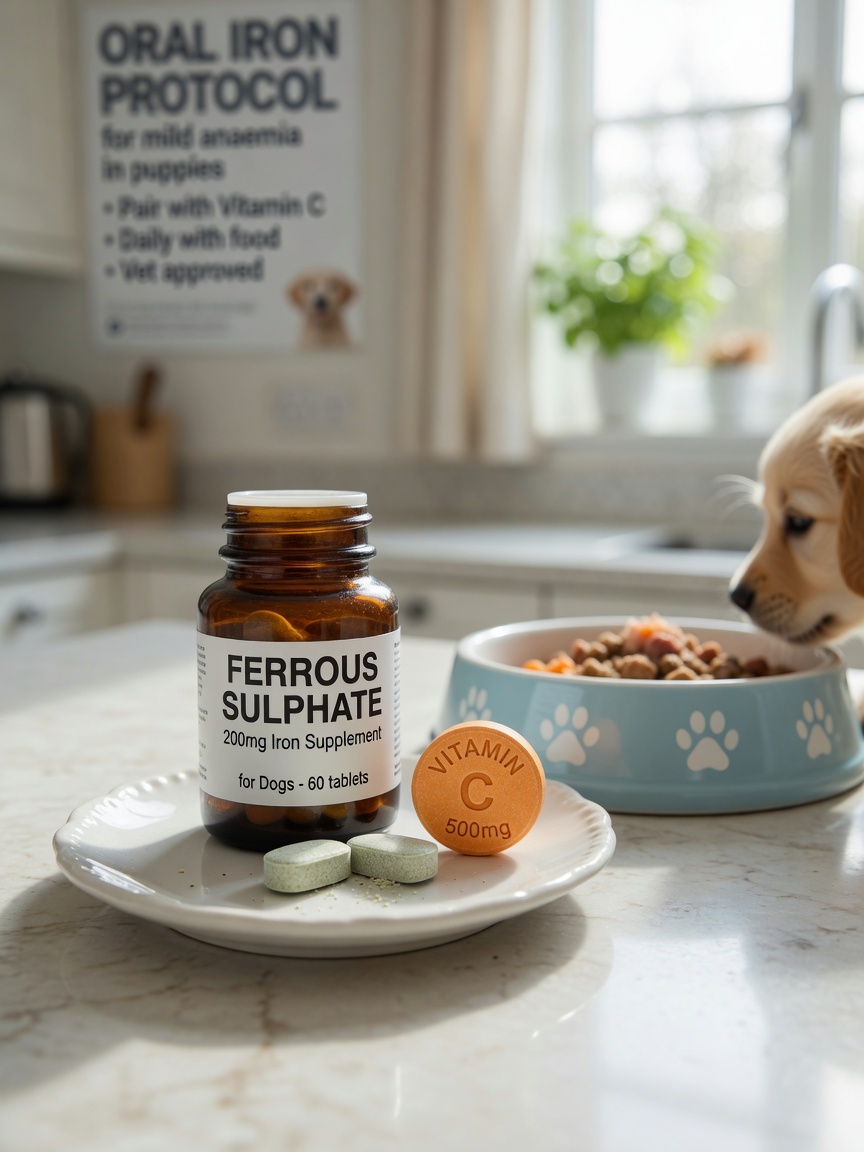
Oral iron supplementation using ferrous sulphate is the most common approach in mild to moderate cases. It is inexpensive and effective, though it can cause gastrointestinal upset — vomiting and dark stools are common. Giving the supplement with a small amount of food can help reduce nausea. Vitamin C, which enhances iron absorption, is sometimes given alongside oral iron in some veterinary protocols.
In severe anaemia, or where the gastrointestinal tract is the suspected site of blood loss (which may reduce oral absorption), injectable iron dextran can be used. This is particularly common in very young puppies with hookworm-related anaemia.
Blood transfusions may be required in life-threatening cases where the packed cell volume has fallen to critically low levels. This stabilises the patient while the underlying problem is treated and the bone marrow begins producing new cells.
Parasite treatment is often the most impactful single intervention. Appropriate deworming, flea control, and follow-up faecal testing to confirm parasite clearance should be part of every treatment plan where parasites are identified.
Recovery and Prevention
Most animals respond well to treatment once the cause is identified and iron stores are replenished. Blood values typically begin to improve within two to four weeks, though full normalisation of iron stores can take several months. Follow-up blood testing is important to confirm recovery and to catch any recurrence early.
Prevention is largely a matter of routine care: regular faecal parasite screening, year-round flea control, feeding nutritionally complete diets, and attending scheduled veterinary health checks. These simple measures address the most common underlying causes and offer the most reliable protection against iron deficiency anaemia recurring.