
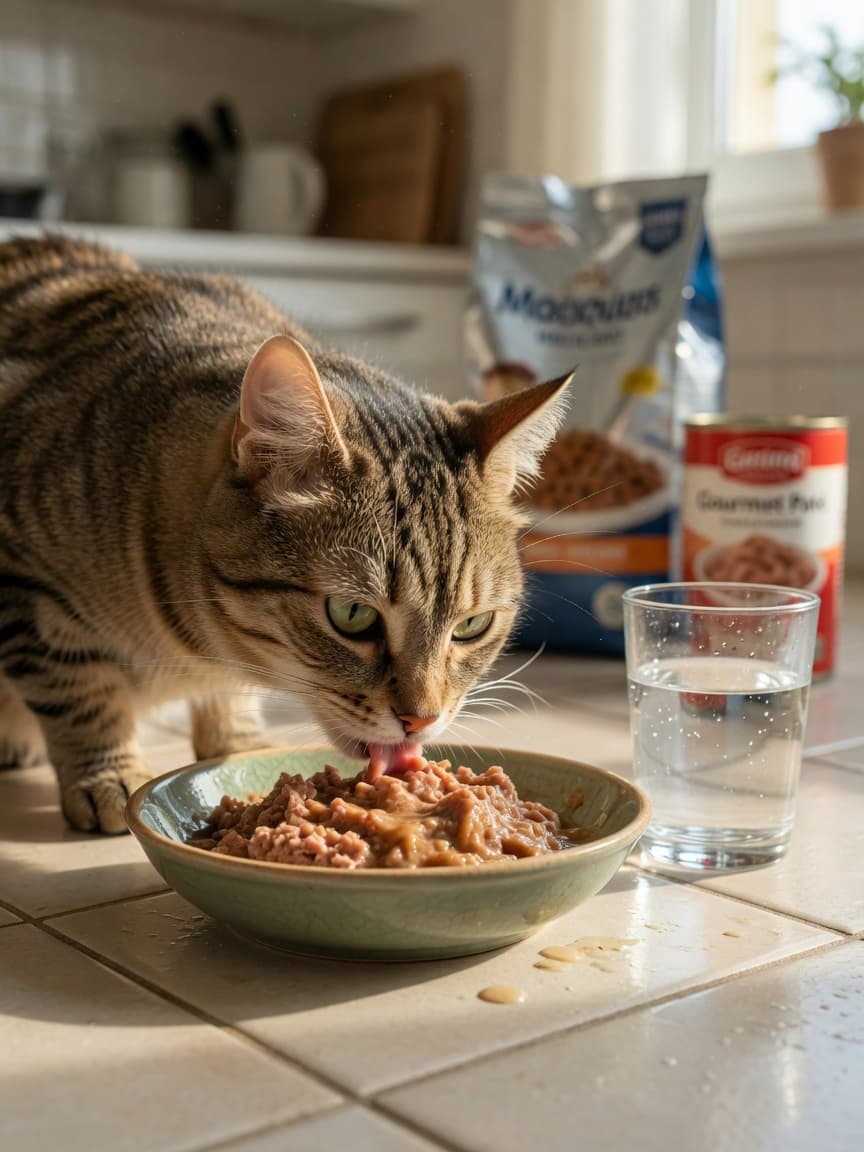
Cats Were Not Designed to Drink Much Water — and That Is the Problem
Domestic cats evolved from desert-dwelling ancestors who obtained most of their moisture from prey. A mouse is approximately 70% water. Dry kibble is approximately 10%. This mismatch between biology and bowl has real consequences, particularly for kidney function and urinary tract health over a cat's lifetime. The wet-versus-dry debate is not a matter of preference — it is a nutritional question worth examining seriously.
Hydration: The Core Argument for Wet Food
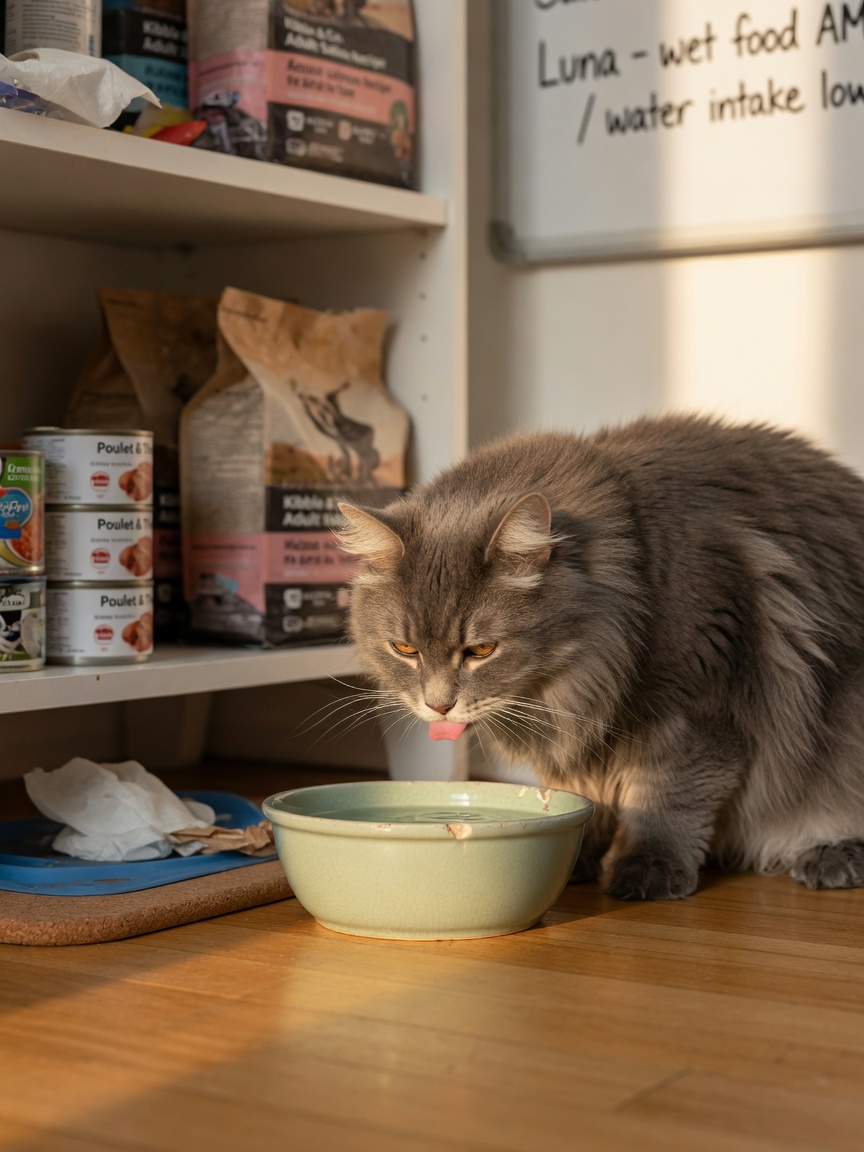
Cats have a notoriously low thirst drive compared to dogs and humans. Studies have shown that cats fed exclusively dry food consume significantly less total water — even accounting for voluntary drinking — than cats on wet diets. Chronic low-level dehydration concentrates urine, which over years contributes to crystal formation, feline idiopathic cystitis, and accelerated kidney decline.
Wet food, typically containing 75–82% moisture, effectively forces hydration with every meal. For cats who are reluctant drinkers, or who have already been diagnosed with early-stage chronic kidney disease, this alone represents a compelling reason to incorporate wet food into the diet.
Kidney Function and the Long-Term Evidence
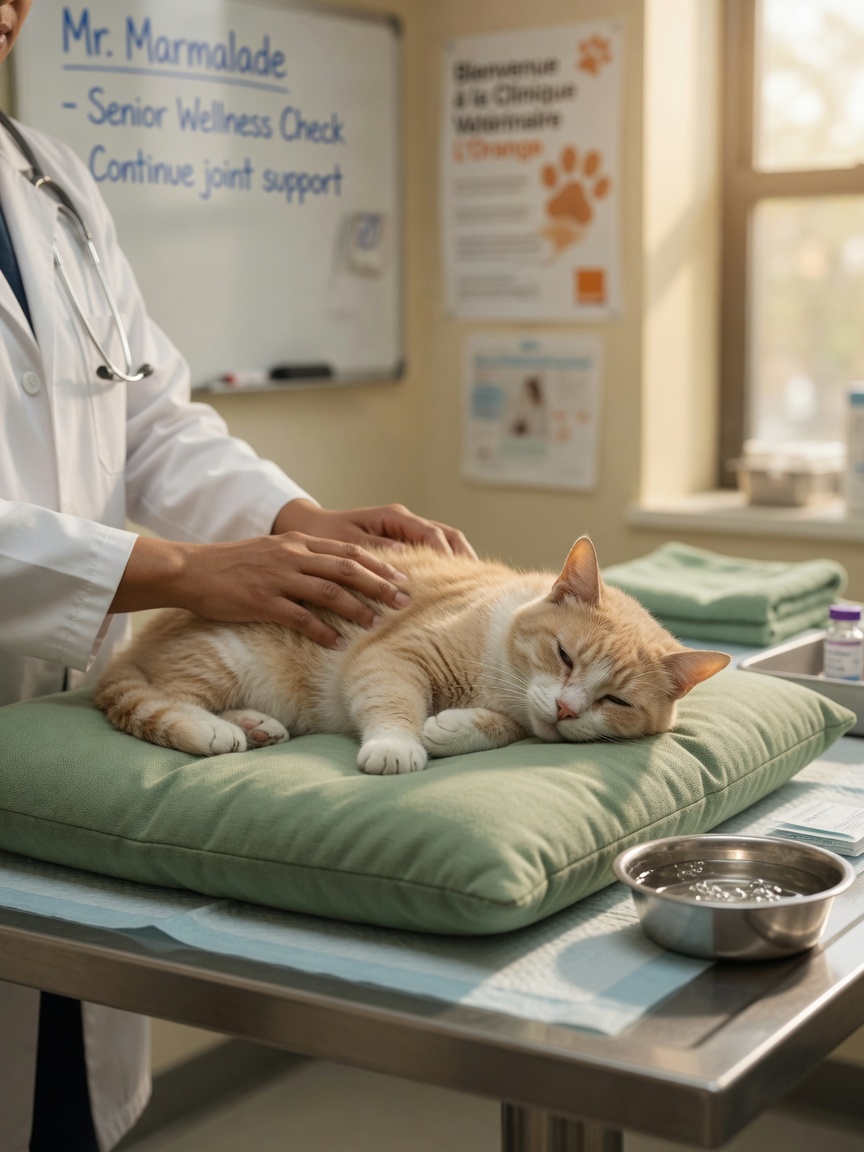
Chronic kidney disease affects an estimated 30–40% of cats over the age of ten. While genetics and other factors play a role, dietary moisture intake is widely considered a modifiable risk factor. Veterinary nephrologists often recommend transition to wet or high-moisture diets at the first sign of elevated kidney values, and increasingly as a preventive measure in middle-aged cats regardless of current bloodwork.
The mechanism is straightforward: well-hydrated kidneys filter more efficiently, experience less oxidative stress, and maintain tubular function longer. Waiting until disease is established before addressing hydration is a missed opportunity.
Dental Health: The Dry Food Argument Examined
The most frequently cited advantage of dry food is dental benefit — the theory being that crunchy kibble scrubs tartar from teeth. The evidence for this is weak. Most cats swallow kibble whole or shear it with minimal chewing surface contact. Studies comparing dental health between dry-fed and wet-fed cats show inconsistent results.
What Actually Helps Feline Dental Health
Effective dental care for cats comes from enzymatic dental chews specifically designed for oral health, tooth brushing (ideally from kittenhood), and regular professional scaling under anaesthetic. Relying on dry food to maintain dental hygiene is not a sound strategy and should not be a primary reason to avoid wet food.
Nutritional Density and Calorie Management
Dry food is calorically dense. It is easy to overfeed, and many cats graze freely throughout the day on it. Obesity in cats carries serious health risks including hepatic lipidosis and diabetes mellitus. Wet food, with its higher moisture content and lower caloric density per gram, tends to produce greater satiety for fewer calories — an advantage in weight management.
That said, not all wet foods are nutritionally complete. Some pate and broth-style products are labelled as complementary, meaning they cannot serve as a sole diet. Checking the nutritional adequacy statement is essential regardless of format.
A Practical Approach: Combining Both Formats
A mixed feeding approach — wet food as the dietary foundation with dry food used sparingly or as enrichment — captures the hydration benefits of wet food while offering some practical advantages of kibble such as convenience and longer shelf life once opened compared to wet cans.
- Aim for wet food to constitute at least 50–70% of total daily intake where possible
- For cats over seven years old, discuss kidney-supportive diets with your vet proactively
- Add water or low-sodium broth to wet food if your cat tolerates it, to increase moisture further
- Avoid leaving wet food out for extended periods — discard after 30–40 minutes to prevent bacterial growth
- Transition gradually over 7–10 days to avoid digestive upset or food refusal
The choice between wet and dry food is not all-or-nothing, but given what we know about feline hydration biology, erring towards moisture-rich feeding is supported by the balance of current evidence. Speak to your vet if your cat has existing urinary or kidney concerns before making significant dietary changes.