
The UPF Debate Has a Canine Parallel
The evidence that ultra-processed foods drive poor health outcomes in humans has become difficult to ignore. Large cohort studies associate high UPF consumption with obesity, metabolic dysfunction, cardiovascular disease, and all-cause mortality. The question that follows — one that pet food researchers are beginning to take seriously — is whether the same problem exists for dogs eating diets composed almost entirely of highly processed ingredients. The answer appears to be: probably yes, though the evidence base is younger and less complete.
What Makes a Pet Food Ultra-Processed
The NOVA classification system, developed by researchers at the University of Sao Paulo, defines ultra-processed foods by the degree of industrial processing and the presence of additives not found in home cooking: emulsifiers, flavour enhancers, artificial colours, texture agents, and preservatives added not for food safety but for palatability, shelf life, and product consistency. Applied to pet food, this framework places most standard dry kibble firmly in the ultra-processed category. The ingredients have typically been subjected to high-heat extrusion, rendering, or spray-drying processes that alter protein structure, destroy heat-sensitive nutrients, and require synthetic vitamin and mineral supplementation to compensate for what was lost.
The Specific Concerns
Advanced Glycation End Products
High-heat processing generates compounds called advanced glycation end products, or AGEs, formed when proteins and sugars react under heat. AGEs have been associated with inflammation, accelerated ageing, and organ damage in multiple species. Dogs consuming kibble-only diets have measurably higher circulating AGE levels than dogs fed raw or minimally processed diets, according to studies including a 2018 paper in the journal Veterinary Sciences. The long-term clinical significance of this difference is not fully characterised, but the mechanistic concern is plausible.
Synthetic Additive Load
Many standard kibbles contain artificial preservatives, synthetic antioxidants such as ethoxyquin and butylated hydroxyanisole, and flavour palatants added to compensate for poor ingredient quality. Some of these compounds have raised concerns in rodent toxicology studies at high doses, though the doses dogs consume through diet are typically far lower. The cumulative effect of lifelong exposure to a cocktail of synthetic additives has not been adequately studied.
Carbohydrate Proportion
Dry kibble typically contains 30 to 60 per cent carbohydrate, far exceeding what dogs would encounter in evolutionary dietary contexts. Dogs are facultatively omnivorous and have adapted some capacity to digest starch, but the high-glycaemic load of many kibbles is a concern in the context of canine obesity — now estimated to affect 40 to 59 per cent of the dog population in the UK and US — and emerging research into canine diabetes and metabolic syndrome.
Microbiome Effects
The gut microbiome of dogs fed ultra-processed diets differs measurably from that of dogs fed fresh, minimally processed food. Research published in BMC Veterinary Research in 2022 found that dogs transitioned to fresh food diets showed increased microbial diversity and shifts toward bacteria associated with lower inflammatory markers. The microbiome implications connect directly to the gut-brain axis discussed in a companion article.
What the Alternatives Look Like
This is not an argument that all kibble is harmful or that owners must overhaul their pets' diets immediately. Processing exists for good reasons: convenience, cost, and the significant microbiological risks associated with raw feeding if not handled correctly. The goal is informed decision-making, not dogmatism.
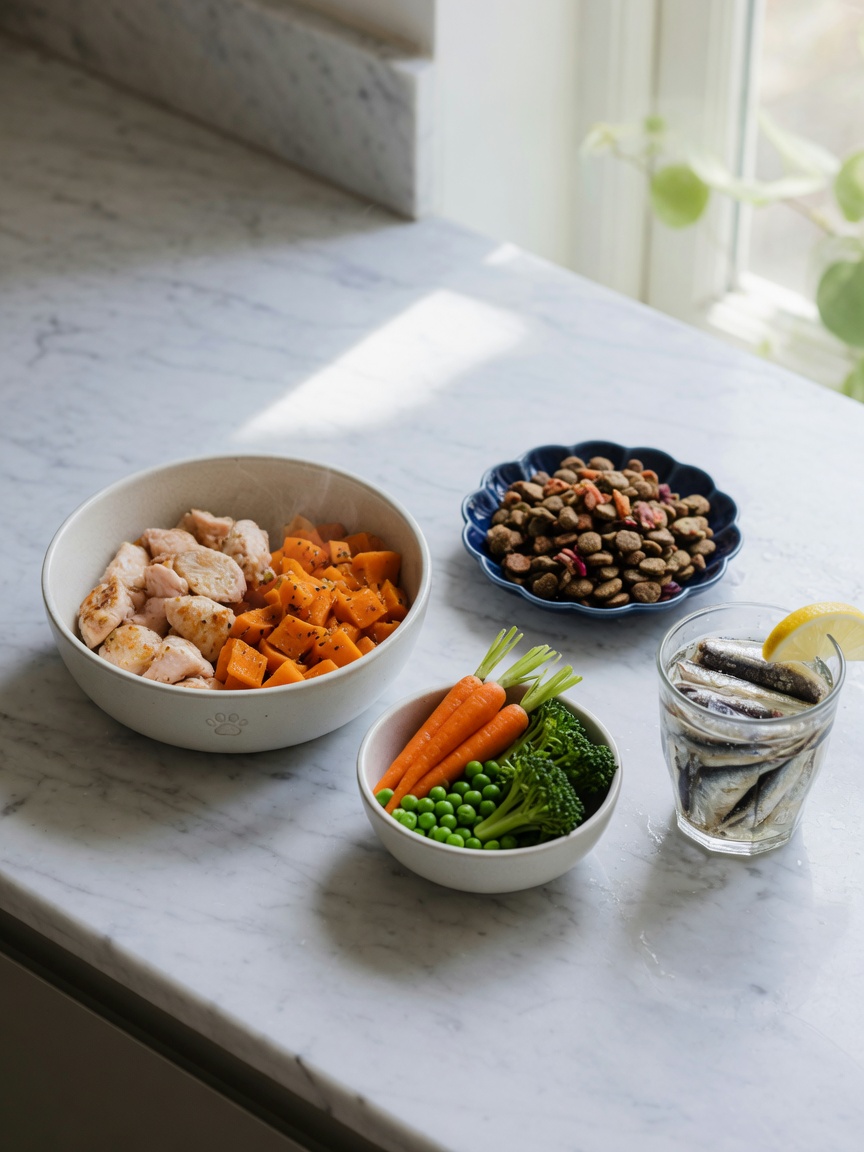
- Gently cooked fresh pet food — either commercial or carefully home-prepared with veterinary nutritionist input — avoids extrusion while reducing pathogen risk.
- Cold-pressed kibble uses lower processing temperatures than extruded kibble, preserving more nutrient integrity.
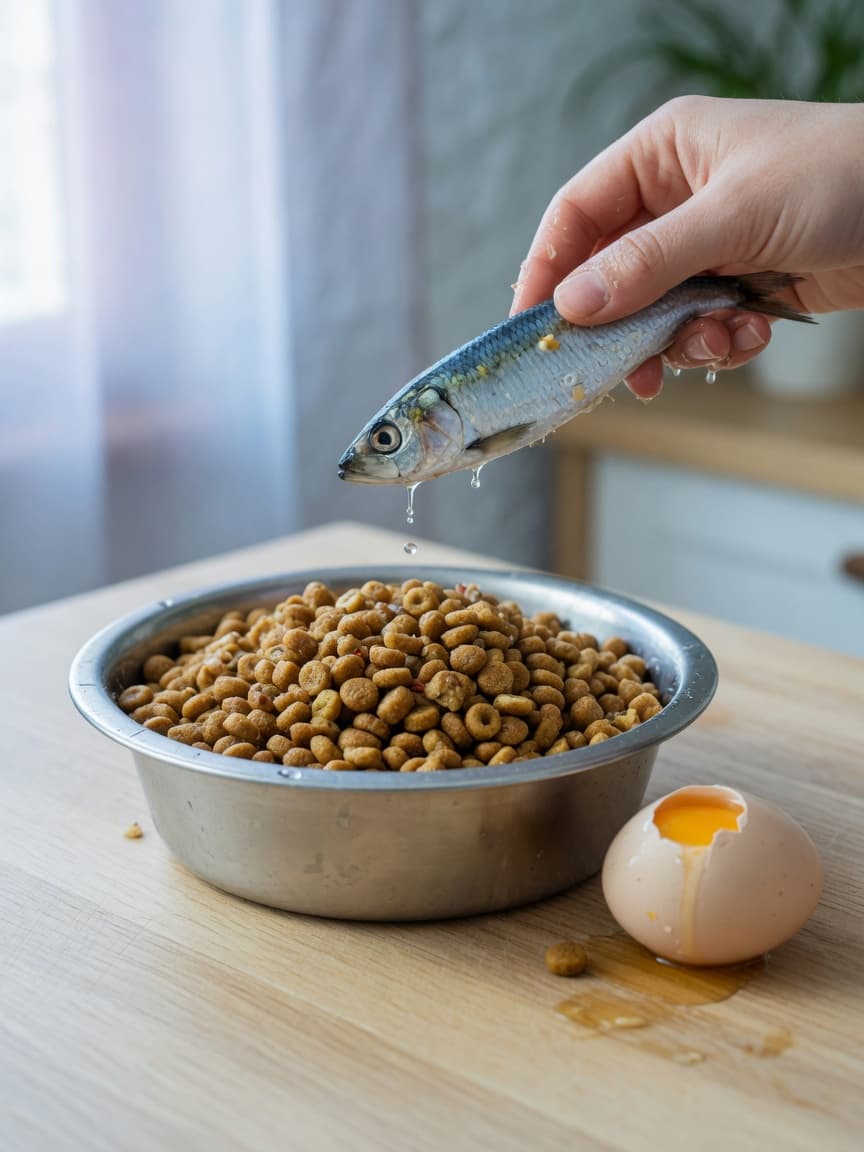
- Adding minimally processed whole foods — cooked vegetables, eggs, sardines in water — to a kibble base may partially offset some of the ultra-processed diet disadvantages, though evidence for this specifically is limited.
- If choosing kibble, selecting products with named whole protein sources in the top three ingredients, limited synthetic additive lists, and no artificial colours is a reasonable baseline.
A Note on Cost and Practicality
Fresh and minimally processed pet foods cost significantly more than standard kibble. This is a genuine barrier and should be acknowledged rather than glossed over. Partial substitution — replacing one meal per day with fresh food — may offer some benefit at manageable cost. Any significant dietary change, particularly for dogs with existing health conditions, should be discussed with your vet or a qualified veterinary nutritionist before implementation.
The Direction of Travel
Pet food regulation is evolving. The European Union's Farm to Fork strategy has begun to consider pet food processing standards, and several research groups are actively working to establish a NOVA-equivalent classification for animal feed. The science is not yet where it needs to be to make firm clinical recommendations, but the direction of evidence is consistent: the degree of processing matters, and dogs eating highly processed food their entire lives appear to carry measurable physiological costs. Staying informed and asking better questions of pet food labels is a reasonable place to start.