
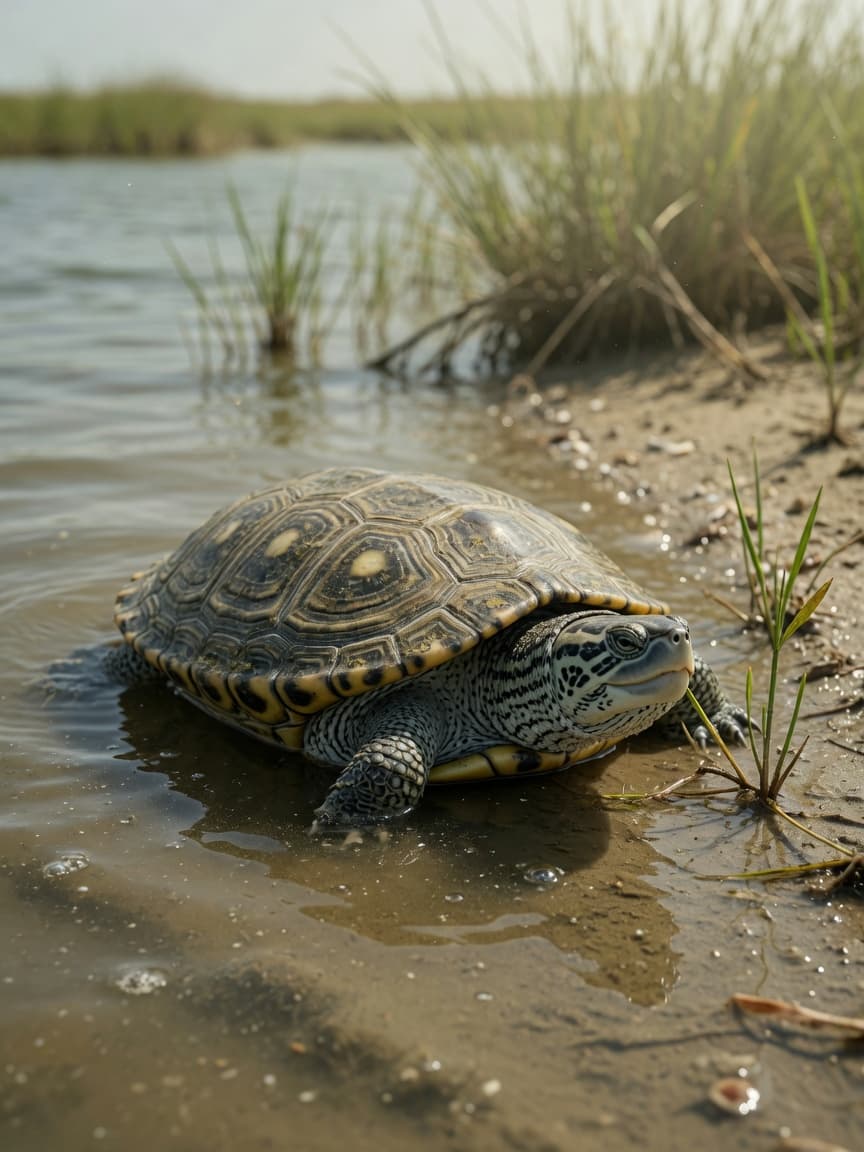
Diamondback terrapins are captivating creatures with their distinctive diamond-patterned shells and intriguing semi-aquatic lifestyle. However, before you decide to bring one home, it's essential to understand what caring for these remarkable reptiles truly involves. These turtles are protected in many regions and require very specific environmental conditions, expert-level husbandry knowledge, and a long-term commitment spanning 40+ years. This comprehensive guide will help you determine whether a diamondback terrapin is the right pet for you.
Understanding the Diamondback Terrapin
The diamondback terrapin is a medium-sized turtle native to coastal saltwater and brackish marshes along the eastern coast of North America. They're instantly recognisable by their domed shell featuring a distinctive diamond-shaped pattern and their strong, powerful jaws adapted for crushing hard-shelled prey like clams and mussels.
- Adult size: 5-9 inches (females larger than males)
- Lifespan: 40-70 years in captivity
- Habitat preference: Saltwater and brackish estuaries
- Diet: Carnivorous (molluscs, crustaceans, fish)
- Activity level: Semi-aquatic (spend time both in water and on land)
Legal Considerations and Welfare Concerns
Before purchasing a diamondback terrapin, research your local and regional regulations thoroughly. Many locations have protection laws or collection bans due to population decline and habitat loss. In the UK, terrapins can be legally kept, but importing specimens may be restricted under CITES regulations.
Additionally, most diamondback terrapins in the pet trade are wild-caught, which raises serious ethical concerns about sustainability and individual animal welfare. Captive breeding programmes are limited, making sourcing ethically problematic.
Housing and Environmental Requirements
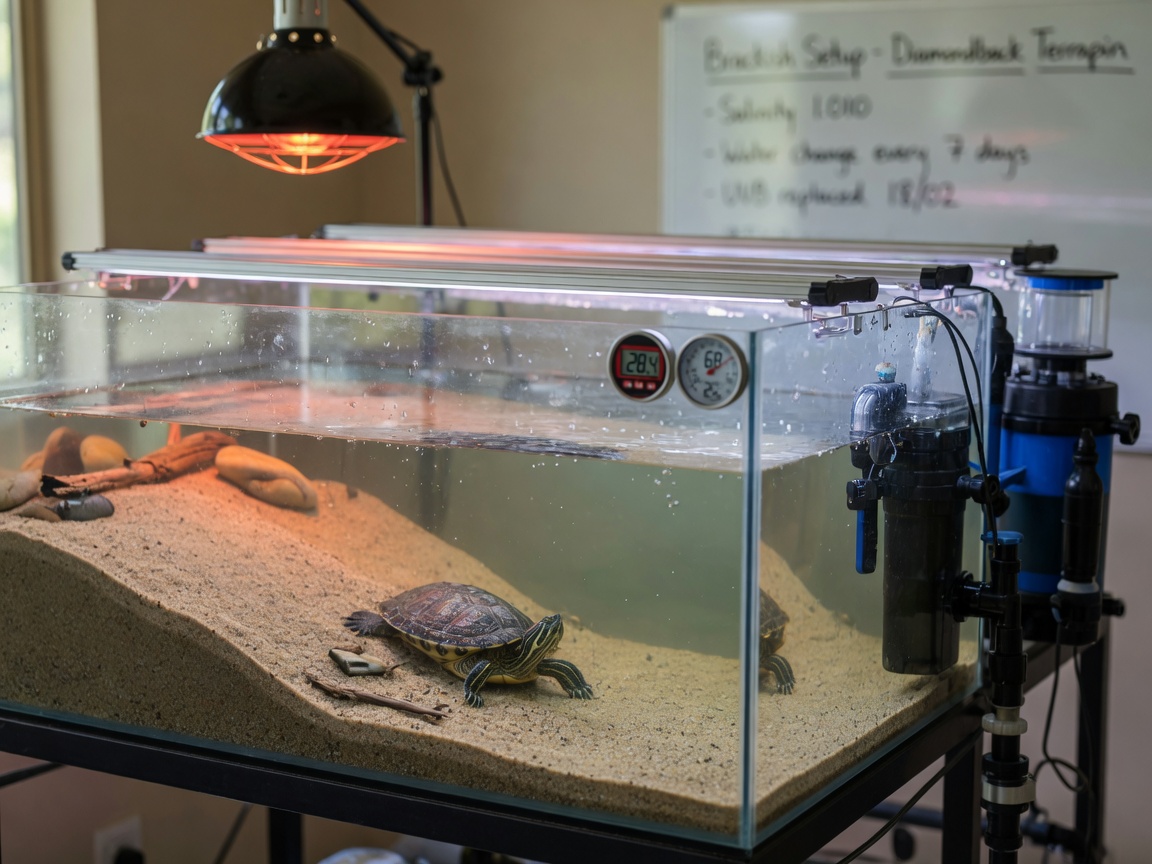
Creating an appropriate environment for a diamondback terrapin is complex and expensive. These are not "simple" pet turtles—they have highly specific needs:
- Water conditions: Brackish water (mixture of saltwater and freshwater) at specific gravity levels, temperature-controlled between 24-28°C
- Tank size: Minimum 75 gallons, though 150+ gallons is recommended for long-term health
- Filtration: Robust biological and mechanical filtration to maintain water quality
- Land area: Sloped basking areas with heating lamps (32-35°C) and UVB lighting
- Substrate: Sand or fine gravel suitable for burrowing during hibernation
Nutritional and Dietary Needs
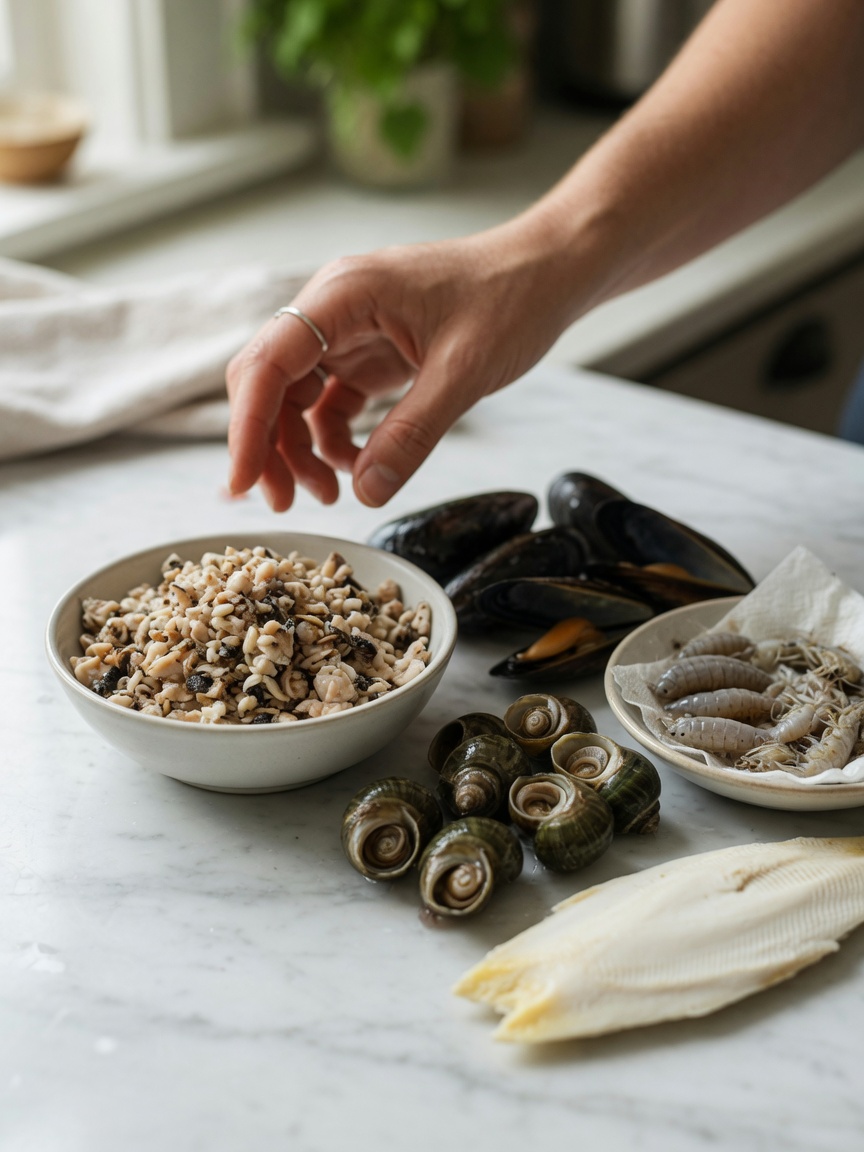
Diamondback terrapins are specialised carnivores requiring live or fresh prey. Commercial turtle pellets alone are insufficient. You'll need access to:
- Crushed clams and mussels (their primary natural food)
- Freshwater snails and aquatic insects
- Small fish and crustaceans
- Occasional cuttlebone for calcium supplementation
Sourcing appropriate fresh food regularly can be challenging and costly, particularly in areas far from coastal regions.
Health and Veterinary Care
Diamondback terrapins require specialist reptile veterinary care from vets experienced with aquatic turtles. Common health issues include shell rot, respiratory infections, metabolic bone disease, and parasitic infections. Finding qualified veterinary support in many regions is genuinely difficult, and emergency care can be prohibitively expensive.
Is a Diamondback Terrapin Right for You?
A diamondback terrapin is appropriate only if you can commit to:
- 40+ years of dedicated, expert-level care
- Substantial financial investment (thousands of pounds for setup and ongoing maintenance)
- Sourcing ethically—ideally from captive-bred specimens (extremely rare)
- Maintaining precise water chemistry and environmental conditions
- Providing access to specialist veterinary care
- Meeting legal requirements in your region
Key Takeaways
Whilst diamondback terrapins are undeniably fascinating, they're not suitable pets for most people. Their complexity, lengthy lifespan, specialised environmental needs, and ethical concerns make them a choice reserved for experienced herpetoculturists with genuine expertise. If you're drawn to the idea of turtle ownership, consider more appropriately domesticated species like red-eared sliders or European pond terrapins instead. If you specifically love diamondbacks, support conservation efforts and habitat restoration as an alternative way to appreciate these remarkable creatures.