
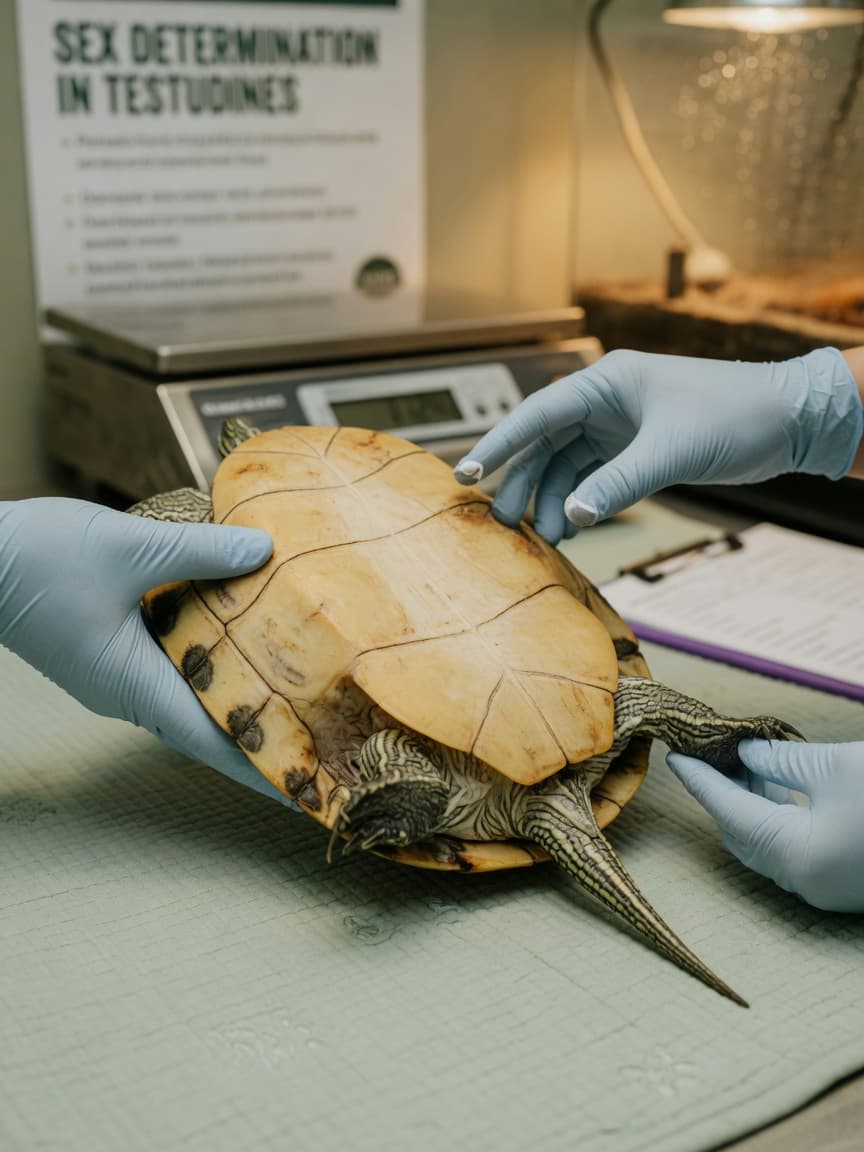
Whether you're a seasoned turtle keeper or considering adopting your first shelled companion, understanding your pet's gender is an essential part of responsible reptile care. Unlike many other pets, determining whether your turtle is male or female requires careful observation and knowledge of specific physical and behavioural characteristics. This guide will help you confidently identify your turtle's sex, which is crucial for appropriate housing, social interaction, and long-term health management.
Why Knowing Your Turtle's Gender Matters
Determining your turtle's gender isn't merely academic. Male and female turtles have different social needs, dietary requirements, and health considerations. For instance, female turtles require specific conditions to lay eggs successfully, whilst males may display territorial or aggressive behaviour during breeding seasons. Knowing the sex of your turtle allows you to provide appropriate environmental enrichment and anticipate potential health issues particular to each gender.
Examining the Shell and Body Shape
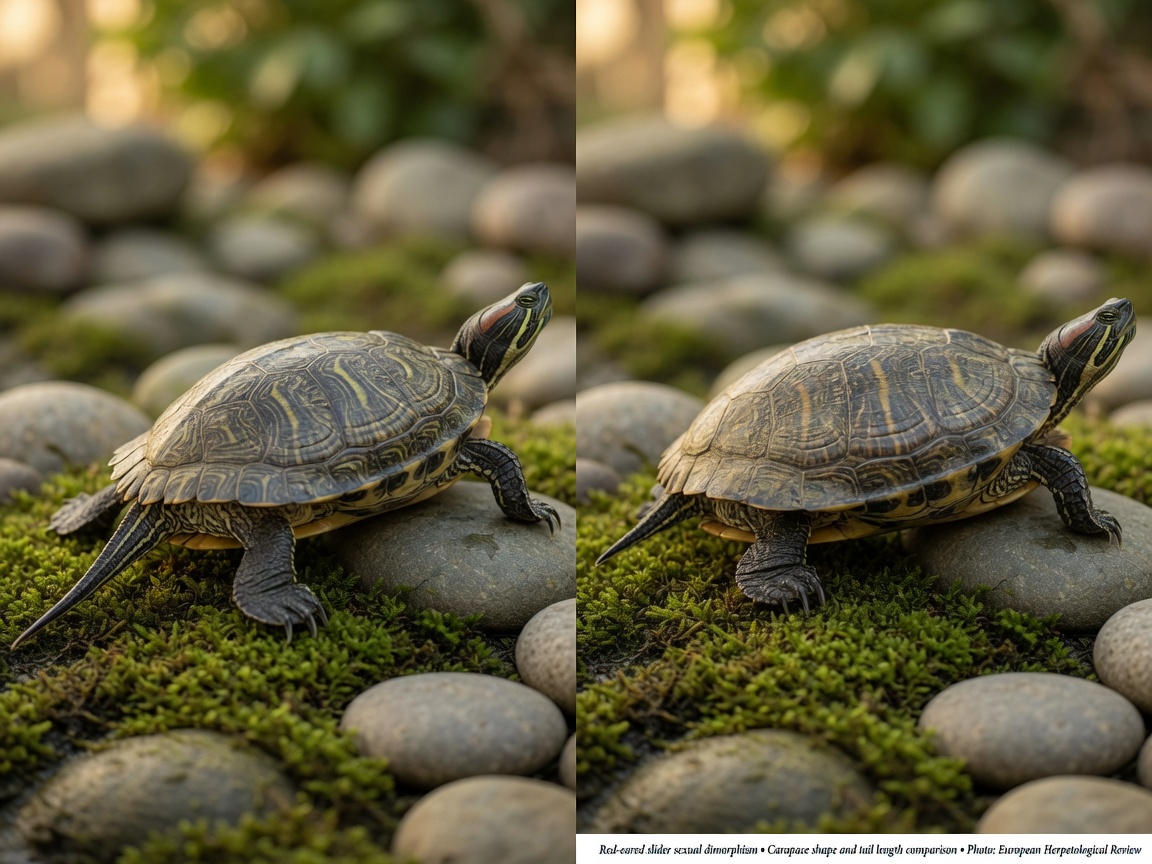
One of the most straightforward methods involves observing overall body structure:
- Shell shape: Males typically have a more elongated, narrower shell, whilst females tend to have a broader, rounder carapace to accommodate egg production
- Shell thickness: Female shells are generally thicker and more domed to provide extra space for developing eggs
- Plastron (underside): Males usually have a concave plastron, which aids in reproduction, whilst females have a flat or slightly convex plastron
- Overall size: Females often grow larger than males of the same species, though this varies considerably between turtle types
Observing the Tail and Cloacal Features
The tail area provides the most reliable indicators of gender. Examine these characteristics:
- Tail length: Males possess noticeably longer, thicker tails that extend well beyond the shell edge, whilst females have shorter, thinner tails that barely protrude
- Cloaca position: The cloaca (the opening used for reproduction and waste) is located further from the body in males and closer in females
- Anal scutes: The bony plates on the plastron form a V-shape in males and a U-shape in females
Assessing Colour and Behavioural Patterns
Some species display additional distinguishing characteristics:
- Colouration: In certain species like red-eared sliders, males often develop more vibrant colours, particularly on the face and front legs
- Claw length: Males typically have longer, more prominent claws on their front feet, which they use during courtship displays
- Head size: Males generally have proportionally larger heads with stronger jaw muscles
Behavioural clues can also help, particularly during breeding season. Males may exhibit arm-waving displays, increased activity, or aggressive posturing, whilst females may display restlessness and seek suitable nesting materials.
When to Seek Professional Help
Determining turtle gender can be challenging, especially in juveniles where sexual dimorphism isn't fully developed. If your turtle is young or you're uncertain about your observations, consult a reptile veterinarian. They can provide definitive identification and offer guidance specific to your turtle's species and individual needs.
Key Takeaways
Identifying your turtle's gender involves examining multiple physical features, particularly the tail length, plastron shape, and cloaca position. Females typically have broader shells, shorter tails, and U-shaped anal scutes, whilst males possess longer tails, concave plastrons, and V-shaped anal scutes. Remember that these characteristics vary between species, so research your specific turtle type. When in doubt, your veterinarian remains your best resource for accurate gender determination and species-specific care advice.