
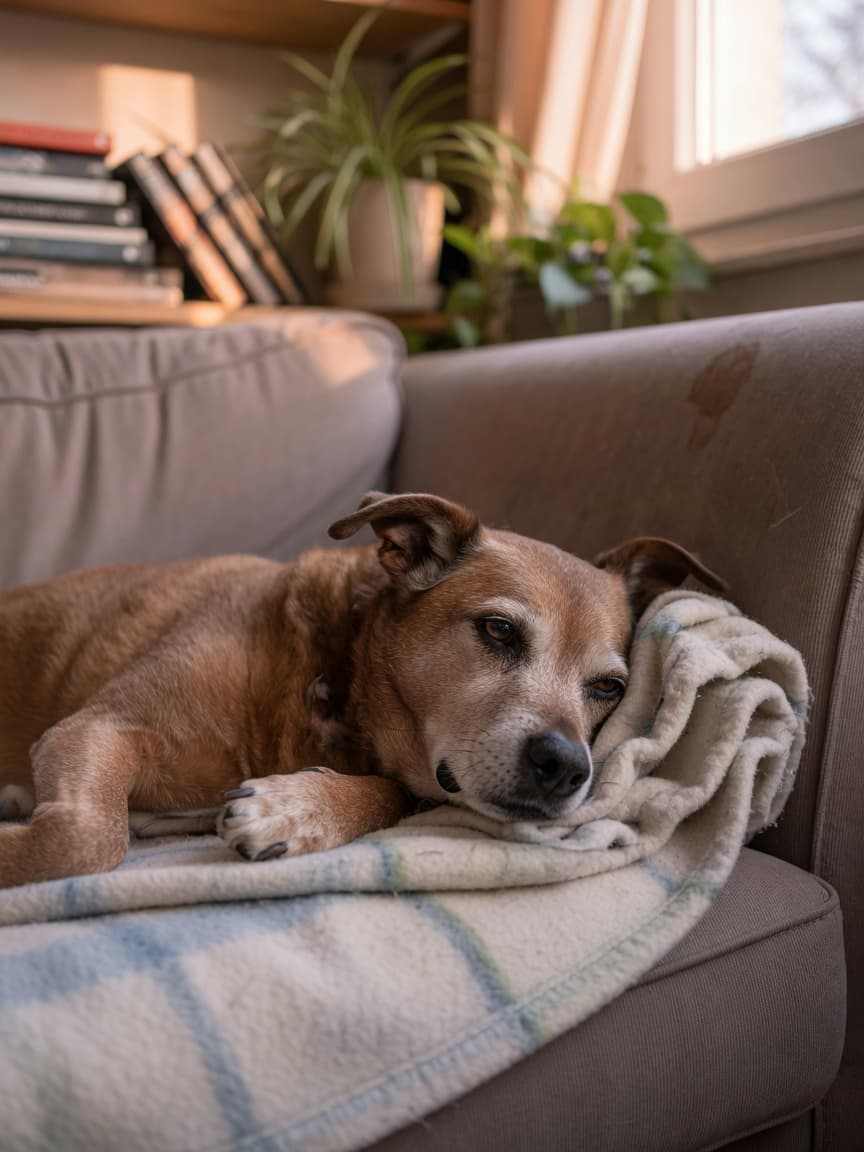
Why Age 7 Is a Turning Point for Your Dog
The moment your dog crosses the seven-year threshold, their body begins a quiet but significant shift. Cellular repair slows, organ efficiency declines, and the metabolic processes that once ran like clockwork start requiring a little more maintenance. This does not mean your dog is old in the way we think of old — many dogs at seven are still energetic, playful, and in excellent health. But it does mean that what you do now will have an outsized impact on the years ahead.
Understanding which changes to make — and why — is the difference between a dog who ages gracefully and one who spends their later years managing preventable conditions.
1. Move to Twice-Yearly Veterinary Checks
Annual check-ups are fine for young dogs, but senior dogs age roughly four to five times faster than humans. A year between vet visits is the equivalent of skipping four or five years of your own health checks. Biannual appointments allow your vet to catch early-stage kidney disease, heart murmurs, diabetes, and thyroid dysfunction before they become difficult to manage.
2. Switch to a Senior-Formulated Diet
Senior dog foods are not marketing gimmicks. They typically contain lower phosphorus levels to protect kidney function, adjusted calorie counts to prevent weight gain, and higher levels of antioxidants to support cellular health. Look for formulations with omega-3 fatty acids from fish oil, which have well-documented anti-inflammatory properties relevant to ageing joints and brain health.
3. Monitor Weight More Closely Than Ever
Obesity in senior dogs accelerates nearly every age-related condition, from arthritis to cardiovascular disease to insulin resistance. At the same time, unexplained weight loss in an older dog is a significant red flag that warrants immediate veterinary attention. Weigh your dog monthly and keep a written record to share with your vet.
4. Adjust Exercise — Do Not Eliminate It
A common mistake is reducing a senior dog's exercise too dramatically. Regular movement is essential for maintaining healthy joints, cardiovascular function, and a stable weight. The adjustment should be in intensity, not duration. Shorter, more frequent walks on even ground are preferable to long, vigorous sessions. Swimming is an excellent low-impact option for dogs with joint issues.
5. Introduce Joint Supplementation
Glucosamine and chondroitin are the most studied joint supplements for dogs, and evidence supports their role in maintaining cartilage integrity and reducing inflammation. Omega-3 fatty acids, particularly EPA and DHA from marine sources, also show meaningful results in clinical studies. Begin supplementation before symptoms appear — joint degradation starts well before a dog shows outward signs of discomfort.
6. Prioritise Dental Health
Periodontal disease affects the majority of dogs over the age of three, and by seven, the accumulation of years of tartar can lead to serious systemic problems. Bacteria from infected gums enter the bloodstream and have been linked to cardiac and kidney damage in older dogs. Daily brushing combined with annual professional dental cleanings is the standard recommendation.
7. Update Their Environment
Physical changes like reduced muscle mass, stiffening joints, and declining vision can make a once-familiar home feel challenging. Orthopedic beds with memory foam reduce pressure on aching joints. Non-slip mats on hard floors prevent slipping and falls. Ramps or low steps near furniture and car boots remove the strain of jumping, which can cause acute spinal or joint injuries in older dogs.
8. Watch for Cognitive Changes
Canine cognitive dysfunction syndrome affects a significant proportion of dogs over ten, but subtle changes can begin earlier. These include altered sleep patterns, disorientation, reduced interaction, house soiling, and increased vocalisation at night. Diets enriched with medium-chain triglycerides and antioxidants have shown promise in supporting cognitive function, and your vet may discuss prescription options if symptoms are significant.
9. Stay on Top of Parasite Control
Senior dogs have less robust immune systems, making them more vulnerable to the effects of fleas, ticks, and intestinal parasites than younger animals. Continue year-round parasite prevention even if your dog seems healthy. Heartworm prevention remains critical regardless of age.
10. Know Your Dog's Baseline — and Watch for Deviations
You are the most important monitoring tool your senior dog has. Learn what is normal for them: how much they drink, how often they urinate, what their coat looks and feels like, how their appetite fluctuates. Any sustained deviation from that baseline — increased thirst, decreased appetite, changes in stool, reduced tolerance for exercise — should prompt a veterinary conversation. Early detection is the single most powerful tool you have.
Common Conditions to Screen for After Age 7
- Hypothyroidism, particularly in medium to large breeds
- Chronic kidney disease, which is often asymptomatic in early stages
- Diabetes mellitus, especially in overweight or obese dogs
- Heart disease, most common in small breeds and Cavalier King Charles Spaniels
- Cancer, which becomes statistically more likely with advancing age
- Degenerative joint disease and intervertebral disc disease
Breed Considerations Matter
Large and giant breeds are considered senior from six years old, while small breeds may not reach senior status until eight or nine. Brachycephalic breeds like Bulldogs and Pugs face amplified respiratory challenges as they age. Knowing your breed's specific vulnerabilities allows you to anticipate problems rather than react to them.
The years after seven can genuinely be among the most rewarding of your dog's life — a period of settled companionship and mutual understanding. The changes outlined above are not burdens. They are investments in the quality of every remaining year.