
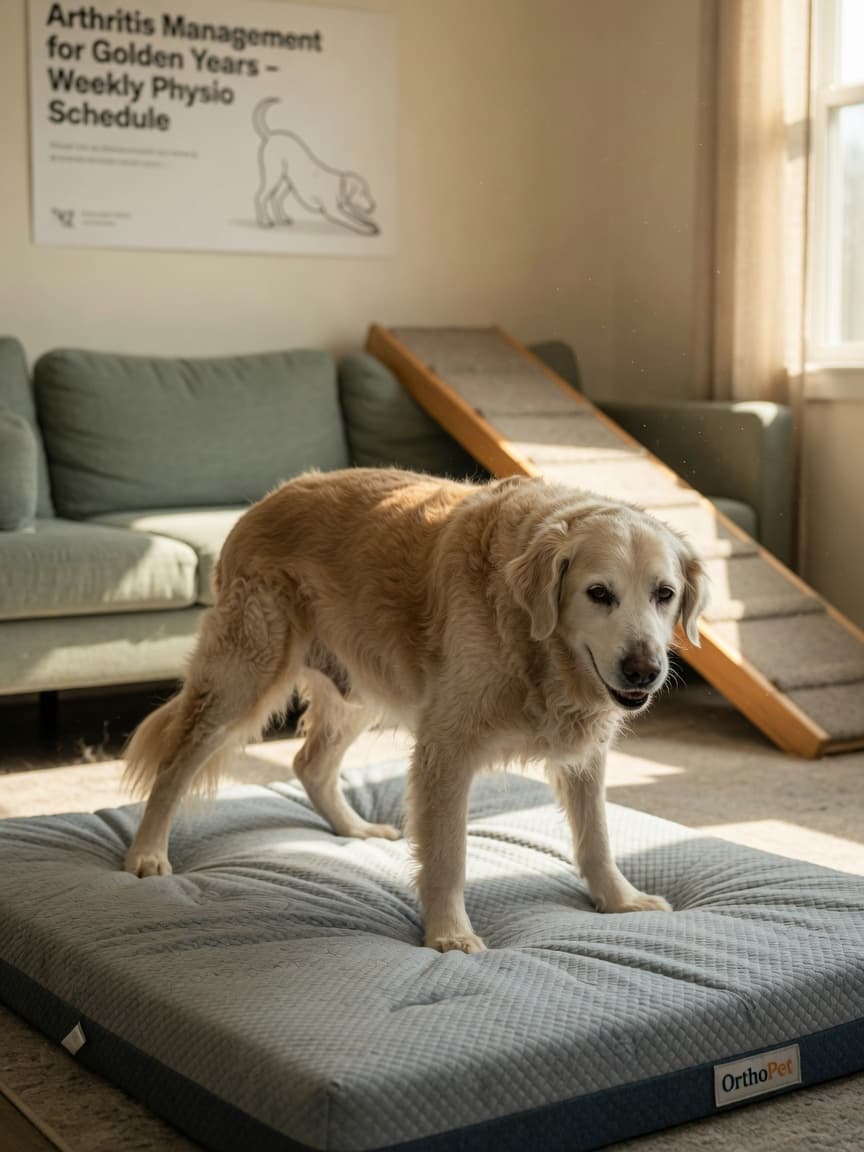
Understanding Arthritis in Older Dogs
Osteoarthritis — commonly referred to simply as arthritis — is a degenerative joint disease affecting cartilage, bone, and the surrounding soft tissue. As cartilage breaks down, bones begin to rub against each other, causing inflammation, pain, and progressive loss of joint function. It is estimated that one in five adult dogs is affected, and the prevalence rises sharply with age.
Despite this, arthritis in dogs is frequently underdiagnosed and undertreated. Dogs are stoic animals that instinctively mask pain, and many owners interpret the gradual slowing down of an older dog as an inevitable part of ageing rather than a manageable medical condition.
Recognising the Signs of Canine Arthritis
Signs of arthritis in dogs can be subtle, particularly in the early stages. They may include stiffness after rest that eases with gentle movement, reluctance to use stairs or jump into the car, reduced enthusiasm for walks, sleeping more than usual, altered gait, or licking and chewing at specific joints. Some dogs become irritable or less tolerant of being touched in certain areas — this is a pain response, not a behavioural problem.
If you notice any of these changes, consult your vet rather than assuming it is just ageing. A proper diagnosis, which may include X-rays and a pain assessment, allows for an appropriate treatment plan to be put in place.
Why Weight Is the Most Impactful Factor
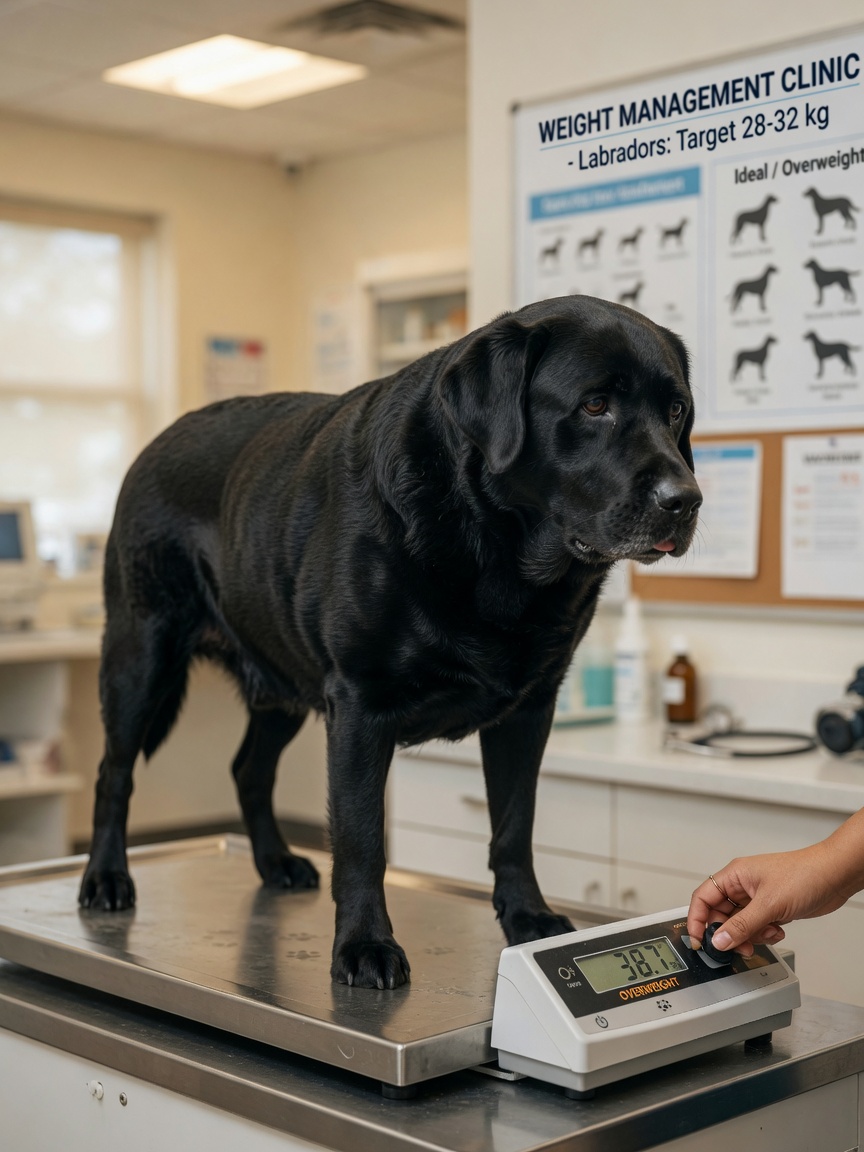
Of all the factors that influence arthritis severity and progression, bodyweight is the single most impactful one within an owner's control. Excess weight places additional mechanical load on already compromised joints, accelerates cartilage breakdown, and contributes to inflammation through the release of pro-inflammatory adipokines from fat tissue.
Studies have shown that even modest weight loss — as little as 6 to 8 per cent of body weight — can lead to significant and measurable improvements in mobility and pain scores in arthritic dogs. Before adding any medication or supplement, discuss your dog's weight with your vet. A tailored weight loss plan may be one of the most effective treatments you can implement.
Multimodal Pain Management
Arthritis in dogs is best managed using a multimodal approach — combining several different treatments that address pain through different mechanisms. Relying on a single therapy is rarely as effective as combining approaches tailored to the individual dog.
Librela (Bedinvetmab)
Librela is a monthly injectable treatment that represents a significant advance in the management of canine osteoarthritis pain. It is a monoclonal antibody that works by targeting and neutralising nerve growth factor (NGF), a key driver of chronic joint pain. Because it acts on a specific pain pathway rather than broadly suppressing inflammation, Librela has a distinct safety profile compared to traditional anti-inflammatory drugs.
Librela is administered by subcutaneous injection by your vet once a month and has been shown in clinical trials to significantly reduce pain and improve mobility. It is particularly valuable for dogs who cannot tolerate NSAIDs due to kidney, liver, or gastrointestinal issues. It is important to note that Librela should not be used in combination with NSAIDs — these are separate treatment options, not ones to combine.
NSAIDs (Non-Steroidal Anti-Inflammatory Drugs)
NSAIDs such as meloxicam, carprofen, and grapiprant have long been the mainstay of arthritis pain management in dogs. They reduce both pain and inflammation and can be highly effective. However, long-term use requires regular monitoring of kidney and liver function through blood tests, and they should be used with caution in dogs with pre-existing organ disease or gastrointestinal problems. Never give human NSAIDs — such as ibuprofen or aspirin — to dogs, as these are toxic.
Joint Supplements
Glucosamine and chondroitin sulphate are widely used to support cartilage health and reduce joint inflammation. While evidence quality varies, many dogs show clinical improvement with these supplements, and they are safe for long-term use. Omega-3 fatty acids (EPA and DHA from fish oil) also have anti-inflammatory properties and are often recommended as part of an arthritis management plan.
Physiotherapy and Hydrotherapy
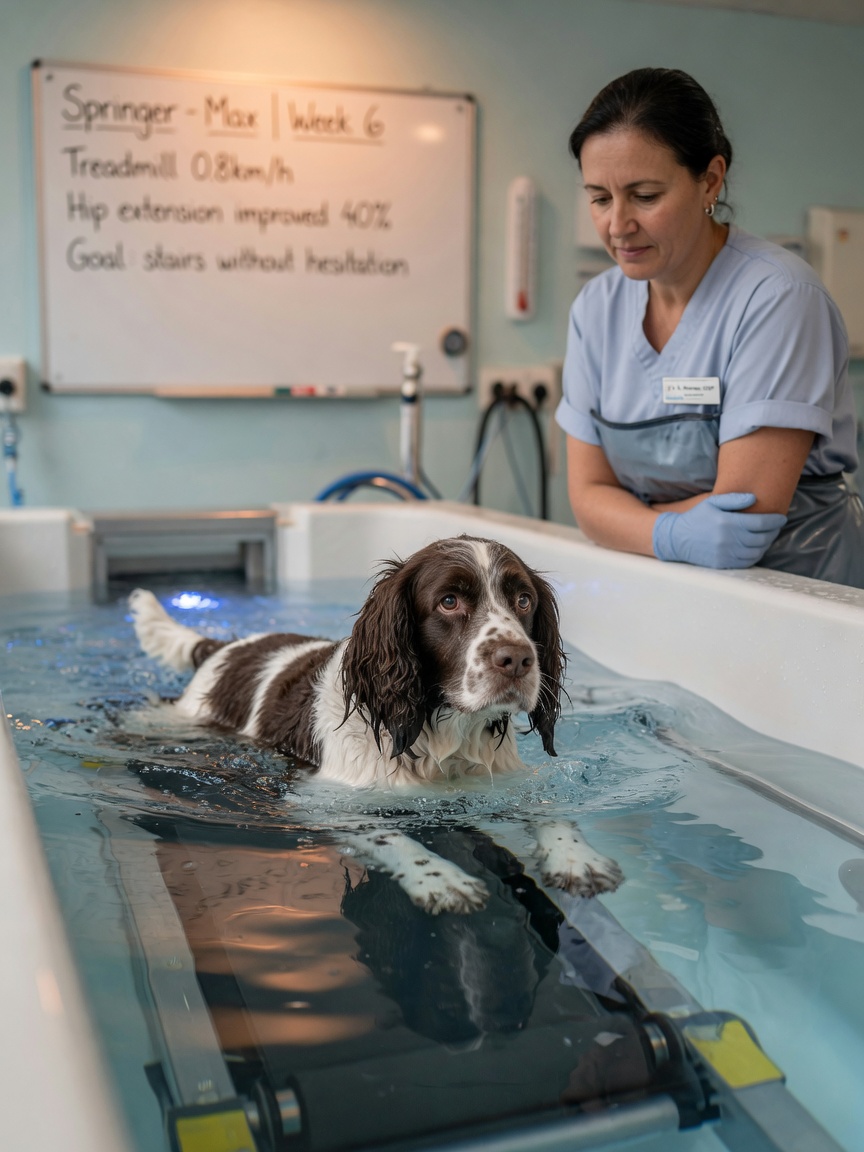
Physiotherapy and hydrotherapy are highly effective components of arthritis management that are sometimes overlooked. Hydrotherapy — typically carried out in a heated pool or underwater treadmill — allows dogs to exercise without bearing their full bodyweight, building muscle strength and improving joint mobility with minimal pain. Many dogs show marked improvement with regular hydrotherapy sessions.
Veterinary physiotherapists can also provide manual therapy, targeted exercise programmes, and guidance on range of motion exercises that owners can perform at home. Ask your vet for a referral to a qualified canine rehabilitation practitioner.
Home Adaptations for Arthritic Dogs
The home environment can be modified to reduce pain and improve safety for an arthritic dog.
- Use ramps rather than stairs to give your dog access to the car, sofa, or bed without the impact of jumping
- Provide an orthopaedic memory foam bed that cushions and supports joints — raised beds that keep your dog off cold floors can also be beneficial
- Place food and water bowls at a comfortable height to avoid straining the neck and shoulders
- Use non-slip rugs or matting on hard floors to prevent slipping and the associated joint strain
- Ensure the dog's resting area is draught-free and warm, particularly in winter
- Keep outdoor exercise gentle and consistent — short, regular walks are better than sporadic long ones
Cold Weather Management
Many arthritic dogs are noticeably more stiff and uncomfortable during cold or damp weather. This is well recognised and reflects genuine physiological changes in joint fluid viscosity and tissue sensitivity in cold conditions. In winter, keep your dog warm with a fitted dog coat on walks, provide extra bedding insulation, and consider whether your dog's bed needs to be moved away from cold external walls or draughty areas.
A short warm-up period at the start of walks — allowing the dog to move gently before increasing pace — can also reduce the discomfort associated with starting exercise in cold weather.
Regular Veterinary Review
Arthritis is a progressive condition, and pain management needs are likely to change over time. Regular veterinary check-ups — every three to six months for dogs on long-term medication — allow for dose adjustments, assessment of treatment response, and monitoring for any side effects. Pain scoring tools can help track progress objectively. Working closely with your vet is the most effective way to ensure your dog's arthritis is as well controlled as possible throughout their senior years.