
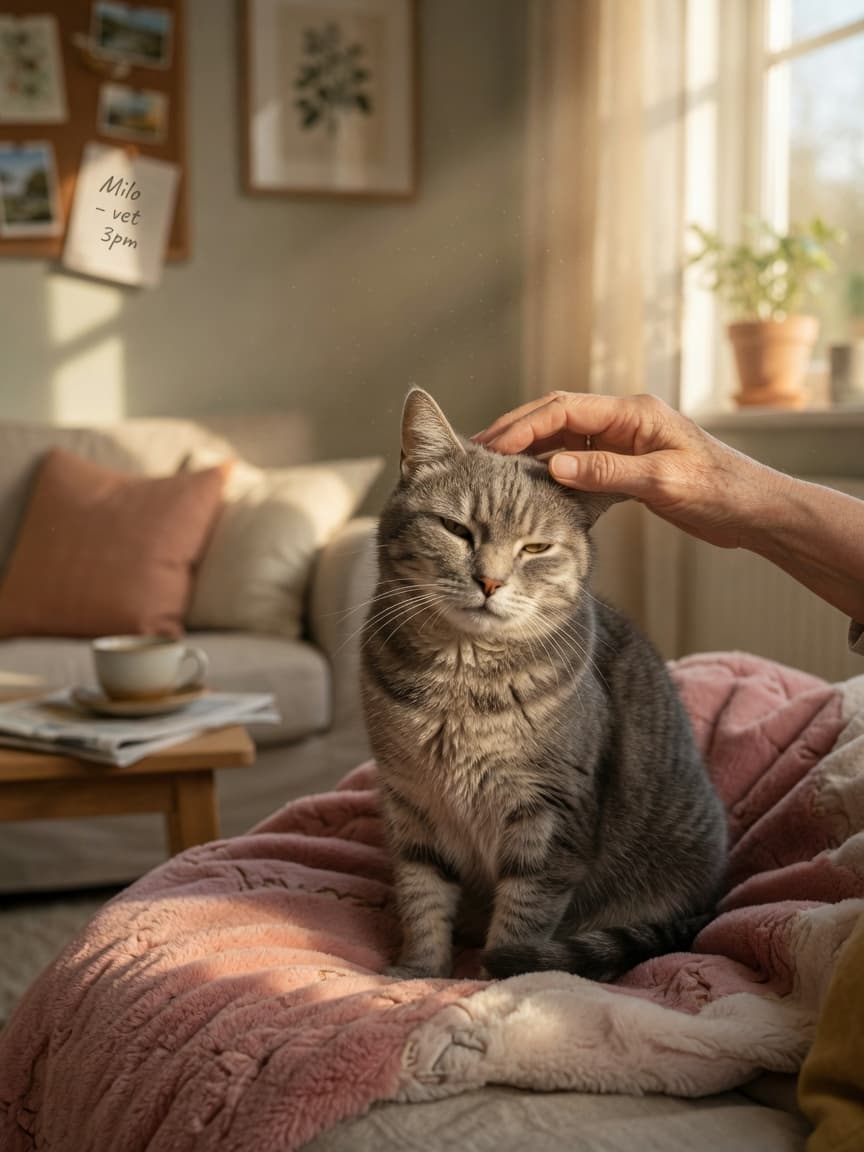
Understanding the Senior Cat
Cats are classified as senior from around seven years of age, and as geriatric from around eleven. The distinction matters because the health challenges facing a seven-year-old cat differ considerably from those facing a fifteen-year-old. What both have in common is that they require more attentive, more proactive care than they did in their younger years.
Cats are remarkably good at concealing illness — an evolutionary trait that served wild ancestors well but makes disease detection genuinely difficult for owners. Understanding what to look for, and building a care routine that catches problems early, is the foundation of good senior cat management.
How Ageing Changes a Cat's Body
The physiological changes that accompany feline ageing are wide-ranging. Kidney filtration capacity declines progressively from middle age. The thyroid gland becomes prone to overactivity — hyperthyroidism is the most common endocrine disorder in older cats. Dental disease accumulates. Muscle mass decreases through a process called sarcopenia. Joints stiffen. The immune system becomes less efficient at identifying and eliminating aberrant cells, raising cancer risk.
These changes do not happen all at once, and they do not affect every cat equally. Genetics, diet, environment, and the quality of veterinary care a cat has received across its life all influence the rate of decline.
Veterinary Care for Senior Cats
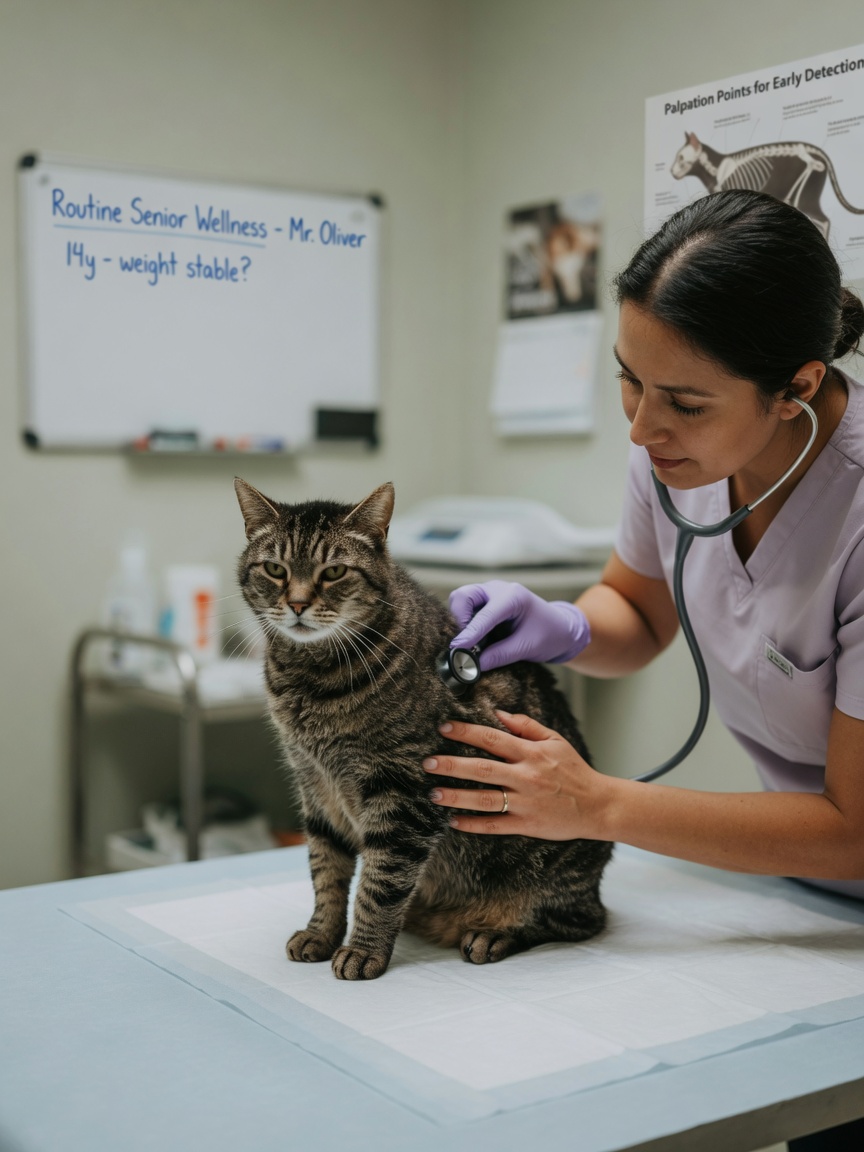
Biannual veterinary visits are the standard recommendation for cats over seven. Each appointment should include a physical examination, weight assessment, blood pressure measurement, and ideally a blood profile that screens kidney and liver function, thyroid hormone levels, and blood glucose. Urine analysis is particularly valuable in senior cats and can reveal kidney disease, diabetes, and urinary tract infections before clinical signs appear.
Nutrition in the Senior Years
Dietary needs shift with age. Many senior cats need fewer calories as activity levels decline, but others — particularly those approaching their mid-teens — struggle to maintain weight and may benefit from calorie-dense, highly digestible foods. Protein requirements do not decrease with age; in fact, senior cats may require more dietary protein to counteract muscle loss.
Hydration is critical. Cats are not naturally inclined to drink standing water, and chronic mild dehydration contributes to kidney stress. Wet food significantly increases overall fluid intake and is generally recommended for senior cats. Water fountains that provide moving water encourage drinking in cats who resist static bowls.
Dental Disease: The Silent Epidemic
Studies suggest that over 70 percent of cats show signs of dental disease by the age of three. By seven, the accumulation of tartar, gum inflammation, and tooth resorption can be severe enough to cause chronic pain that the cat rarely vocalises. Signs of dental discomfort in cats include dropping food, chewing on one side, reduced appetite, and facial swelling. Annual dental examinations and periodic professional scaling under anaesthesia are the standard of care.
Recognising Pain in Senior Cats
Cats in pain rarely cry out. Instead, they withdraw. They stop grooming, lose interest in play, avoid jumping, and may become irritable or aggressive when handled. Arthritis is significantly underdiagnosed in cats because these signs are easily attributed to "getting old." If your cat has stopped using furniture they once loved, is reluctant to use a litter box with high sides, or moves more stiffly in the mornings, discuss pain assessment with your vet.
Environmental Adaptations for Senior Cats
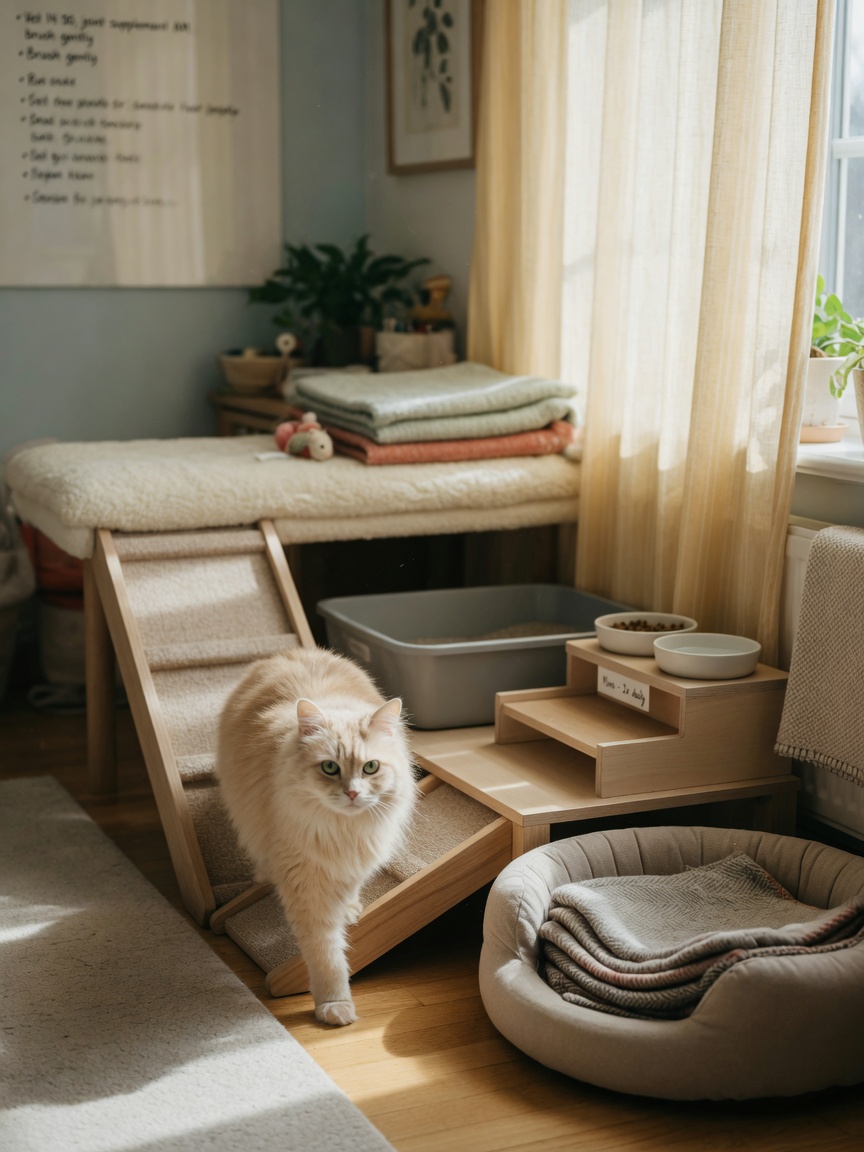
- Provide litter boxes with low entry points to accommodate cats with reduced mobility
- Place food, water, and litter on every level of the home so the cat does not need to use stairs
- Offer ramps or steps to reach sleeping areas and window perches they still want to access
- Ensure warm, draught-free sleeping spots — older cats lose body heat more readily
- Keep the environment predictable; senior cats are more stressed by change than younger ones
Common Conditions in Senior Cats
Hyperthyroidism produces weight loss despite an increased appetite, vomiting, hyperactivity, and a poor coat. It is highly manageable once diagnosed through a simple blood test. Chronic kidney disease is the leading cause of death in older cats and warrants its own detailed discussion. Diabetes mellitus, inflammatory bowel disease, high blood pressure, and various cancers all become more prevalent with age.
Mental and Emotional Wellbeing
Cognitive dysfunction in cats presents similarly to dementia in humans. Affected cats may vocalise loudly at night, appear confused or disorientated, lose litter training, or become markedly less social. This is a treatable condition, and early intervention yields better outcomes than waiting until symptoms are severe.
Beyond cognitive health, senior cats benefit from continued social engagement, gentle play that suits their physical capacity, and consistent daily routines. A calm, predictable household is genuinely therapeutic for an ageing cat.
When to Seek Immediate Veterinary Attention
- Any sudden change in appetite, particularly complete refusal to eat for more than 24 hours
- Markedly increased or decreased water intake
- Sudden weight loss over a short period
- Vomiting or diarrhoea persisting beyond 24 hours
- Difficulty breathing or open-mouth breathing in any context
- Sudden changes in behaviour, especially aggression in a previously calm cat
Senior cats do not need to be defined by their medical challenges. With attentive ownership, appropriate veterinary support, and a home environment that meets their changing needs, many cats thrive well into their late teens and beyond.