
The Rattle That Should Never Be Ignored
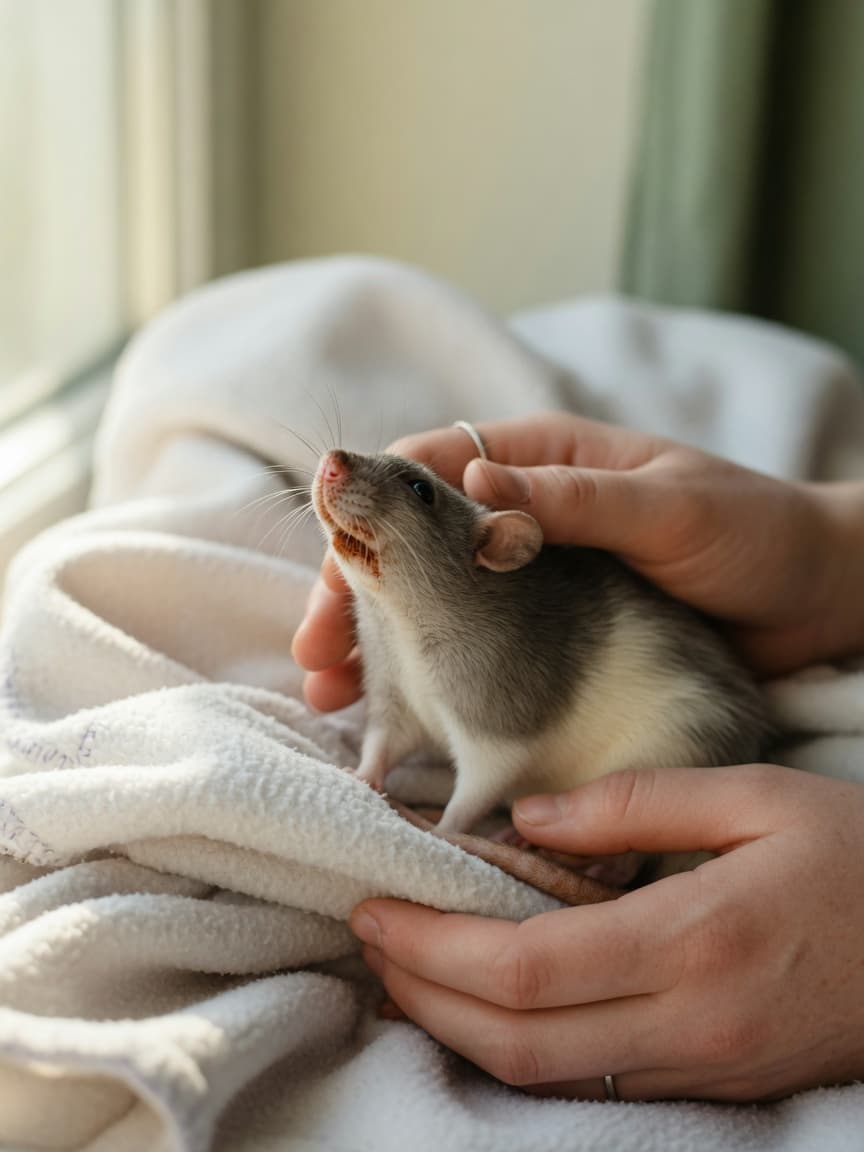
If you press your ear near a pet rat and hear a faint clicking, crackling, or rattling sound when it breathes, you are hearing something that requires prompt attention. Respiratory disease is the single most common cause of illness and premature death in domestic rats. It affects nearly every pet rat to some degree during its lifetime — and in many cases, it begins long before any outward symptoms appear.
Understanding what causes respiratory infections in rats, and how to manage them, is one of the most important things an owner can know.
The Primary Culprit: Mycoplasma Pulmonis
The majority of respiratory disease in pet rats is caused or complicated by Mycoplasma pulmonis, a bacterial organism that is endemic in the domestic rat population. Most rats are infected at birth, acquiring the organism from their mother. Mycoplasma does not always cause immediate symptoms — it may remain dormant for months — but it creates a chronic underlying vulnerability that allows secondary infections and environmental stressors to cause serious illness.
There is currently no cure for Mycoplasma infection. Treatment focuses on managing symptoms, suppressing flare-ups, and maximising quality of life. This is why prevention of secondary infections and good husbandry are so critical.
Secondary Infections and Contributing Factors
Bacterial Co-Infections
Streptococcus pneumoniae, Corynebacterium kutscheri, and Pasteurella pneumotropica are among the bacteria that commonly cause secondary respiratory infections in rats already carrying Mycoplasma. These infections can rapidly progress to pneumonia, which is life-threatening.
Environmental Triggers
Even in rats without active infection, certain environmental conditions can precipitate a respiratory crisis:
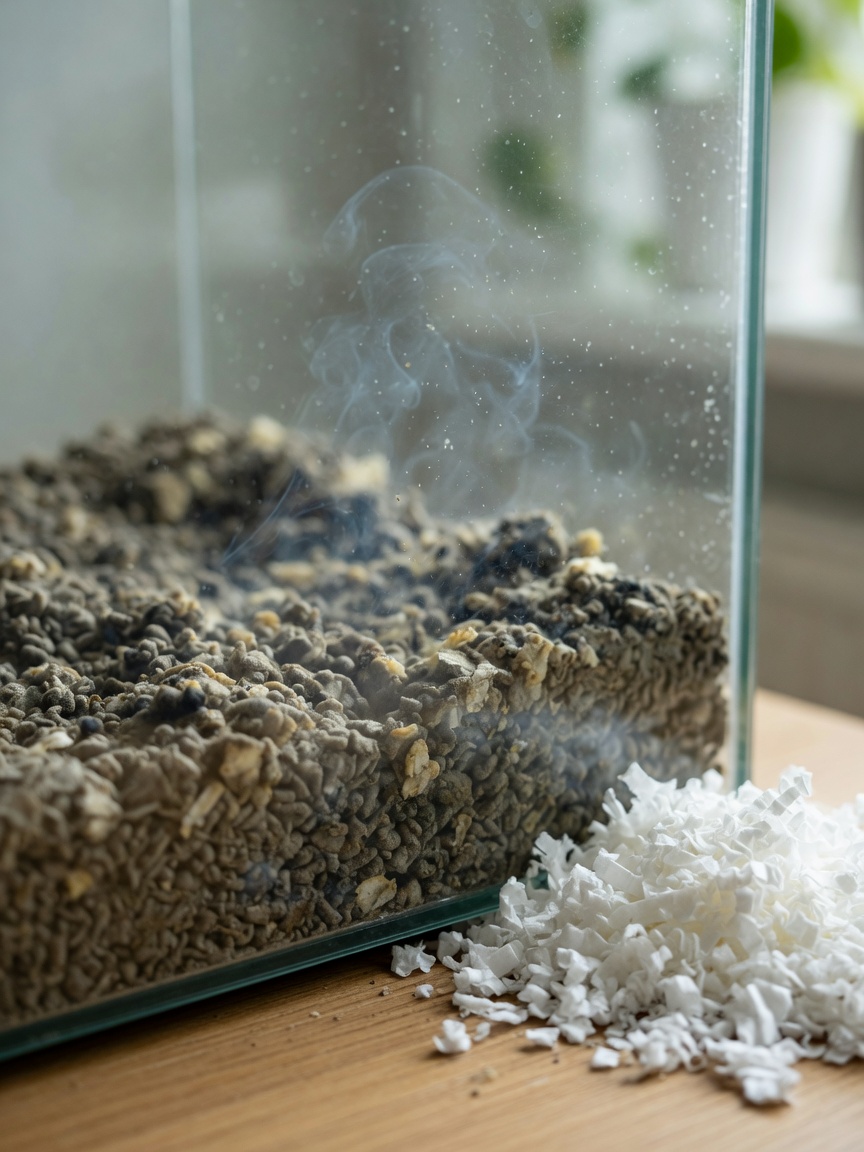
- Ammonia from dirty bedding — one of the most significant and overlooked triggers
- Dusty bedding materials such as cedar or pine shavings (which also contain aromatic hydrocarbons harmful to the respiratory tract)
- Cigarette smoke or aerosols in the environment
- Cold draughts or temperature extremes
- Overcrowding, which increases stress and pathogen transmission
Recognising Respiratory Disease in Rats
Rats are adept at masking illness, but respiratory symptoms are often detectable before a rat appears overtly unwell.
- Audible clicking, wheezing, or rattling sounds during breathing
- Laboured breathing or open-mouth breathing in severe cases
- Porphyrin discharge — a red-brown staining around the eyes and nose, sometimes mistaken for blood (it is a stress and illness marker produced by the Harderian gland)
- Sneezing, initially may be mild and intermittent
- Weight loss and reduced appetite
- Lethargy, hunched posture, or reluctance to move
- Head tilt, which may indicate the infection has reached the inner ear — a common complication
Porphyrin staining around the nose and eyes should always be taken seriously. A small amount occasionally is normal; persistent or heavy discharge indicates illness or chronic stress.
Treatment Options
Antibiotic Therapy
Veterinary treatment typically involves antibiotics. Doxycycline is frequently the first-line choice for Mycoplasma-associated disease, often combined with enrofloxacin for broader coverage against secondary bacterial infections. Treatment courses are often prolonged — several weeks or more — because Mycoplasma is difficult to fully suppress. Your vet will guide dosing appropriate for rat physiology, which differs significantly from cats and dogs.
Supportive Care
Alongside antibiotics, supportive care is important. Keeping the rat warm, ensuring easy access to food and water, and reducing environmental stressors all contribute to recovery. In cases of significant respiratory distress, bronchodilators or anti-inflammatory medications may be prescribed.
It is worth identifying a vet with experience in small mammals before your rat becomes ill. Not all general practice vets are comfortable treating rats, and delays in appropriate treatment significantly worsen outcomes.
Prevention and Husbandry
While Mycoplasma cannot be eliminated from a rat's system, its impact can be dramatically reduced through good husbandry.
Bedding and Cage Hygiene
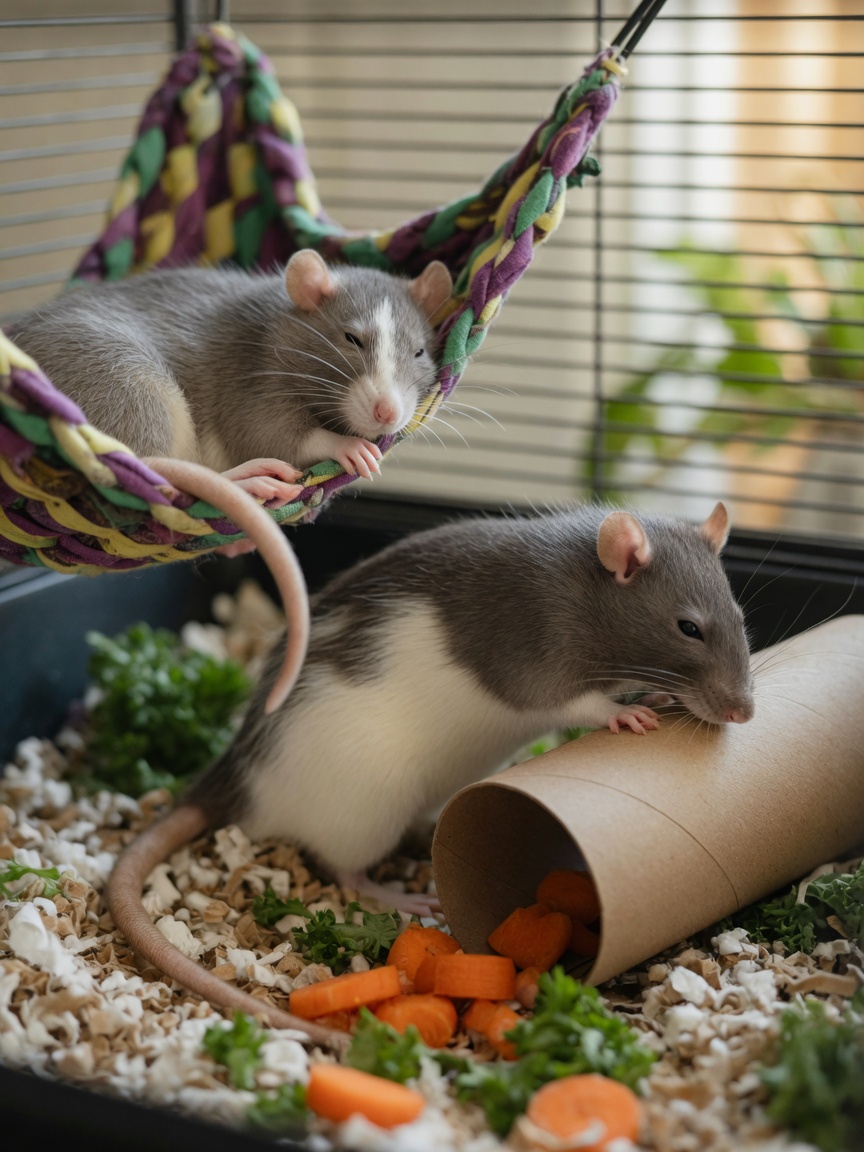
Clean the cage at least twice weekly. Ammonia accumulation from urine is one of the most potent triggers for respiratory flare-ups. Use paper-based, dust-extracted bedding — avoid cedar, pine, or any aromatic wood shavings. Cardboard and paper-based options are the safest choices. Ensure adequate ventilation without direct draughts.
Diet and Immune Support
A balanced diet supports immune function. Rats do well on a base of good-quality rat-specific pellets or a lab block, supplemented with small amounts of fresh vegetables and occasional protein sources. Avoid feeding excessive fruit, sugary treats, or high-fat foods, all of which contribute to obesity and reduced immune resilience.
Reducing Stress
Rats are highly social animals. Keeping them in same-sex pairs or groups reduces stress significantly, which in turn reduces Mycoplasma flare-ups. Enrichment — tunnels, hammocks, foraging opportunities — also lowers stress hormones that can compromise immune function.
Living With a Rat Prone to Respiratory Disease
Most pet rats will face some degree of respiratory illness during their two to three year lifespan. This does not mean a poor quality of life is inevitable. Rats managed with prompt veterinary care at the first sign of symptoms, appropriate antibiotic protocols, and excellent husbandry can live active, comfortable lives.
- Listen to your rat regularly — audible breathing changes are an early warning sign
- Clean the cage frequently and use appropriate bedding
- Avoid all aerosols, smoke, and chemical sprays near the cage
- Seek veterinary care at the first sign of symptoms — do not wait
- Keep a rat-experienced vet's contact details to hand
- Provide social companionship and enrichment to reduce chronic stress
The combination of vigilant observation and proactive veterinary care makes the greatest difference to a rat's respiratory health and overall wellbeing.