
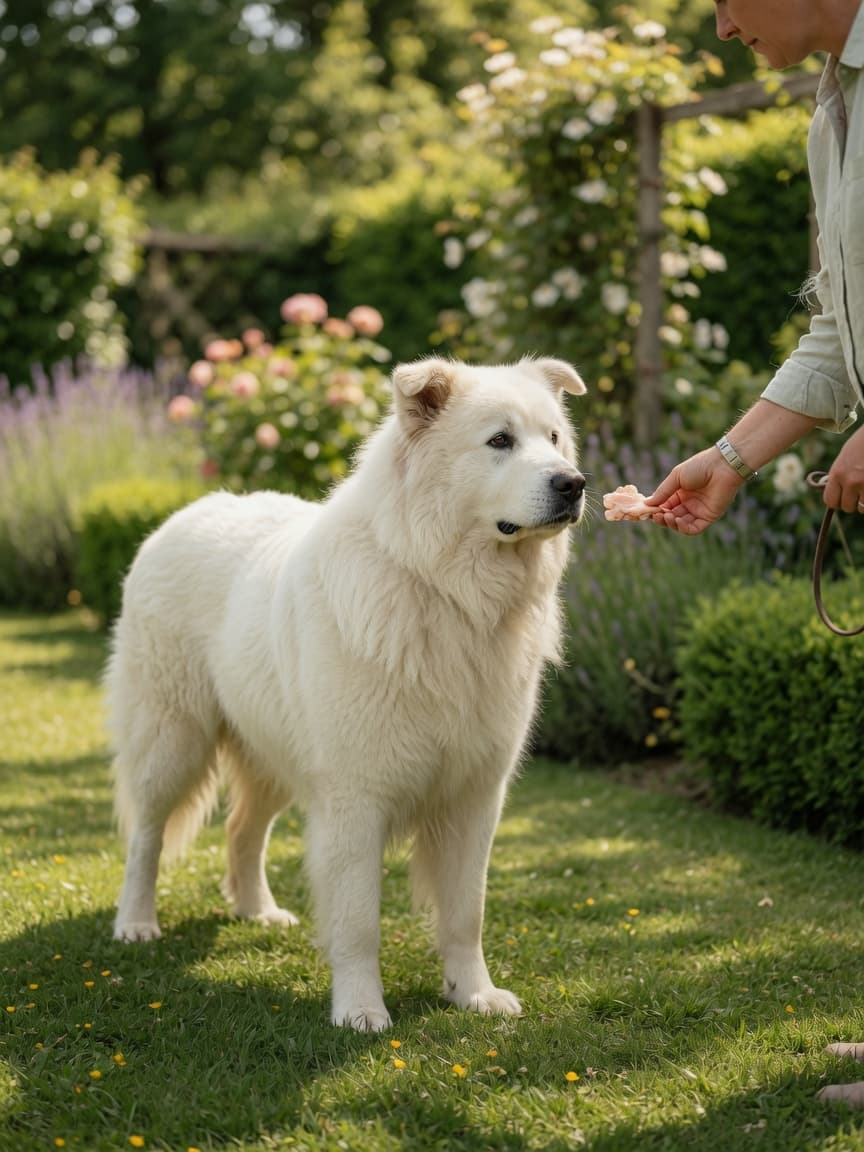
Great Pyrenees are magnificent, gentle giants bred for centuries to guard livestock across the Pyrenees mountains. With their thick white coats, calm demeanour, and independent nature, they make wonderful family companions—but only when properly trained. These intelligent dogs require patient, consistent guidance from puppyhood onwards. Unlike breeds eager to please, Great Pyrenees think for themselves, making training both rewarding and challenging. This guide shares evidence-based strategies veterinarians and professional trainers recommend to successfully train your Great Pyrenees.
Understanding Your Great Pyrenees' Temperament
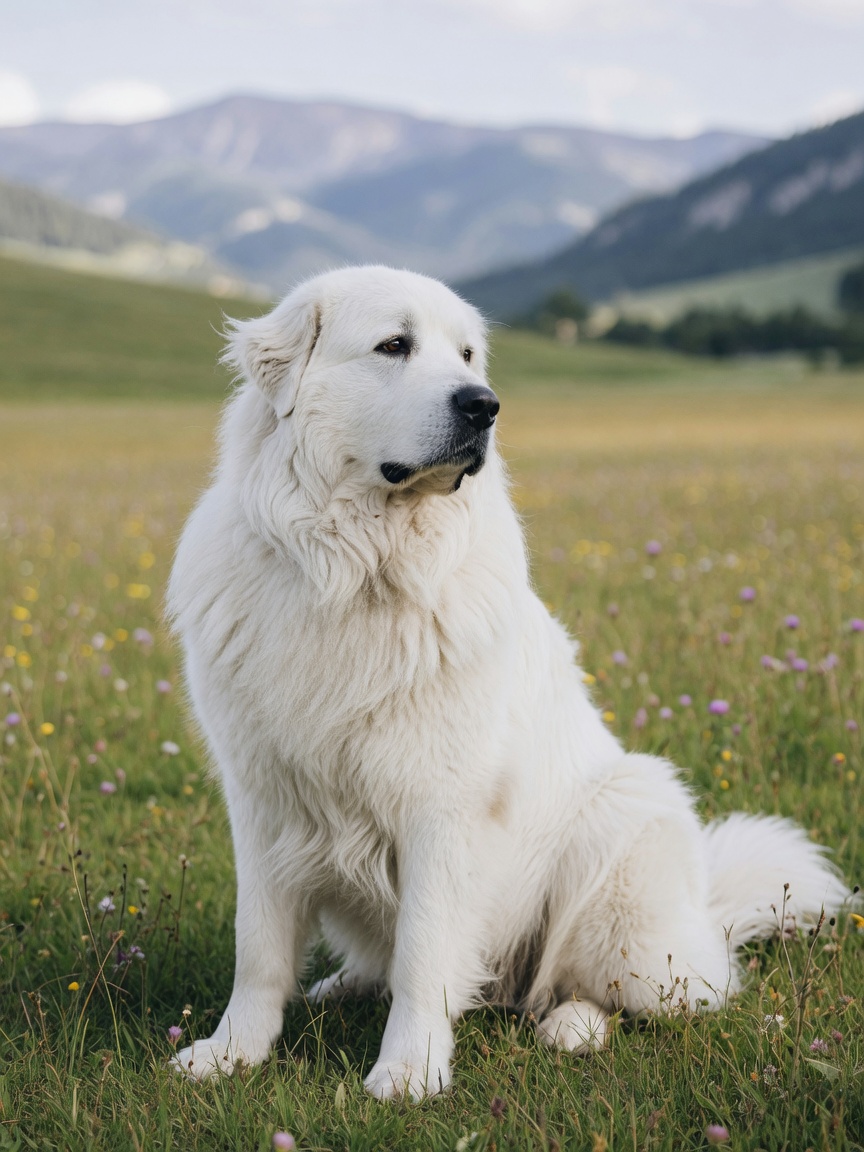
Before diving into training techniques, it's crucial to understand what makes Great Pyrenees tick. These dogs were bred to work independently, making decisions about livestock protection without human guidance. This independent streak means they're not naturally motivated by a desire to please like Border Collies or Labradors. Instead, they respond best to training that respects their intelligence and offers compelling reasons to cooperate. A Great Pyrenees will comply when they understand why following your instruction benefits them.
The 10 Vet-Approved Training Tips
- Start Early with Positive Reinforcement — Begin training puppies between 8-12 weeks old. Use high-value rewards like small pieces of chicken, cheese, or favourite toys. Positive reinforcement builds enthusiasm and strengthens your bond, whereas punishment-based methods can damage trust and increase stubbornness.
- Establish Clear Leadership Through Consistency — Great Pyrenees respect boundaries. Ensure all family members enforce the same rules. If one person allows jumping whilst another discourages it, your dog becomes confused and less responsive overall.
- Keep Training Sessions Short and Frequent — Five to ten-minute sessions, 3-4 times daily, work better than one long session. These giant dogs have shorter attention spans during training, and frequent repetition solidifies learning without frustration.
- Teach Early Recall and Loose-Lead Walking — Given their size and guardian instincts, reliable recall prevents them chasing perceived threats. Start in secure areas before practising in open spaces. Use a long training lead initially, rewarding any attention towards you.
- Use Socialisation as a Training Tool — Expose puppies to various people, animals, sounds, and environments between 3-16 weeks old. Properly socialised Great Pyrenees are easier to train overall and less likely to develop anxiety-driven problem behaviours.
- Establish a Routine Schedule — Feed, exercise, and train at consistent times daily. This predictability helps your Great Pyrenees understand expectations and reduces stress-related behaviours like excessive barking or destructiveness.
- Provide Adequate Physical Exercise — These dogs need 30-60 minutes of exercise daily. A tired Great Pyrenees is a well-behaved one. Regular exercise reduces frustration-based training resistance and supports overall health.
- Address Barking Proactively — Great Pyrenees bark to alert and protect—it's genetic. Rather than eliminating barking entirely, teach a "quiet" command with consistent reward. Accept that some vocalisations are normal for this breed.
- Avoid Harsh Training Methods — Shouting, physical corrections, or intimidation backfires with independent-minded dogs. These methods increase fear and unpredictability. A certified professional trainer using science-based methods is invaluable for troubleshooting.
- Schedule Regular Veterinary Check-ups — Sometimes training difficulties stem from underlying pain or health issues. Annual wellness visits ensure medical issues aren't hindering progress. Discuss any concerning behaviours with your vet, who may recommend professional trainers.
Essential Commands for Safety
Focus initially on commands that directly impact safety: sit, stay, come, down, and leave it. Master these foundational skills before advancing to complex tricks. Great Pyrenees especially benefit from a solid "come" command, given their tendency to wander and investigate.
When to Seek Professional Help
Consider hiring a certified professional dog trainer or behaviourist if your Great Pyrenees develops aggression, severe anxiety, or refuses basic commands despite consistent effort. Many insurance policies cover behavioural consultations—ask your veterinary practice for recommendations.
Key Takeaways
- Great Pyrenees succeed with patient, consistent, positive-reinforcement training that respects their independent nature
- Start training early and maintain consistency across all family members
- Short, frequent sessions work better than lengthy training periods
- Adequate exercise and veterinary oversight support successful training outcomes
- Professional guidance helps address breed-specific challenges effectively
Training a Great Pyrenees requires understanding and respect for their unique temperament. With patience, consistency, and science-backed methods, you'll develop a well-mannered companion who responds reliably whilst maintaining the noble character that makes this breed so special.
```