
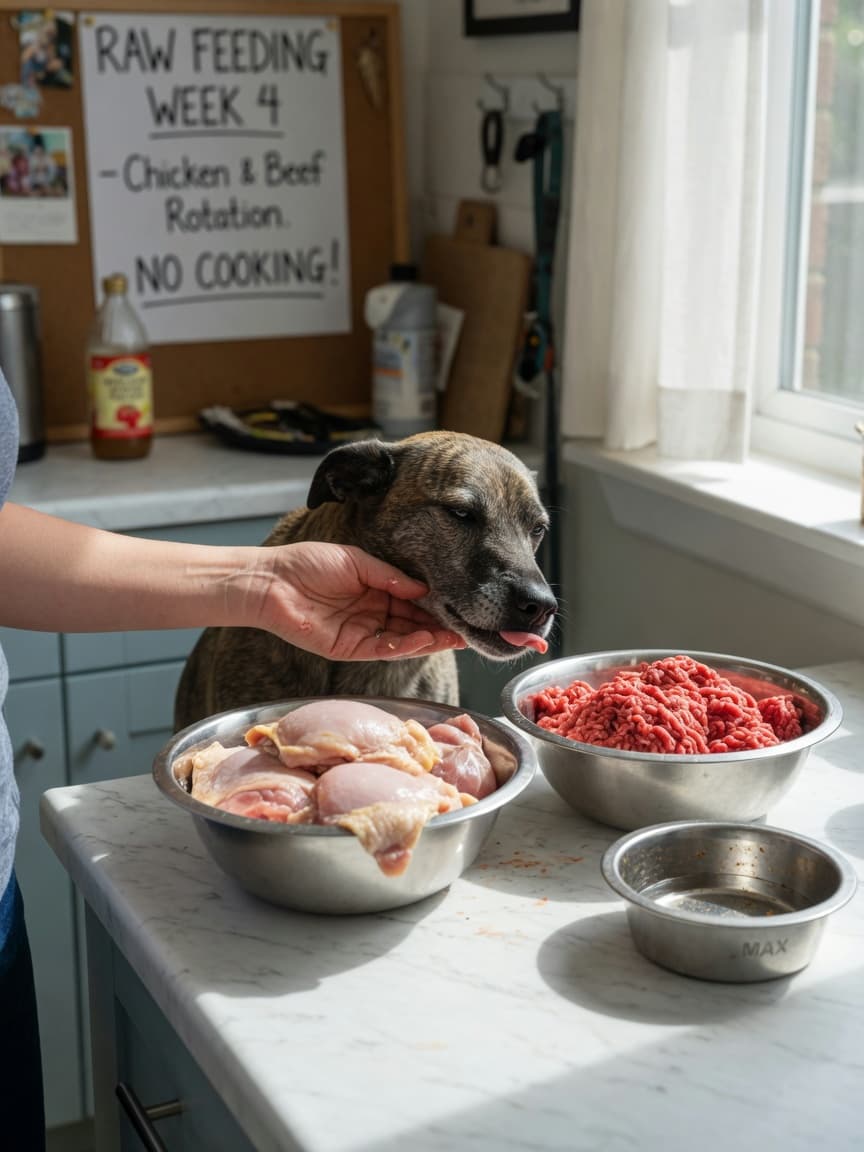
The Appeal of Raw Feeding and Why the Risks Are Routinely Dismissed
Raw feeding has attracted a devoted following over the past two decades. Proponents point to shinier coats, smaller stools, and better energy levels as proof that ancestral diets work. The logic sounds intuitive: dogs evolved from wolves, wolves eat raw prey, therefore dogs should too. But the bacterial risks associated with raw meat diets are significantly more serious than most feeding guides or online communities tend to acknowledge.
This is not a theoretical concern. Peer-reviewed studies and public health bodies including the European Food Safety Authority and the US Centers for Disease Control have identified raw pet food as a genuine vector for zoonotic disease — illness that passes between animals and people. Understanding the microbiology involved is the first step towards making an honest risk assessment for your household.
What the Research Actually Shows
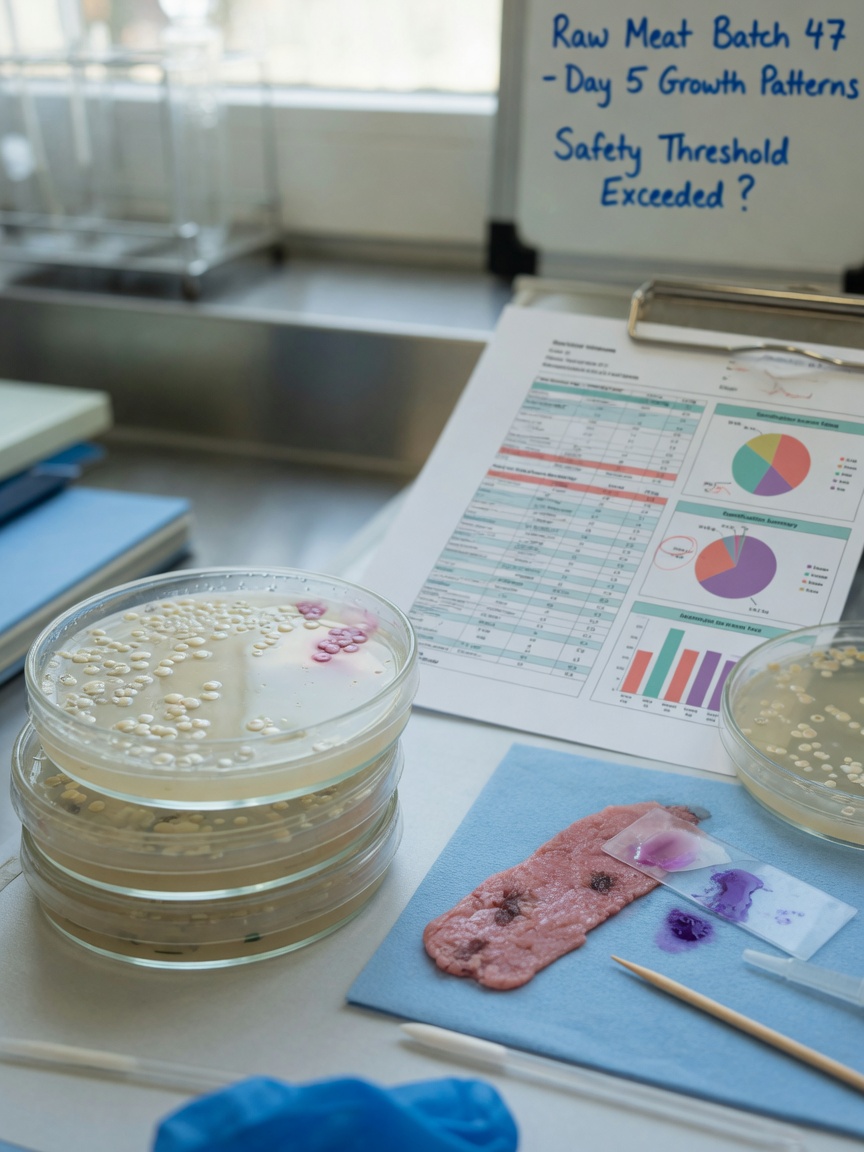
A 2019 study published in the journal Vet Record tested 35 commercial raw dog food products from eight different brands sold across Europe. The findings were striking: 28 out of 35 samples contained Enterobacteriaceae, 23 contained Listeria monocytogenes, and 6 tested positive for Salmonella. These are not mild pathogens. Listeria can be fatal in immunocompromised individuals, pregnant women, and the elderly. Salmonella causes severe gastrointestinal illness in humans and can persist in dog faeces for days after consumption.
A separate 2020 study from Utrecht University found that dogs fed raw meat diets shed significantly higher quantities of extended-spectrum beta-lactamase (ESBL) producing E. coli in their faeces compared to dogs on commercial cooked diets. ESBL-producing bacteria are resistant to a wide range of antibiotics, making infections far harder to treat. This is an antimicrobial resistance issue, not just a food hygiene one.
How Dogs Handle Bacteria Differently to Humans
One of the most common arguments in favour of raw feeding is that dogs have evolved to handle raw meat without getting ill. This is partially true and partially misleading. Dogs do have a shorter gastrointestinal transit time than humans, and their stomach acid is more acidic on average, which provides some protection. However, this does not make them immune.
Dogs can and do develop Salmonellosis. Symptoms include bloody diarrhoea, vomiting, lethargy, and fever. In puppies, elderly dogs, and those on immunosuppressive medications such as steroids, the infection can become systemic and life-threatening. The difference is that dogs often carry these pathogens asymptomatically, shedding bacteria in their saliva and faeces without appearing unwell. This is arguably the more dangerous scenario, because owners have no visible warning signal.
The Zoonotic Transmission Problem
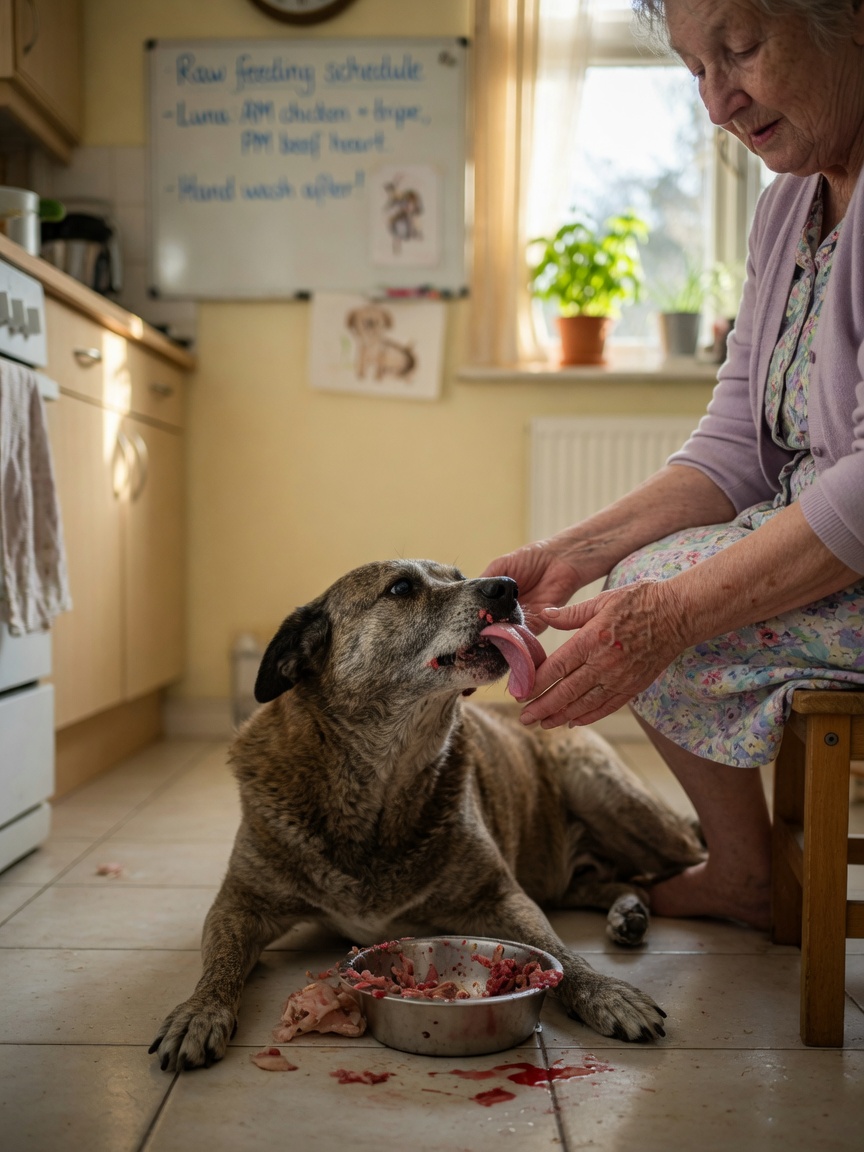
When your dog eats raw chicken thighs for dinner, licks his bowl clean, and then licks your hand fifteen minutes later, a pathway for bacterial transmission has just occurred. Studies have documented Salmonella transmission from raw-fed pets to their owners through exactly this kind of contact. A 2012 outbreak investigation in Canada traced a cluster of human Salmonella infections to a single batch of commercially produced raw pet food.
- Children under five have immune systems that are not fully developed and face higher risk of severe illness
- Adults over 65 have reduced immune function and are more vulnerable to complications
- Pregnant women risk passing Listeria to the foetus, which can cause stillbirth or serious neonatal illness
- Anyone on chemotherapy, immunosuppressants, or living with HIV faces significantly elevated risk
- Even healthy adults can develop severe illness from Salmonella strains with antibiotic resistance
The British Veterinary Association and the American Veterinary Medical Association both advise against raw feeding specifically because of the zoonotic risk to human household members. This is not a fringe position — it reflects the scientific consensus.
Food Preparation and Storage: Where Risk Accumulates
Even owners who are aware of bacterial risk often underestimate how easily contamination spreads during handling. Bacteria from raw meat transfer to kitchen surfaces, utensils, food bowls, and hands within seconds of contact. Studies on food safety in raw-feeding households have found bacterial contamination on surfaces that were cleaned after food preparation, suggesting standard cleaning practices are frequently insufficient.
Freezing does not kill Salmonella, Listeria, or Campylobacter — it suspends them. Once the meat thaws, bacterial populations resume normal activity. High-pressure processing (HPP), which some commercial raw food brands use, does reduce but does not eliminate pathogen load. It is also not universally applied across the raw pet food industry.
Parasites Add Another Layer of Concern
Beyond bacteria, raw meat carries a meaningful risk of parasitic infection. Toxoplasma gondii, Neospora caninum, and Sarcocystis species are all transmitted through the consumption of raw or undercooked infected tissue. Toxoplasmosis poses particular danger to pregnant women and immunocompromised individuals. Trichinella, while less common in commercial meat supplies, remains a risk in wild game and non-inspected pork.
Tapeworm species including Echinococcus granulosus, which causes hydatid disease in humans, have been documented in dogs fed raw offal and viscera. These infections are not common, but they are serious and largely preventable.
Making an Informed Decision
If you are committed to raw feeding despite these risks, the most responsible approach involves sourcing from HPP-processed commercial brands, following rigorous kitchen hygiene protocols, regular veterinary monitoring including faecal testing, and discussing the risks openly with any household members who may be vulnerable. Handling raw pet food with the same caution you would apply to raw chicken intended for human consumption is the minimum standard.
However, the belief that raw feeding is inherently more natural or safer than high-quality commercial cooked diets does not hold up under scientific scrutiny. The nutritional arguments for raw feeding are also contested — but the bacterial risks are not. They are documented, measurable, and in some households, genuinely dangerous.