
The Carbohydrate Question Nobody Agrees On
Ask ten dog nutrition professionals about carbohydrates and you will likely get a range of opinions that span from "dogs have no need for carbohydrates whatsoever" to "moderate carbohydrate intake is perfectly appropriate for most dogs." Both positions contain some truth, which is part of what makes this topic so persistently confusing for owners trying to do the right thing at feeding time.
Dogs are not obligate carnivores like cats. They have adapted significantly over thousands of years of co-evolution with humans, and that adaptation includes a meaningfully greater capacity to digest starch than their wolf ancestors possessed. At the same time, dogs are also not omnivores in the way humans are, and there is a reasonable case that many commercial dog foods contain far more carbohydrate than is biologically optimal.
What Carbohydrates Actually Do in Dog Food
Before examining how much is too much, it helps to understand why carbohydrates appear in dog food at all. There are two answers, and they are not equally flattering to the industry.
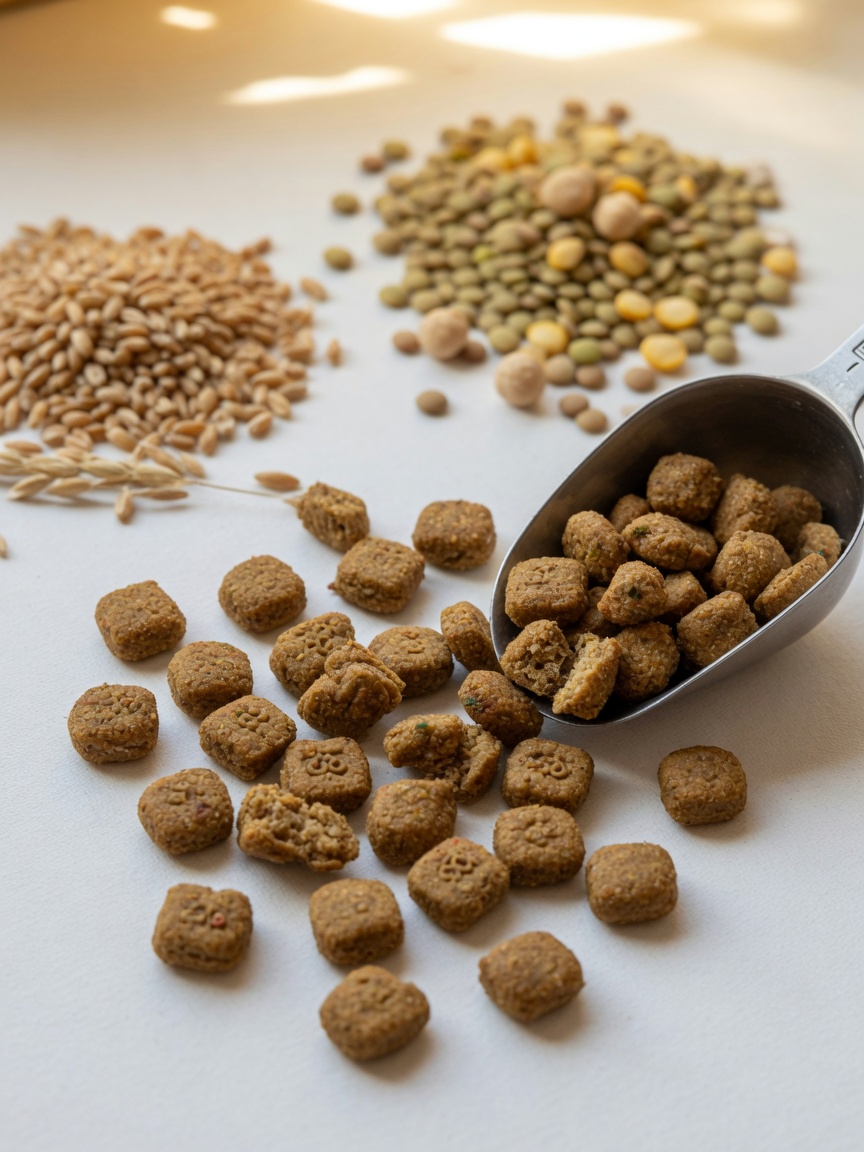
The first answer is functional: carbohydrates, particularly starches, are essential for the physical structure of dry kibble. Extruded kibble requires starch to bind the mixture and hold its shape during the manufacturing process. Without sufficient starch, the product would simply fall apart. This is a genuine technological constraint, not a nutritional choice.
The second answer is economic: grains, legumes, and root vegetables are substantially cheaper than meat proteins and fats. Higher carbohydrate content reduces the cost of a formulation while maintaining calorie density, which is commercially advantageous for manufacturers working to competitive price points.
From a nutritional standpoint, carbohydrates are not classified as essential nutrients for dogs. Unlike cats, dogs can synthesise glucose from amino acids and fats via gluconeogenesis. This does not mean dietary carbohydrates are harmful, but it does mean that meeting minimum carbohydrate intake is not a dietary priority for canine health.
What the Research Actually Shows
Dogs have significantly more copies of the amylase gene than wolves, which reflects a genuine evolutionary adaptation for starch digestion. Studies have confirmed that domesticated dogs digest cooked starch efficiently, and that glucose from dietary carbohydrates is metabolised normally. This is meaningfully different from the situation in cats, who have much more limited starch digestion capacity.
However, efficient digestion is not the same as optimal intake. The research on ideal carbohydrate levels in canine diets is limited, and most long-term dietary studies in dogs are funded by pet food manufacturers with an interest in the results. Independent research on the effects of very high versus moderate versus low carbohydrate diets over a dog's lifetime is genuinely lacking.
What the available evidence does suggest is that very high carbohydrate diets may contribute to blood sugar variability, can be less satiating than protein and fat-rich alternatives, and may not be ideal for dogs with certain metabolic conditions including diabetes or obesity.
Typical Carbohydrate Levels in Commercial Dog Food
Here is a piece of information that surprises many dog owners: carbohydrate content is not listed on pet food labels in most markets. The guaranteed analysis panel shows crude protein, crude fat, crude fibre, and moisture, but not total carbohydrates. You have to calculate it yourself.
The rough method is to add together the percentages of protein, fat, crude fibre, moisture, and ash (typically around 6 to 8 percent if not listed), then subtract the total from 100. The number you are left with is an approximation of the carbohydrate content.
For most dry kibbles, this calculation produces a figure somewhere between 30 and 60 percent. Premium foods with higher meat content tend to sit at the lower end. Budget foods with grains or legumes high in the ingredient list regularly approach or exceed 50 percent. Wet foods and raw foods typically contain far less carbohydrate, often under 10 percent.
The Grain-Free Complication
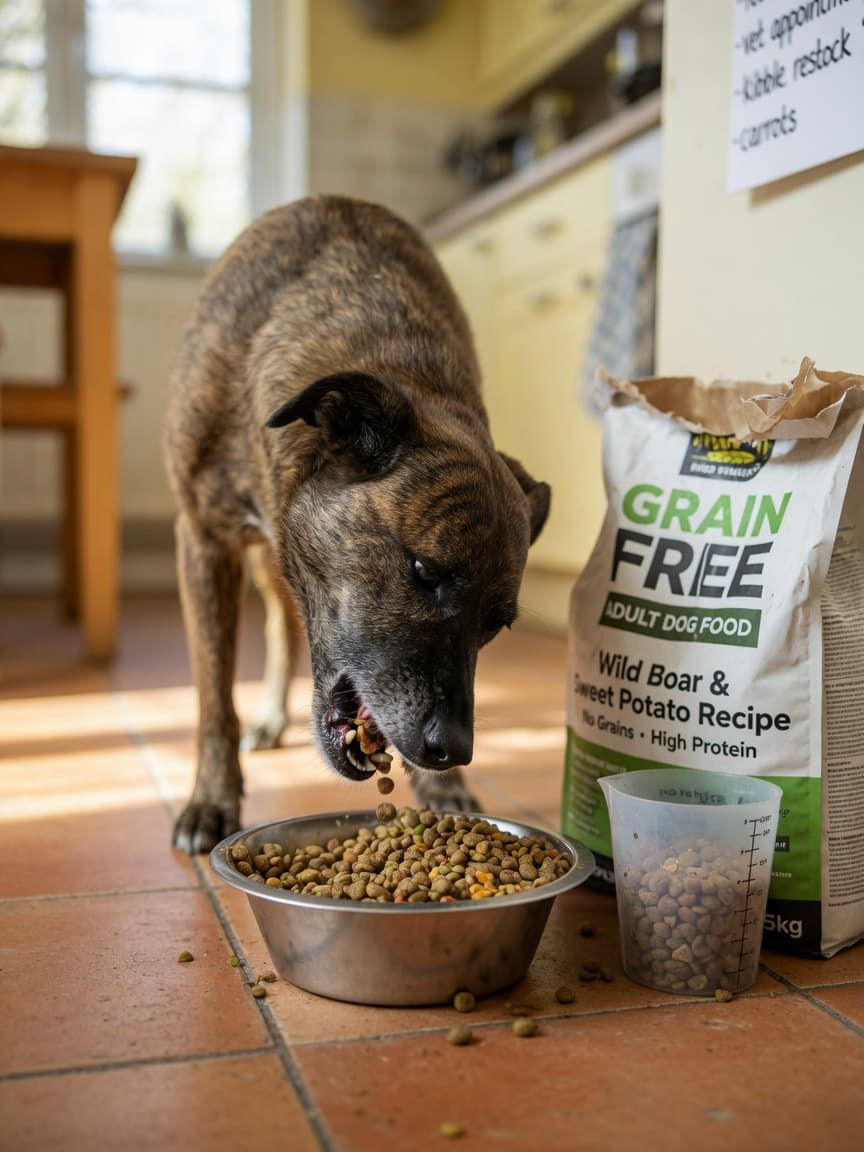
The grain-free trend created an impression that reducing grain content meant reducing carbohydrate content. This is often not the case. Many grain-free dry foods simply replace wheat, corn, or rice with legumes such as peas, lentils, or chickpeas, or with potato or sweet potato. These ingredients are also high in carbohydrates, sometimes comparably so to the grains they replaced.
Additionally, grain-free diets have been associated in preliminary FDA research with a potential link to dilated cardiomyopathy in certain dog breeds. The mechanism is not fully established, and causality has not been confirmed, but the association has prompted many cardiologists and nutritionists to recommend caution with grain-free formulations, particularly for breeds already predisposed to cardiac issues.
Which Dogs May Need Lower Carbohydrate Diets
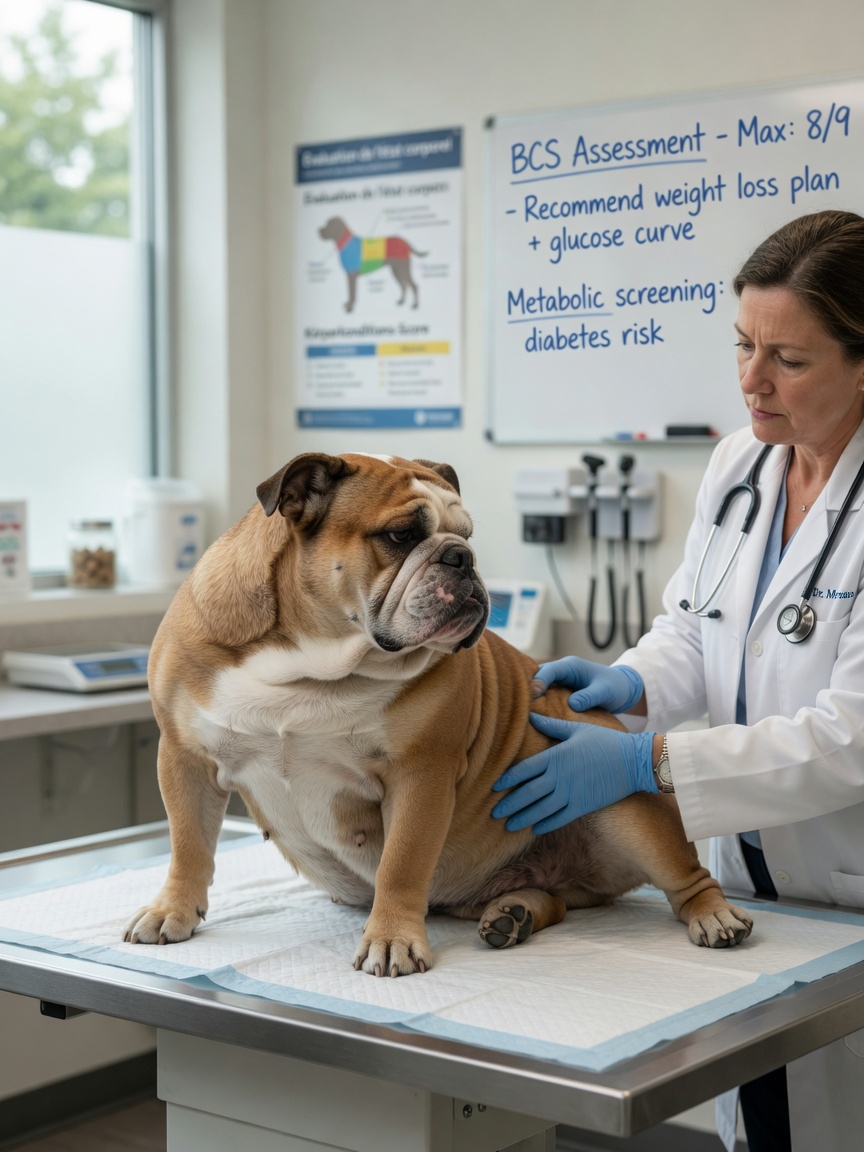
For most healthy adult dogs, a moderate carbohydrate intake from quality sources is unlikely to cause problems. However, certain situations call for more careful attention to carbohydrate levels:
- Dogs with diabetes, where blood sugar management is a direct concern
- Overweight or obese dogs, where high-carbohydrate diets may contribute to ongoing weight gain
- Dogs with chronic digestive issues or food sensitivities
- Older dogs with reduced metabolic efficiency
- High-performance working dogs with specific energy requirements
If your dog falls into any of these categories, it is worth discussing dietary carbohydrate content with your vet or a board-certified veterinary nutritionist rather than relying on label marketing.
Practical Steps for Assessing Your Dog's Food
You do not need to perform complex calculations every time you buy a bag of food, but a few habits will help you make better-informed choices over time:
- Calculate the estimated carbohydrate content using the guaranteed analysis panel
- Note where carbohydrate-contributing ingredients appear in the ingredient list — if multiple grains or starches appear in the top five ingredients, carbohydrate content is likely high
- Consider your dog's life stage, activity level, and health status when assessing whether current carbohydrate levels are appropriate
- Do not assume grain-free means low-carbohydrate
The ideal amount of carbohydrate in a dog's diet depends significantly on the individual animal. A healthy, active dog doing well on a moderate-carbohydrate food does not need to change. But if your dog is struggling with weight, energy, digestion, or blood sugar, looking more critically at the carbohydrate content of their food is a reasonable starting point.