ForPetsHealthcare
Nutrition

Raw Diet for Dogs: Benefits, Risks, and Vet Advice

By Julia WrenfieldUpdated August 4, 20261 min read
Evidence-based · Sources checked
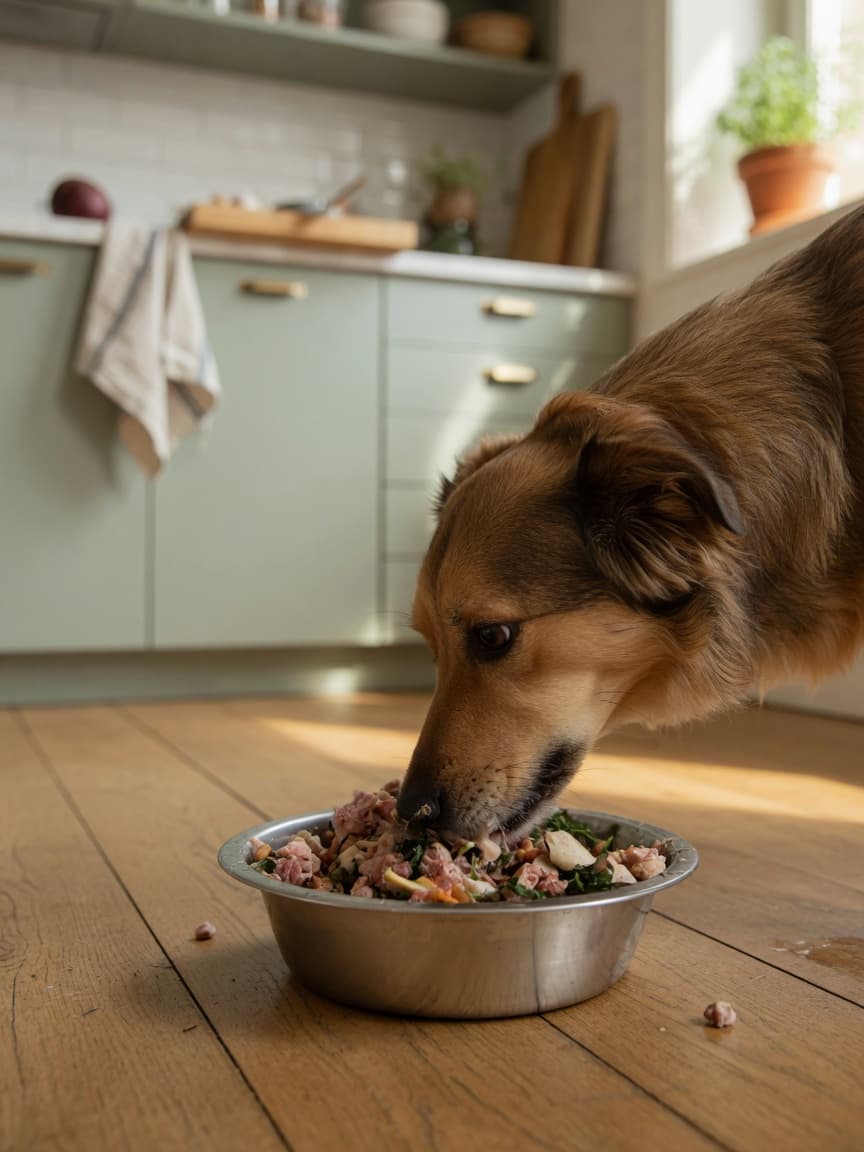
{"en": "Dog eating raw meat and fresh vegetables from a bowl, representing balanced raw diet nutrition", "es": "Perro comiendo carne cruda y verduras frescas en un cuenco, representando nutrici\u00f3n de dieta cruda equilibrada", "fr": "Chien mangeant de la viande crue et des l\u00e9gumes frais dans un bol, repr\u00e9sentant une nutrition \u00e9quilibr\u00e9e du r\u00e9gime cru", "de": "Hund isst rohes Fleisch und frisches Gem\u00fcse aus einer Sch\u00fcssel, die ausgewogene Rohf\u00fctterung darstellt", "nl": "Hond eet rauw vlees en verse groenten uit een kom, vertegenwoordigt uitgebalanceerde ruwvoeding", "pt": "C\u00e3o comendo carne crua e vegetais frescos em tigela, representando nutri\u00e7\u00e3o equilibrada de dieta crua", "it": "Cane che mangia carne cruda e verdure fresche da una ciotola, rappresenta nutrizione equilibrata della dieta cruda"}

The raw feeding debate is one of the most divisive in dog nutrition. Here is the evidence on both sides.

What Is a Raw Diet?

Raw diets typically include raw muscle meat, organ meat, raw bones, and sometimes vegetables, eggs, and dairy.

Claimed Benefits

  • Improved coat condition
  • Better dental health from raw bones
  • Smaller, firmer stools

Evidence-Based Risks

  • Bacterial contamination: Salmonella, E. coli, Listeria — risk to dogs and humans
  • Nutritional imbalance: home-prepared diets frequently deficient in calcium, vitamin D, iodine
  • Bone injuries: tooth fractures, choking, gut perforations

Vet Advice

Most veterinary nutritionists advise against home-prepared raw diets. Commercially prepared, AAFCO/FEDIAF-compliant raw diets are safer. Never feed raw to immunocompromised dogs or households.

#raw diet dogs risks benefits#dog health#dog nutrition#forpetshealthcare

Sources & further reading

This article is based on peer-reviewed veterinary research and reputable animal-health sources. Explore the underlying science in our Research Library.

Related articles

Great Dane Bloat (GDV): Causes, Signs & Care

Great Danes are one of the breeds most vulnerable to gastric dilatation-volvulus (GDV, commonly called "bloat"), a life-threatening emergency in which the stomach fills with gas and may twist upon itself. Their deep, narrow chest allows the stomach to swing and rotate more easily than in breeds with…

Read more →

Bulldog Breathing problems (BOAS): Causes, Signs & Care

Bulldogs are prone to breathing problems because their entire skull and airway have been shaped by generations of selective breeding for a flat face, leading to a condition called Brachycephalic Obstructive Airway Syndrome (BOAS). This affects the vast majority of Bulldogs to some degree, from mild …

Read more →

Pug Breathing problems (BOAS): Causes, Signs & Care

Pugs are one of the breeds most affected by Brachycephalic Obstructive Airway Syndrome (BOAS), a condition caused by their short, flattened skull shape which squashes the airway into too little space. This means many Pugs snore, snort and struggle to breathe normally even at rest, and the problem te…

Read more →

Raw Cat Food Guide

Cats are obligate carnivores, which means their biology is fundamentally different from dogs and humans. They cannot survive on plant-based diets and…

Read more →

Prescription Diet Guide Dogs

Prescription or veterinary therapeutic diets are not simply premium foods with a clever label. They are formulated to contain therapeutic levels of…

Read more →

Prescription Diet Guide Cats

Cats have unique nutritional needs that make therapeutic diets more complex than those for dogs. This guide covers prescription foods for CKD, hyperthyroidism, urinary disease, IBD, and diabetes — and why strict dietary compliance is especially critical in cats.

Read more →
Disclaimer:This article is for informational purposes only and does not constitute veterinary advice. Always consult a qualified veterinarian for your pet's health concerns.

Free newsletter

Pet health tips, straight to your inbox

Weekly science-backed advice for dog & cat owners. No spam, unsubscribe anytime.