
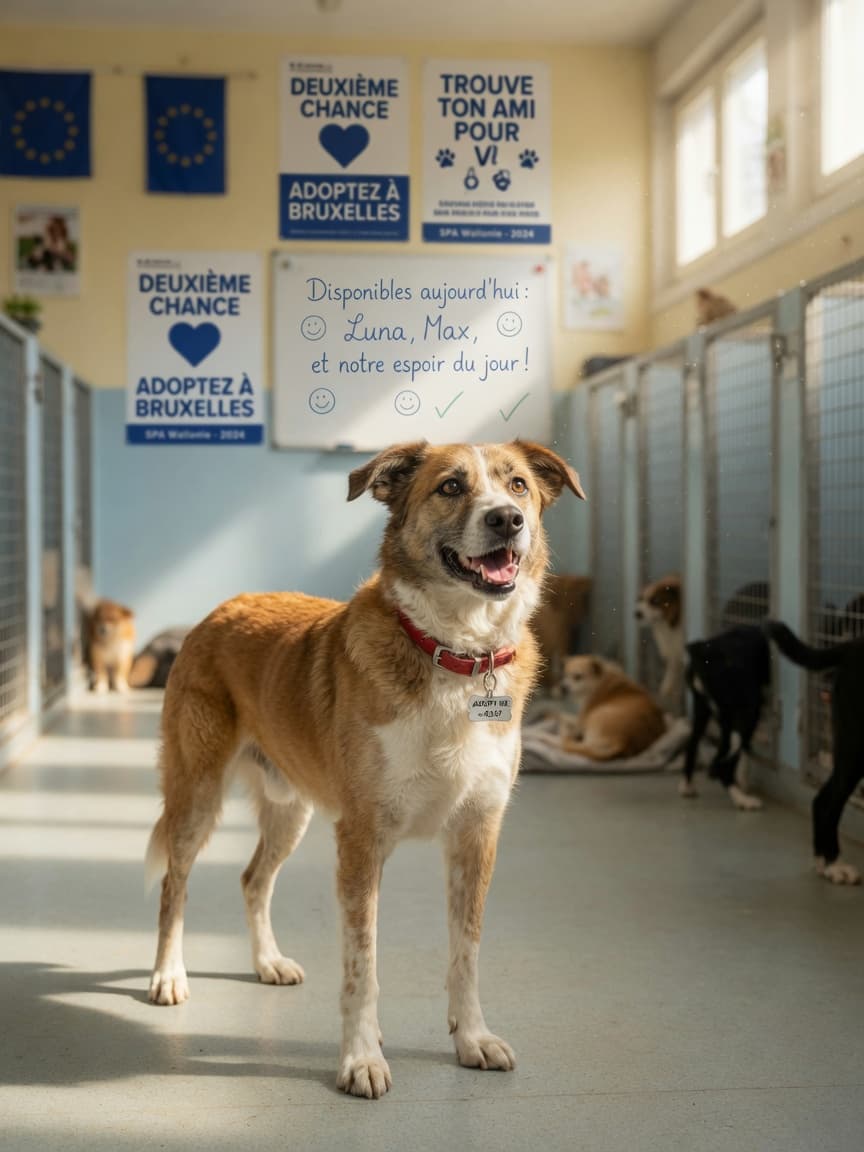
Why Adopting a Dog in Europe Is a Wonderful Choice
Every year, hundreds of thousands of dogs across Europe wait in rescue shelters for a loving home. Adopting rather than buying not only gives a dog a second chance at life but also helps reduce the pressure on overcrowded rescue organisations. Whether you are in France, Germany, Spain, the Netherlands, or any other EU member state, the process of adopting a dog follows a broadly similar framework — though there are important country-specific rules you must understand before committing.
EU Microchipping and Pet Passport Requirements
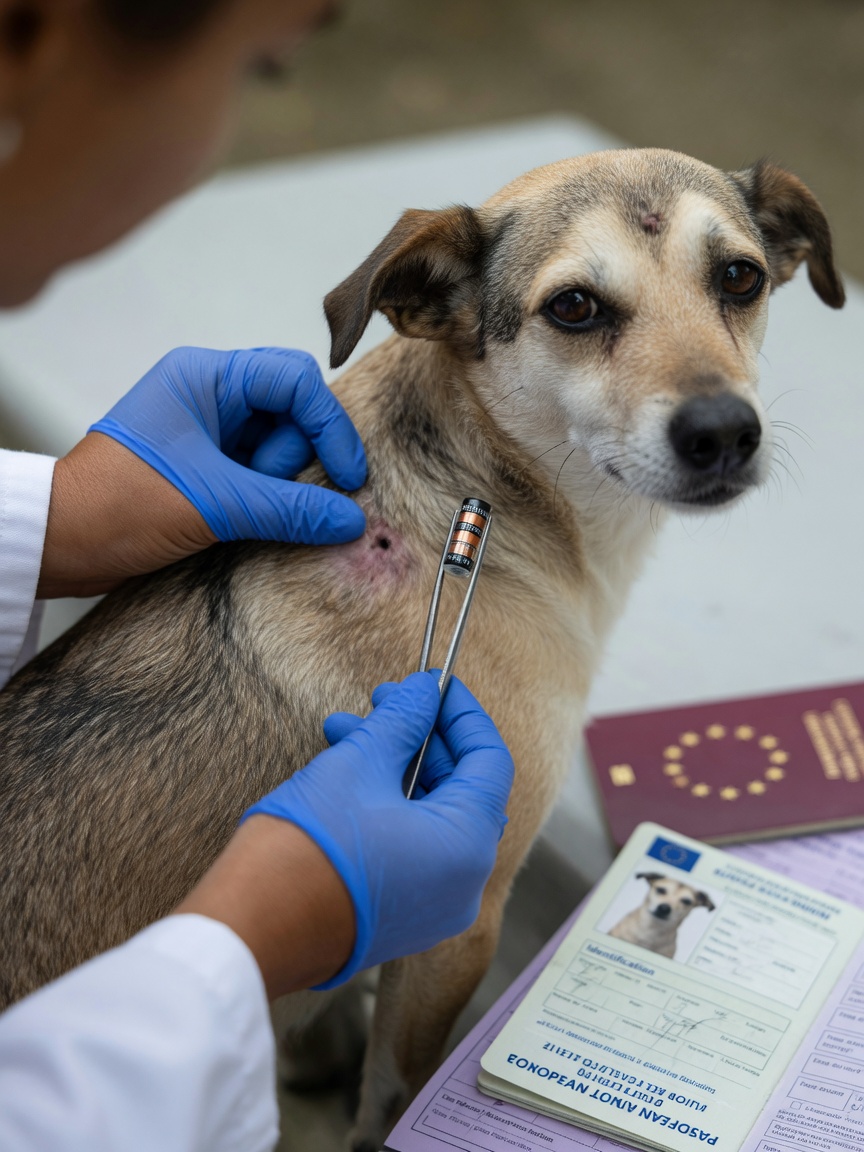
Under EU Regulation 576/2013, any dog moving between EU member states must be microchipped to the ISO 11784/11785 standard. This is a 15-digit chip that any standard veterinary scanner across Europe can read. If a dog you are adopting has an older, non-compliant chip, your vet may recommend adding a second ISO-compliant chip alongside it.
An EU Pet Passport is issued by an authorised veterinarian and records the dog's microchip number, vaccination history (particularly rabies), and owner details. This document is essential for travel within the EU and for adoption from cross-border rescue networks, which are increasingly common — particularly for dogs rescued in Southern and Eastern Europe and rehomed in Northern and Western European countries.
Rescue Organisations Across Europe
Europe has a rich network of reputable rescue organisations. In France, the Société Protectrice des Animaux (SPA) operates shelters nationwide and has a straightforward adoption process requiring an interview and home assessment. In Germany, Tierschutz organisations exist in virtually every region, coordinated partly under the umbrella of the Deutschen Tierschutzbundes. In the Netherlands, the Dierenbescherming runs well-funded shelters with rigorous vetting. Spain's regional shelters (perreras municipales) and private rescues such as Adopta no Compres have large numbers of dogs available. Many UK-based organisations such as Dogs Trust and the RSPCA also work with EU partners, particularly for Southern European rescues.
Always adopt from an organisation that conducts health assessments, behavioural evaluations, and full veterinary checks before placing dogs. Be wary of online adverts offering dogs without proper paperwork.
Breed-Specific Legislation Across the EU
Breed-specific legislation (BSL) varies significantly between EU countries, and it is critical to research the rules in your country — and any country you might travel to — before adopting a particular breed.
- Germany: Each federal state (Land) has its own rules. Several Länder prohibit or restrict ownership of breeds such as the American Pit Bull Terrier, Staffordshire Bull Terrier, and others. Bavaria and North Rhine-Westphalia, for instance, have strict requirements including mandatory muzzling in public.
- France: Dogs are divided into two categories. Category 1 (attack dogs including certain Pit Bull types) are banned from import and must be neutered if already owned. Category 2 (guard dogs including Rottweilers) require a permit, third-party liability insurance, and muzzling in public.
- Spain: The national law on potentially dangerous dogs (Ley 50/1999) was updated in 2023 under the new Animal Welfare Law, which removed breed-specific bans in favour of individual behavioural assessments. However, some regional rules may still apply.
- Italy: Italy removed its national breed ban list in 2009, now assessing dogs individually, though some local ordinances persist.
- Belgium: Regional rules apply — Flanders has restrictions on certain breeds including the American Pit Bull Terrier.
Always check with your local municipal authority and a local vet before adopting a restricted breed.
Health Checks at Adoption
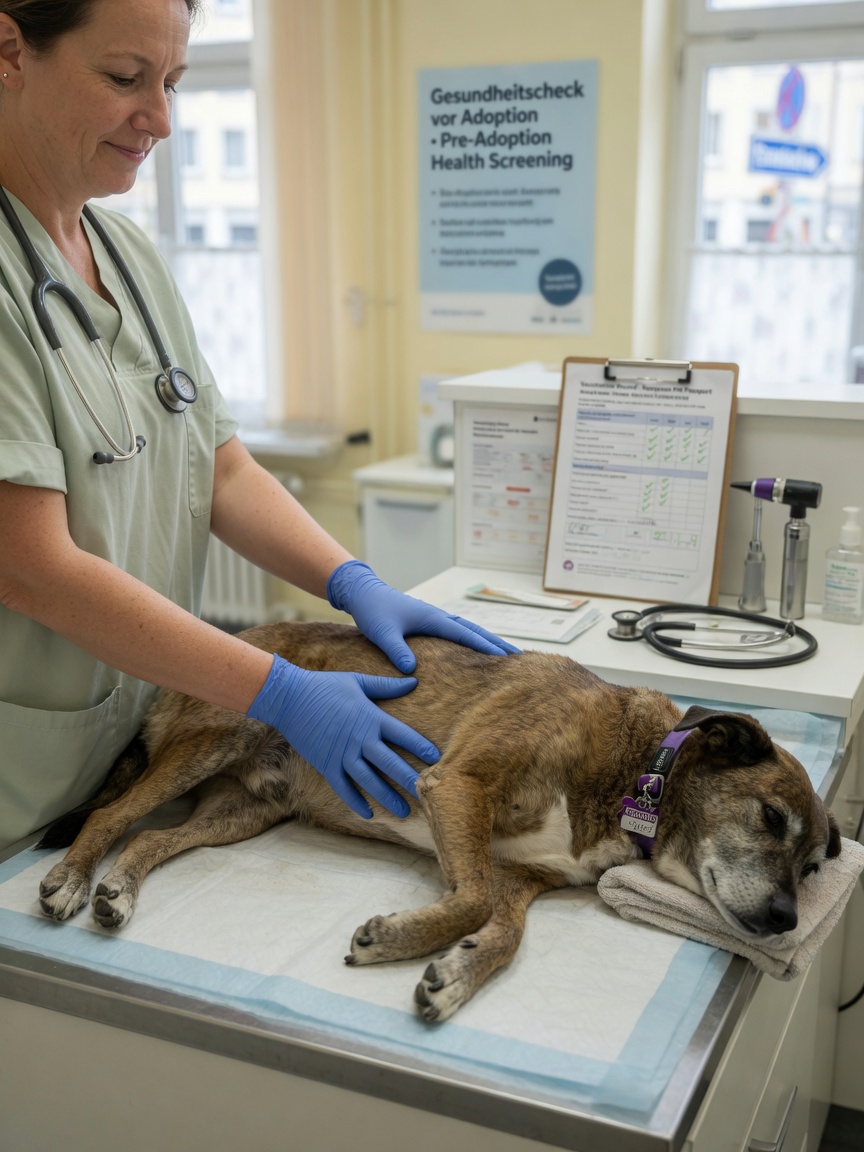
A responsible rescue organisation will provide documentation of the following before handing over a dog:
- Microchip registration and EU Pet Passport
- Up-to-date vaccination record (distemper, parvovirus, hepatitis, leptospirosis as a minimum)
- Treatment for internal and external parasites (following ESCCAP European guidelines)
- Neutering status (or agreement to neuter at appropriate age)
- Results of any breed-specific health screenings where relevant
Dogs rescued from Southern or Eastern Europe may have been exposed to diseases less common in Northern Europe, such as leishmaniasis, heartworm, or ehrlichiosis. Ask the rescue whether the dog has been tested for these conditions.
Quarantine Rules Within the EU
Within the EU, there are no quarantine requirements for dogs travelling with a valid EU Pet Passport and up-to-date rabies vaccination. However, dogs coming from outside the EU, or from countries on the EU's high-risk list, may face additional requirements including a rabies antibody titre test and a waiting period. Your vet or rescue organisation can advise based on the dog's country of origin.
The Cost of Adoption in Europe
Adoption fees across Europe typically range from €100 to €350, depending on the country and organisation. This fee usually covers microchipping, vaccination, neutering, and basic parasite treatment. While this may seem significant, it is far less than the cost of purchasing from a breeder and ensures the dog has received proper veterinary care before coming to you.
Your First Vet Visit: A Checklist
Schedule a full health check with your vet within the first week of adoption. Bring all paperwork provided by the rescue. Your vet will:
- Scan the microchip and confirm it matches the passport
- Review vaccination history and schedule any boosters needed
- Check for signs of parasites (fleas, ticks, intestinal worms)
- Assess general body condition, weight, and dental health
- Advise on appropriate diet for the dog's age, size, and health status
- Discuss neutering if not yet done
- Recommend a parasite prevention plan in line with ESCCAP guidelines
Integration Tips for a Smooth Start
Give your new dog time and space to decompress. Many rescue dogs exhibit the "3-3-3 rule": three days to feel overwhelmed, three weeks to learn your routine, three months to feel at home. Keep the first few days calm, limit visitors, and allow the dog to explore at their own pace.
For supplies, Zooplus offers a wide range of starter essentials including bedding, leads, collars, food bowls, and age-appropriate food — often at competitive prices with delivery across Europe. Setting up a comfortable, safe space before the dog arrives makes the transition much easier for both of you.
Patience, consistency, and positive reinforcement are the cornerstones of a successful adoption. With the right preparation, welcoming a rescue dog into your home is one of the most rewarding decisions you will ever make.