
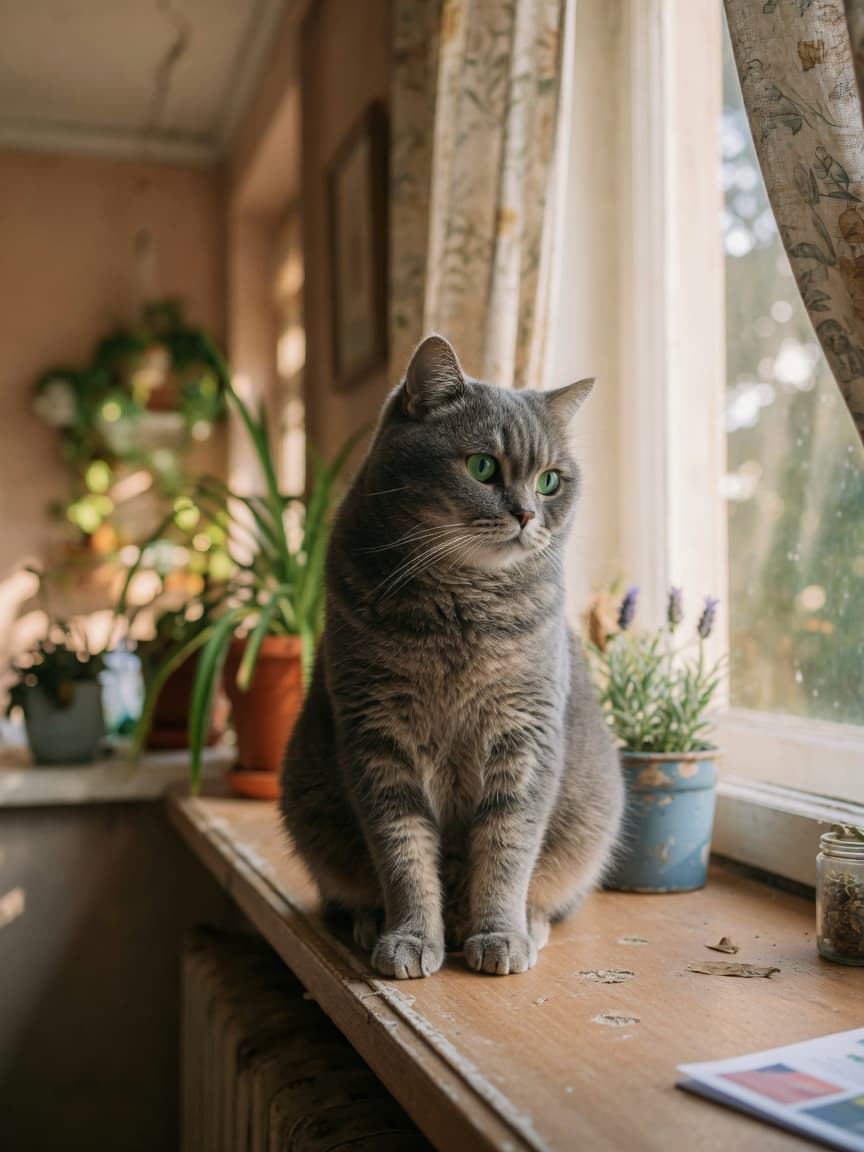
A Beloved Breed With Hidden Health Risks
The British Shorthair is one of the UK's most popular pedigree cats, admired for its calm temperament, plush coat, and round, teddy-bear face. Yet beneath that sturdy exterior lies a genetic landscape that every owner and prospective buyer should understand. Three conditions in particular — hypertrophic cardiomyopathy, polycystic kidney disease, and the rare blood type B — can have serious, even life-threatening consequences if left unaddressed.
Hypertrophic Cardiomyopathy in British Shorthairs
Hypertrophic cardiomyopathy (HCM) is the most common heart disease in cats, and the British Shorthair is among the breeds at elevated risk. The condition causes the walls of the left ventricle to thicken, reducing the heart's ability to pump blood efficiently. In many cats, HCM progresses silently for years before clinical signs appear.
What owners should watch for
Early HCM is often entirely asymptomatic. As the disease advances, signs may include rapid or laboured breathing, lethargy, reduced appetite, and in severe cases, sudden collapse. A particularly dangerous complication is aortic thromboembolism — a blood clot that lodges at the aortic bifurcation, causing acute hind-limb paralysis. This is a veterinary emergency requiring immediate attention.
Screening and genetics
A genetic mutation (MYBPC3) is linked to HCM in Maine Coons and Ragdolls, but British Shorthairs likely carry different, as-yet-unidentified variants. This means DNA tests alone are insufficient. Cardiac screening via echocardiogram, performed by a veterinary cardiologist, remains the gold standard. Reputable breeders screen breeding cats annually; ask to see certificates before purchasing a kitten. Even screened cats can develop HCM, so ongoing monitoring through your vet is advisable.
Polycystic Kidney Disease
Polycystic kidney disease (PKD) is an autosomal dominant condition, meaning a cat needs only one copy of the mutant gene to be affected. Fluid-filled cysts form in the kidneys from birth and slowly expand over years, eventually impairing kidney function and leading to chronic kidney disease (CKD).
Prevalence in the breed
Studies have found PKD in a significant proportion of British Shorthairs, with some estimates suggesting historical rates above 40% in unscreened populations. Concerted breeding programmes and DNA testing have reduced prevalence considerably, but the condition has not been eliminated.
Testing and management
A DNA test for the PKD1 mutation is readily available and reliable. Responsible breeders test all breeding stock and will not breed PKD-positive cats. Ultrasound can detect cysts from around ten months of age. Cats with PKD should receive regular kidney function blood panels, a low-phosphorus diet as disease progresses, and appropriate veterinary management of CKD when required. Always consult your vet before making dietary changes.
Blood Type B: A Transfusion Risk That Can Be Fatal
Unlike most domestic cats, which are blood type A, British Shorthairs have a notably high prevalence of blood type B — some breed surveys suggest rates of 40–60%. A small number are type AB. This matters enormously in two clinical situations.
Neonatal isoerythrolysis
When a type B queen mates with a type A tom, some kittens will be type A. Type B queens carry naturally occurring antibodies against type A blood. When type A kittens nurse in the first 24 hours of life, they absorb these antibodies through colostrum, triggering a potentially fatal haemolytic reaction known as neonatal isoerythrolysis (NI). Affected kittens fade rapidly, becoming weak and jaundiced. Prevention requires blood typing both parents before breeding; if a type B queen is mated with a type A tom, type A kittens must be removed from the queen for the first 24 hours and hand-reared or given colostrum from a type A queen.
Transfusion incompatibility
If a British Shorthair requires a blood transfusion, giving type A blood to a type B cat causes a life-threatening transfusion reaction. Always ensure your vet blood types your cat before any planned procedure that may require transfusion, and carry a record of your cat's blood type.
Responsible Breeding and Buyer Guidance
The three conditions above share a common thread: they are substantially manageable through responsible breeding practice and informed ownership. When acquiring a British Shorthair, ask breeders for documented evidence of cardiac screening (echocardiogram results), PKD DNA test results, and blood type records for both parents. Registered breeders affiliated with recognised feline governing bodies are more likely to follow these protocols, though screening should still be verified rather than assumed.
Ongoing Health Care for British Shorthairs
- Schedule annual veterinary check-ups, including cardiac auscultation.
- Arrange echocardiographic screening every one to two years from adulthood, especially if the cat is intended for breeding.
- Test for PKD via DNA before breeding and confirm with ultrasound.
- Blood type your cat and keep the result on file with your vet.
- Monitor weight carefully — British Shorthairs are prone to obesity, which places additional strain on the heart and kidneys.
- Feed a balanced, age-appropriate diet and discuss renal nutrition with your vet if kidney cysts are identified.
- Contact your vet immediately if you notice any breathing difficulty, sudden weakness, or hind-limb problems.
The British Shorthair's health challenges are real, but they are not inevitable. With diligent screening, attentive ownership, and a trusted veterinary team, many of these cats enjoy long, comfortable lives well into their teens. Knowledge is the most powerful tool an owner has.