
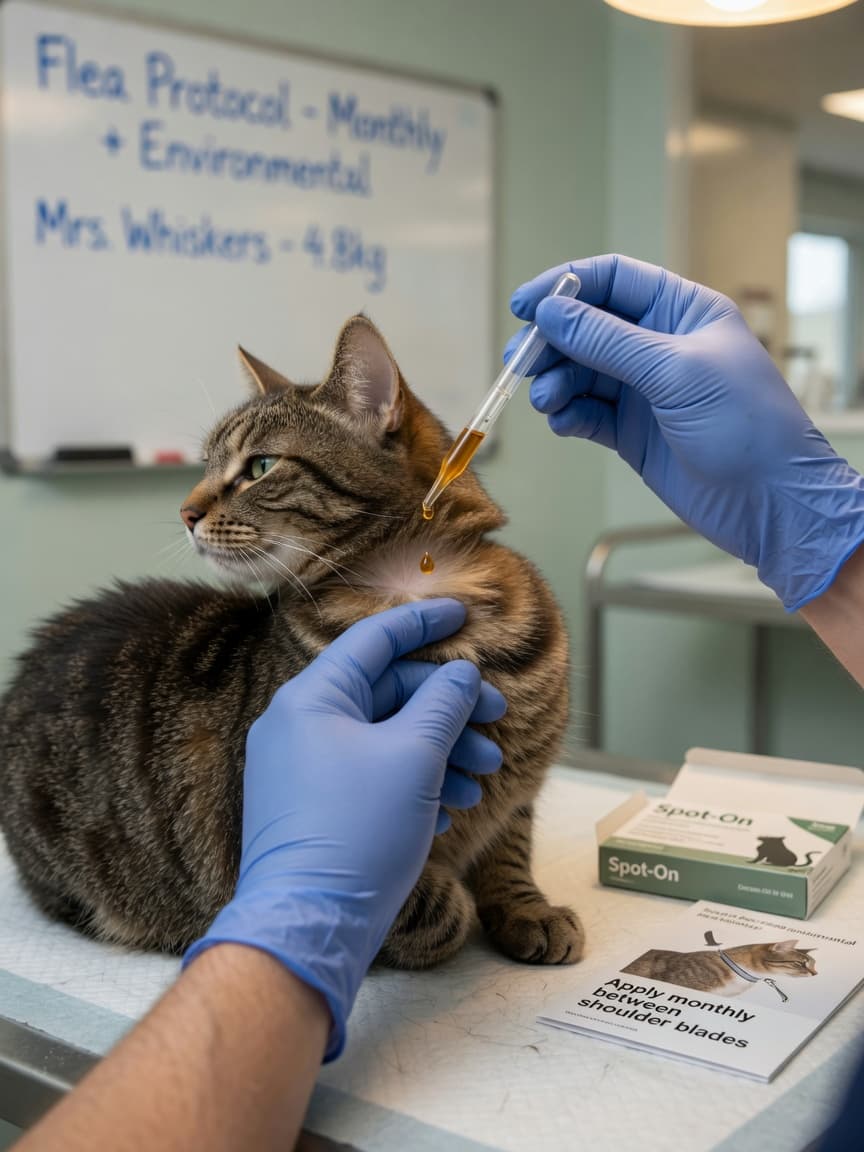
Fleas are one of the most common parasitic challenges cat owners face in Europe, and selecting the right treatment can feel overwhelming with so many options available. The good news is that modern flea medications are significantly safer and more effective than ever before. However, not all treatments are suitable for every cat, and understanding your options will help you make an informed decision that protects your feline friend whilst minimising health risks. This guide will walk you through the key considerations and help you find the safest flea medication for your individual cat.
Understanding the Types of Flea Medication
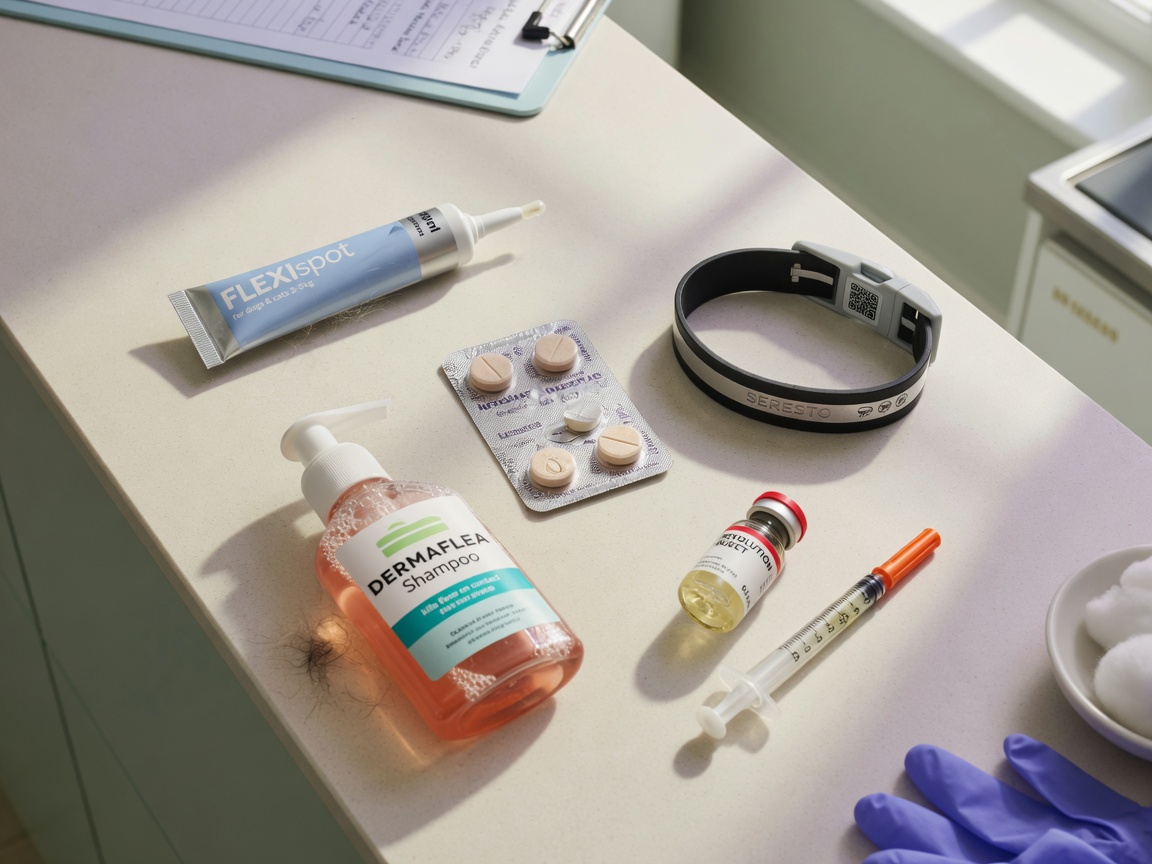
Flea treatments fall into several categories, each with different safety profiles and effectiveness levels:
- Topical treatments (spot-on solutions): Applied directly to the skin at the base of the neck, these are absorbed through the skin or coat
- Oral medications: Tablets or chewables administered by mouth that work systemically
- Collars: Gas-emitting or contact-based collars that repel or kill fleas
- Injectable treatments: Prescription medications administered by your veterinary surgeon
- Flea shampoos and sprays: Generally less effective but useful for immediate relief
Each category has varying levels of efficacy and safety considerations, which we'll explore further.
Key Safety Considerations for Cats
Cats are particularly sensitive to certain chemicals, which is why choosing cat-specific treatments is essential. Cats lack specific liver enzymes that help metabolise certain compounds, making them more vulnerable to toxicity from dog-formulated treatments.
Consider these important factors:
- Always use cat-specific formulations—never use dog products on your cat
- Check your cat's weight to ensure correct dosing
- Review your cat's health history, particularly liver and kidney function
- Note any medications your cat currently takes
- Consider your cat's age—kittens and senior cats require special consideration
Consulting Your Veterinary Surgeon

Your veterinary surgeon remains your best resource for personalised advice. Before choosing a flea medication, schedule a consultation to discuss:
- Your cat's current health status and any pre-existing conditions
- Your cat's age and weight
- Any previous adverse reactions to flea treatments
- Your lifestyle and flea control needs
- Indoor versus outdoor exposure risks
Your vet can recommend prescription-strength treatments that offer superior safety profiles and often provide better protection than over-the-counter alternatives.
Safety Features of Modern Flea Medications
Contemporary flea treatments have been extensively tested for safety. Many modern formulations use active ingredients like pyrethroids, neonicotinoids, or macrocyclic lactones that target flea nervous systems without significantly affecting mammalian biology when used correctly.
Look for treatments that:
- Have undergone rigorous clinical trials specifically in cats
- Include clear safety information for kittens (many require cats to be at least 8 weeks old)
- Specify duration of protection and reapplication schedules
- Include information about potential side effects
- Are from reputable manufacturers with established quality standards
Monitoring for Adverse Reactions
Even safe medications can occasionally cause reactions in individual cats. After applying any flea treatment, monitor your cat for:
- Excessive grooming or scratching at the application site
- Lethargy or unusual behaviour
- Vomiting or diarrhoea
- Tremors or neurological symptoms
- Skin irritation or hair loss
If you notice any concerning symptoms, contact your veterinary surgeon immediately and have the medication packaging available.
Key Takeaways
Choosing a safe flea medication for your cat requires careful consideration of your individual pet's health, age, and lifestyle. Always prioritise cat-specific treatments prescribed or recommended by your veterinary surgeon over generic or off-label options. Modern flea medications are generally safe and highly effective when used correctly, but personalised guidance from your vet ensures you're making the best choice for your feline companion. By taking these steps, you'll protect your cat from fleas whilst maintaining their overall health and wellbeing.