
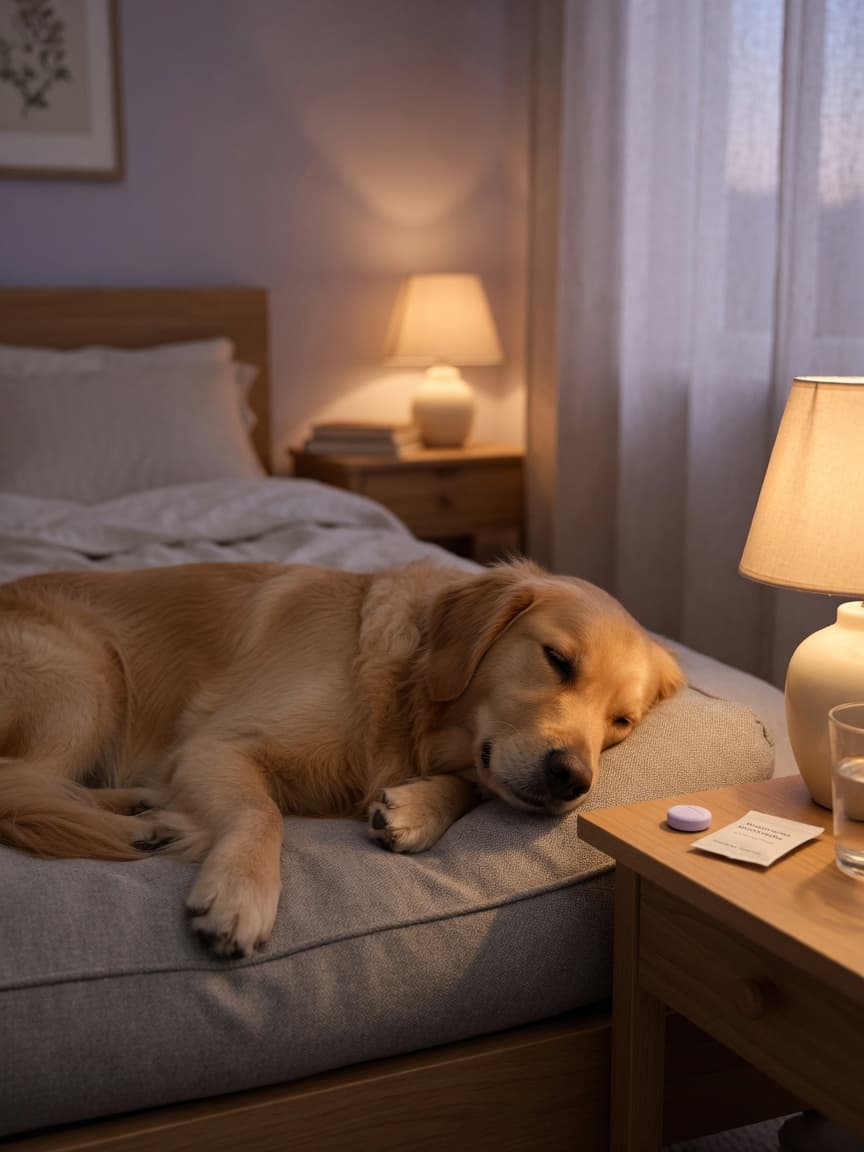
Understanding Melatonin in Dogs
Melatonin is a hormone produced naturally by the pineal gland in both humans and dogs. It plays a central role in regulating the sleep-wake cycle, responding to changes in light and darkness to signal to the body that it is time to rest. In veterinary practice, supplemental melatonin has been used for a range of conditions beyond sleep regulation, including anxiety, noise phobias, and certain hormonal disorders such as alopecia X in Nordic breeds.
Interest in melatonin for anxious dogs has grown considerably, partly because it is widely available over the counter, relatively affordable, and carries a low risk of serious side effects compared with prescription anxiolytics. However, using it appropriately requires some understanding of how it works and what the current evidence actually supports.
How Melatonin Affects the Canine Brain
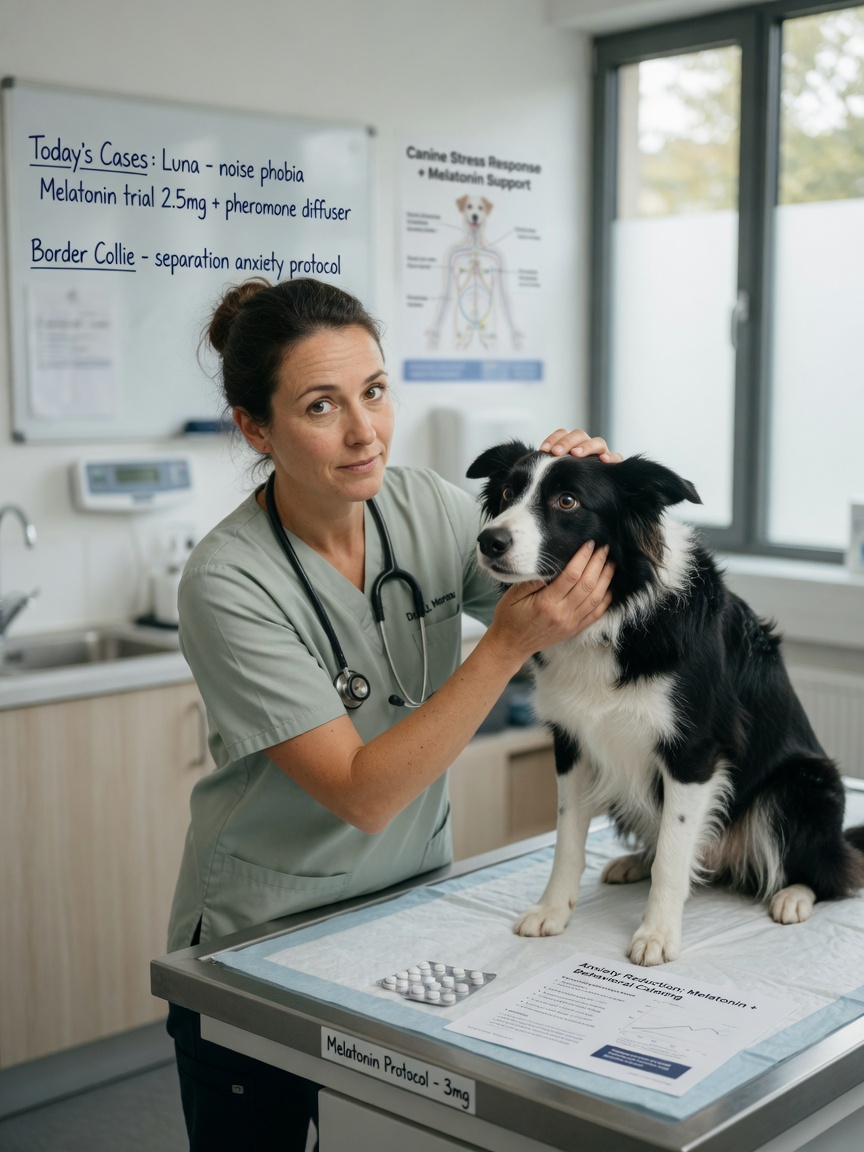
In dogs, melatonin binds to receptors in the brain that influence sleep architecture, circadian rhythm, and mood regulation. It does not work in the same way as sedative drugs — it does not knock a dog out or suppress the central nervous system in the way that acepromazine does, for example. Instead, its calming effect is more subtle, promoting a state of drowsiness and reduced arousal that can take the edge off mild to moderate anxiety.
The mechanism is thought to involve modulation of neurotransmitter systems including serotonin and dopamine pathways, and some researchers believe melatonin's antioxidant properties may also play a role in its neuroprotective and anxiolytic effects. However, it is worth stating clearly that large-scale controlled clinical trials specifically on melatonin for canine anxiety are still limited. Much of the veterinary use is based on anecdotal evidence, case reports, and extrapolation from human research.
What Conditions Might Melatonin Help With
- Sleep disruption in elderly dogs, particularly those with canine cognitive dysfunction
- Noise phobias such as fireworks or thunderstorms when given prior to the event
- Separation anxiety as part of a broader management plan
- Generalised anxiety in dogs that are described as chronically nervous or reactive
- Post-surgical recovery where rest and calmness are beneficial
Veterinary dermatologists have also used melatonin to treat alopecia X, a cosmetic coat condition seen in Pomeranians, Samoyeds, and similar breeds, though this is a separate application and not related to anxiety management.
Safe Dosing Guidelines for Dogs
Dosing recommendations for melatonin in dogs are not formally standardised, but general guidance used in veterinary practice is as follows:
- Dogs under 5 kg: 1 mg
- Dogs between 5 and 15 kg: 1.5 mg
- Dogs between 15 and 40 kg: 3 mg
- Dogs over 40 kg: 3 to 6 mg
These doses are typically given once or twice daily, or approximately 30 minutes before a known stressor. Always start at the lower end of the range and monitor your dog's response. Melatonin takes effect relatively quickly — usually within 30 to 60 minutes — and its effects last around four to eight hours depending on the formulation.
It is strongly advised to speak with your vet before starting melatonin, particularly if your dog is on any other medications or has an underlying health condition. As a hormone, it is not entirely without physiological effect, and appropriate supervision is important.
What to Avoid: The Xylitol Warning
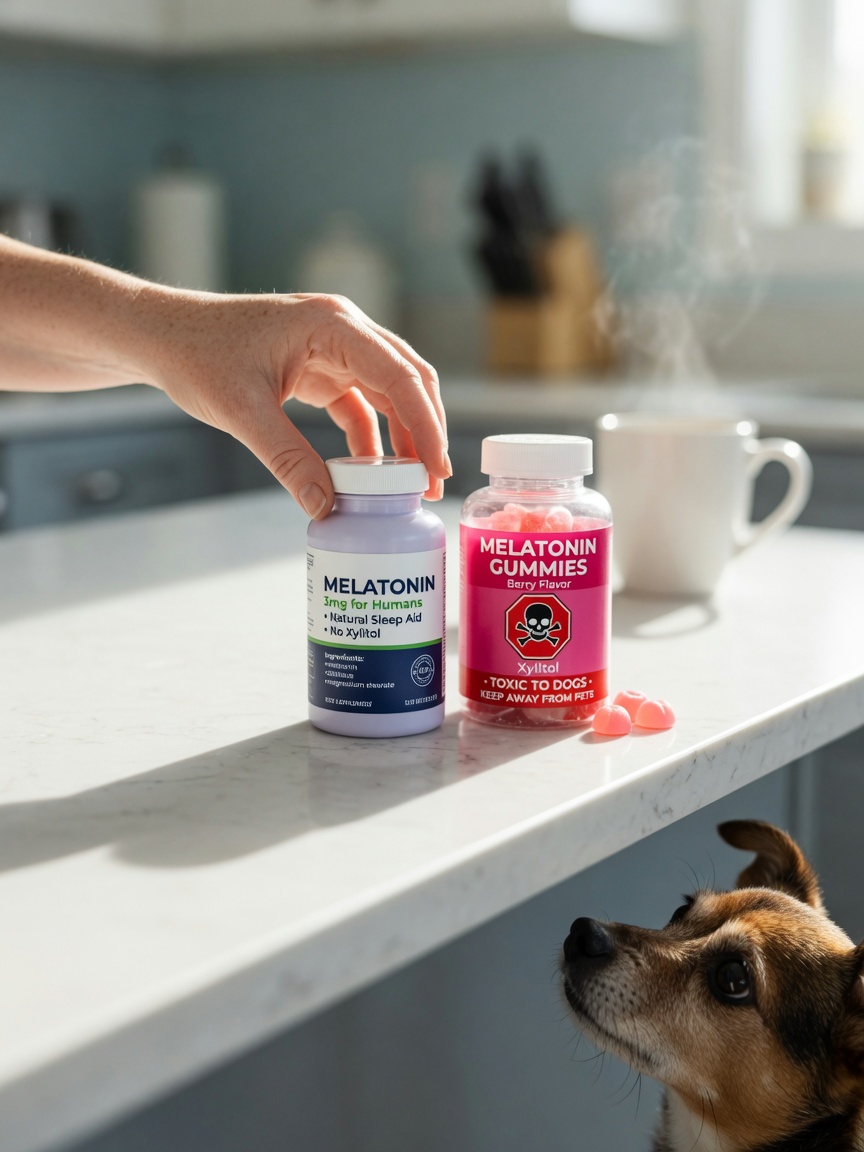
This point cannot be overstated. Many human melatonin supplements — particularly gummies, chewable tablets, and flavoured formulations — contain xylitol as a sweetener. Xylitol is highly toxic to dogs, capable of causing a rapid and dangerous drop in blood sugar as well as severe liver damage, even in small amounts.
Always read the full ingredients list before giving any melatonin product to your dog. Use plain tablets or capsules without flavouring additives, and ideally choose a product specifically formulated for veterinary use or confirmed xylitol-free by a pharmacist. Do not assume that a product marketed as natural is automatically safe.
Potential Side Effects and Contraindications
Melatonin is generally well tolerated in dogs, but side effects can include excessive drowsiness, digestive upset, and in some individuals, increased anxiety — a paradoxical response that has been noted in both animals and humans. Female dogs that are intact should be used with caution, as melatonin can influence reproductive hormone cycles. It should also be used carefully in diabetic dogs, as it may affect insulin sensitivity.
Dogs with autoimmune conditions, those on immunosuppressive therapy, or animals with thyroid disorders should only use melatonin under direct veterinary guidance.
Melatonin as Part of a Broader Plan
Melatonin works best when used as one component of a more comprehensive approach to anxiety management. Behavioural modification, consistent routines, environmental enrichment, and appropriate exercise all contribute meaningfully to a dog's mental wellbeing in ways that no supplement alone can replicate.
For dogs with severe or complex anxiety, a full consultation with a veterinary behaviourist will provide access to properly validated treatments including licensed medications and structured behaviour therapy programmes. Melatonin is a useful, accessible tool — but it sits comfortably in the mild-to-moderate range of interventions, and honest expectations are important when introducing it.