
A Hormone Your Dog Already Produces — But When Does Supplementing It Actually Help?
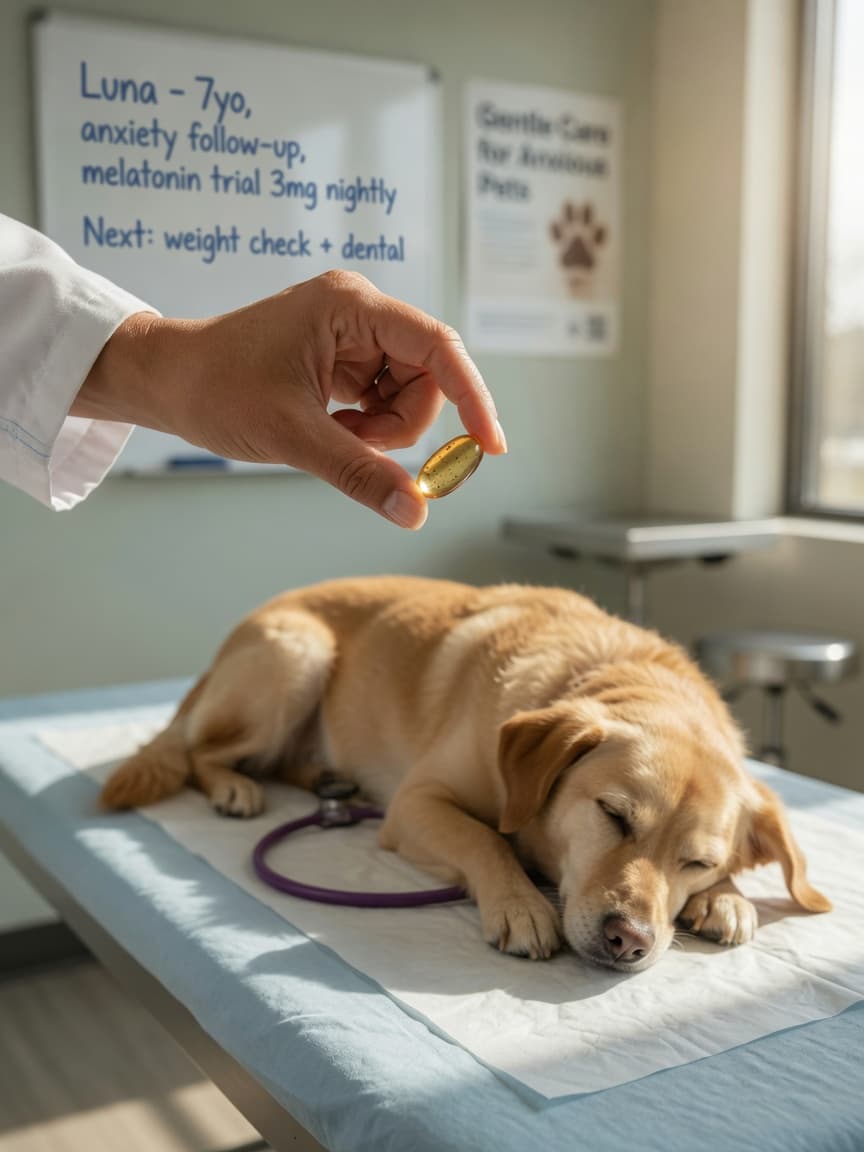
Melatonin is not a trend supplement. It is a naturally occurring hormone produced by the pineal gland in response to darkness, and it plays a central role in regulating circadian rhythm, sleep onset, and certain hormonal cycles. In veterinary practice, supplemental melatonin has genuine, evidence-supported applications across three distinct areas: sleep disruption, anxiety, and a specific endocrine-related condition called Alopecia X. Understanding where the evidence is strong — and where it is more speculative — allows you to use it appropriately.
Melatonin for Sleep and Circadian Disruption
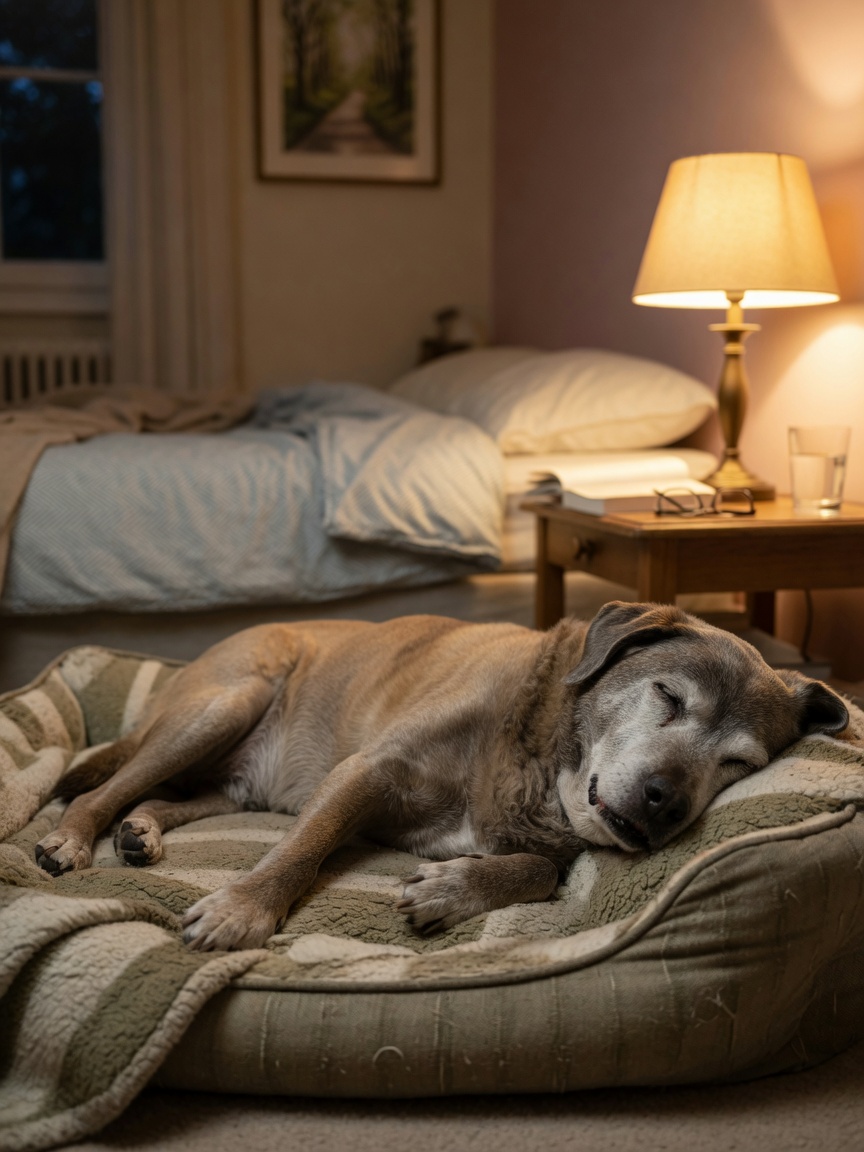
Dogs can experience disrupted sleep for a range of reasons: cognitive dysfunction syndrome in senior dogs, environmental changes, travel across time zones, or the disruption that follows illness or surgery. Melatonin supports sleep onset by signalling to the brain that night has arrived, reducing alertness and preparing the body for rest.
In dogs with cognitive dysfunction — the canine equivalent of dementia — nighttime restlessness is a common and distressing symptom. Small studies and veterinary clinical experience suggest melatonin can help restore more regular sleep-wake cycles in affected dogs. It is not a cure, but it can provide meaningful quality-of-life improvements when given 30 to 60 minutes before the dog's sleep period.
Melatonin for Anxiety and Noise Phobia
Melatonin's role in anxiety management operates through its interaction with benzodiazepine receptors and its dampening effect on the hypothalamic-pituitary-adrenal axis — the stress response system. Practically, this means it can reduce the physiological arousal associated with anxiety.
For situational anxiety — particularly noise phobia from fireworks, thunderstorms, or other sudden loud events — melatonin has reasonable supporting evidence and is frequently recommended by veterinarians as a first-line natural option. It is fast-acting when given orally, typically producing effects within 30 to 45 minutes. Unlike some herbal remedies, it has a clear mechanistic rationale and a well-characterised safety profile.
It is less useful for chronic generalised anxiety, where the underlying neurological drivers require more sustained intervention. In those cases, it may be used as an adjunct to behavioural therapy rather than a standalone treatment.
Melatonin for Alopecia X
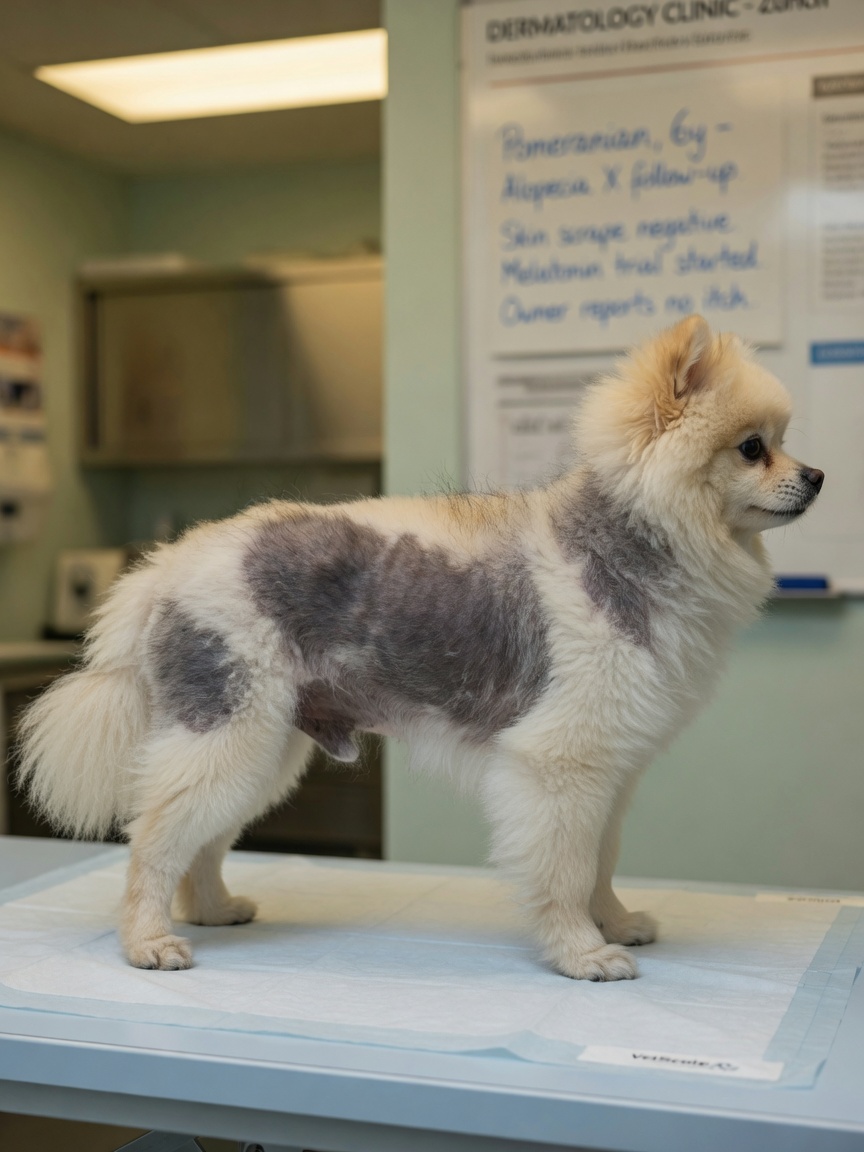
Alopecia X — sometimes called growth hormone-responsive alopecia or black skin disease — is a poorly understood cosmetic condition primarily affecting Nordic breeds such as Pomeranians, Samoyeds, and Chow Chows. It causes symmetrical hair loss across the trunk and darkening of the skin, without systemic illness. The exact mechanism remains debated, but it appears to involve disruption of the sex hormone and growth hormone axis.
Melatonin is considered a first-line treatment for Alopecia X in many veterinary dermatology guidelines, primarily because of its favourable safety profile relative to other hormonal interventions. The proposed mechanism involves melatonin's inhibitory effect on gonadal steroid production and its possible stimulation of hair follicle cycling. Response rates are reported at roughly 30–40% in the literature, with regrowth typically beginning within two to three months if the treatment is going to work.
It is important to understand that Alopecia X is a cosmetic condition — it does not affect the dog's health or longevity. Treatment is optional, and a veterinary diagnosis to rule out other endocrine causes of hair loss, such as hypothyroidism or hyperadrenocorticism, should always precede any treatment.
Dosing Guidelines
Dosing recommendations in veterinary literature vary somewhat, but the following ranges are commonly cited. Always confirm with your vet before administering, particularly for puppies, pregnant dogs, or dogs on other medications.
- Small dogs (under 10 kg): 1 mg, given 30–60 minutes before sleep or an anticipated stressor.
- Medium dogs (10–25 kg): 1.5–3 mg per dose.
- Large dogs (over 25 kg): 3–6 mg per dose.
- For Alopecia X: doses of 3–6 mg are typically given two to three times daily for an initial trial period of two to three months.
Safety Considerations and What to Avoid
Melatonin is generally considered safe for short to medium-term use in dogs, but several important cautions apply.
- Avoid products containing xylitol, an artificial sweetener found in some human melatonin formulations that is toxic to dogs.
- Do not use in intact female dogs intended for breeding, as melatonin may interfere with reproductive cycles.
- Use with caution in dogs with autoimmune conditions, as melatonin can modulate immune function.
- Long-term, continuous use has not been thoroughly studied in dogs — periodic reassessment with your vet is sensible.
- Possible side effects include drowsiness, digestive upset, and, rarely, increased appetite or changes in fertility.
Melatonin sits in a useful middle ground between lifestyle intervention and pharmaceutical treatment. For sleep disruption, situational anxiety, and Alopecia X, the evidence and clinical experience support its consideration — provided it is used correctly, at appropriate doses, and with a confirmed diagnosis guiding the decision.