ForPetsHealthcare
Natural Remedies

When to Start Flea Prevention for Puppies

By Julia WrenfieldUpdated August 4, 20262 min read
Evidence-based · Sources checked
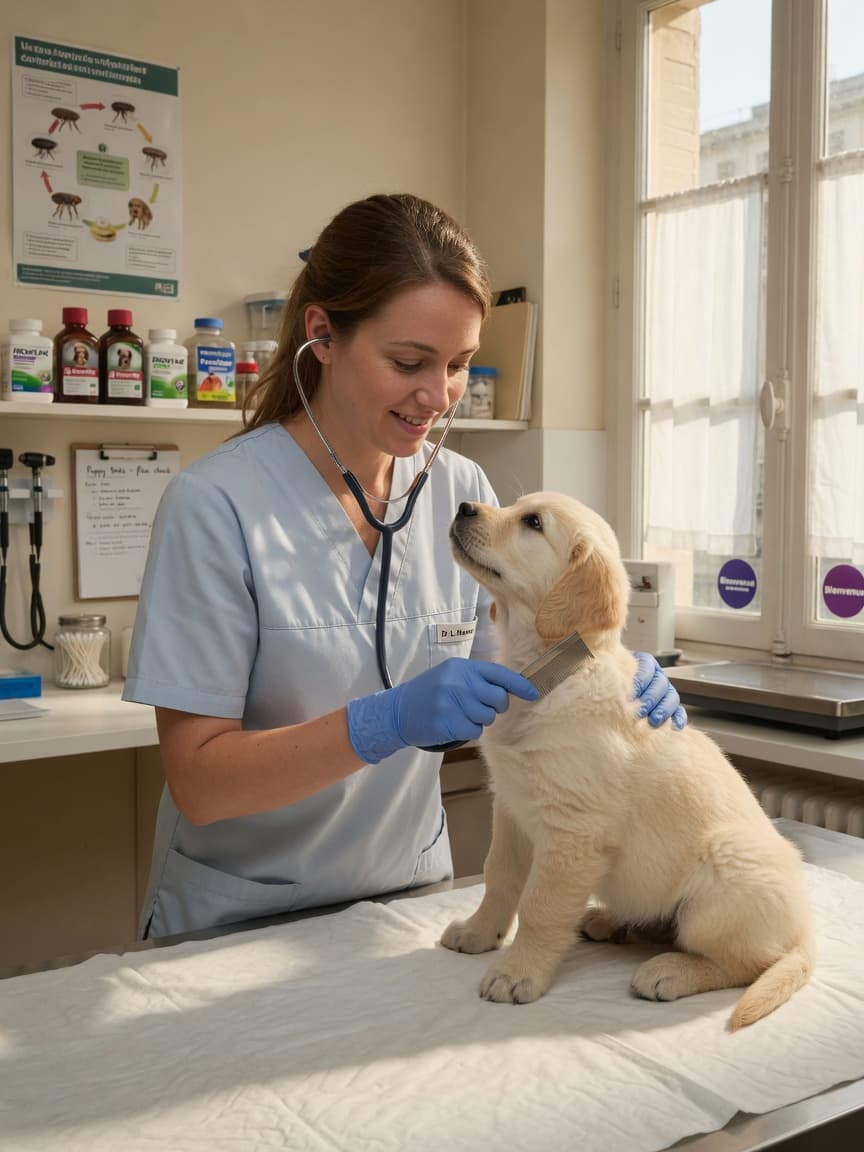
{"en": "Young puppy being examined by veterinarian for flea prevention care", "es": "Cachorro joven siendo examinado por veterinario para prevenci\u00f3n de pulgas", "fr": "Jeune chiot examin\u00e9 par un v\u00e9t\u00e9rinaire pour la pr\u00e9vention des puces", "de": "Junger Welpe wird vom Tierarzt auf Flohpr\u00e4vention untersucht", "nl": "Jonge puppy wordt door dierenarts onderzocht voor vlooienpreventie", "pt": "Filhote jovem sendo examinado por veterin\u00e1rio para preven\u00e7\u00e3o de pulgas", "it": "Cucciolo giovane esaminato dal veterinario per la prevenzione delle pulci"}

Fleas can infest puppies very young — and some flea products are not safe for young animals. Knowing when and how to start protection is essential.

When Puppies Can Get Fleas
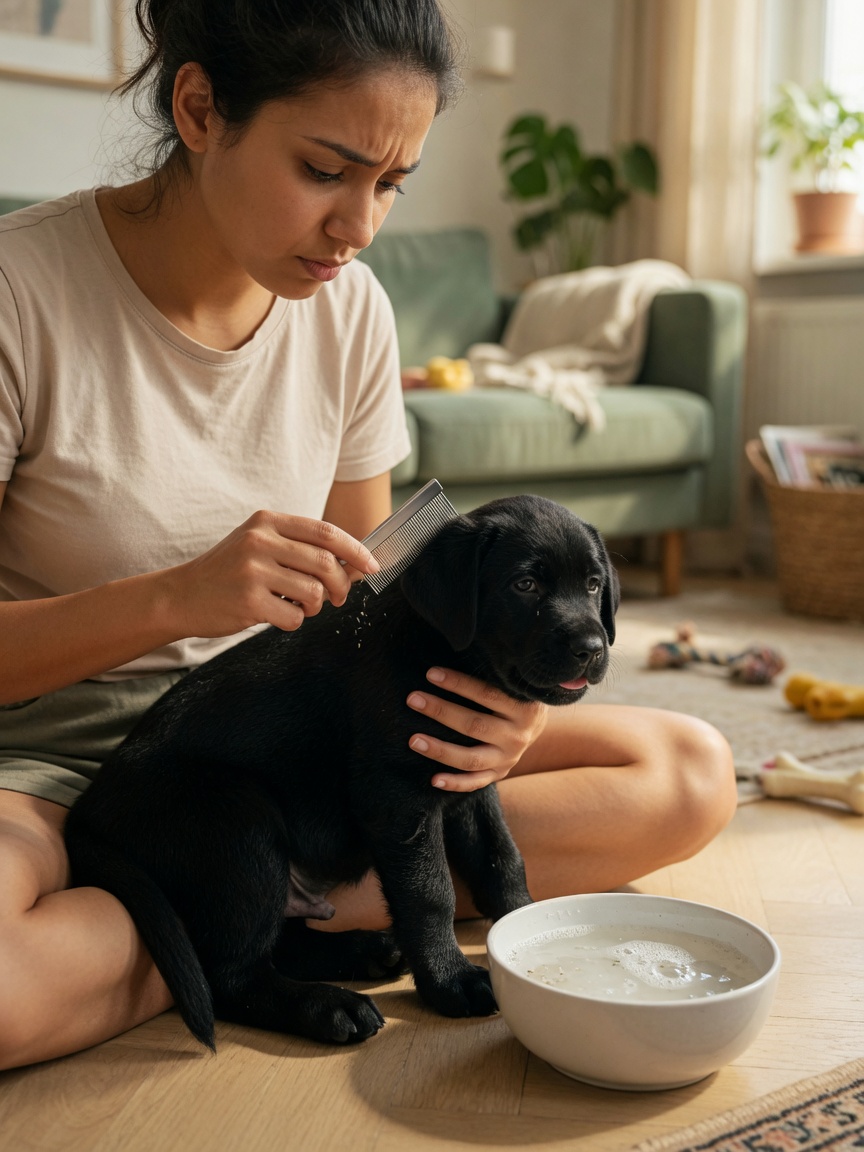
Owner using a fine-toothed comb on a young black Labrador puppy over a bowl of soapy water at home

Puppies can pick up fleas from their mother, environment, or other animals almost from birth. Young puppies are particularly vulnerable because they cannot regulate body temperature well — a heavy flea burden can cause anaemia (blood loss) which is life-threatening in very young animals.

Minimum Age for Flea Treatment

  • Most prescription spot-on treatments: safe from 8 weeks
  • Some prescription products: safe from 6 weeks (check label)
  • Flea collars: check individual product — many are not suitable for puppies
  • Flea shampoos: most not suitable before 12 weeks
  • Natural treatments (e.g. neem): safety not well established in young puppies

Safe Options Under 8 Weeks

If a very young puppy has fleas: fine-toothed flea comb through the coat, dipping the comb in warm soapy water to kill collected fleas. Ask your vet for guidance for puppies under 8 weeks.

From 8 Weeks: Prescription Treatment
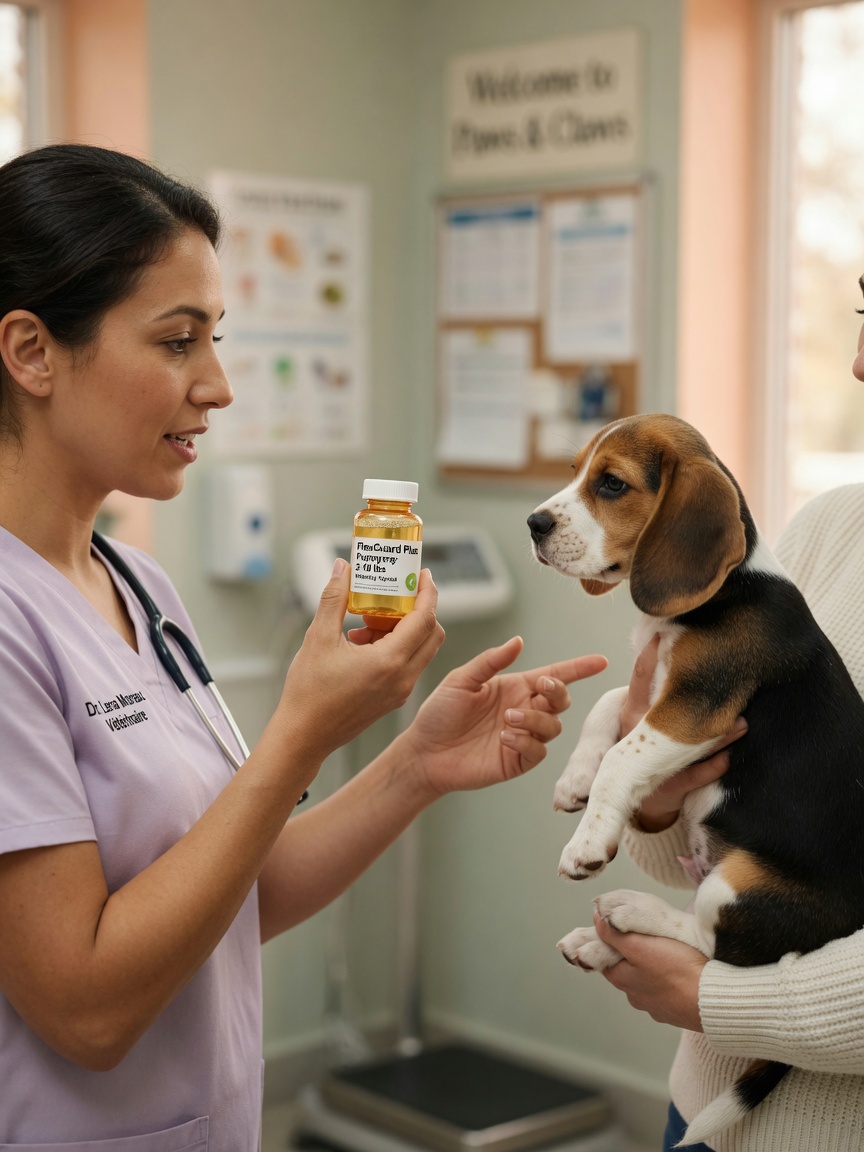
Veterinarian discussing prescription flea prevention with a puppy owner holding their 8-week-old Beagle

From 8 weeks, discuss prescription flea prevention with your vet. Prescription products (NexGard, Bravecto, Simparica) are far more effective than supermarket products and safe when used correctly for age and weight.

Monthly or 3-Monthly?

Most prescription treatments are monthly. Bravecto lasts 3 months. Year-round treatment is recommended in most of Europe, as flea season now extends almost year-round due to warmer temperatures and heated homes.

#when to start flea prevention puppies#forpetshealthcare

Sources & further reading

This article is based on peer-reviewed veterinary research and reputable animal-health sources. Explore the underlying science in our Research Library.

Related articles

What is the Difference Between Hemp Seed Oil and CBD Oil?

If you've been browsing pet health supplements recently, you've likely encountered both hemp seed oil and CBD oil mentioned in the same breath. Whilst these products come from the same plant, they are fundamentally different compounds with distinct properties and effects on your pet's health. Unders…

Read more →

What is CBD Extraction, and Why Does it Matter?

If you've been exploring CBD products for your pets, you've likely encountered the term "extraction method" without fully understanding what it means or why it matters. The truth is, how CBD is extracted from the hemp plant directly affects the quality, purity, and safety of the product your dog or …

Read more →

Does CBD Oil Need to Be Refrigerated? Quick Storage Guide

If you're giving your dog or cat CBD oil as part of their wellness routine, you've likely wondered about the best way to store it. Unlike some supplements, CBD oil's shelf life and potency depend heavily on how you keep it—and temperature plays a crucial role. In this guide, I'll walk you through ev…

Read more →

Does CBD Get You High?

If you've been researching CBD for your pet, you've likely encountered the question: "Will it make my dog or cat high?" It's one of the most common concerns pet owners express when considering cannabidiol (CBD) as a wellness supplement. The short answer is no—CBD won't get your pet high. However, un…

Read more →

Can Humans Take Pet CBD Oil? Safety, Differences, and Risks Explained

You've probably noticed the explosion of CBD products on the market—from pet supplements for your dog's anxiety to wellness oils for your own health. But if you're eyeing that bottle of CBD oil sitting on your shelf meant for your pet, you might be wondering: could you take it safely? The answer is …

Read more →

How Can CBD + CBDA Help with Joint Discomfort in Dogs?

If your dog struggles with stiffness, limping, or reluctance to jump and play, joint discomfort could be affecting their quality of life. Whilst traditional pain management options exist, many pet owners are exploring cannabidiol (CBD) and cannabidiolic acid (CBDA)—two compounds derived from hemp pl…

Read more →
Disclaimer:This article is for informational purposes only and does not constitute veterinary advice. Always consult a qualified veterinarian for your pet's health concerns.

Free newsletter

Pet health tips, straight to your inbox

Weekly science-backed advice for dog & cat owners. No spam, unsubscribe anytime.