
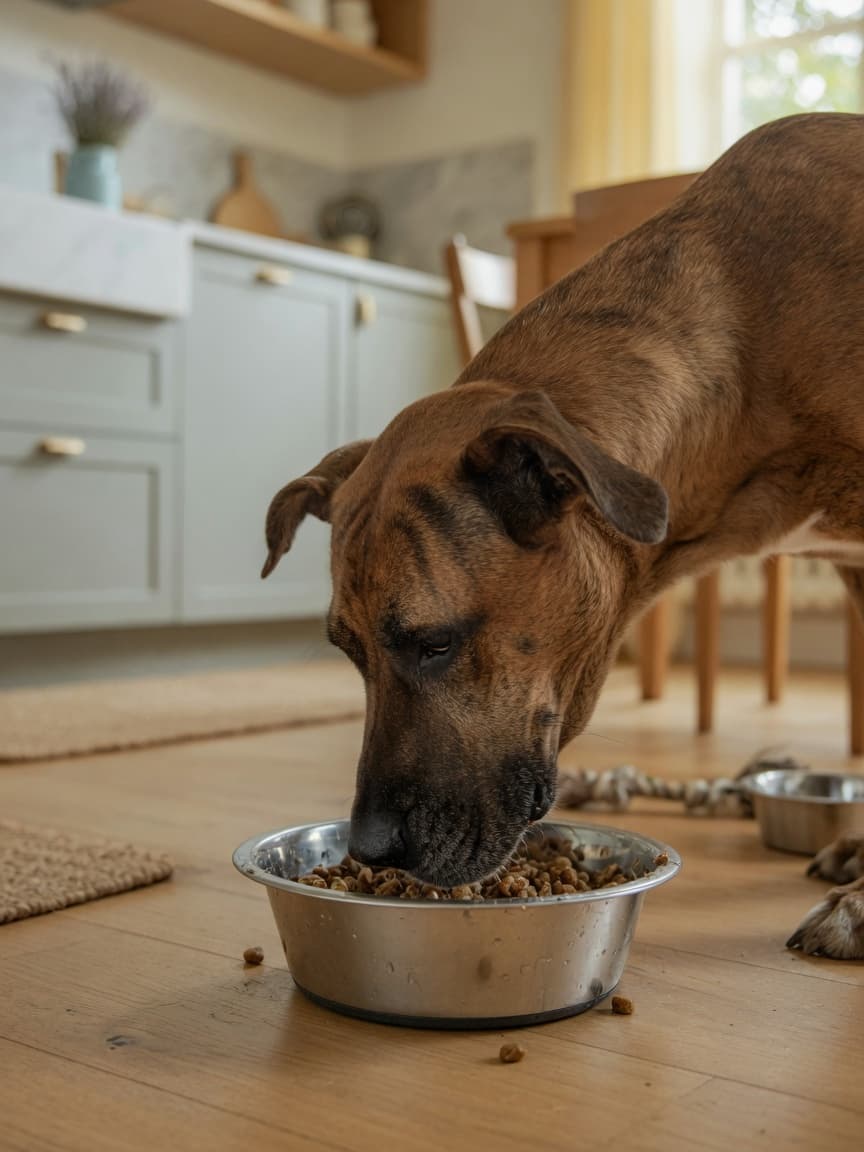
Great Danes are one of the most impressive dog breeds in the world, often referred to as the "Apollo of Dogs" for their striking appearance and gentle nature. Despite their enormous size, these magnificent animals are surprisingly gentle giants who make wonderful family companions. If you're considering welcoming a Great Dane into your home, understanding their growth patterns and final size is essential for proper planning, nutrition, and care. This guide will help you navigate the journey from puppy to full-grown adult.
The Final Size: What to Expect
Great Danes are among the tallest dog breeds, standing between 71–86 centimetres (28–34 inches) at the shoulder, with some individuals even exceeding these measurements. Males typically weigh between 54–91 kilograms (120–200 pounds), whilst females generally range from 45–68 kilograms (100–150 pounds). However, it's important to remember that individual variation exists, and factors such as genetics, diet, and exercise significantly influence final size.
The breed standard doesn't focus solely on height; it emphasises proper proportions and muscular development. A well-built Great Dane should appear elegant and balanced, not simply enormous.
Growth Timeline: From Puppy to Adult
Great Danes follow a predictable growth pattern, though they mature more slowly than smaller breeds:
- 8–12 weeks: Puppies weigh approximately 11–23 kilograms (25–50 pounds) and grow rapidly
- 3–4 months: Growth accelerates, with puppies reaching 27–36 kilograms (60–80 pounds)
- 6 months: Most puppies weigh 36–54 kilograms (80–120 pounds)
- 12 months: Nearly full height is achieved, weighing 59–77 kilograms (130–170 pounds)
- 18–24 months: Full adult size and maturity are reached
Unlike smaller breeds that reach full maturity by 12 months, Great Danes continue filling out until approximately two years of age. This extended growth period requires careful nutritional management and monitoring.
Factors Affecting Growth and Size
Several elements influence how large your Great Dane will ultimately become:
- Genetics: Parental size is the strongest predictor of puppy size. Reputable breeders maintain records of ancestral sizes.
- Nutrition: Proper protein and calcium balance during growth is crucial. Overfeeding, particularly of large-breed puppy formulas, can cause developmental problems.
- Exercise: Appropriate activity levels support healthy bone development without causing injury.
- Health conditions: Hormonal disorders and other medical issues can affect growth patterns.
- Sex: Males consistently grow larger than females.
Nutritional Considerations for Growing Danes
Feeding a growing Great Dane requires precision. Large-breed puppies need specially formulated diets with controlled calcium and phosphorus levels to prevent joint and bone problems. Your veterinary surgeon should guide feeding recommendations based on your puppy's individual growth rate.
Avoid free-feeding (leaving food available continuously) with this breed, as overfeeding accelerates growth, potentially causing developmental orthopaedic disease and joint problems. Instead, implement measured meals two to three times daily, monitoring body condition regularly.
Health Implications of Giant Growth
The rapid growth that makes Great Danes so impressive also presents health challenges. Their skeletal system develops quickly, placing stress on bones, joints, and the cardiovascular system. Hip dysplasia, bloat (gastric torsion), and heart conditions are common in the breed. Regular veterinary check-ups during the growth phase are essential for early identification of problems.
Avoid strenuous exercise during rapid growth phases, particularly jumping and running on hard surfaces, which can damage developing joints.
Key Takeaways
Great Danes typically reach their impressive final height by 12 months but continue maturing until approximately two years of age. Understanding growth timelines allows you to provide appropriate nutrition, exercise, and veterinary care. Work closely with your veterinary surgeon and reputable breeder to ensure your Great Dane grows healthily into their full potential. Remember that responsible ownership of a giant breed requires commitment, planning, and knowledge—but the reward of sharing life with a gentle, affectionate giant is immeasurable.