
What Is Separation Anxiety?
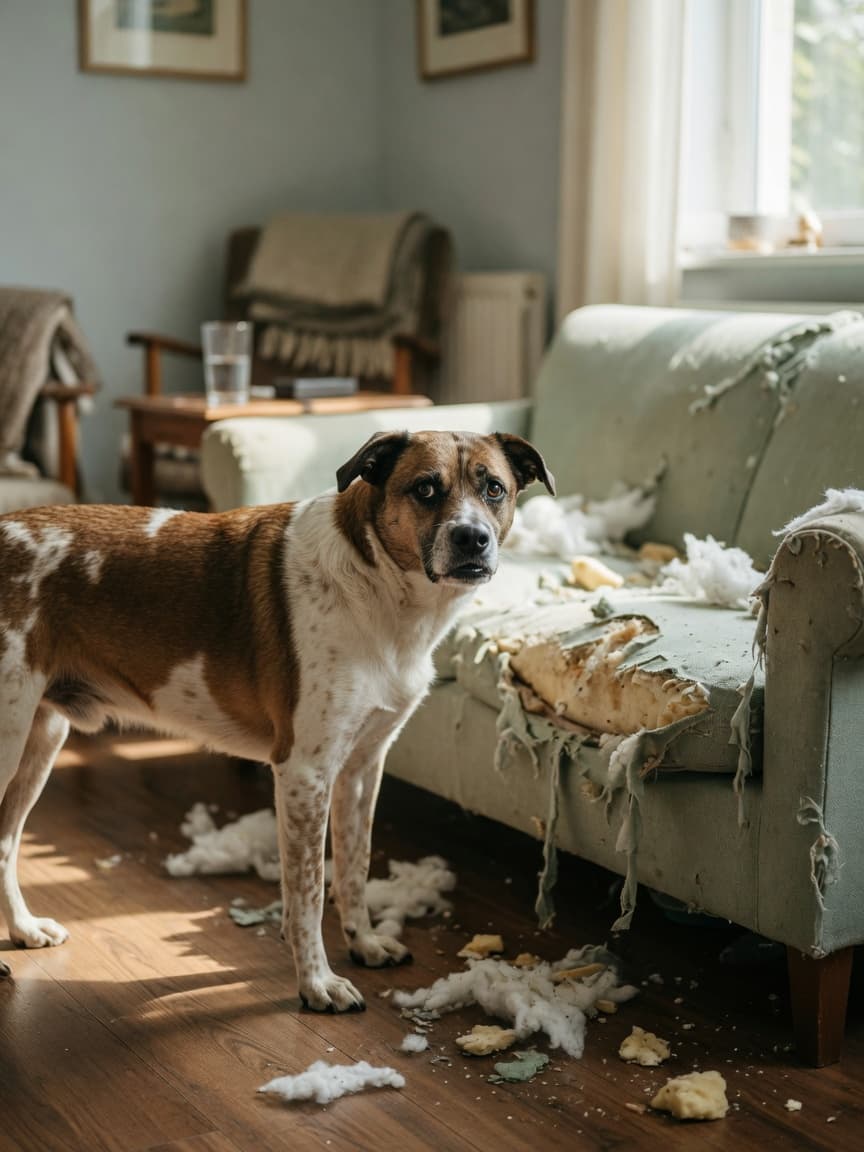
Separation anxiety is a behavioural and emotional condition in which a dog experiences significant distress when separated from their owner or attachment figure. It is important to distinguish true separation anxiety from more general distress or boredom-related behaviour, as they require different approaches. True separation anxiety is rooted in a dog's inability to cope with being alone, and the distress begins at, or even before, the moment of separation. Dogs with genuine separation anxiety do not simply misbehave when left alone — they are experiencing something closer to a panic response.
Understanding this distinction matters enormously because it affects how you respond. Punishing a dog for destructive behaviour that occurred in your absence will not resolve separation anxiety — the dog is not being wilfully disobedient, and the behaviour will not stop until the underlying anxiety is addressed.
Signs of Separation Anxiety
Dogs express separation anxiety through a range of behaviours, and the presentation varies between individuals. Common signs include:
- Destructive behaviour directed at doors, windows, or the owner's belongings — often focused on exit points
- Excessive vocalisation — barking, howling, or whining that begins at or shortly after the owner's departure
- Toileting indoors despite being house-trained, occurring only when alone
- Excessive drooling, panting, or trembling
- Attempts to escape the home or garden, sometimes resulting in self-injury
- Refusing to eat or drink in the owner's absence
- Shadowing the owner constantly when at home (velcro behaviour)
- Signs of distress during pre-departure cues — reacting anxiously to the sound of keys, the sight of a coat, or changes in the owner's routine before leaving
Setting up a camera to observe your dog's behaviour when alone is one of the most useful things you can do to confirm whether separation anxiety is the cause of the problems you are seeing. Many owners are surprised by what they find — sometimes things are worse than expected, and sometimes the behaviour turns out to have a different cause altogether.
Breeds Prone to Separation Anxiety
Whilst any dog can develop separation anxiety, certain breeds are considered more predisposed due to their temperament and the social roles they were bred for. French Bulldogs, which thrive on human company and are often kept by owners who spend significant time with them, can struggle intensely with being left alone. Labrador Retrievers, social and people-orientated by nature, are frequently presented to behaviourists for separation-related issues. German Shepherds, bred for close working relationships with humans, can also develop strong attachments that make separation particularly difficult. This does not mean these breeds cannot be left alone — with appropriate preparation and training, most can learn to cope — but it means owners should invest in this training proactively rather than waiting for a problem to emerge.
Behavioural Modification Techniques
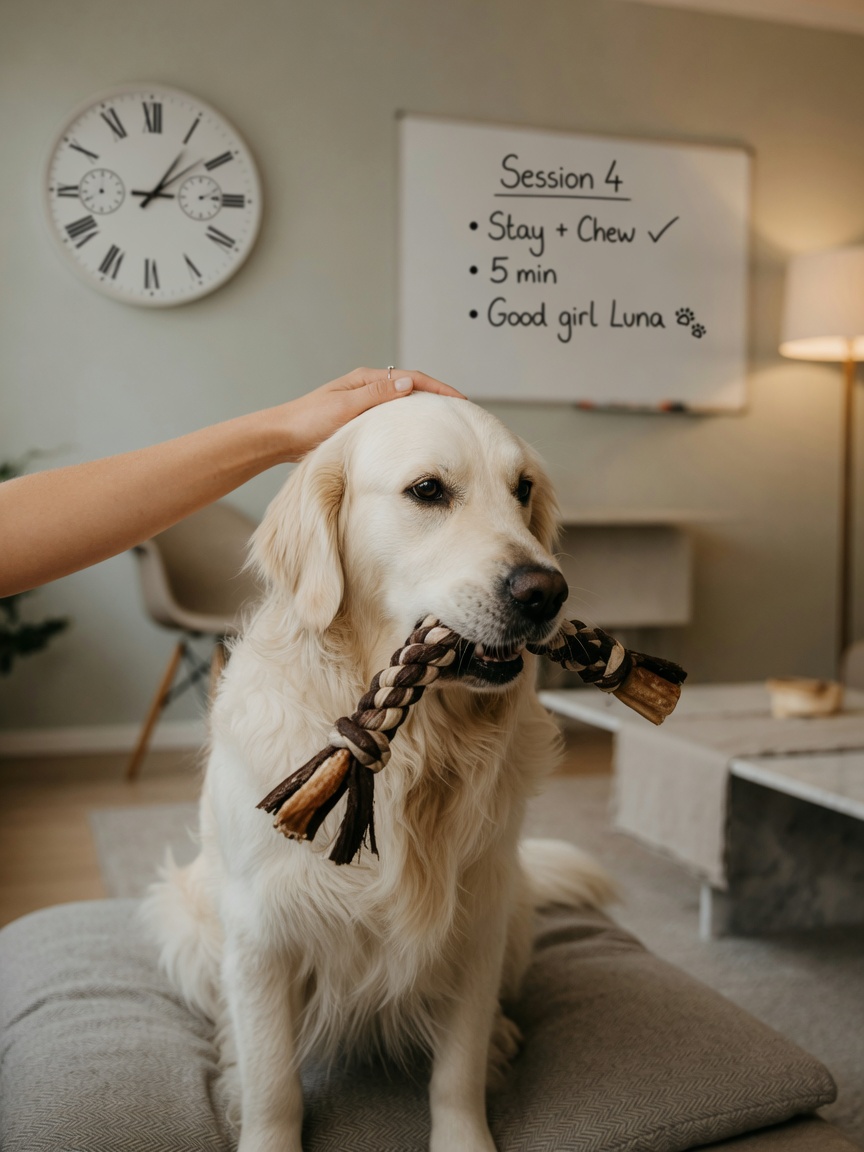
Behavioural modification is the cornerstone of treating separation anxiety. The process takes time and consistency, but it is effective in the majority of cases when approached correctly.
Desensitisation and Counter-Conditioning
The goal of desensitisation is to gradually accustom your dog to being alone, starting with very short periods that do not trigger anxiety and slowly building duration. Begin by leaving the room for just a few seconds, returning before any distress occurs. Over days and weeks, gradually extend the time. This process must be kept well within your dog's threshold — if they become anxious, you have pushed too far and need to return to shorter absences. Counter-conditioning involves pairing departures with positive experiences, such as a special long-lasting chew or puzzle feeder that your dog only receives when you leave. The goal is to change the emotional response to departure from fear to anticipation.
Reducing Pre-Departure Anxiety
Many dogs with separation anxiety begin to show distress long before the owner actually leaves. They learn to recognise cues — picking up keys, putting on shoes, reaching for a coat — and begin to become anxious at these signals. Practising departure cues without actually leaving (picking up your keys and then sitting back down, repeatedly, over many days) can reduce the significance of these triggers.
The Role of Enrichment and Exercise
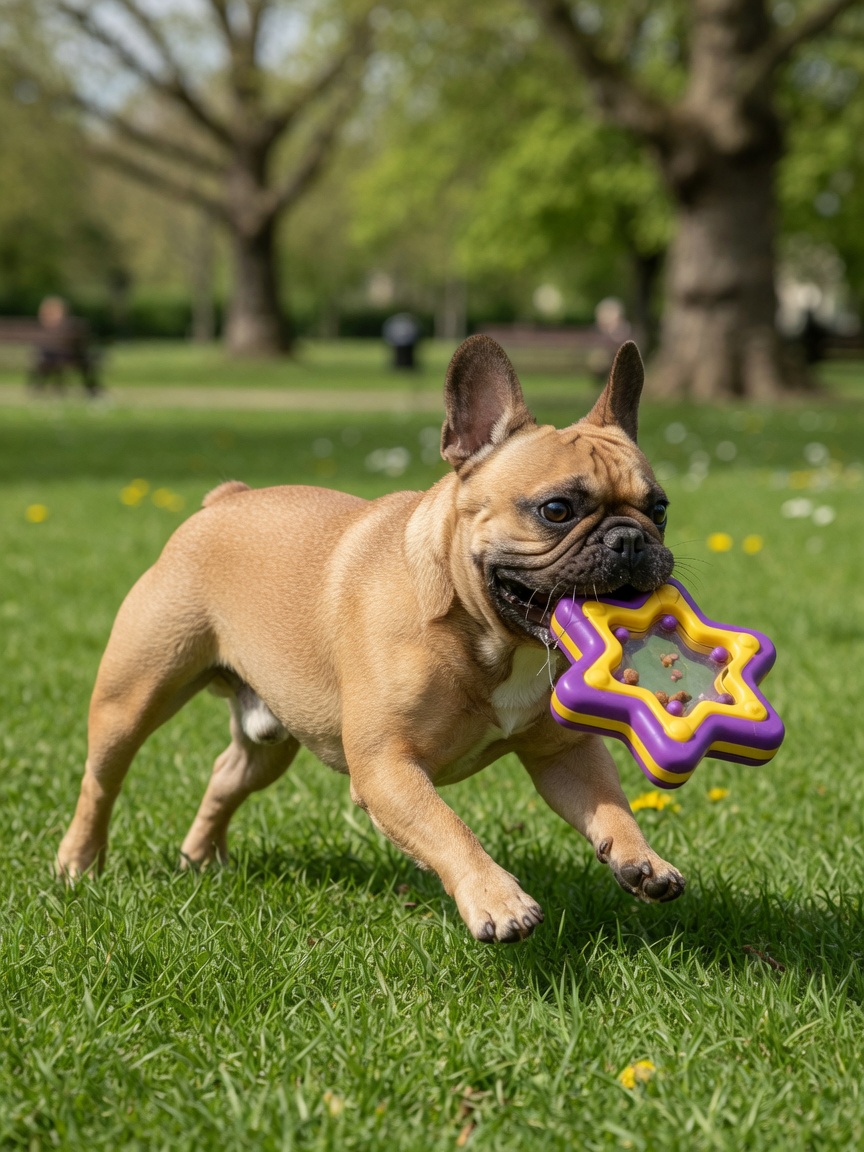
Whilst enrichment and exercise alone will not resolve true separation anxiety, they form an important supporting role in any treatment plan. A dog that is physically tired and mentally stimulated is better placed to rest during alone time. Adequate exercise before a planned absence, along with mental enrichment such as puzzle feeders, snuffle mats, and food-stuffed toys, can help calm an anxious dog and give them a positive focus in your absence. However, be aware that for dogs with significant anxiety, even the most enticing enrichment may be ignored — they simply cannot eat or engage when they are in a heightened state of distress.
When to Involve a Veterinary Behaviourist
Separation anxiety can range from mild to severe, and moderate-to-severe cases should be managed with professional support. A veterinary behaviourist — a specialist with both medical and behavioural training — is the most qualified professional to assess and treat severe separation anxiety. Your vet can provide a referral. In Europe, the European College of Veterinary Behavioural Medicine (ECVBM) certifies specialists in this field. A qualified clinical animal behaviourist or certified dog behaviourist can also provide valuable support for mild-to-moderate cases.
Avoid trainers who use punishment-based techniques for separation anxiety — not only are they ineffective, but they can significantly worsen the anxiety and damage your dog's trust in people.
Medication as an Adjunct to Behaviour Modification
In moderate-to-severe cases of separation anxiety, medication prescribed by a vet can play an important role alongside behavioural modification. Medication does not treat separation anxiety on its own — it works by reducing the dog's baseline anxiety level enough that they can begin to learn and engage with the behavioural programme. Commonly used medications include fluoxetine, clomipramine, and in some cases short-term situational medication such as alprazolam for predictable absences. Pheromone products such as Adaptil (dog-appeasing pheromone) can also provide some support in mild cases and are safe to use alongside both behavioural programmes and medication. A discussion with your vet will help determine whether medication is appropriate for your dog's level of anxiety.