
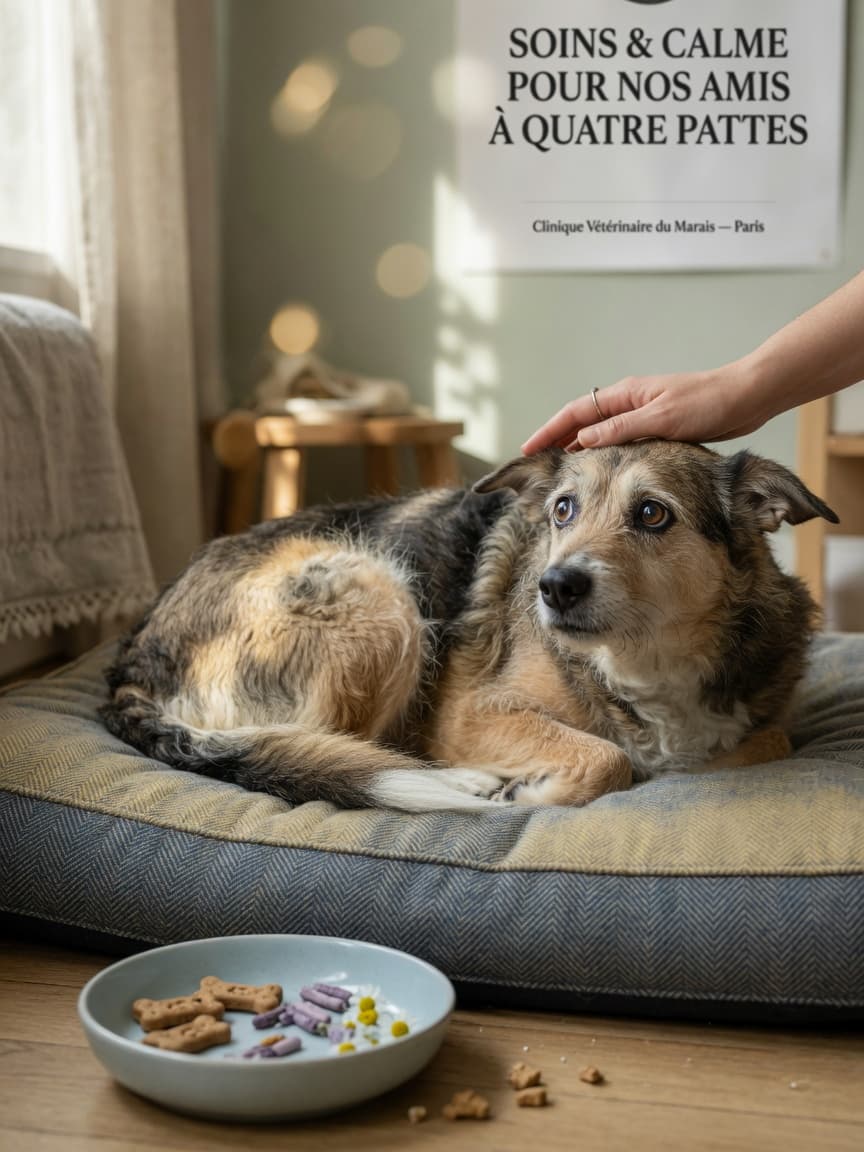
If your dog trembles during thunderstorms, panics when you leave for work, or struggles with separation anxiety, you've likely considered calming treats as a potential solution. Pet shop shelves are bursting with these products, each promising to soothe your worried companion. But do they actually work? As a veterinary nutritionist, I've examined the evidence extensively, and the answer is more nuanced than a simple yes or no.
What Are Calming Treats Made Of?
Dog calming treats typically contain one or more of these active ingredients:
- L-theanine — an amino acid that promotes relaxation without sedation
- L-tryptophan — a precursor to serotonin, which regulates mood
- Melatonin — a hormone that supports sleep cycles
- Valerian root and chamomile — herbal ingredients with mild calming properties
- Magnesium — a mineral involved in nervous system function
- Probiotics — increasingly linked to gut-brain health
Many premium formulations combine several of these ingredients for a synergistic effect, though quality and concentrations vary significantly between brands.
What Does the Science Actually Show?

Research on calming treats presents a mixed picture. Several peer-reviewed studies suggest that L-theanine and L-tryptophan can modestly reduce anxiety in dogs, particularly when combined with behavioural modification techniques. A notable study published in the journal Applied Animal Behaviour Science found that dogs receiving L-theanine showed measurable reductions in stress markers during stressful situations.
However, the evidence isn't overwhelmingly robust. Many studies are small-scale, and placebo effects in pet care can be surprisingly powerful — owners expecting improvement may interpret their dog's behaviour more positively. Additionally, individual dogs respond differently; what calms one anxious spaniel may have negligible effects on another.
The Reality: Treats Work Best as Part of a Broader Strategy
Here's what experts agree on: calming treats are most effective when combined with other interventions, not as standalone solutions. Consider them one tool in your anxiety-management toolkit rather than a magic fix.
A comprehensive approach includes:
- Professional behavioural training — working with a certified dog behaviourist to address root causes
- Environmental modifications — creating safe spaces and reducing exposure to triggers
- Routine and exercise — consistent schedules and adequate physical activity
- Calming treats — as a supportive supplement to other strategies
- Veterinary assessment — ruling out underlying medical issues or considering prescription medication if needed
Choosing Quality Calming Treats
If you decide to try calming treats, quality matters enormously. Look for products that:
- Display clear ingredient lists with specific dosages
- Are certified by third-party testing organisations
- Contain minimal fillers and artificial additives
- Come from reputable manufacturers with good safety records
Always consult your vet before introducing calming treats, especially if your dog takes medications, as some ingredients can interact with prescriptions.
When to Seek Professional Help
Calming treats alone won't help if your dog's anxiety stems from deeper behavioural issues or underlying health conditions. If your dog shows severe anxiety — destructive behaviour, self-injury, or extreme distress — contact your veterinary surgeon. They may recommend anti-anxiety medication, professional training referrals, or specialist behavioural consultations.
The Bottom Line
Dog calming treats can help, but they're not miracle workers. They offer modest, evidence-supported benefits that may provide gentle support for mild to moderate anxiety. However, they work best as part of a comprehensive strategy that includes professional guidance, environmental management, and behavioural training. Think of them as a supporting player rather than the main character in your dog's anxiety-management story. Every dog is unique, so what works for one may not work for another — patience and professional advice are your best allies.