
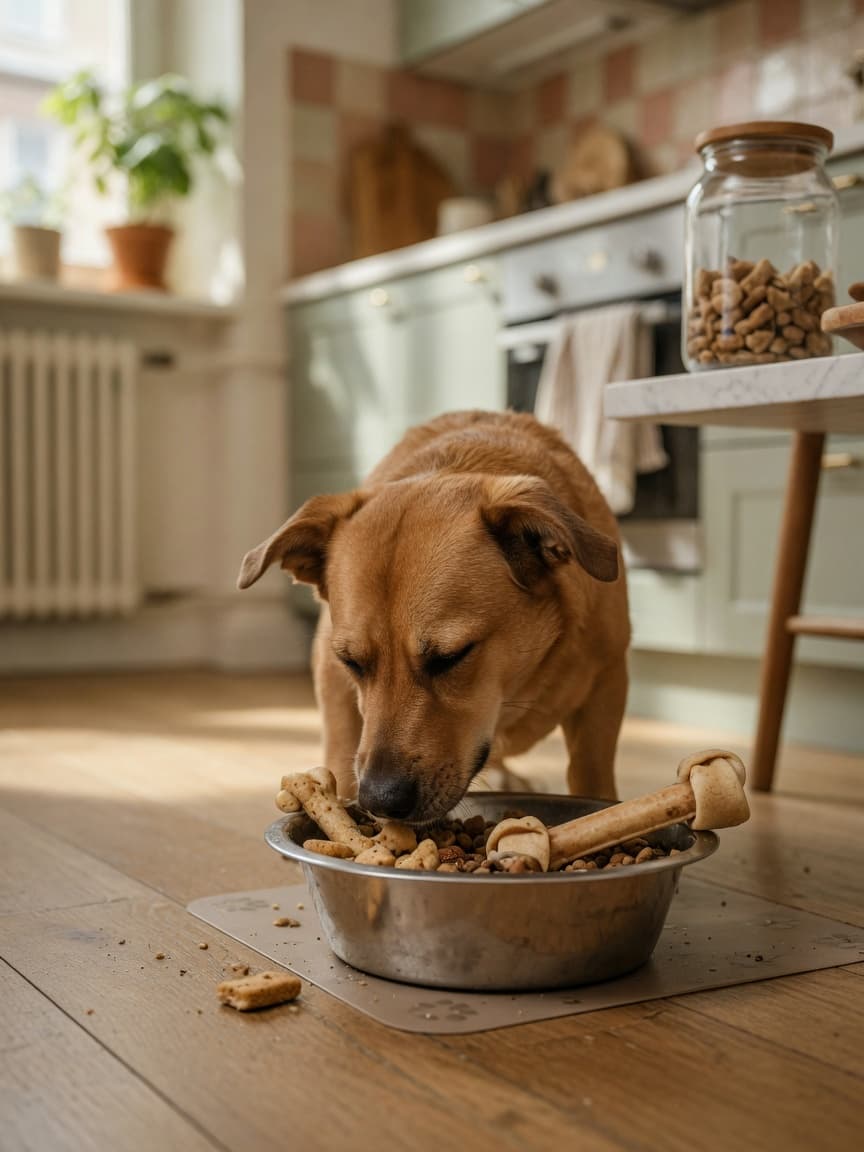
Choosing the right treats and bones for your dog can feel overwhelming with the endless options available on shop shelves. However, selecting quality rewards is one of the most important decisions you'll make for your pet's health and happiness. Whether you're training your puppy, rewarding good behaviour, or simply showing your dog some love, understanding what makes a good treat or bone is essential. This guide will help you navigate the choices and find options that align with your dog's nutritional needs, age, and health status.
Understanding Your Dog's Nutritional Needs
Before selecting any treat or bone, consider your dog's overall diet and caloric requirements. Treats should comprise no more than 10% of your dog's daily caloric intake, with the remaining 90% coming from their main meals. This balance ensures your dog receives complete nutrition without excess calories that could lead to weight gain.
Puppies, adult dogs, and senior dogs have different nutritional requirements. Puppies need more calories and calcium for bone development, whilst senior dogs may benefit from treats with joint-supporting ingredients like glucosamine. Always consult your veterinary surgeon if your dog has specific health conditions, allergies, or dietary restrictions.
Reading Ingredient Labels Carefully
The ingredient list tells you exactly what your dog is consuming. Look for:
- Named meat sources (chicken, beef, fish) as primary ingredients
- Whole grains or vegetables rather than excessive fillers
- The absence of artificial colours, flavours, and preservatives
- No xylitol, chocolate, grapes, raisins, or onions—these are toxic to dogs
- Clearly identifiable ingredients you can pronounce
Avoid treats listing "meat by-products" or "animal derivatives" as main ingredients. These terms indicate low-quality protein sources that offer less nutritional value.
Types of Treats: Finding What Works for Your Dog
Different treat categories serve different purposes:
- Training treats: Small, soft, and easily digestible pieces that won't fill your dog up during training sessions
- Dental treats: Designed to reduce tartar and plaque whilst freshening breath
- Long-lasting chews: Keep dogs occupied and provide mental stimulation
- Freeze-dried treats: High in protein with minimal processing
- Natural treats: Simple options like plain carrots, apples, or unsalted peanut butter (in moderation)
Choosing Safe and Suitable Bones
Raw and cooked bones require careful consideration. Cooked bones become brittle and can splinter, potentially causing internal injuries. If offering bones, consider these guidelines:
- Raw meaty bones under supervision are generally safer than cooked versions
- Choose bones sized appropriately for your dog—too small risks choking
- Remove bones after 15-20 minutes to prevent overindulgence
- Never give poultry bones, as they splinter easily
- Monitor for signs of digestive upset after introducing new bones
Alternatively, consider veterinary-approved synthetic chew toys designed to satisfy the natural urge to chew without associated risks.
Health Considerations and Allergies
Dogs with food sensitivities require extra attention when selecting treats. Common allergens include wheat, beef, chicken, and dairy. If your dog has known allergies, read labels meticulously and introduce new treats gradually, observing for adverse reactions like itching, vomiting, or diarrhoea.
Overweight dogs benefit from low-calorie treats such as vegetables or specialist diet treats. Those with dental disease may need softer options or dental-specific products.
Key Takeaways for Smart Treat Selection
Selecting appropriate treats and bones involves understanding your individual dog's needs, reading labels carefully, and prioritising quality ingredients. Remember that treats should enhance your dog's life without compromising their nutritional balance. Always introduce new treats gradually, maintain the 10% rule for daily calories, and consult your veterinary surgeon with any concerns. By making informed choices, you'll keep your beloved companion healthy, happy, and appropriately rewarded.