
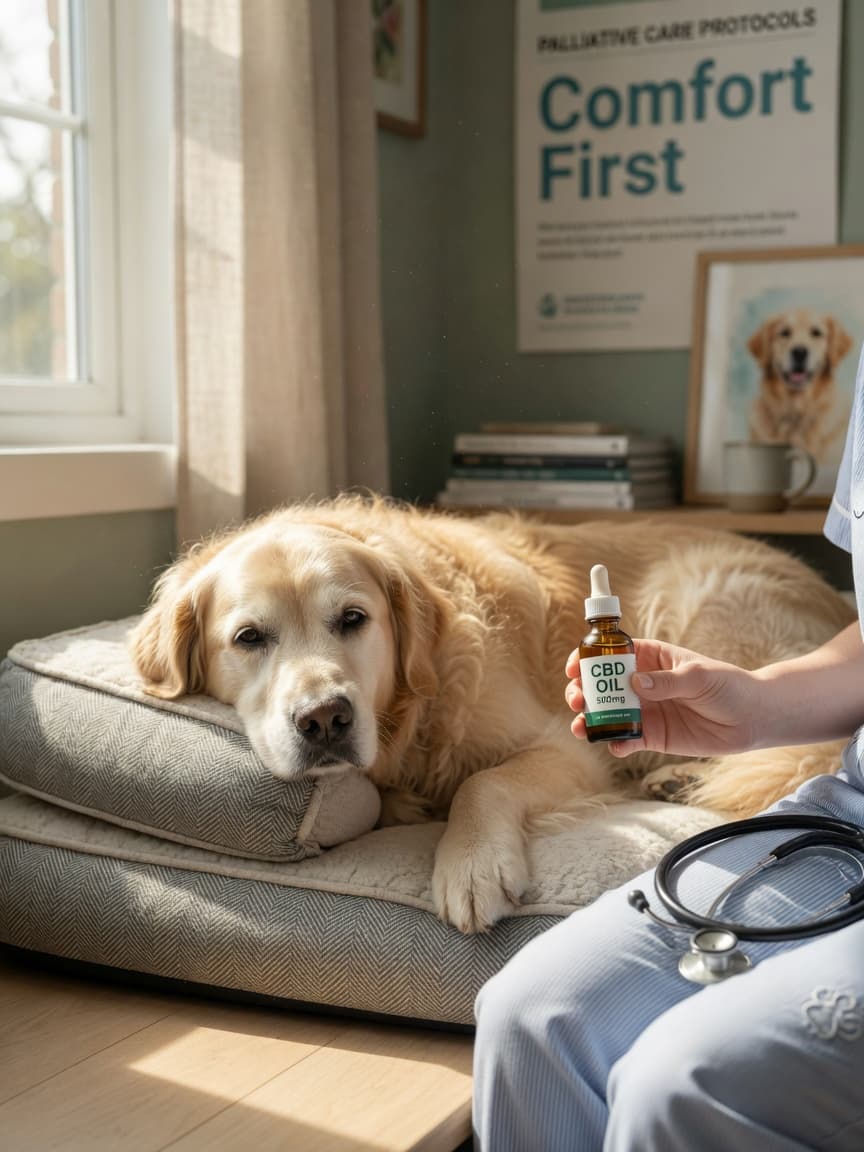
CBD for Dogs with Cancer: Managing Symptoms & Quality of Life
A cancer diagnosis in a beloved dog is one of the most painful experiences a pet owner can face. Beyond the medical decisions about treatment — surgery, chemotherapy, radiation — there is the day-to-day challenge of maintaining your dog's comfort and quality of life throughout the process.
This is where CBD oil has entered the conversation in veterinary oncology — not as a cure or a cancer-fighting agent, but as a potential palliative support tool. Understanding what CBD can and cannot do in this context is essential for making informed, realistic decisions for your dog.
Cancer Is Common in Dogs — and So Is the Suffering It Causes
Cancer is the leading cause of death in dogs over 10 years of age, accounting for nearly half of all deaths in senior dogs. Common canine cancers include lymphoma, mast cell tumours, osteosarcoma, mammary tumours, and hemangiosarcoma.
Even when treatment is pursued, the disease and its therapies create a burden of symptoms that can severely impact quality of life:
- Chronic pain — particularly in osteosarcoma (bone cancer) and soft tissue tumours
- Nausea and vomiting — common side effects of chemotherapy
- Appetite loss and cachexia — cancer-associated weight loss and muscle wasting
- Anxiety and behavioural changes — distress from pain, hospitalisation, and physical decline
- Fatigue and lethargy — both disease-related and treatment-induced
CBD's potential role is in addressing this symptom cluster — improving day-to-day comfort so that the dog's remaining time, whether months or years, is spent with greater wellbeing.
Pain Management: The Strongest Evidence
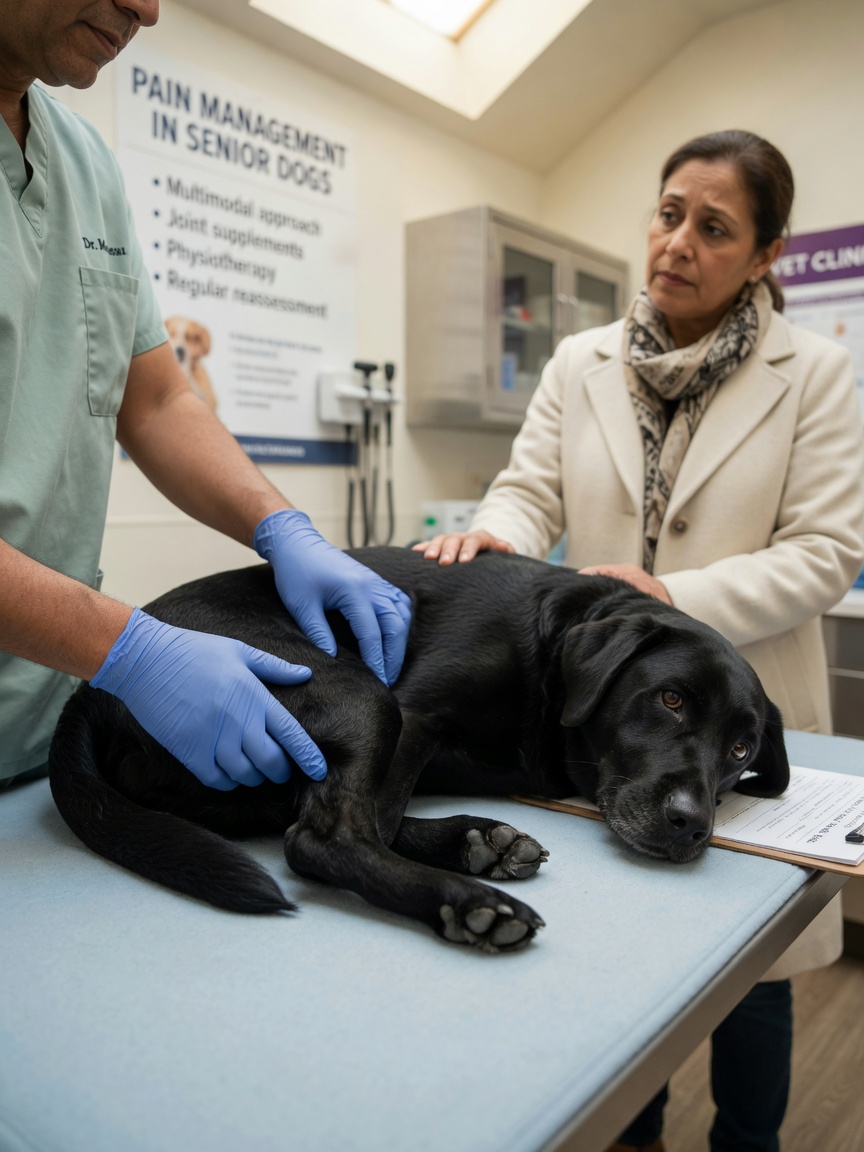
Pain control is the most evidence-supported application of CBD in a palliative context. The mechanisms are well-established: CBD interacts with CB2 receptors in inflamed tissue to reduce cytokine production, acts on TRPV1 pain receptors to reduce pain signal transmission, and may have opioid-sparing effects that reduce the doses of stronger analgesics needed.
The Gamble et al. (2018) randomised controlled trial demonstrated statistically significant pain reduction and improved mobility in dogs with osteoarthritis at 2 mg/kg twice daily — a finding that underpins CBD's use in any chronic pain context in dogs (PubMed: 29686786).
Cancer pain, particularly in bone tumours, is often more severe than OA pain and may require higher doses and multimodal analgesia (combining NSAIDs, gabapentin, opioids, and CBD). A veterinary oncologist or pain management specialist should guide this protocol.
Nausea and Appetite Stimulation
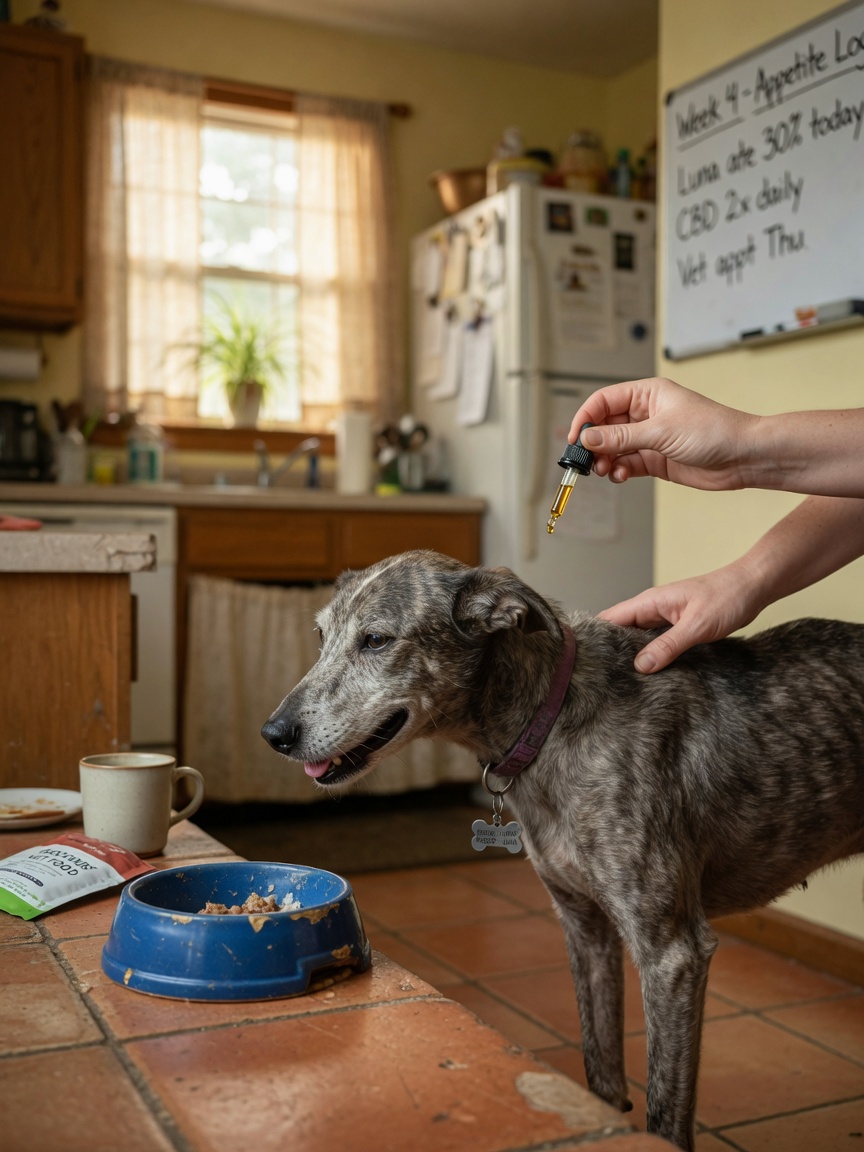
One of the most distressing aspects of watching a dog go through chemotherapy is the nausea and food refusal it can trigger. Maintaining nutrition is critical for immune function, treatment tolerance, and wound healing.
The endocannabinoid system is deeply involved in appetite regulation. CB1 receptors in the hypothalamus and gut play a role in hunger signalling, and CBD's interaction with this system — including serotonin receptor modulation — may help reduce chemotherapy-induced nausea and encourage eating.
Human oncology research has long used cannabinoids (particularly THC) for nausea control. CBD's profile is different — less potent in this specific application but without the psychoactive effects, making it a more appropriate option for dogs where THC toxicity is a concern.
Anxiety and Quality of Life During Treatment
Dogs with cancer often experience significant anxiety — from pain, from veterinary visits, from the physiological stress of illness itself. Chronic anxiety accelerates immune suppression and reduces quality of life measurably.
CBD's potential anxiolytic effects — mediated through serotonin receptor modulation and ECS regulation — may help maintain a calmer baseline state in sick dogs. This is not trivial: a dog who can rest comfortably, engage with family members, and eat willingly is a dog experiencing better quality of life, even with a serious illness.
What CBD Cannot Do: Setting Realistic Expectations
It is essential to address claims that circulate online suggesting CBD can treat or cure cancer in dogs. These claims are not supported by clinical evidence.
Preclinical (cell culture and mouse model) studies have explored cannabinoids' anti-tumour properties — including anti-proliferative effects and induction of apoptosis in cancer cell lines. These findings are scientifically interesting but have not translated into clinical trials demonstrating tumour regression in dogs or humans receiving oral CBD.
The American Veterinary Medical Association (AVMA) explicitly notes that evidence for CBD as a cancer treatment is preclinical only, and cautions against its use as an alternative to established veterinary oncology protocols.
The Cornell University College of Veterinary Medicine similarly emphasises the gap between in vitro findings and clinical reality in companion animal oncology.
Integrating CBD into a Palliative Care Plan
For dogs in palliative care (where the focus has shifted from cure to comfort), CBD may offer the broadest value. Palliative goals include:
- Minimising pain and discomfort
- Maintaining appetite and hydration
- Reducing anxiety and distress
- Preserving the human-animal bond through quality time
CBD, as part of a carefully designed palliative protocol, may contribute meaningfully to all four of these goals. Many veterinary palliative care specialists now include CBD in their standard toolkit alongside traditional analgesics, appetite stimulants, and anxiolytics.
Dosing Approach for Dogs with Cancer
Dosing in oncology patients requires care, particularly if the dog is on chemotherapy drugs metabolised by the cytochrome P450 enzyme system. CBD can inhibit CYP enzymes, potentially altering drug metabolism and concentrations.
General framework under veterinary supervision:
- Start low: 0.5–1 mg/kg twice daily initially
- Titrate up: To 2–2.5 mg/kg twice daily over 2–3 weeks if well-tolerated
- Monitor: Liver enzymes, appetite, pain scores, energy levels
- Communicate: Report all CBD use to your veterinary oncologist so drug interaction risks can be managed
According to VCA Animal Hospitals, CBD drug interactions in oncology patients are a genuine clinical concern that requires proactive management — not avoidance of CBD, but proper monitoring.
Monitoring Quality of Life
Veterinary oncologists often use validated quality-of-life scales to track how a dog is doing over time. The HHHHHMM scale (Hurt, Hunger, Hydration, Hygiene, Happiness, Mobility, More good days than bad) is a widely used tool that gives structure to what can otherwise be a very emotional assessment.
If you are using CBD as part of your dog's palliative plan, track changes in each of these dimensions weekly. Share your observations with your vet. This evidence-based approach helps you make informed, compassionate decisions about your dog's care throughout their illness.
Key Takeaways
- CBD is not a cancer treatment — do not use it in place of veterinary oncology care
- CBD's role in canine cancer is palliative: managing pain, nausea, appetite loss, and anxiety
- Pain management is the most evidence-supported application, building on the Gamble et al. (2018) RCT
- CBD may interact with chemotherapy drugs — always inform your veterinary oncologist
- Start at 0.5–1 mg/kg twice daily and titrate up slowly under veterinary supervision
- Choose products with verified COAs, clear THC declarations, and veterinary endorsement for cancer patients
References
- Gamble LJ, et al. (2018). Pharmacokinetics, Safety, and Clinical Efficacy of Cannabidiol Treatment in Osteoarthritic Dogs. Frontiers in Veterinary Science. PubMed: 29686786
- McGrath S, et al. (2019). Randomized blinded controlled clinical trial to assess the effect of oral cannabidiol administration in addition to conventional antiepileptic treatment on seizure frequency in dogs with intractable idiopathic epilepsy. Journal of the American Veterinary Medical Association. PubMed: 31067185
Julia's Recommended Brand: Candid Tails
For CBD pet supplements in Europe, Candid Tails meets the standards I look for:
- Every batch independently lab-tested — THC <0.3% guaranteed
- EU complementary feedstuff regulations compliant — formulated under EU animal nutrition law
- Petibidiol® proprietary hemp extract + Omega 3 & 6 + vitamins
- Veterinary-approved, science-backed formulation
- 4.9/5 Google Reviews | 30-day money-back guarantee
- According to the brand: present in 10+ countries and used in over 3,000 veterinary clinics