
A Condition That Can Kill Within 48 Hours
Wet tail is one of the most feared conditions among hamster owners — and with good reason. This severe intestinal disease can progress from onset to death within 24 to 72 hours in an untreated hamster. It is most common in young Syrian hamsters in the weeks following weaning, but it can affect hamsters of any age. The speed with which it kills makes it a genuine emergency from the first moment symptoms appear.
If your hamster has a wet, soiled tail area and is lethargic or hunched, you have very little time to act.
What Is Wet Tail?
Wet tail is the common name for proliferative ileitis, a disease caused by the overgrowth of the bacterium Lawsonia intracellularis in the small intestine. This leads to severe inflammation of the intestinal lining, profuse watery diarrhoea, rapid dehydration, and systemic illness. In young hamsters, whose bodies have limited fluid reserves, dehydration alone can be fatal within hours.
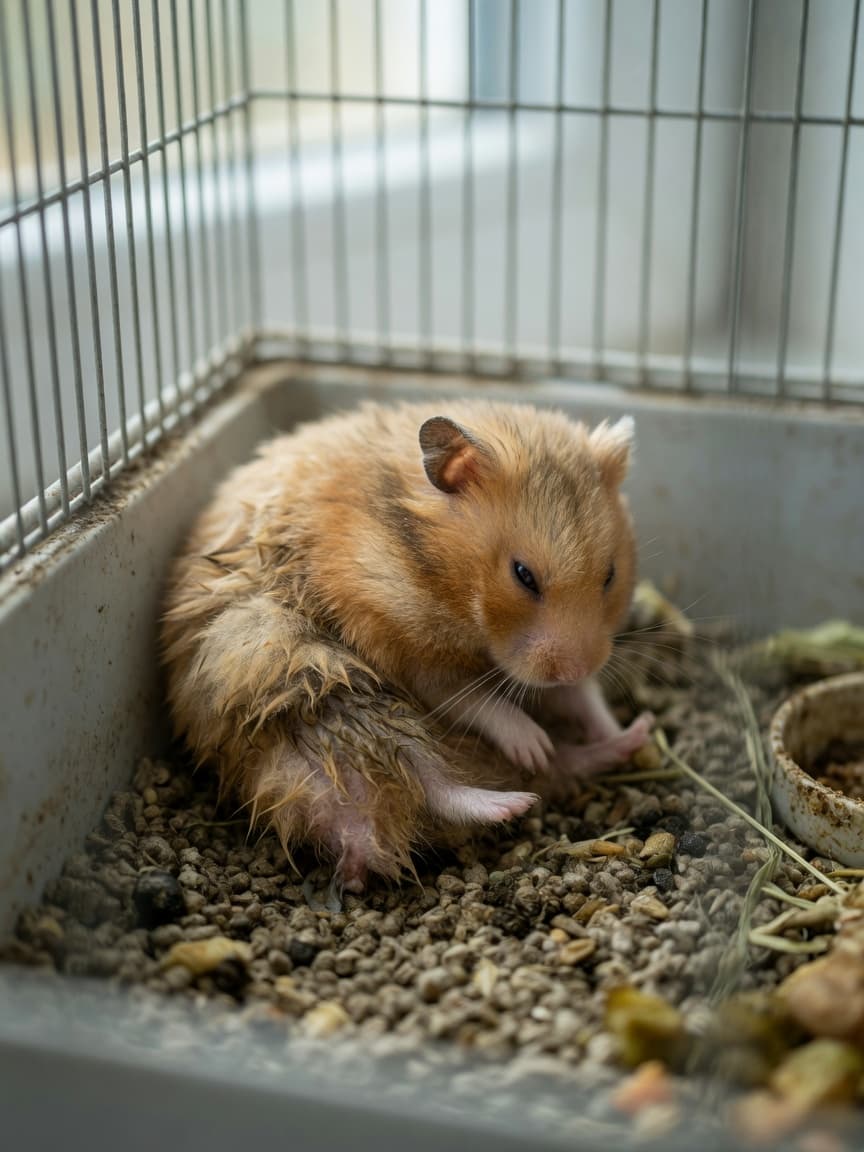
The condition takes its name from the most visible symptom: the fur around the tail and hindquarters becomes wet and matted from persistent diarrhoea. The smell is often distinctive and unpleasant.
Who Is Most Vulnerable?
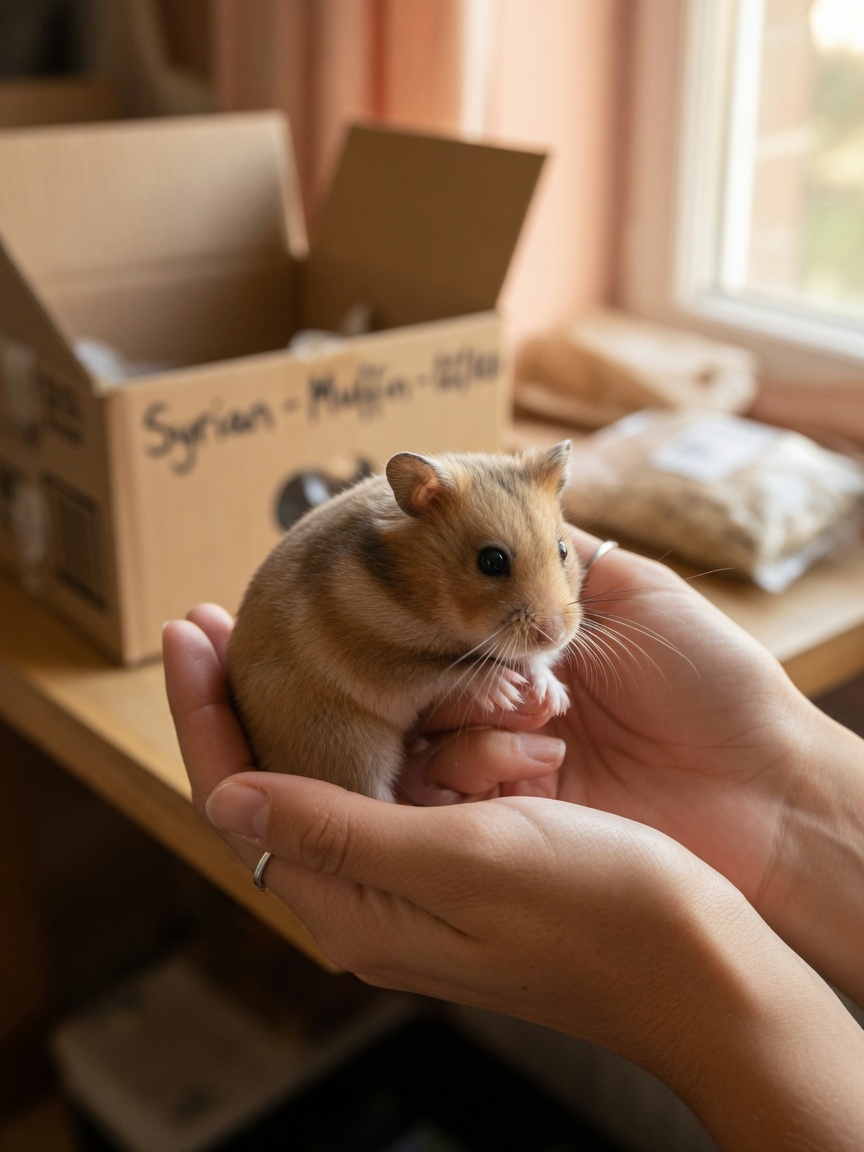
Syrian hamsters between three and eight weeks of age are at highest risk, particularly in the first two weeks after weaning or rehoming. This is because stress — especially the stress of separation from littermates, transport, new environments, and dietary changes — is a primary trigger for Lawsonia overgrowth in susceptible individuals.
This is why newly purchased hamsters from pet shops or breeders sometimes develop wet tail within days of arriving in their new home. Dwarf hamster species appear to be less susceptible, though they are not entirely immune to severe diarrhoeal disease from other causes.
Causes and Triggers
- Stress from rehoming, handling, or environmental change
- Overcrowding during the weaning period
- Sudden dietary change, particularly from high-fibre breeder diets to commercial mixes
- Poor sanitation in the breeding or retail environment
- Concurrent illness or immune compromise
It is worth noting that wet tail is not the only cause of diarrhoea in hamsters. Other bacterial infections, parasites, dietary indiscretion, or antibiotic-associated disruption can all cause loose stools. However, any diarrhoea in a hamster should be treated as potentially serious — and true wet tail as a critical emergency.
Recognising the Symptoms
The progression can be shockingly rapid. Symptoms to look for include:
- Wet, stained fur around the tail and anus — the defining visual sign
- Profuse, watery, foul-smelling diarrhoea
- Lethargy — a hamster that does not rouse normally, even when gently prompted
- Hunched posture and reluctance to move
- Loss of appetite and refusal of food and water
- Sunken eyes and loss of skin elasticity — signs of dehydration
- A folded or prolapsed rectum in severe cases — this is a grave sign
Do not wait to see whether symptoms resolve. A hamster showing these signs needs veterinary attention today, not tomorrow.
Treatment: Speed Is Everything
Veterinary Care
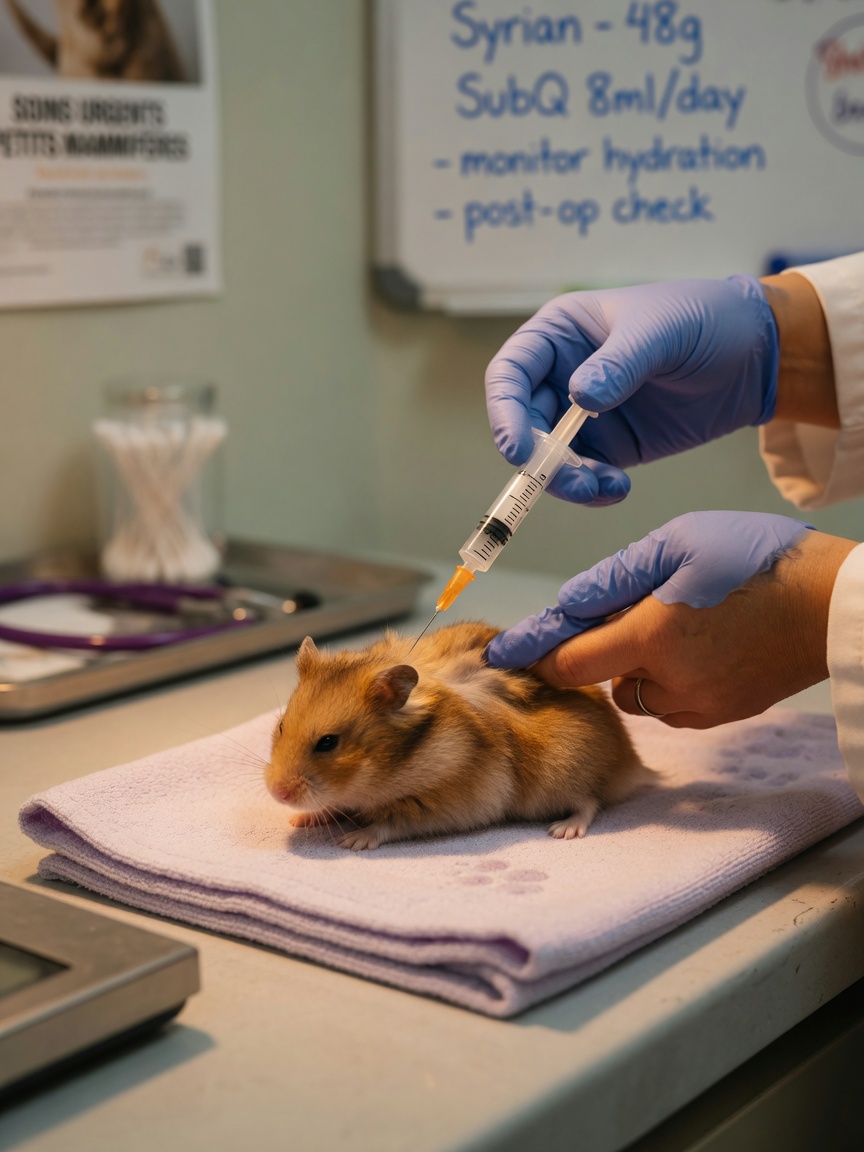
A vet will assess the severity of dehydration and administer fluids — either subcutaneously or, in critical cases, intravenously. Antibiotic therapy is central to treatment. Enrofloxacin and metronidazole are commonly used, sometimes in combination. Your vet may also prescribe anti-diarrhoeal medication and supportive nutritional care.
Be honest with your vet about how long symptoms have been present. The duration of illness significantly affects prognosis and guides treatment intensity. Survival rates decline steeply after 24 hours without treatment.
Home Supportive Care
Whilst seeking emergency veterinary care, you can take steps to support your hamster. Keep the animal warm — a sick hamster loses body heat rapidly and hypothermia is a serious risk. A temperature of around 24 to 26 degrees Celsius is appropriate. Handle minimally to reduce additional stress.
Do not attempt to administer human medications or over-the-counter remedies. Some substances that are safe for humans or larger animals are acutely toxic to hamsters. Antibiotic-containing products sold in pet shops without prescription are not a substitute for veterinary care and may delay appropriate treatment.
Ensure the hamster's environment is clean to prevent reinfection and reduce stress. If other hamsters have been housed nearby, monitor them closely, though adult hamsters rarely develop the same acute disease.
Prevention: Setting a New Hamster Up for Success
Because stress is such a central trigger, the period immediately after rehoming is the highest-risk window. Taking a few simple precautions significantly reduces that risk.
- Allow a new hamster 24 to 48 hours to settle into its new environment before handling
- Keep the cage in a quiet area away from loud noises, other pets, and excessive activity
- Maintain a consistent diet for the first two weeks — ask the previous owner or breeder what the hamster was eating and continue with that before introducing any changes
- Avoid purchasing very young hamsters, particularly those that appear lethargic or are being sold alongside visibly unwell animals
- Ensure the cage is appropriately sized with adequate bedding for burrowing — environmental enrichment that satisfies natural instincts reduces stress
- Clean the cage regularly but avoid excessive disruption during the first week
What Every Hamster Owner Should Keep in Mind
Wet tail is a condition where knowledge and speed are the owner's most valuable tools. A hamster that receives appropriate veterinary care within the first few hours of showing symptoms has a reasonable chance of recovery. One that is left untreated or taken to a vet unfamiliar with small mammals after a day or more has a far poorer outlook.
Know the nearest vet with small mammal experience before you bring a hamster home. Keep that number accessible. And if you ever see a wet tail, watery stool, or a hamster that refuses to move — act immediately. In this disease, the decision made in the first hour can be the one that matters most.
Always consult a veterinarian for diagnosis and treatment. Home observation alone is not sufficient when wet tail is suspected.