
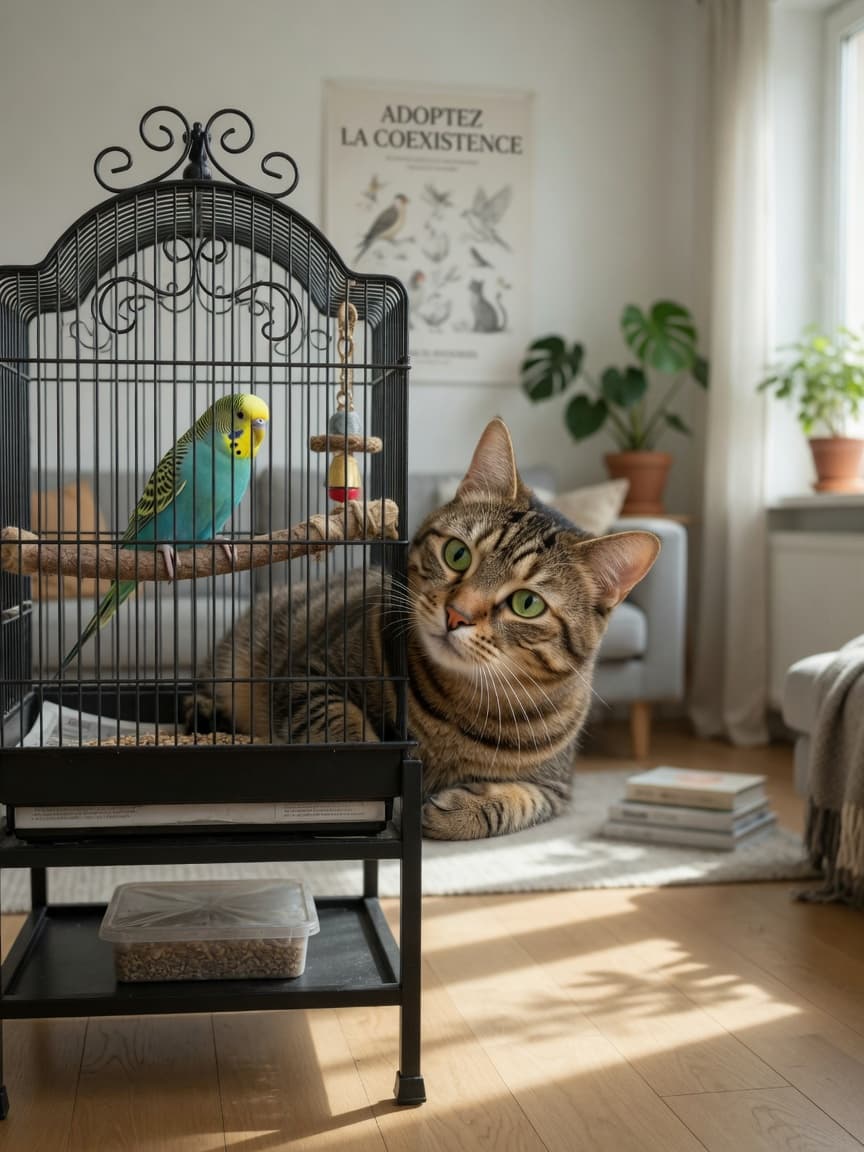
The idea of a cat and a bird sharing the same household might sound like the setup for a cartoon chase scene, but many pet owners successfully maintain multi-species homes. The truth is nuanced: whilst cats and birds can technically coexist, it requires careful planning, understanding of feline behaviour, and robust safety measures. Whether you're considering adding a feathered friend to a cat household or vice versa, this guide will help you navigate the challenges and create a harmonious environment for both pets.
Understanding the Natural Instinct
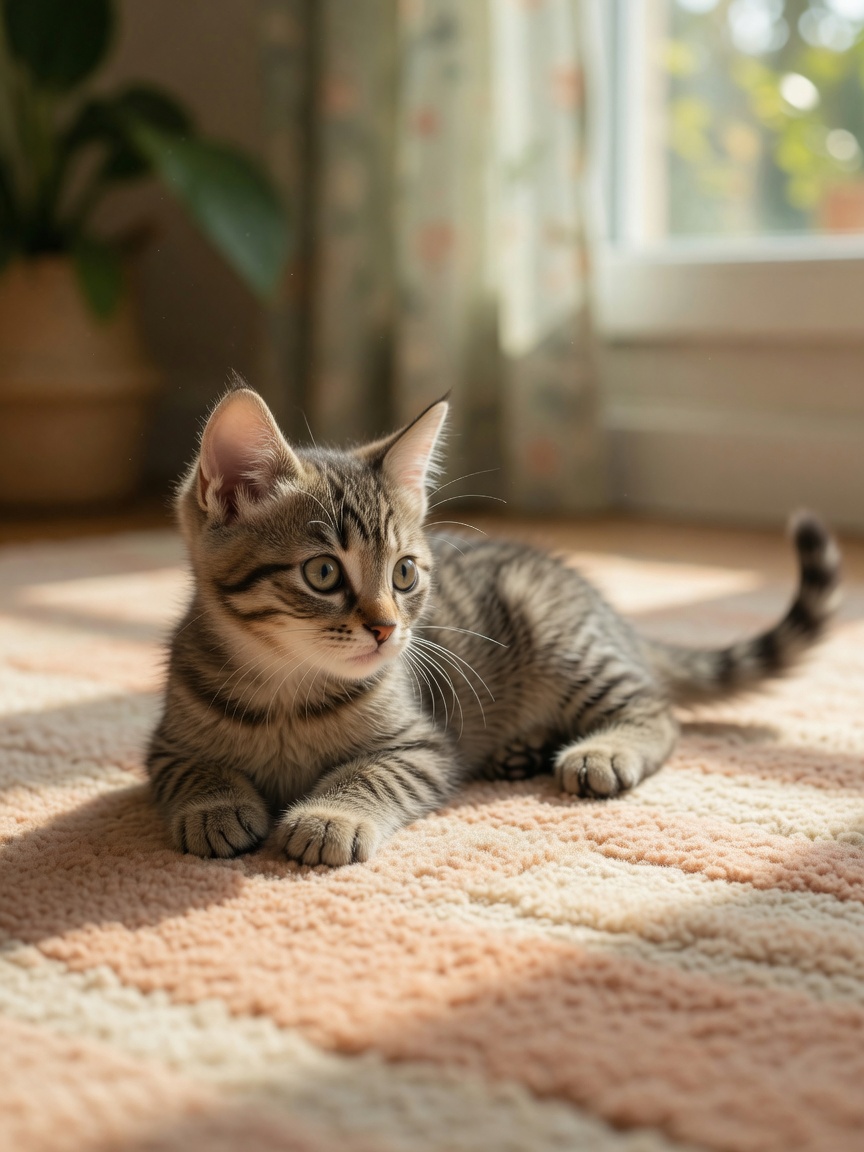
Before discussing cohabitation, it's essential to acknowledge that cats are hardwired predators. Birds trigger their hunting instinct through movement, sounds, and even scent. This doesn't mean your cat is "bad" or aggressive in temperament—it's simply biology. Domestic cats retain the same prey drive as their wild ancestors, even when they've never hunted in their lives. However, individual cats vary significantly in their predatory intensity, which is why some adapt to bird companions better than others.
Early socialisation plays a crucial role. Cats raised alongside birds from a young age are more likely to coexist peacefully than adult cats introduced to avian housemates for the first time.
Which Cats Are Better Candidates?
Not all cats are equally suited for living with birds. Consider these factors:
- Age: Kittens and young cats often adapt better than senior cats set in their ways
- Temperament: Calm, relaxed cats with lower predatory drive are ideal candidates
- Previous experience: Cats with prior exposure to birds tend to be more accepting
- Breed tendencies: Some breeds, like Ragdolls and British Shorthairs, are known for laid-back dispositions, though individual personality matters more than breed
Essential Safety Measures
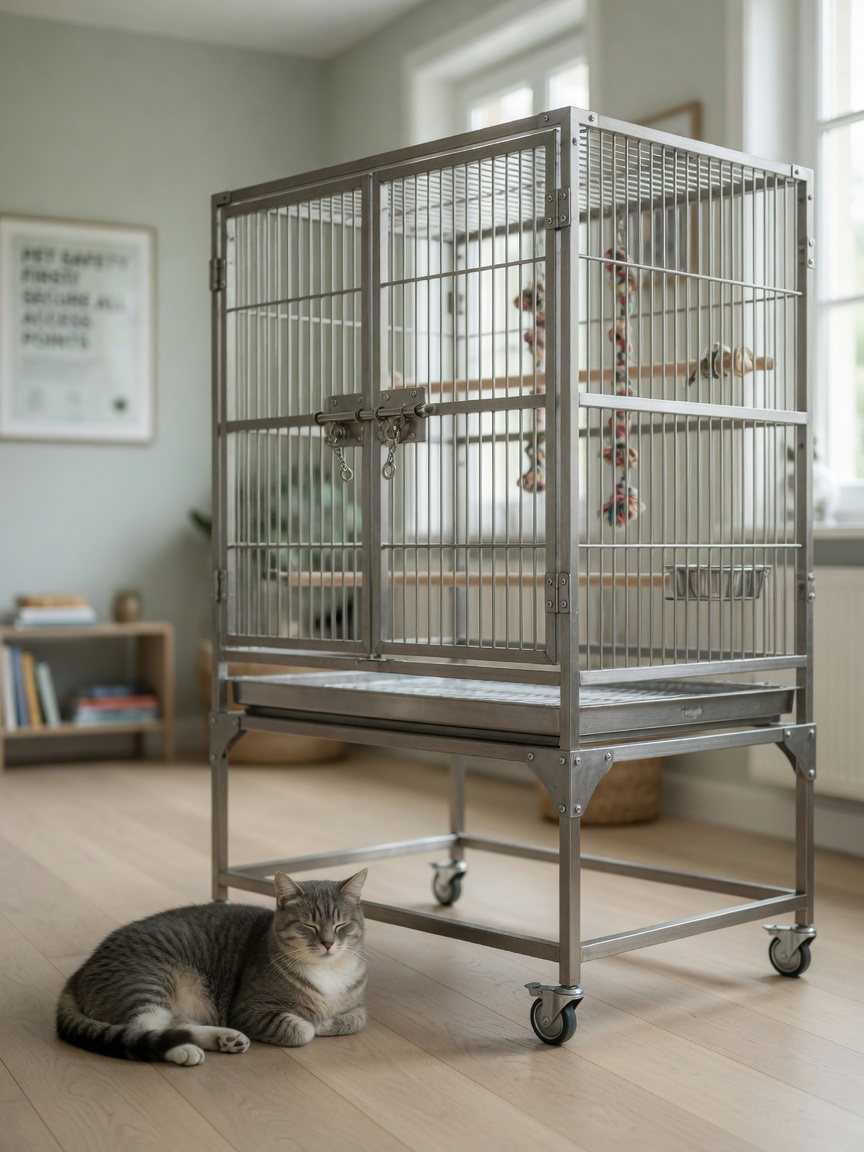
If you decide to proceed, safety is non-negotiable. A single lapse in precautions could be catastrophic for your bird.
- Secure housing: Invest in a sturdy, large cage that your cat cannot access, tip over, or break into. The cage should be elevated and placed away from ledges where a cat might jump
- Separate rooms: Allow unsupervised time only when the bird is secured in an impenetrable space. Never leave them alone together outside the cage
- Secure latches: Use multiple fastening mechanisms on cage doors. Cats are clever and persistent
- Minimise stress: Sudden movements or loud noises near the bird's cage can cause fatal heart attacks in avian companions
- Supervise interactions: When the bird is outside the cage, maintain constant visual supervision and keep your cat in another room
Introducing Your Cat and Bird
A gradual introduction process significantly improves the likelihood of success. Start by keeping them in completely separate spaces for several days. Allow your cat to investigate the empty bird cage under supervision, rewarding calm behaviour with treats. Next, introduce the bird's scent by placing a cloth near the cage. Only when your cat shows consistent disinterest should you allow visual contact through the cage.
Watch for prolonged staring, chattering, tail swishing, or stalking behaviour. These are warning signs that your cat isn't ready for closer contact.
Signs of Successful Coexistence
A well-adjusted cat living with a bird will:
- Show passing interest rather than fixation
- Remain calm when the bird makes noise
- Not attempt to access the cage or disturb it
- Sleep or rest peacefully near the bird's space
Key Takeaways
Cats and birds can share a home, but success depends on your cat's individual temperament, robust safety infrastructure, and your commitment to supervision. It's not suitable for every household, and honestly assessing your cat's predatory drive is crucial. If your cat shows intense hunting behaviour or becomes obsessively fixated on the bird, it's kinder to keep them separated or reconsider the arrangement. With proper precautions and patience, however, many cats and birds build respectful relationships—proof that nature's predator and prey can find peaceful coexistence under the right circumstances.
```