

Urinary tract issues are among the most common health concerns affecting cats today, yet many pet owners don't realise that their feline's diet plays a crucial role in prevention. From feline lower urinary tract disease (FLUTD) to kidney stones, the foods we choose can either support or compromise our cats' urinary health. The good news? Strategic nutritional choices can significantly reduce your cat's risk of developing these painful and sometimes serious conditions.
Understanding Feline Urinary Problems
Cats are particularly susceptible to urinary issues due to their unique physiology and evolutionary dietary needs. Common problems include:
- Feline idiopathic cystitis (FIC) – inflammation of the bladder without an obvious cause
- Urinary blockages – potentially life-threatening in male cats
- Struvite and calcium oxalate crystals – mineral deposits that form in urine
- Chronic kidney disease – often linked to long-term urinary issues
Whilst stress, genetics, and hydration all contribute to urinary health, diet remains a modifiable factor within your control.
How Diet Influences Urinary Health
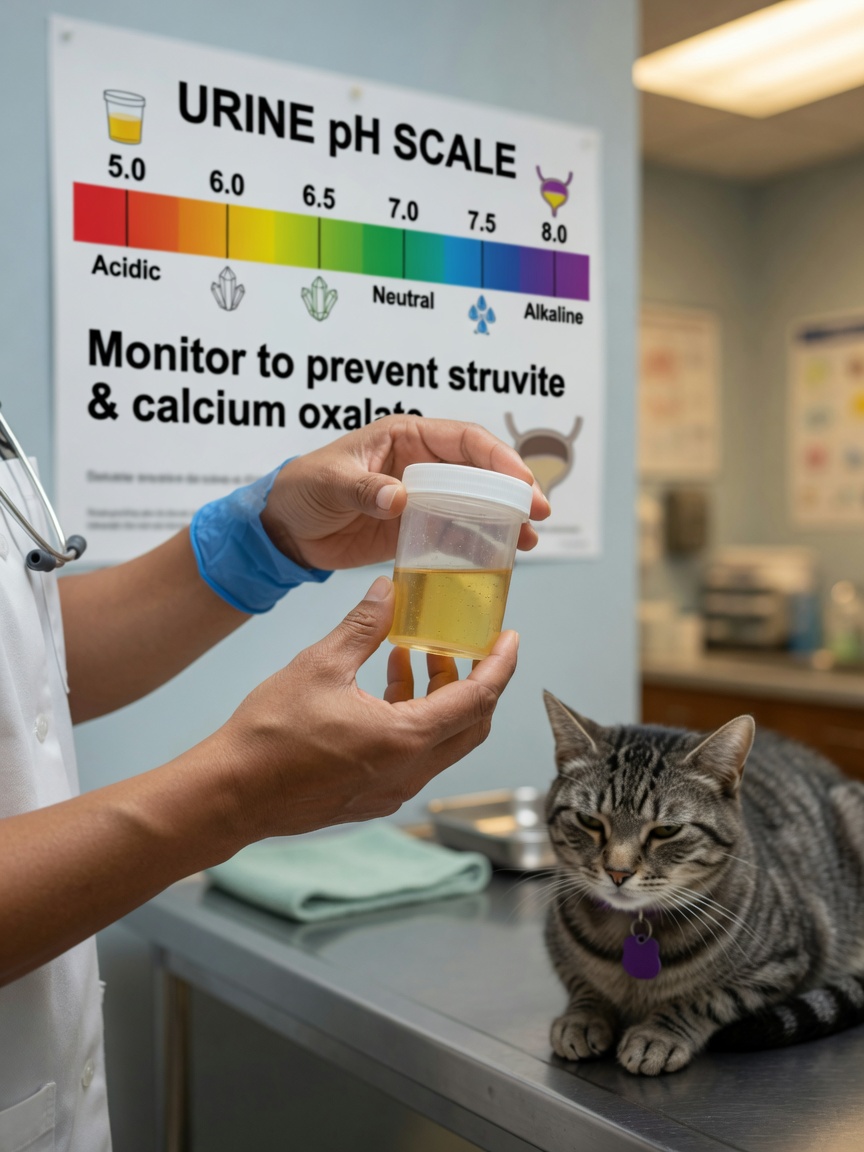
Food composition directly affects the pH (acidity) of your cat's urine, which is the primary factor determining whether crystals will form. High-quality diets formulated to maintain slightly acidic urine can prevent mineral precipitation that leads to blockages and irritation.
Additionally, cats fed high-moisture diets naturally consume more water, which dilutes urine and reduces crystal formation. This is why wet food often outperforms dry kibble in preventing urinary issues.
Key Nutritional Factors for Prevention
When selecting food to support urinary health, look for these characteristics:
- Appropriate mineral balance – Moderate levels of magnesium, phosphorus, and calcium prevent crystal formation
- High moisture content – Wet food or raw diets encourage adequate hydration
- Quality protein sources – Cats are obligate carnivores; animal-based proteins support natural urinary pH
- Controlled sodium levels – Encourages drinking without excessive mineral excretion
- Limited plant material – Aligns with feline nutritional requirements
Practical Dietary Recommendations
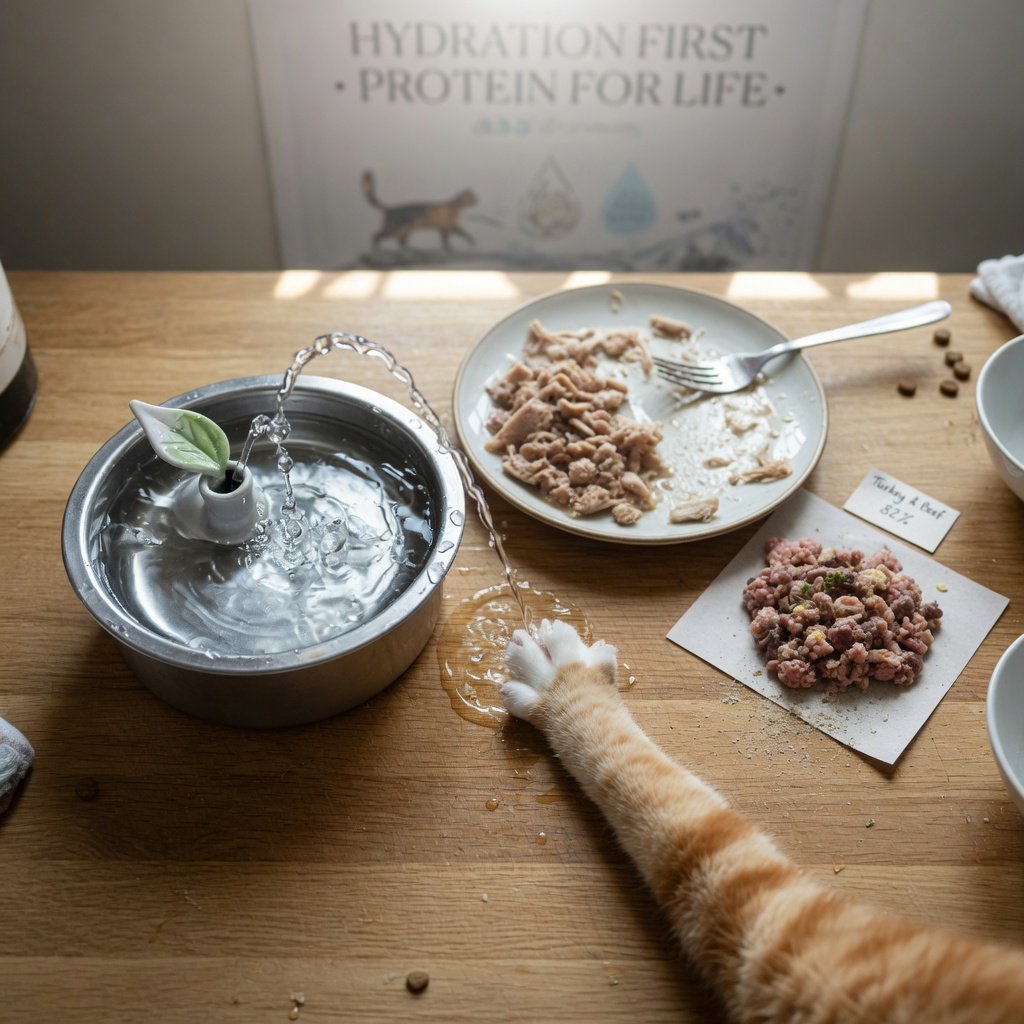
To reduce your cat's urinary problem risk:
- Prioritise wet food over dry kibble, or mix both for optimal hydration
- Ensure constant access to fresh water; consider cat water fountains to encourage drinking
- Choose foods specifically formulated for urinary health from reputable manufacturers
- Feed high-protein, meat-based diets that reflect feline evolutionary needs
- Avoid foods with excessive cereals or plant fillers
- Transition diet changes gradually over 7-10 days to prevent digestive upset
When to Seek Professional Advice
Whilst preventative nutrition is powerful, some cats require prescription diets formulated by veterinary nutritionists. Cats with existing urinary conditions, recurring blockages, or specific crystal types may need tailored therapeutic food. Always consult your veterinary surgeon before making significant dietary changes, particularly if your cat has been diagnosed with urinary disease.
Key Takeaways
Cat food absolutely can help prevent urinary problems when chosen thoughtfully. By prioritising moisture-rich, appropriately mineral-balanced, quality nutrition, you're taking one of the most effective preventative steps available. Combined with adequate hydration, stress reduction, and regular veterinary check-ups, the right diet forms part of a comprehensive approach to keeping your feline friend's urinary system healthy for life.