
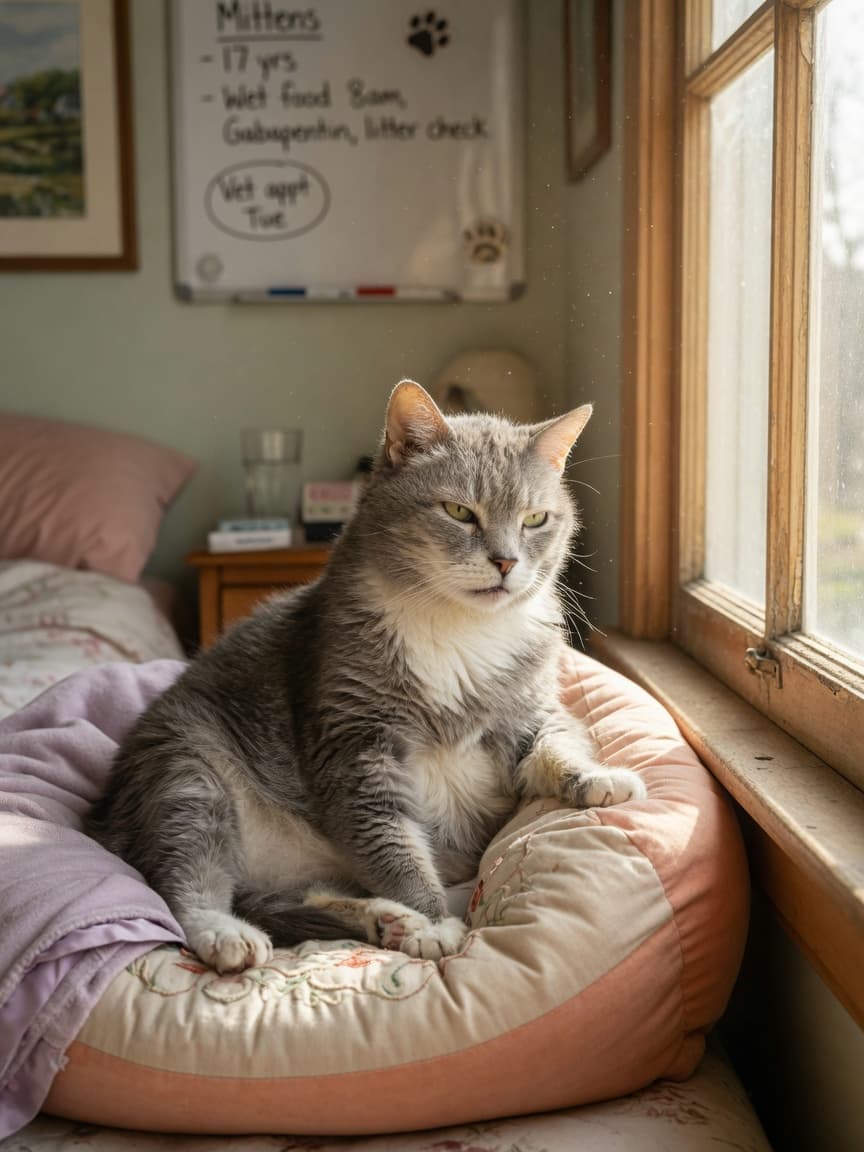
The Ageing Brain in Dogs and Cats
The brain ages in animals much as it does in humans. Neurons are lost, the speed of neural transmission slows, and the accumulation of cellular waste products — including beta-amyloid plaques structurally similar to those found in human Alzheimer's disease — begins to interfere with normal brain function. Both dogs and cats can develop a clinical syndrome arising from these changes, known in veterinary medicine as cognitive dysfunction syndrome.
Understanding what cognitive changes are genuinely concerning versus what represents normal slowing helps owners respond appropriately — neither dismissing real problems as inevitable ageing nor panicking over minor changes.
Normal Cognitive Changes in Senior Pets
Some degree of slowing is expected and does not indicate disease. A senior dog may take slightly longer to respond to commands they know well. An older cat may sleep more and engage less spontaneously in play. Learning new tasks may take more repetitions than it did in younger years. Reaction times slow. These changes are gradual, do not worsen dramatically, and do not significantly disrupt normal daily function.
These are the cognitive equivalents of reading glasses — minor adjustments to a largely intact system.
Cognitive Dysfunction Syndrome: When Changes Become a Concern
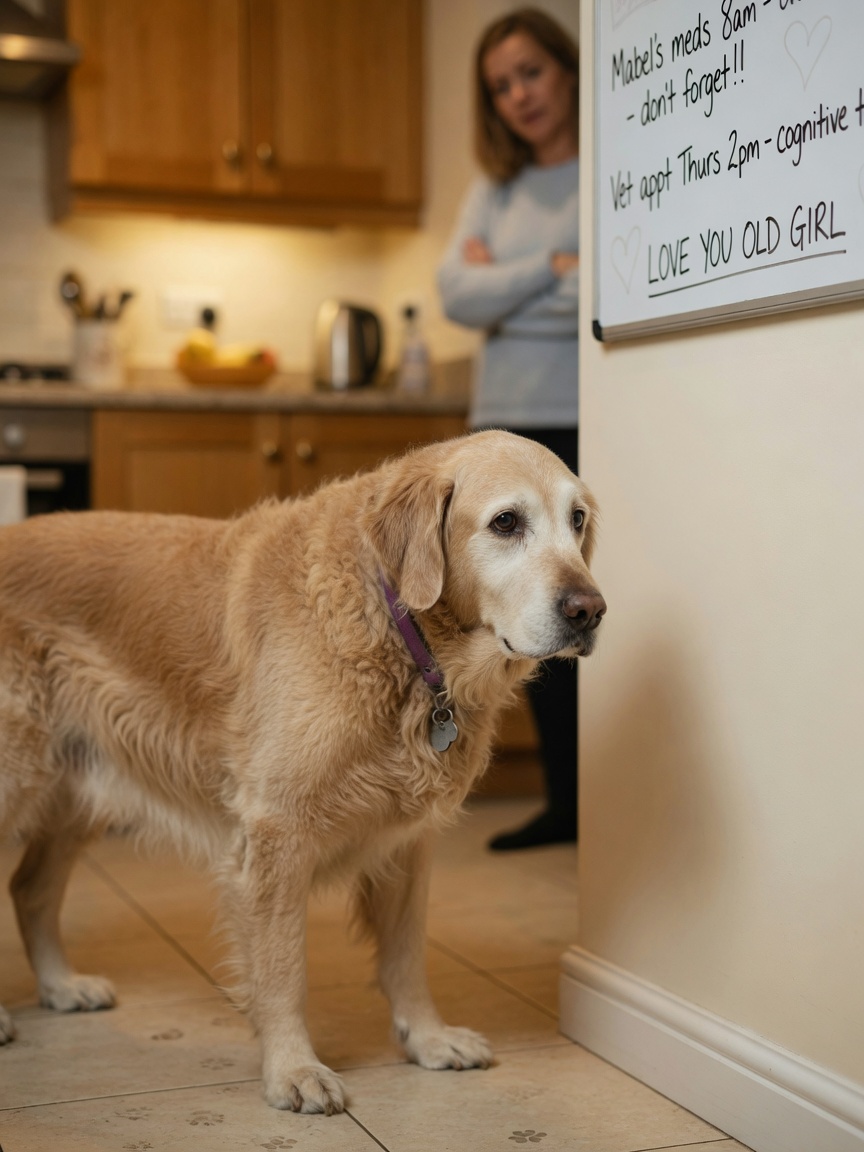
Cognitive dysfunction syndrome is a clinical diagnosis characterised by a specific constellation of symptoms that meaningfully impair a pet's quality of life and daily functioning. Veterinary researchers use the acronym DISHA to describe its key features:
- Disorientation — becoming lost in familiar environments, staring blankly at walls, getting stuck in corners
- Interactions changed — reduced interest in social engagement, decreased response to family members, changes in relationship with other pets
- Sleep-wake cycle alterations — sleeping more during the day and becoming restless, pacing, or vocalising at night
- House soiling — loss of previously reliable toileting habits without a physical explanation such as urinary tract infection
- Activity changes — reduced exploration, less interest in play, increased anxiety or repetitive behaviours
Not every affected pet will show all of these signs, and some will present primarily with one or two. The critical feature is that these changes represent a deviation from the individual animal's previous normal, have appeared or worsened over a relatively short period, and are not fully explained by physical illness.
Prevalence: How Common Is This?
Canine cognitive dysfunction is estimated to affect 14 to 35 percent of dogs over the age of eight, with prevalence rising sharply with age. By the time dogs reach sixteen, the majority show at least some signs. In cats, the condition is increasingly recognised, though historically it has been underdiagnosed due to the subtlety of feline behavioural changes. Studies suggest meaningful rates of cognitive dysfunction in cats over eleven, with significant increases in the mid-teen years.
The Importance of Ruling Out Physical Causes
Before attributing any of the above changes to cognitive dysfunction, physical causes must be excluded. Night-time vocalisation in cats, for example, can result from hyperthyroidism, hypertension, pain, or sensory loss rather than cognitive decline. House soiling may indicate urinary tract infection, diabetes, or mobility problems. Disorientation can result from inner ear disease, high blood pressure, or neurological conditions unrelated to cognitive dysfunction.
A thorough veterinary workup — including blood and urine tests, blood pressure measurement, and physical examination — is essential before a diagnosis of cognitive dysfunction syndrome is made.
What Can Be Done: Treatment and Support
Dietary Interventions
Several nutritional strategies have clinical support in the management of cognitive dysfunction. Diets enriched with medium-chain triglycerides — derived from coconut oil and similar sources — provide an alternative fuel source for neurons that are no longer efficiently metabolising glucose. Clinical trials in dogs have shown improvements in cognitive test performance with MCT-enriched diets. Antioxidants including vitamins C and E, beta-carotene, and selenium help reduce oxidative damage in brain tissue. Some prescription diets for senior pets incorporate these components.
Pharmaceutical Options
Selegiline is a medication licensed for use in dogs with cognitive dysfunction syndrome. It works by modulating dopamine activity in the brain and has shown improvement in clinical signs in a proportion of affected dogs. It is not universally effective and works best in earlier-stage disease. In cats, pharmaceutical options are more limited, though some of the same supplements applicable to dogs may be used.
Environmental Enrichment
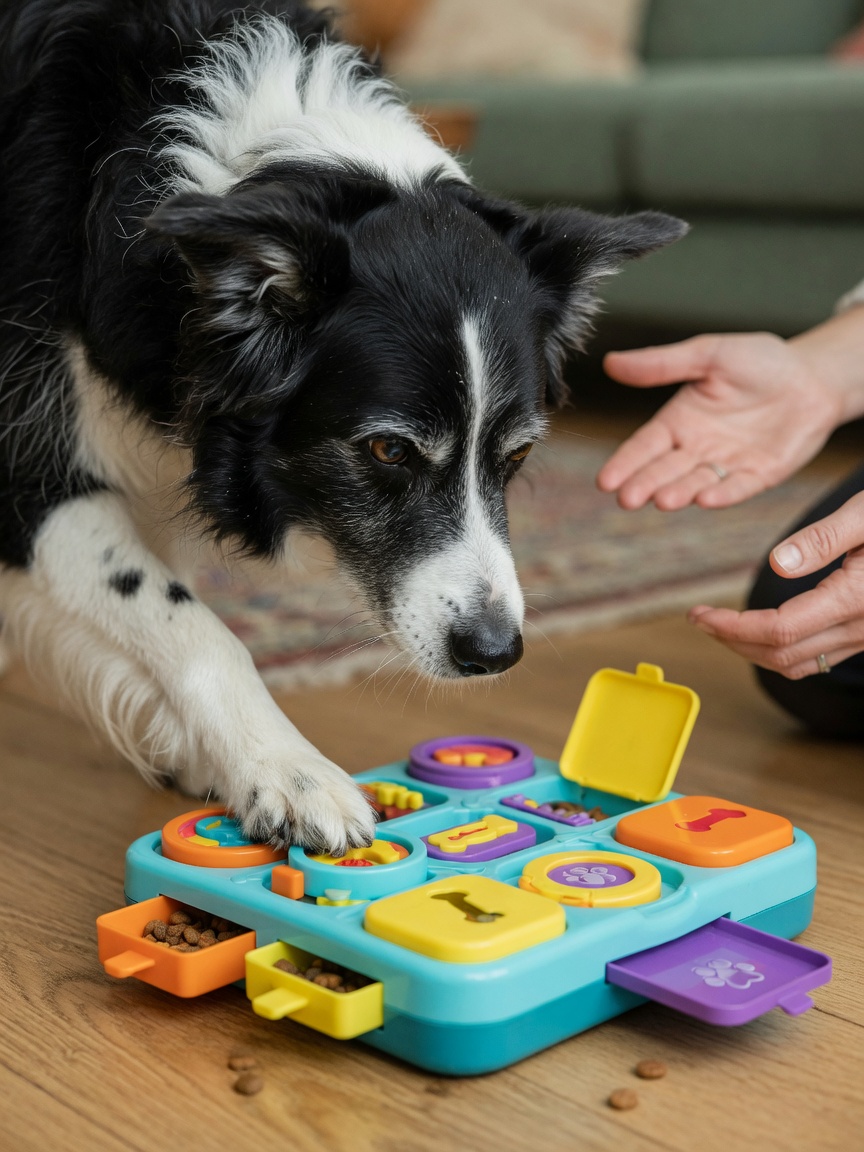
Mental stimulation appears to have a protective effect on brain health in ageing animals, much as it does in humans. Continued engagement through play, training, social interaction, and new sensory experiences supports neural connectivity. Puzzle feeders, scent work, and short, varied training sessions are all valuable. For cats, continued access to window perches, bird feeders outside, and interactive play maintains cognitive engagement.
Managing the Night-Time Disruption
Sleep-wake reversal is often the most distressing symptom for owners. A dog or cat who paces and vocalises through the night disrupts the entire household. Practical strategies include maintaining a consistent daily routine, ensuring adequate daytime mental and physical stimulation, using night lights to reduce disorientation in dark spaces, and creating a safe, enclosed sleeping space that reduces anxiety. Veterinary advice on melatonin or short-term anxiolytic medications may be appropriate in severe cases.
Watching for Progression
Cognitive dysfunction syndrome is progressive. Symptoms do not typically resolve and will gradually worsen over months to years. The pace of progression varies considerably between individuals, and early intervention — including dietary changes, enrichment, and appropriate medication — appears to slow rather than halt deterioration.
Regular reassessment, honest conversations with your vet about quality of life, and adjustments to management as the disease advances are all part of compassionate long-term care for a pet living with cognitive decline.
The changes cognitive dysfunction brings can be hard to witness. But understanding what is happening in your pet's brain — and knowing that there are real, evidence-based steps you can take — transforms a frightening situation into one that is genuinely manageable.