
Why Senior Dogs Deserve a Second Look
Older dogs are consistently the last to be adopted and the first to be euthanised in rescue centres. Yet many people who have brought a senior dog home describe it as one of the most rewarding experiences of their lives. The frantic puppy energy is gone. In its place is a dog who often already knows basic commands, is typically house-trained, and is content simply to be near you.
The first 30 days with any rescue dog are a period of adjustment — and understanding what is actually happening for your new companion can help you both navigate it with far less stress.
The First Week: Overwhelm Is Normal
The concept known as the 3-3-3 rule is well-established in rescue circles and applies especially to senior dogs. In the first three days, a new dog is typically in survival mode — overwhelmed by new smells, sounds, people, and routines. They may refuse to eat, sleep excessively, hide, or seem completely shut down. This is not a reflection of their personality. It is a stress response.
During this initial phase, the kindest thing you can do is give the dog space. Let them explore on their own terms. Avoid introducing them to large groups of people, new environments, or unfamiliar dogs. Keep the home calm and predictable.
Setting Up Their Space
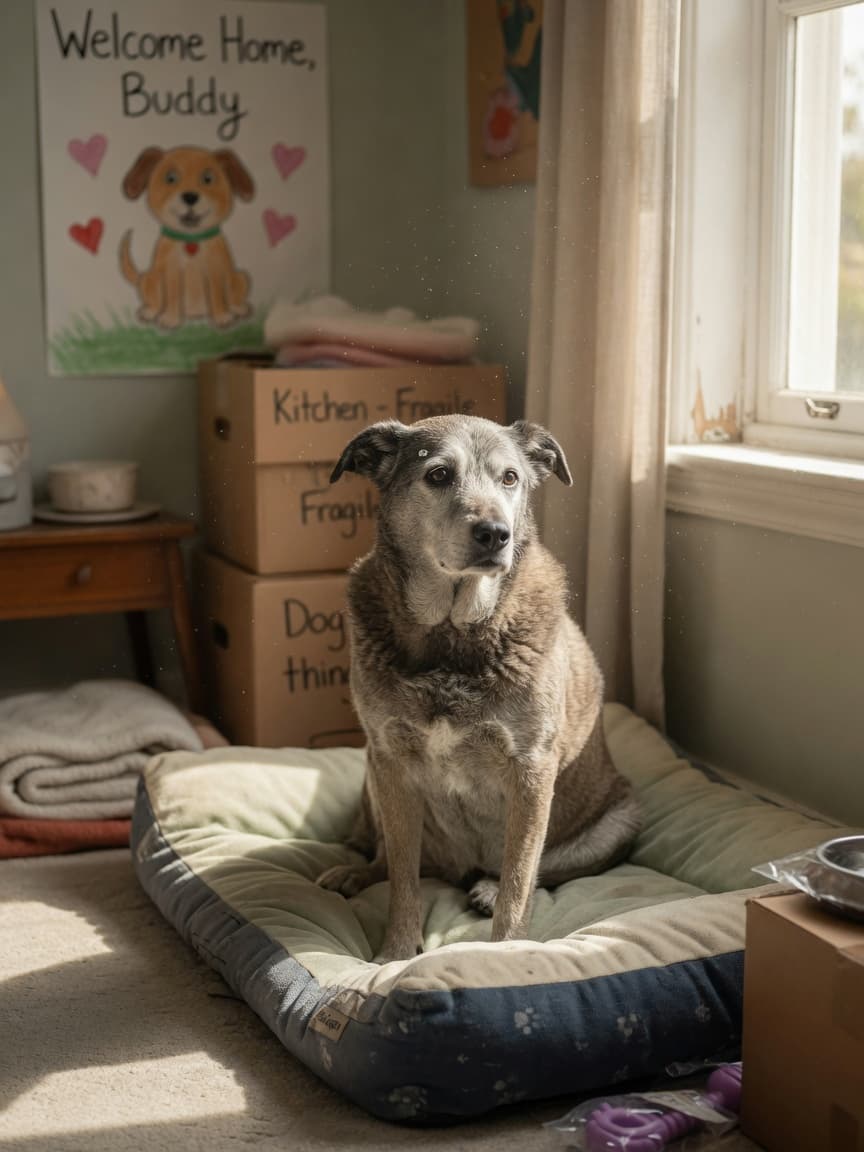
A senior dog benefits enormously from having a dedicated, comfortable spot that is entirely theirs. An orthopaedic bed is worth the investment — many older dogs have joint issues that worsen on hard surfaces. Place the bed somewhere quiet but within sight of the family, so the dog can observe and feel included without being overwhelmed.
Weeks Two and Three: Personality Starts to Emerge
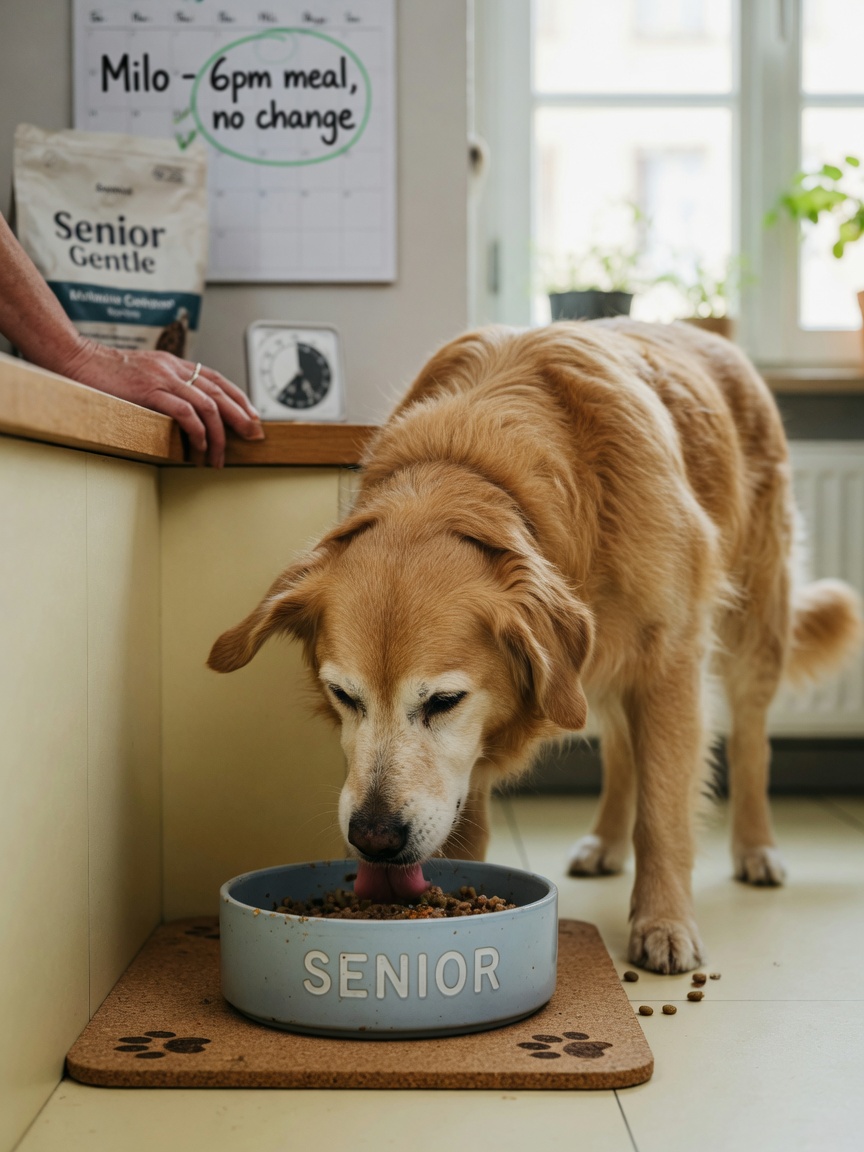
As the stress hormones settle, you will start to see who your dog actually is. This can cut both ways. Some behaviours that seemed absent in the first week will surface — some delightful, some challenging. A dog who seemed placid may become more vocal. One who appeared disinterested in food may suddenly become food-motivated and enthusiastic.
Establishing Routine
Routine is genuinely therapeutic for dogs, and particularly for older animals who have likely experienced significant upheaval. Feed at the same times each day. Walk at consistent times. Even small rituals — a calm hello when you come home, a specific spot for their bowl — create a sense of predictability that reduces anxiety.
Veterinary Assessment
If you have not already done so, a full veterinary check within the first two weeks is essential. Senior dogs frequently arrive with undiagnosed dental disease, arthritis, hypothyroidism, or early kidney disease. Catching these conditions early improves outcomes dramatically. Ask your vet about blood work as a baseline — it gives you a snapshot of where your dog's health stands and makes future monitoring far more meaningful.
The Fourth Week: Building Real Trust
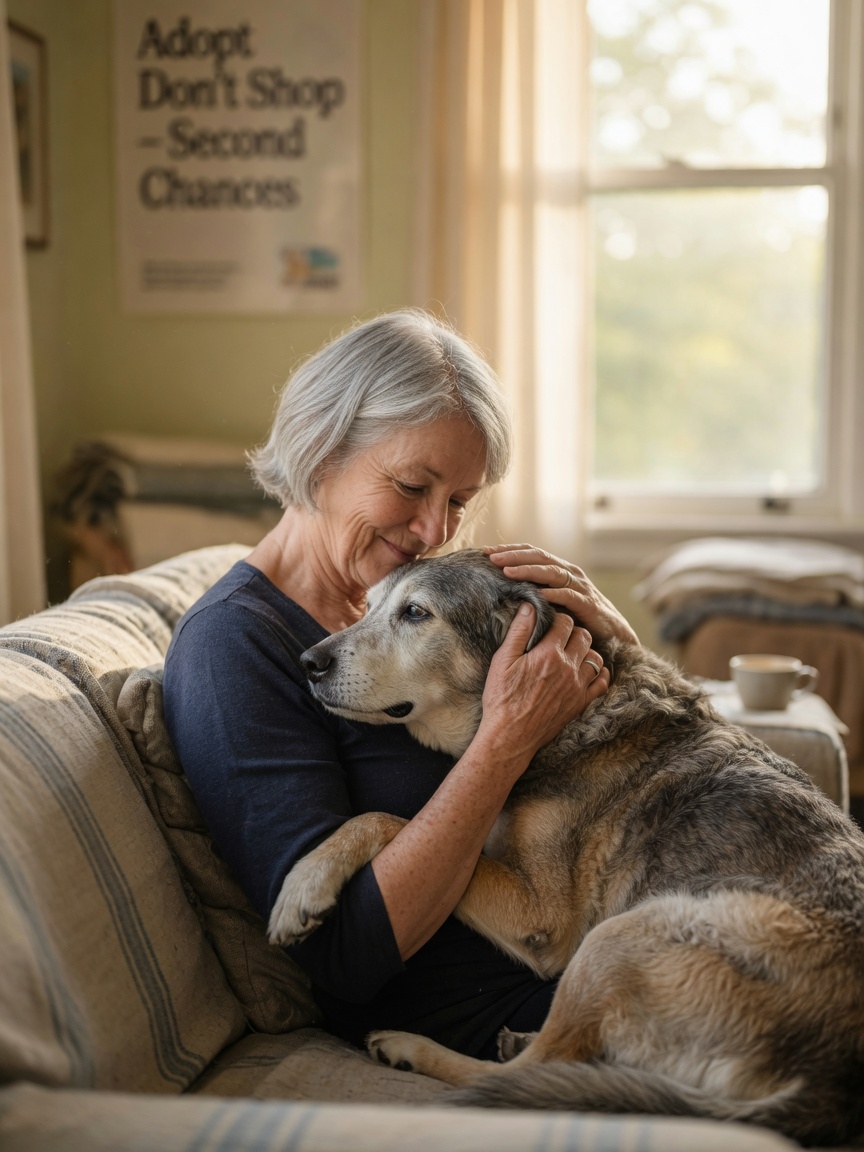
By week four, most dogs have moved past survival mode and are beginning to genuinely settle. This is when the relationship starts to form in a meaningful way. You may notice the dog seeking you out more actively, relaxing in your presence, and showing signs of playfulness or affection that were absent before.
What Senior Dogs Need Emotionally
Older rescue dogs have often lived through loss — the death of an owner, rehoming, extended kennel stays. They may be slower to attach than a young dog, and that is completely normal. Patience and consistency are more valuable than enthusiasm. Let the dog set the pace for physical affection. Some will be immediately tactile; others need weeks before they are comfortable being touched beyond basic care.
Common Challenges and How to Handle Them
House Training Regression
Even a dog who was perfectly house-trained in their previous home may have accidents in the first month. Stress disrupts normal behaviour. Respond without punishment — clean the area thoroughly with an enzymatic cleaner and return to basics: regular outdoor trips, calm praise when they go outside, and no unsupervised access to the whole house until the behaviour is consistent.
Sleep Disruption
Some senior dogs, particularly those with cognitive dysfunction or hearing loss, may be unsettled at night. A night light in their sleeping area can help dogs with deteriorating vision. A piece of your worn clothing near their bed provides olfactory reassurance. If disruption persists beyond the first few weeks, discuss options with your vet.
Reluctance to Eat
Stress suppresses appetite. If your dog is not eating well in the first few days, try warming their food slightly to enhance the aroma, or add a small amount of low-sodium broth. If refusal extends beyond 48 to 72 hours, consult your vet — particularly as older dogs can develop hepatic lipidosis relatively quickly if they go without food for extended periods.
The Longer View
Adopting a senior dog is not a consolation prize. It is a deliberate choice to offer a good life to an animal who might otherwise not get one. The timeline is different — you may have five years together rather than fifteen — but the depth of the bond formed in that time is no less real. Many owners of senior rescues will tell you that those years were among the most profound of their lives.