
Dogs
Best Automatic Pet Feeders 2026: Smart & Basic Options
Automatic pet feeders have moved well beyond novelty gadgets. For households where meal timing is inconsistent — early commutes, long work days, travel…
Julia WrenfieldJuly 2, 2026

Automatic pet feeders have moved well beyond novelty gadgets. For households where meal timing is inconsistent — early commutes, long work days, travel…

The term "obligate carnivore" means that cats have evolved to derive all essential nutrients from animal tissue and lack the metabolic pathways to…

Cats are biologically wired to obtain most of their moisture from prey rather than from a water source, which means that domestic cats — especially…

Fast eating in dogs is more than a nuisance — it is a genuine health risk that can lead to vomiting, chronic bloating, and in large breeds, the…

Indoor cats live, on average, 12–18 years compared to 5–7 years for free-roaming outdoor cats. The protection from traffic, predators, infectious disease, and injury is real and significant. But safety without stimulation is its own form of deprivation. A cat evolved for territory exploration, activ…

The Boxer is an exuberant, loyal, and often clownish breed that forms intense bonds with its family. Behind that playful exterior, however, lies a dog…

Edamame is the Japanese term for immature soybeans harvested while still green and tender, before the sugars have converted to starch. They are widely…

Receiving a cancer diagnosis for your dog is one of the most difficult moments any pet owner can face. Yet the path from first suspicion to successful…

Cats are famously subtle about many things, and pregnancy is no exception. In the early weeks, a pregnant queen may show almost no obvious outward…

Avocado has earned near-mythical status as a human superfood. Rich in healthy fats, potassium, and folate, it seems like the perfect natural food to…

Rabbits, guinea pigs, hamsters, and rats are four of the most popular small mammals kept as pets in the UK and Europe. They are very different animals…
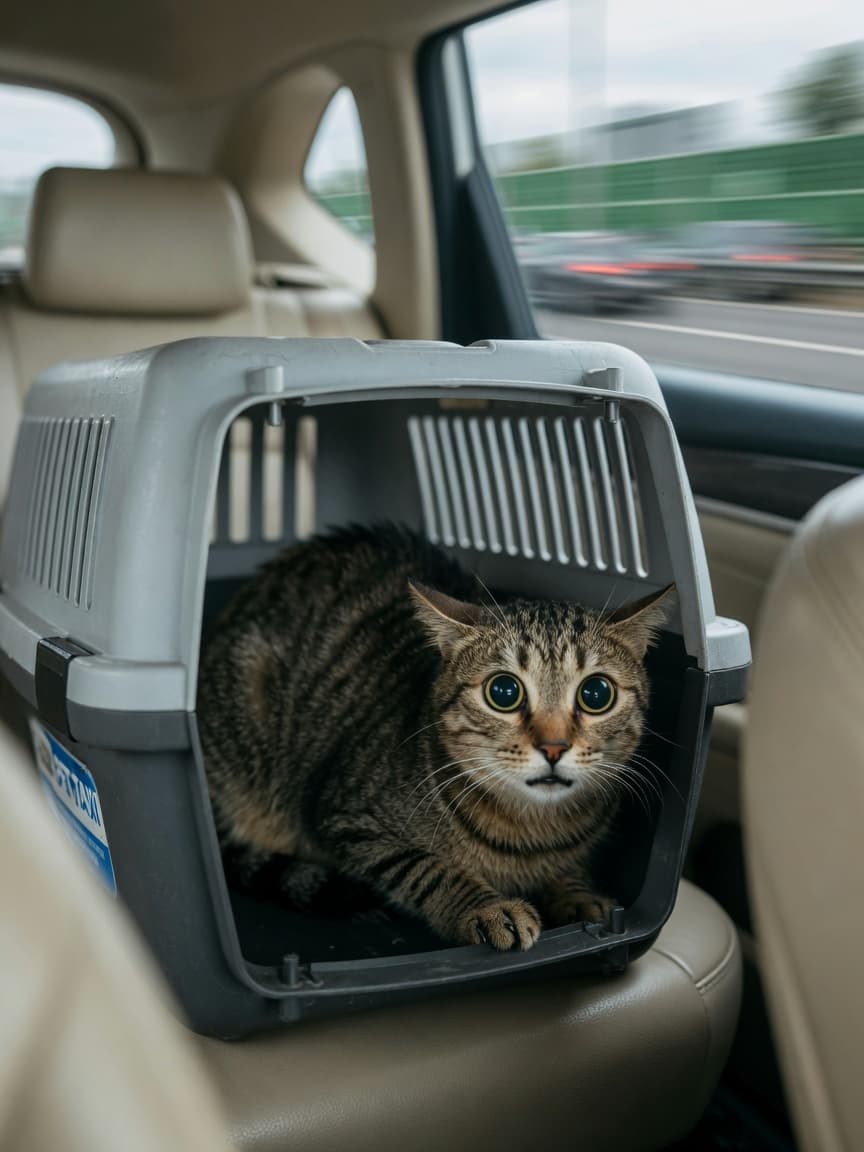
Anxiety is one of the most under-recognized welfare issues in domestic cats. Unlike dogs, cats rarely vocalize distress in obvious ways — instead, they…

If your dog trembles during thunderstorms, barks uncontrollably when left alone, or freezes in new environments, you already know how distressing…

A cancer diagnosis in a beloved dog is one of the most painful experiences a pet owner can face. Beyond the medical decisions about treatment —…

Deciding when to neuter a male dog is one of the most significant health choices you will make during your pet's life. Get the timing right and you can…

Exercise is one of the cornerstones of canine health, yet the question of how much is right for your dog has no single answer. Breed, age, health…

Cats have a reputation problem. Centuries of cultural mythology have painted them as solitary, self-serving creatures who tolerate their owners only as long as the food bowl stays full. But a growing body of scientific research tells a very different story. Cats do form genuine emotional bonds with …

Dog DNA tests have moved well beyond a novelty. Today's kits can decode your dog's breed composition, flag hereditary health risks, and reveal…

Periodontal disease is a progressive infection of the structures that support your dog's teeth — specifically the gums, periodontal ligament, cementum,…

Jumping is a natural social behaviour inherited from wolf pups who lick the mouths of returning adults to stimulate regurgitation of food. In domestic…

False pregnancy, medically termed pseudopregnancy or pseudocyesis, is a condition in which an unspayed female dog displays the physical and behavioural…

Angiostrongylus vasorum, the dog lungworm, was once confined to isolated pockets of the UK. It has now been confirmed in every region of England and is…

Living closely with dogs brings enormous rewards — companionship, physical activity, and emotional wellbeing among them. It also brings a small but…

You do not have to face this alone. If you are struggling with the decision to euthanize your dog or grieving after their passing, compassionate support is available free of charge through the ASPCA Pet Loss Hotline: (888) 426-4435, available around the clock.
Free newsletter
Weekly science-backed advice for dog & cat owners. No spam, unsubscribe anytime.