Dogs
Hyperaldosteronism In Cats High Blood Pressure Muscle Weakness
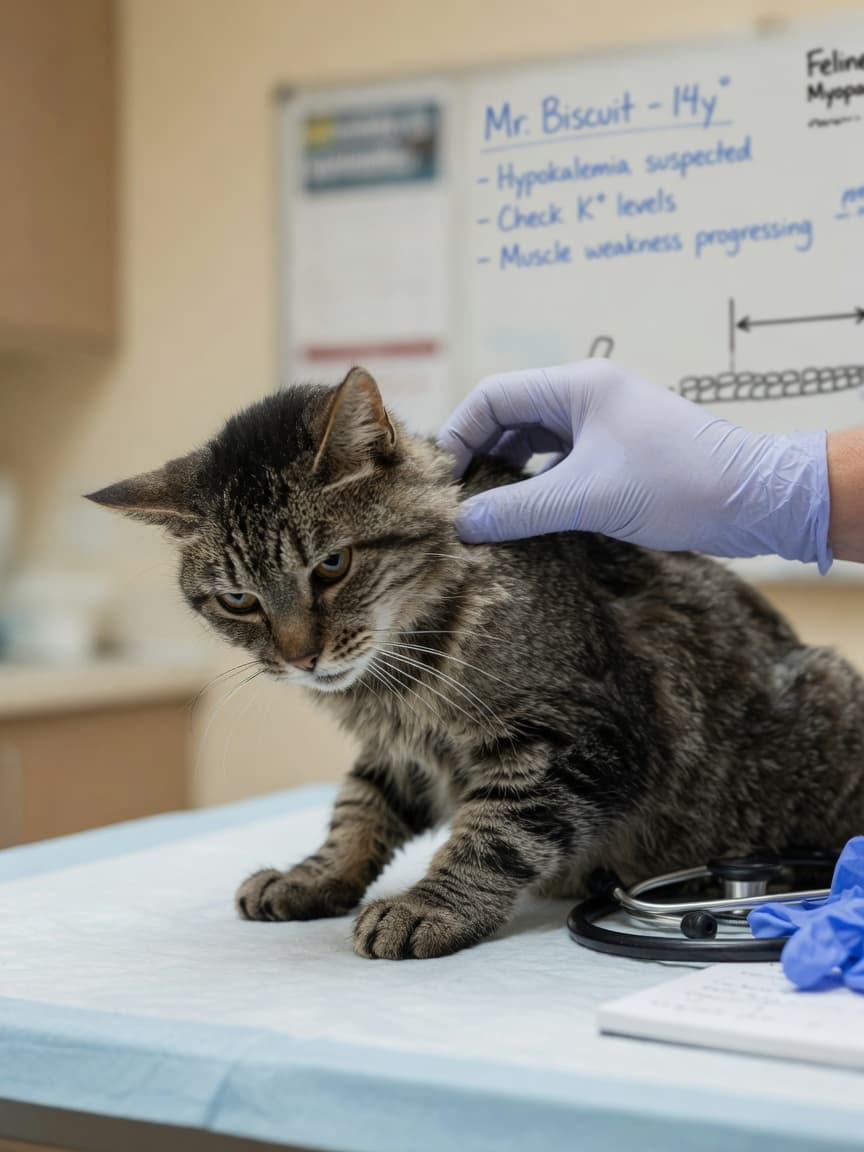
Hyperaldosteronism — also called Conn's syndrome — is a condition caused by excessive production of the hormone aldosterone by one or both adrenal…
Julia WrenfieldJuly 2, 2026

Hyperaldosteronism — also called Conn's syndrome — is a condition caused by excessive production of the hormone aldosterone by one or both adrenal…

Haemangiosarcoma is one of the most heartbreaking cancers in veterinary medicine — not only because of its aggressive nature, but because it so often…
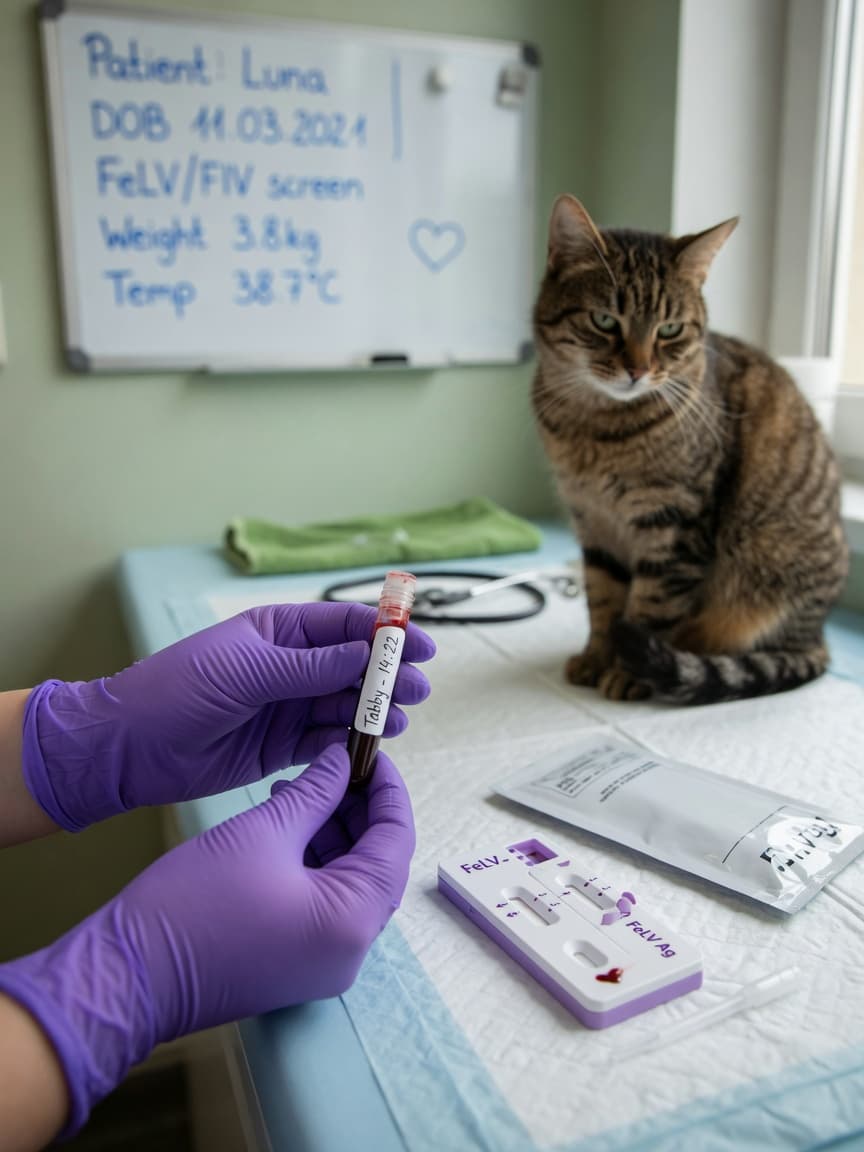
Feline leukaemia virus, or FeLV, is a retrovirus that affects cats worldwide and represents one of the leading infectious causes of illness and death…
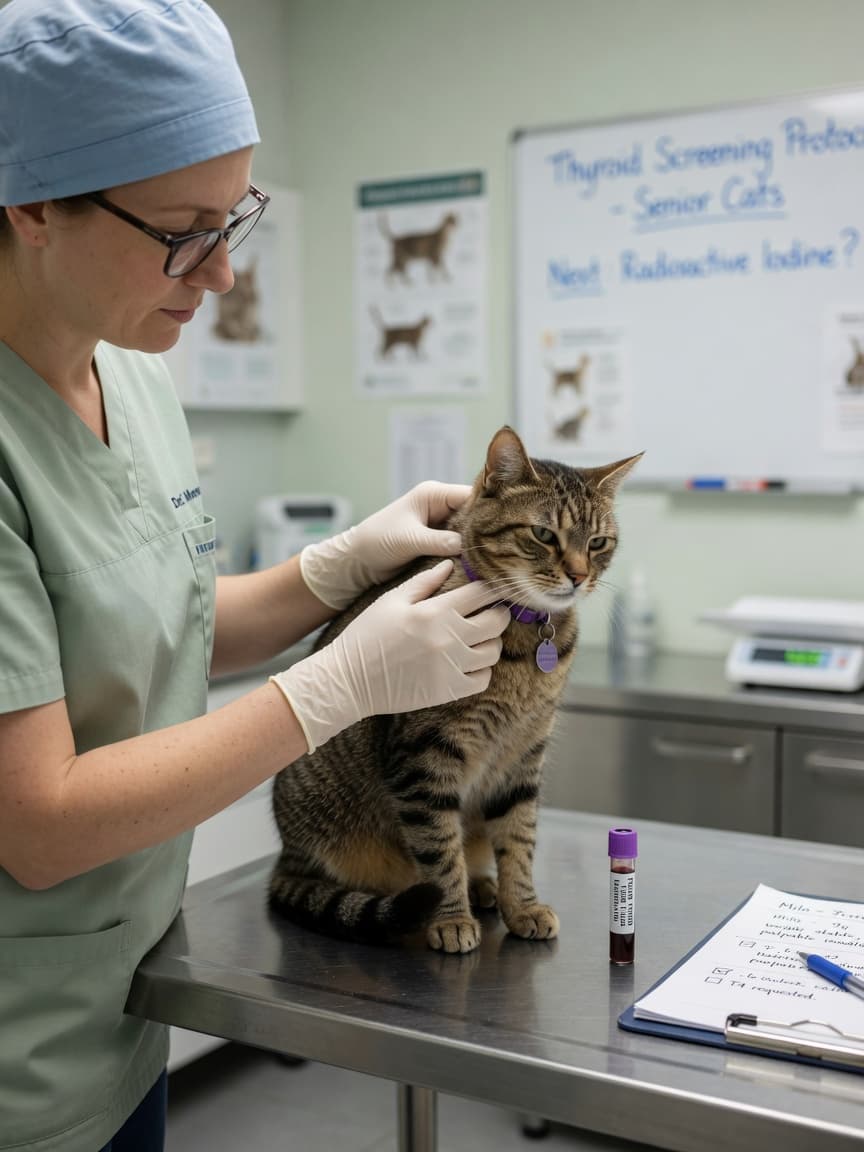
Hypercalcaemia — abnormally elevated calcium in the blood — is a finding that demands attention in cats. While calcium is essential for bone structure,…
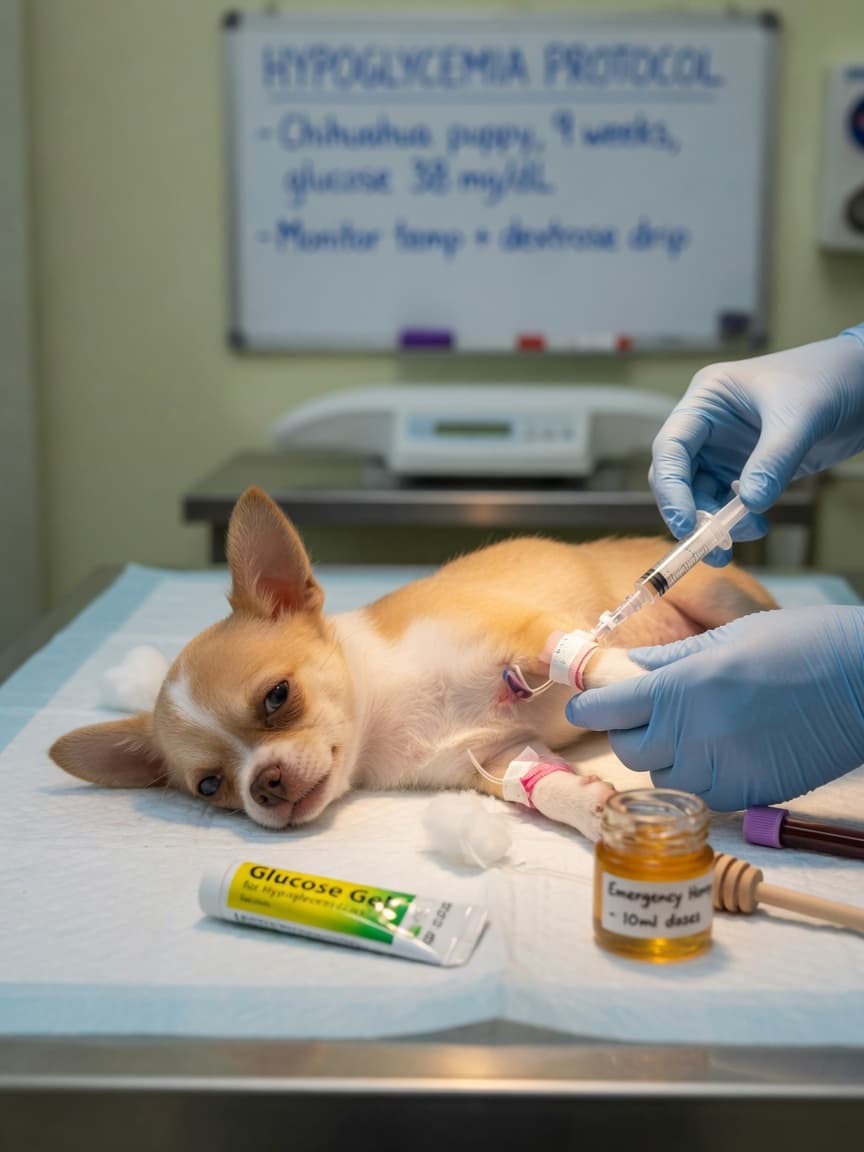
Hypoglycaemia refers to abnormally low blood glucose levels. Glucose is the primary fuel source for the brain and nervous system, which means that when…
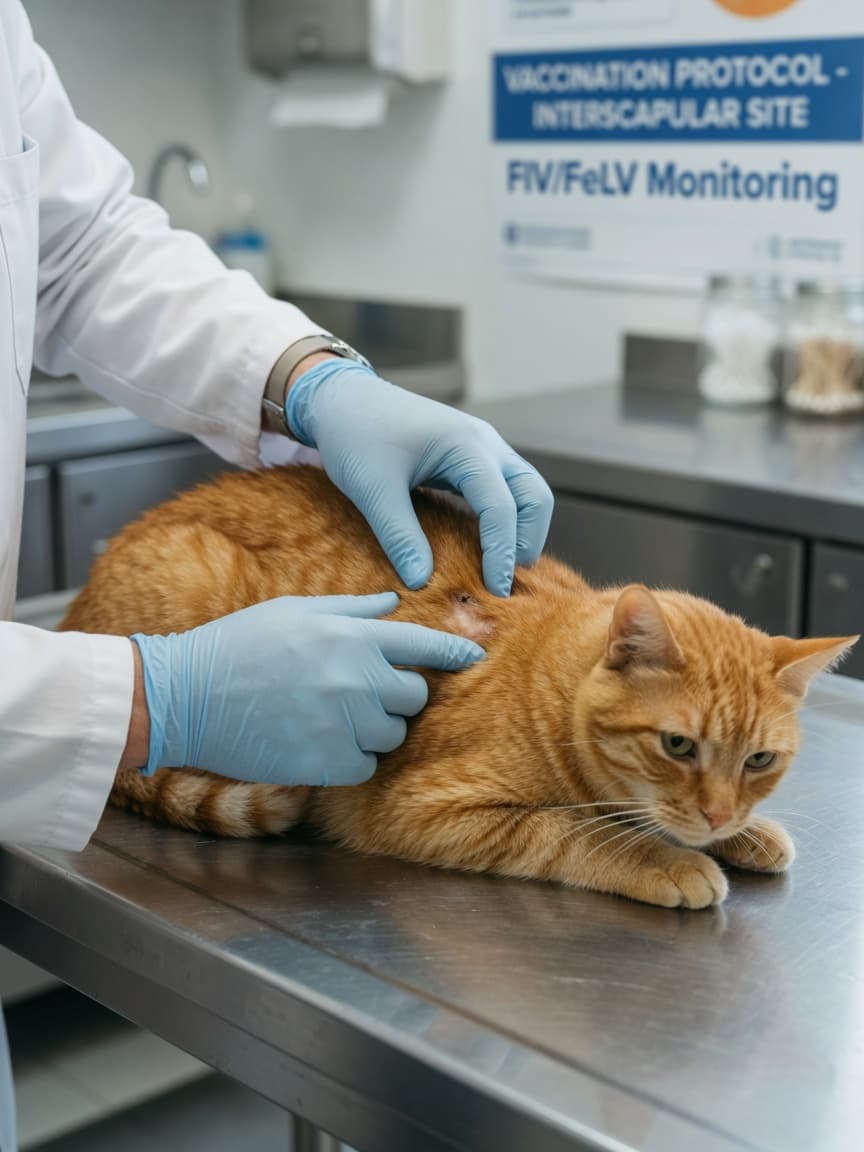
Feline injection-site sarcoma, often abbreviated to FISS and historically called feline vaccine-associated sarcoma, is one of the most challenging…
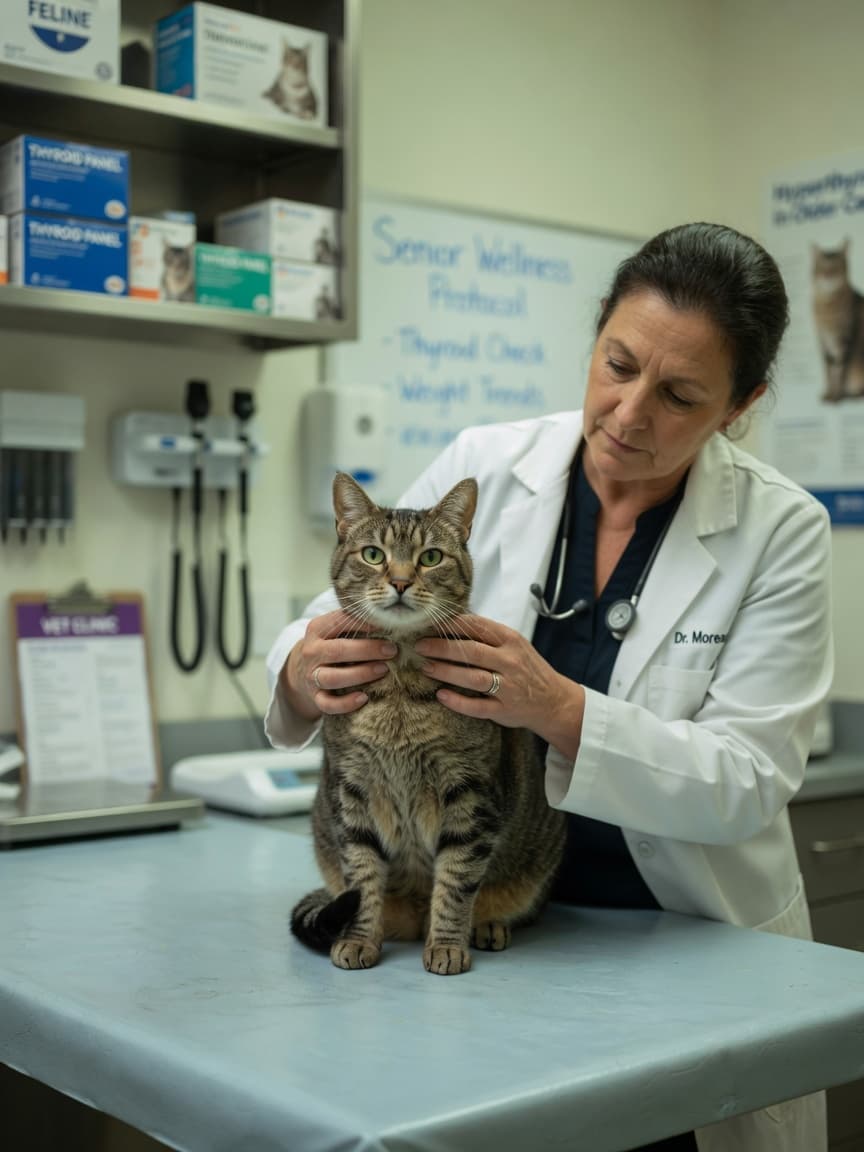
The thyroid gland sits in your cat's neck and produces hormones that regulate metabolism, heart rate, body temperature, and energy use. When it starts…
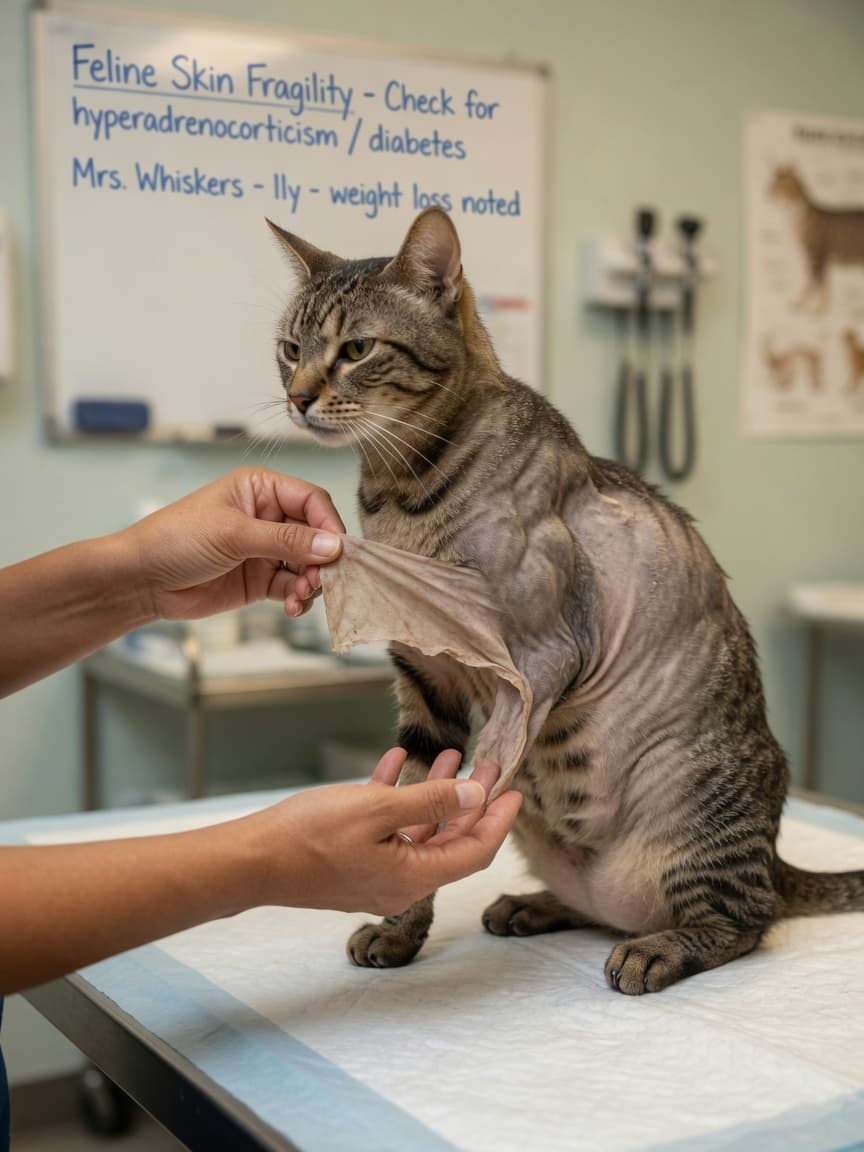
Cushing's disease — the common name for hyperadrenocorticism — is caused by chronically elevated cortisol levels in the body. In dogs, it is one of the…

Diabetes mellitus in dogs is a condition in which the body either fails to produce enough insulin or cannot use insulin effectively, resulting in…

Cushing's disease, known medically as hyperadrenocorticism, is one of the most common endocrine disorders seen in middle-aged and older dogs. It occurs…

Caring for a cat through serious illness or the final stages of life is one of the most difficult experiences an owner can face. The decisions are…

A diagnosis of feline immunodeficiency virus — FIV — often comes as a shock to cat owners. The name draws inevitable comparisons to HIV in humans, and…

The first twelve months of a puppy's life represent a period of rapid physical change and continued immune system development. Maternal antibodies…
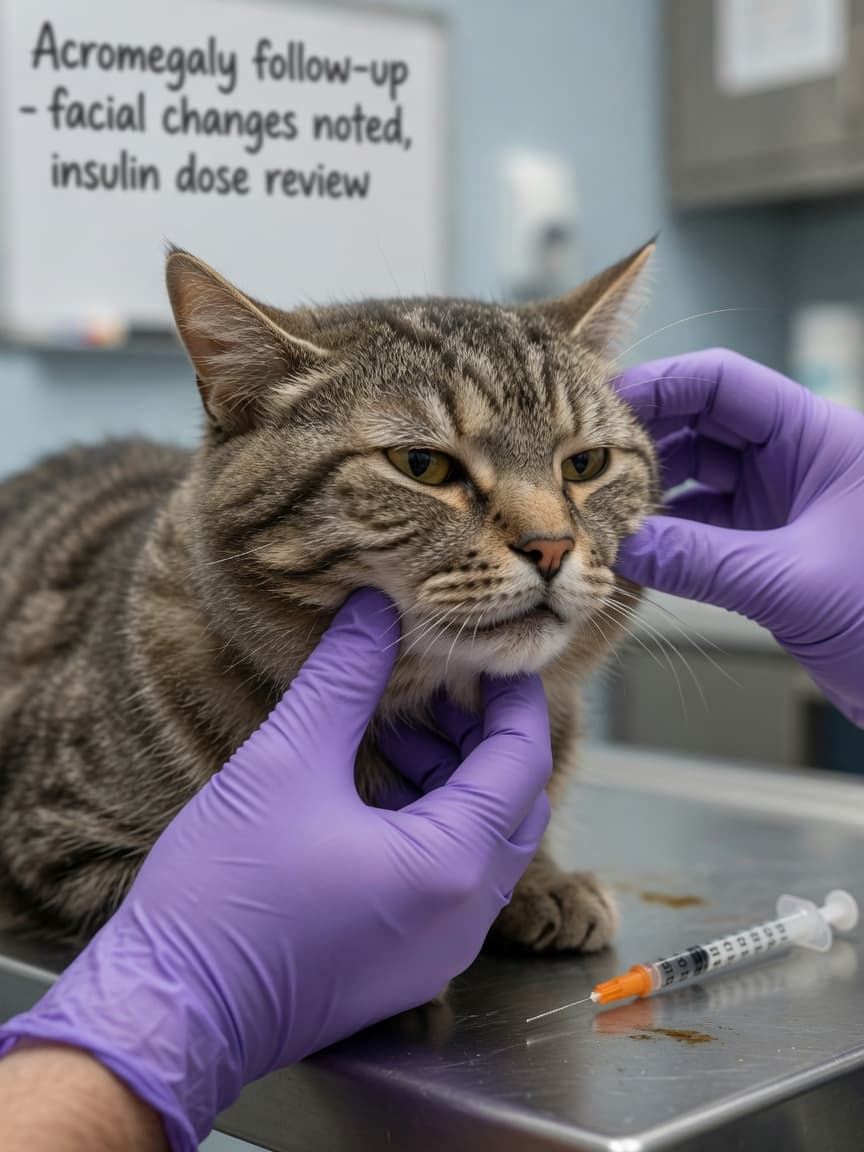
If your diabetic cat seems to need ever-increasing doses of insulin to achieve even modest blood glucose control, acromegaly should be on your…

A cancer diagnosis in your dog does not immediately define what comes next. Many dogs live for months or years after diagnosis with a quality of life…
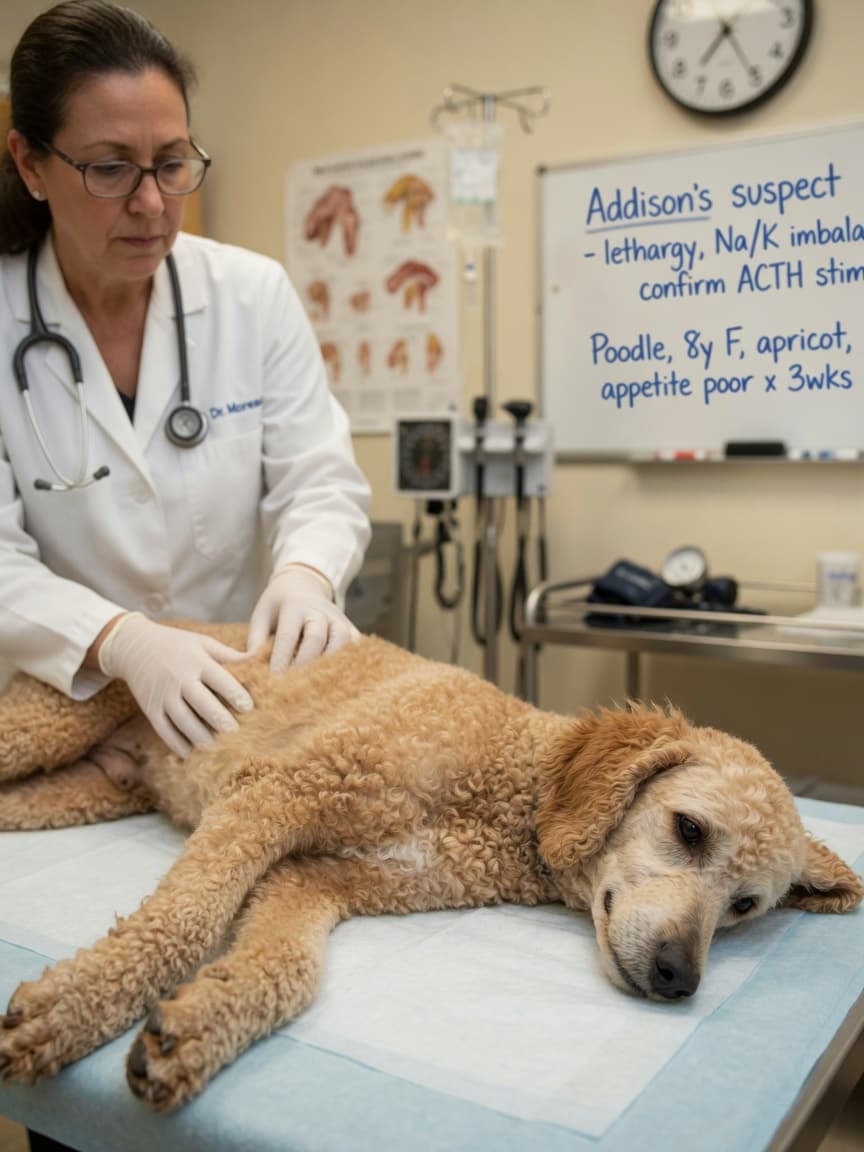
Addison's disease, or hypoadrenocorticism, is the opposite of Cushing's disease. Where Cushing's involves too much cortisol, Addison's involves too…

Dogs drink more water in hot weather, after exercise, and when fed a dry food diet. These fluctuations are entirely normal. But when a dog is…
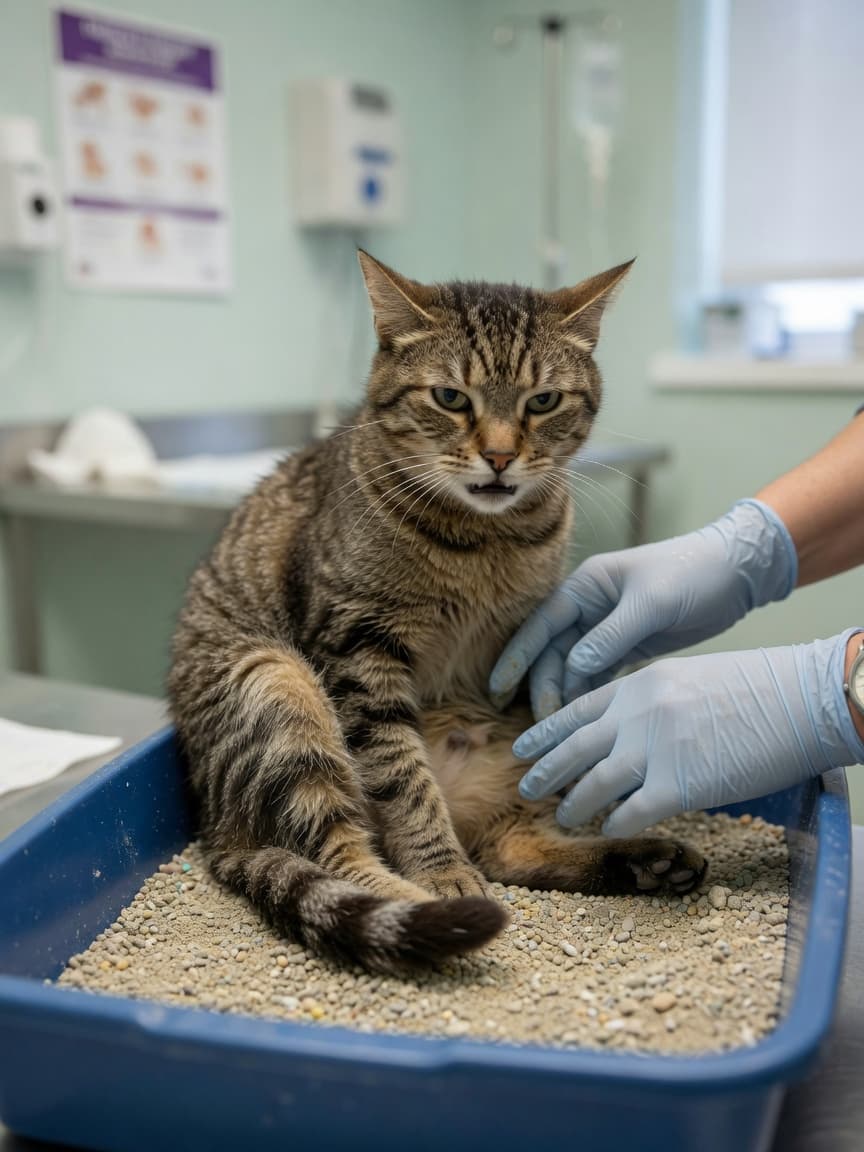
A urinary blockage — also called urethral obstruction — is one of the most dangerous conditions a cat can develop. While female cats can experience…

Congestive heart failure, often abbreviated to CHF, is the condition that develops when the heart can no longer pump blood efficiently enough to meet…

Urinary incontinence in dogs refers to the involuntary leakage of urine — the dog has no conscious control over the loss. This is distinct from…
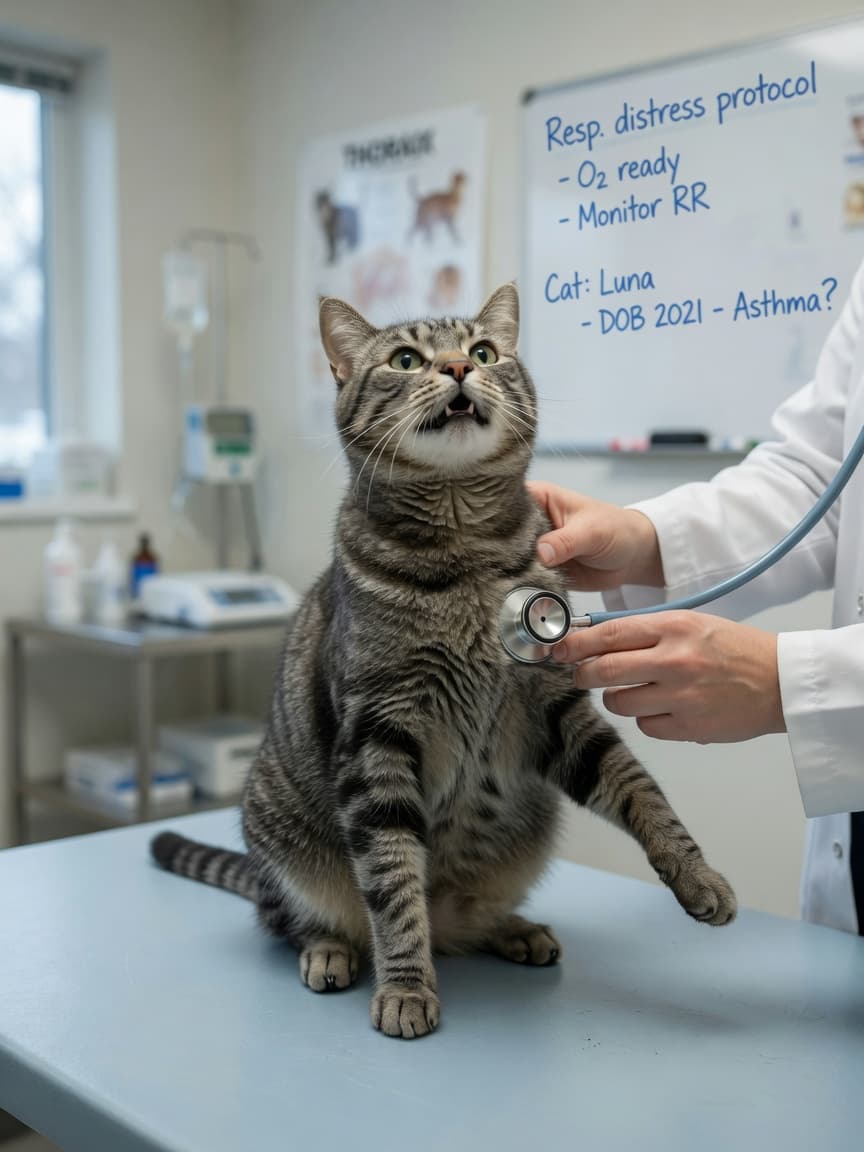
Pleural effusion refers to an abnormal accumulation of fluid in the pleural space — the narrow cavity that sits between the lungs and the chest wall.…
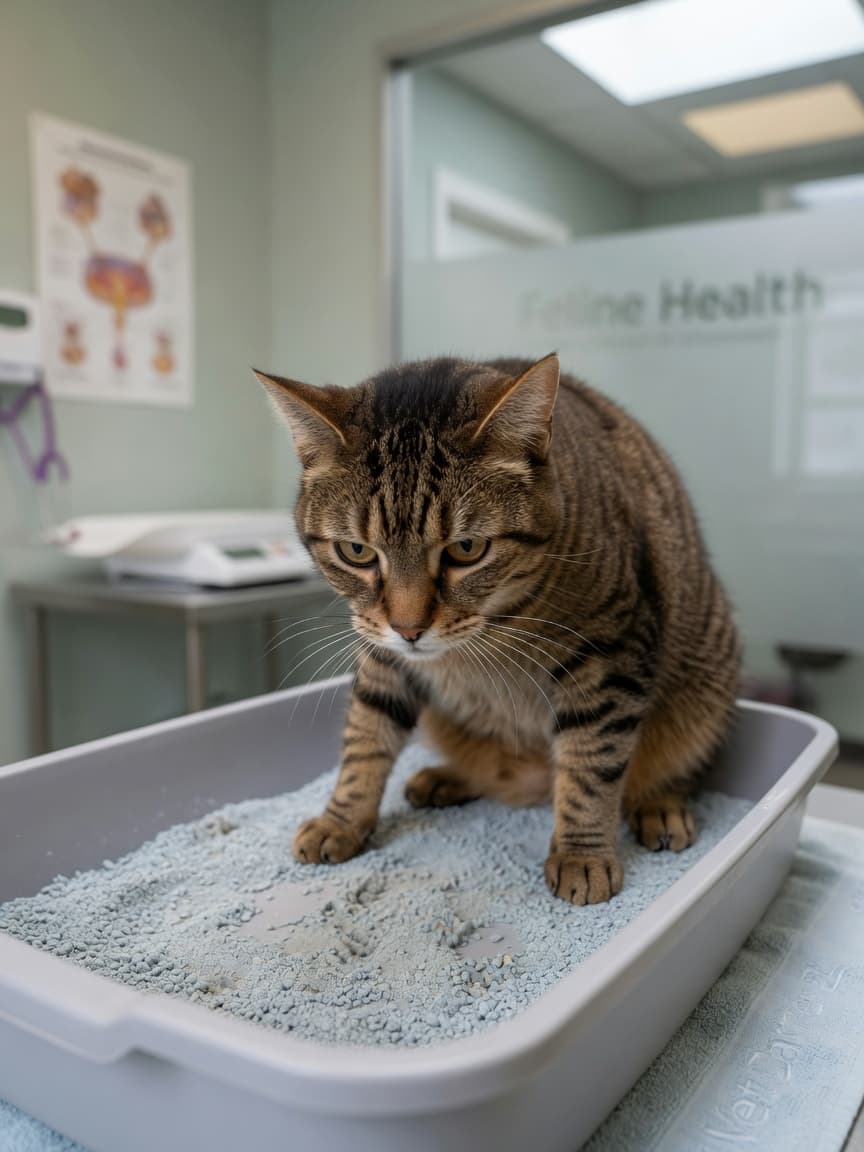
If your cat is squatting repeatedly in the litter tray, crying during urination, or leaving small bloody spots around the house, your first instinct…

A urinary tract infection, commonly called a UTI, occurs when bacteria colonise part of the urinary system — most often the bladder, but sometimes the…
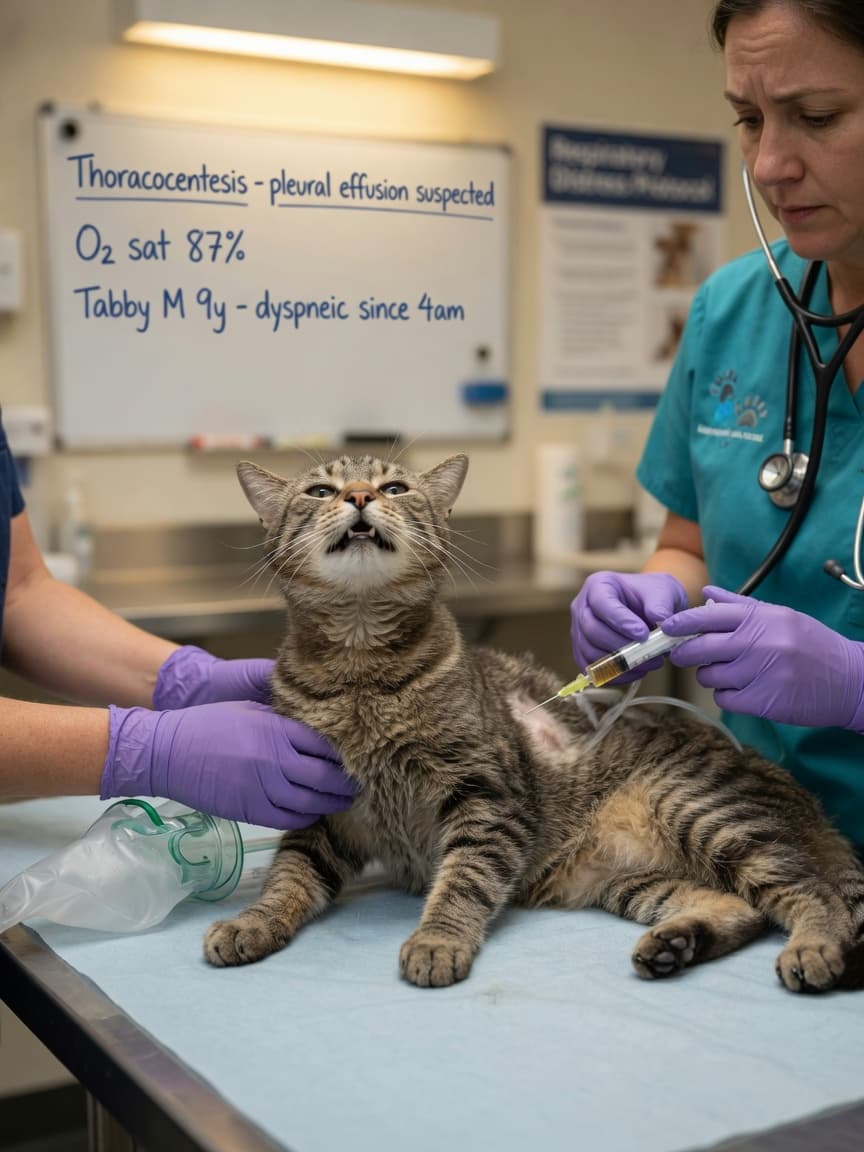
Pyothorax is a severe infection of the pleural space — the cavity that surrounds the lungs inside the chest. In a healthy cat, this space contains only…
Free newsletter
Weekly science-backed advice for dog & cat owners. No spam, unsubscribe anytime.