
Why Is My Cat Hiding? 7 Causes & When to Worry
Updated June 2026
- Your cat has been hiding for more than 24–48 hours and refuses food or water
- You notice labored breathing, pale gums, or the cat cannot stand
- The cat is unresponsive or collapses when you coax it out
- There is visible bleeding, swelling, or signs of trauma
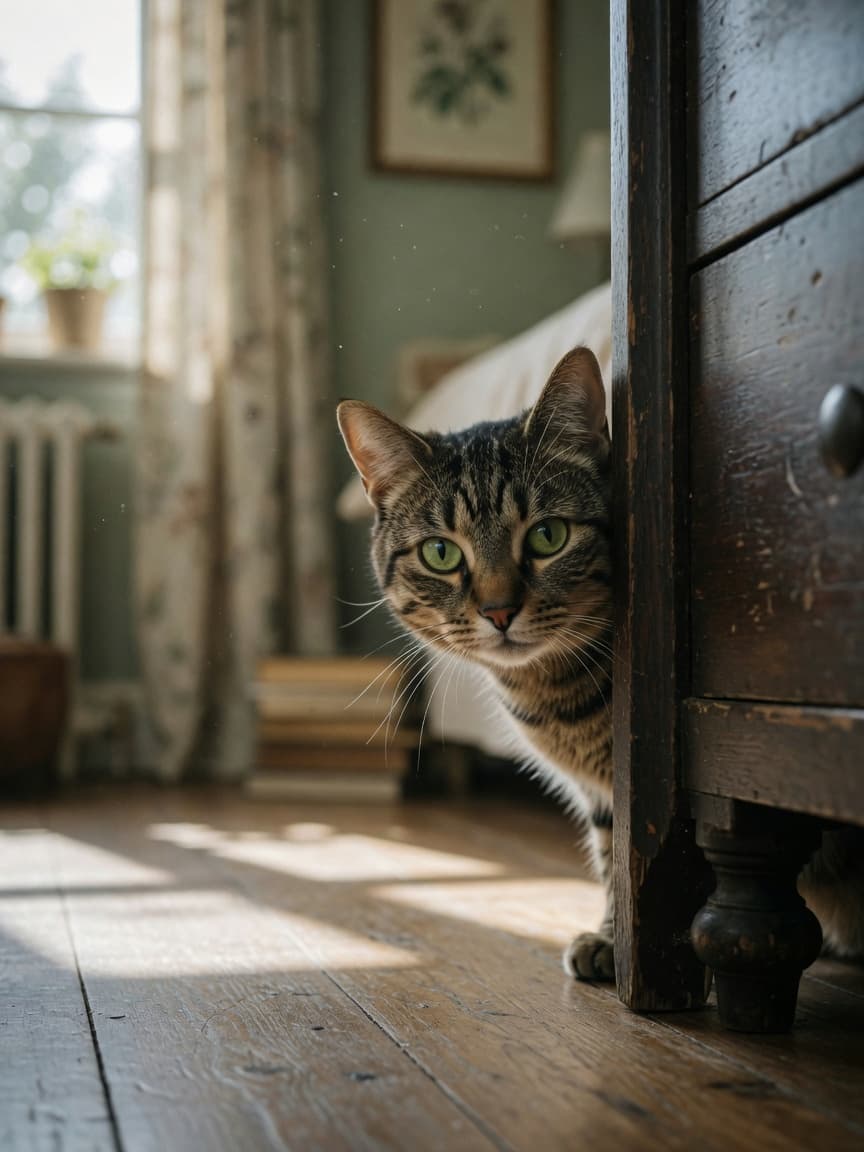
Cats are masters of concealment — it's hardwired into their biology. But when your normally sociable cat suddenly vanishes behind the washing machine or refuses to leave the closet for hours, it's natural to worry. Is something wrong, or is this just typical feline behavior? The honest answer is: it depends entirely on context. Understanding the seven most common reasons cats hide can help you decide whether to wait it out or call your vet.
1. Stress or Environmental Change (Most Common Cause)
By far the most frequent trigger for hiding is psychological stress. Cats are creatures of habit with a surprisingly strong need for environmental predictability. A new pet, a new baby, a house move, loud construction noise, or even rearranging the furniture can be enough to send a sensitive cat into self-imposed isolation. In multi-cat households, social conflict is a major stressor — a cat that is being bullied may hide persistently to avoid confrontation.
If hiding started after a clear environmental change and your cat is otherwise eating, drinking, and using the litter box normally, stress is probably the culprit. Give the cat extra quiet time, maintain routines, and provide elevated hiding spots (like cat trees) so it feels safe without fully disappearing.
2. Illness or Pain
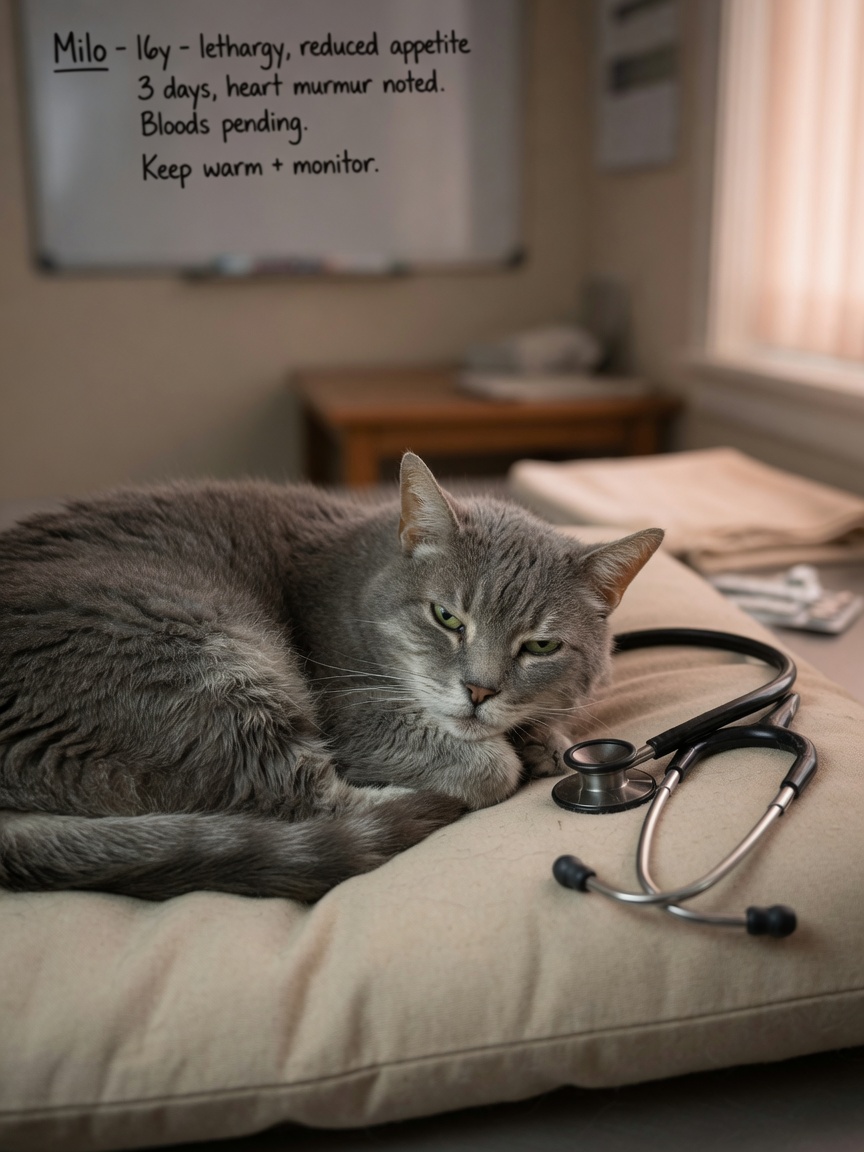
In the wild, a sick or injured animal that shows weakness becomes a target. This ancient survival instinct means domestic cats instinctively hide when they feel unwell — which is precisely why hiding can be such a worrying sign. Pain from arthritis, dental disease, urinary blockage, or internal illness often manifests as sudden, unexplained hiding, especially if accompanied by changes in appetite, litter box habits, or grooming.
Key red flag: a cat that hides AND stops eating for more than 24 hours needs veterinary attention. Hepatic lipidosis (fatty liver disease) can develop rapidly in cats that go off food, making prompt evaluation important.
3. Fear of a Specific Trigger
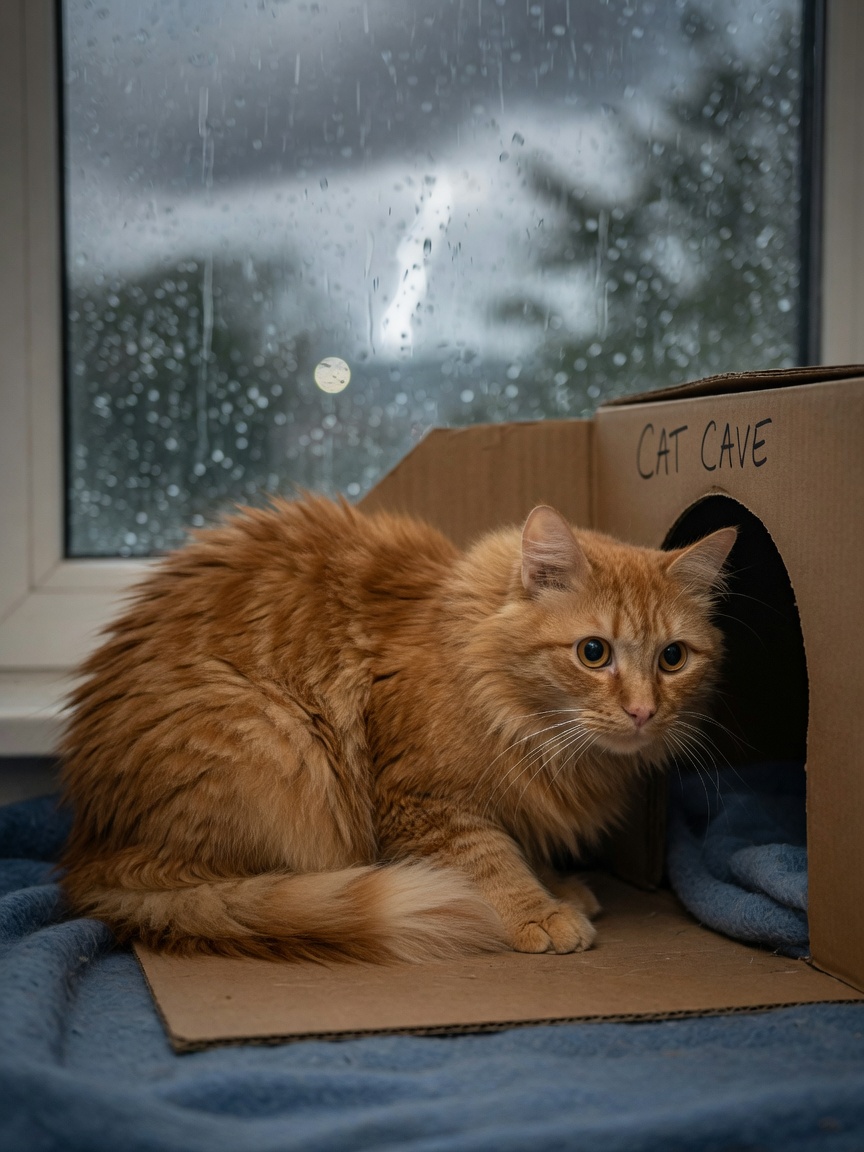
Fireworks, thunderstorms, vacuum cleaners, and visitors are classic feline fear triggers. Unlike stress from ongoing change, fear-driven hiding tends to be acute and time-limited — the cat emerges once the threat has passed. If your cat predictably hides only during specific events, this is normal coping behavior. You can help by creating a dedicated safe space (a covered crate or a quiet room) stocked with familiar bedding and away from windows.
4. Recovery After a Veterinary Visit or Procedure
Post-vet hiding is extremely common and generally benign. The clinic smell, handling by strangers, injections, and the car journey all combine into a deeply stressful experience for most cats. Many cats will hide for several hours — sometimes up to a day — after returning home. As long as the cat is eating and shows no signs of procedural complications, this is normal recovery behavior.
5. A New Cat or Pet in the Home
Introducing a new animal is one of the most disruptive things that can happen in a cat's world. An established cat may hide for days as it processes the new social dynamic. Proper introductions — keeping the new pet separated initially, swapping scents, and allowing gradual visual contact — dramatically reduce the duration and intensity of hiding. Never force the resident cat to interact; let it set the pace.
6. Pregnancy or Pre-Birth Nesting (Unspayed Females)
An unspayed female cat that begins hiding more frequently, especially in dark, enclosed spaces, may be pregnant and searching for a nesting site. Queens typically seek seclusion in the days before giving birth. If your cat is intact and has had any outdoor access, a veterinary examination to rule out or confirm pregnancy is a sensible step.
7. Old Age and Cognitive Decline
Senior cats (over 10 years) sometimes hide more as a result of cognitive dysfunction syndrome (CDS), the feline equivalent of dementia. Older cats may also hide to cope with chronic pain from arthritis or organ disease. If hiding is a new behavior in an older cat that was previously sociable, a veterinary wellness check — including bloodwork and a pain assessment — is strongly recommended. Early intervention with pain management or cognitive supplements can meaningfully improve quality of life.
Create a designated "safe room" for your cat — a quiet space with food, water, litter, and a cozy hiding spot the cat can access voluntarily. This gives anxious cats a retreat without encouraging them to hide in inaccessible spots like behind appliances. Feliway diffusers (synthetic feline pheromones) placed near the hiding spot can also reduce stress-related hiding within a few days.
How Long Is Too Long?
A cat that hides for a few hours after a stressor is normal. A cat hiding for more than 24 hours — especially one that won't come out even for food — warrants closer inspection. Gently coax the cat out and look for physical signs: labored breathing, a distended abdomen, pale or yellow-tinged gums, or inability to walk normally. Any of these signs means a same-day vet call.
What Not to Do
Resist the urge to drag your cat out forcibly. Being pulled from a hiding spot adds to the cat's fear and erodes trust. Instead, sit quietly near the hiding spot, speak softly, and offer a high-value treat. Let the cat decide when it's ready to emerge. Forced interaction with a frightened or painful cat can also result in bites or scratches. If you need to examine the cat, use a towel wrap technique or have a second person assist.
Key Takeaways
- Hiding is a normal feline behavior rooted in survival instincts, but context determines whether it's concerning.
- Stress from environmental changes is the most common cause and typically resolves once the trigger is managed.
- Hiding combined with appetite loss, breathing changes, or lethargy for more than 24 hours requires veterinary evaluation.
- Senior cats that begin hiding more should be seen by a vet to rule out pain, organ disease, or cognitive decline.
- Create safe, accessible hiding spots and use pheromone diffusers to support anxious cats at home.
References
- Amat M, Camps T, Manteca X. Stress in owned cats: behavioural changes and welfare implications. J Feline Med Surg. 2016;18(8):577–586. PMID: 26811353
- Gunn-Moore DA, Moffat K, Christie LA, Head E. Cognitive dysfunction and the neurobiology of ageing in cats. J Small Anim Pract. 2007;48(10):546–553. PMID: 17931359