

When to Neuter a Puppy: What Vets Now Recommend
Few topics in veterinary medicine generate more debate among dog owners across Europe than the question of when — or whether — to neuter a male puppy. In the UK, France, Germany, Spain, the Netherlands and beyond, vets are increasingly moving away from blanket advice toward nuanced, breed-specific recommendations based on an expanding body of research into the long-term health effects of neutering at different life stages. This guide summarises what we currently know so you can have an informed conversation with your vet.
What Is Neutering? Castration vs Vasectomy
Neutering a male dog most commonly refers to surgical castration — the removal of both testes under general anaesthetic. This permanently eliminates the production of testosterone and sperm, making the dog infertile and hormonally altered for life. An alternative, vasectomy, cuts the vas deferens (sperm ducts) rather than removing the testes, rendering the dog infertile while preserving testosterone production. Vasectomy remains far less common in Europe, though interest is growing as understanding of testosterone's role in development increases.
Chemical castration — a reversible implant (deslorelin acetate, marketed as Suprelorin) that suppresses testosterone production for six to twelve months — is widely available across Europe and offers a useful way to trial the effects of castration before committing to surgery.
The Traditional Approach: Six Months
For decades, six months was the standard neutering age across Europe and North America. This recommendation was based primarily on the desire to neuter before the first mating cycle in females (less relevant for males), before males began marking territory and showing unwanted sexual behaviours, and at an age when anaesthetic risk was considered manageable. It was not based on detailed study of the long-term health consequences of removing testosterone at different developmental stages.
What Research Now Tells Us
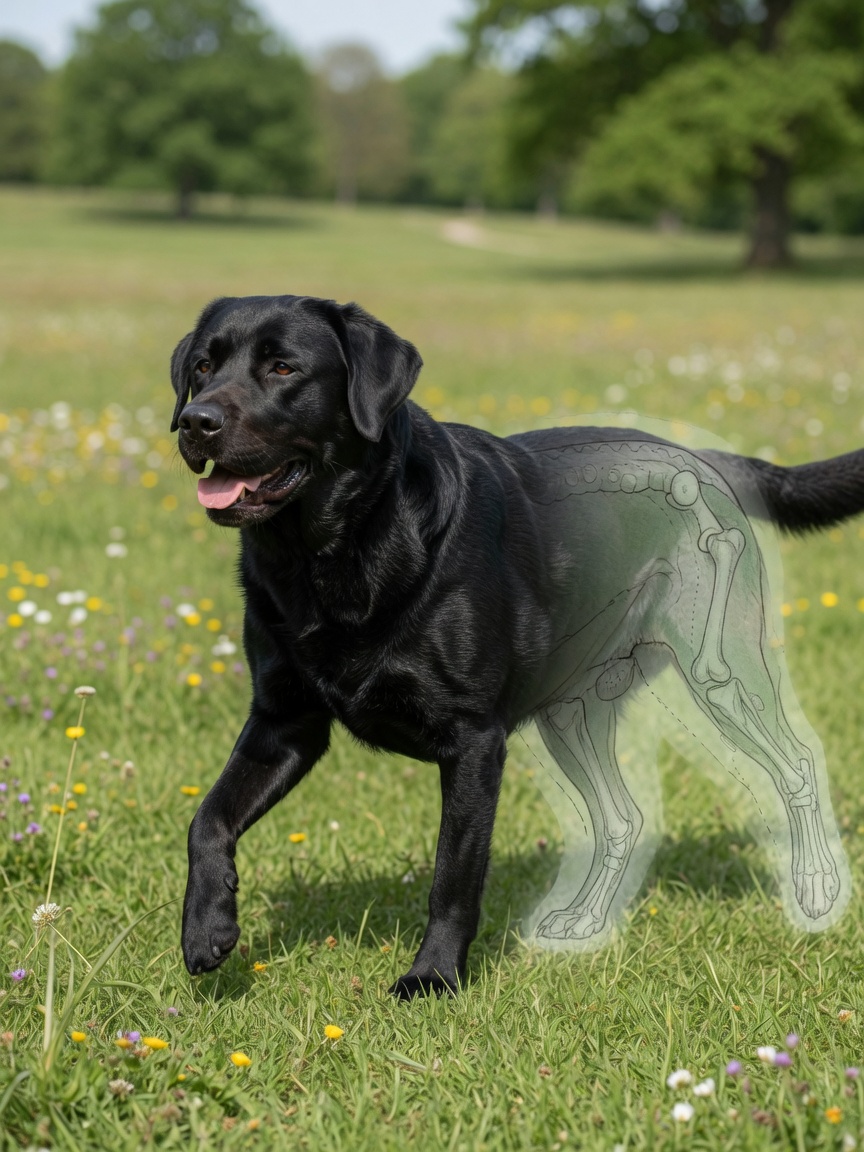
A series of studies — most notably from the University of California, Davis — have demonstrated significant associations between early neutering (before twelve months) and increased risk of certain joint disorders and cancers in specific breeds. Key findings include:
- Golden Retrievers: Males neutered before twelve months showed approximately three to four times higher rates of cranial cruciate ligament rupture and hip dysplasia compared to intact males. Increased risk of certain cancers (haemangiosarcoma, mast cell tumours) was also observed in early-neutered dogs.
- Labrador Retrievers: A smaller but measurable increase in joint disorders in males neutered before six months compared to later neutering.
- German Shepherds: Increased risk of joint disorders in males neutered before twelve months.
- Small breeds (Chihuahua, Yorkshire Terrier, etc.): Little or no detectable increase in health risks associated with early neutering. The hormonal influence on musculoskeletal development appears less significant in small breeds.
The mechanism involves testosterone's role in closing the growth plates — the cartilaginous zones at the ends of long bones that determine final bone length. Early neutering allows growth plates to remain open longer, leading to slightly longer limb bones and altered joint angles that increase mechanical stress. This is the leading hypothesis for the observed increase in orthopaedic problems in early-neutered large breeds.
Current Veterinary Recommendations by Breed Size
Small Breeds (Under 10 kg Adult Weight)
Traditional six-month neutering remains broadly acceptable for small breeds. The evidence for harm from early neutering is weakest in this group. Benefits of early neutering — elimination of testicular cancer risk, reduced risk of prostatic disease in later life, prevention of unwanted litters — remain relevant. Many vets across Europe still recommend six to nine months for small breeds.
Medium Breeds (10–25 kg Adult Weight)
Evidence is mixed. Current best practice suggests waiting until twelve to eighteen months — after the growth plates have closed — particularly if there is family history of joint problems or if the dog is already showing signs of rapid growth. PDSA's neutering guidance acknowledges that the evidence base is evolving and recommends an individualised discussion with your vet.
Large and Giant Breeds (Over 25 kg Adult Weight)
The strongest evidence for delayed neutering applies here. Most informed vets in the UK, Germany and the Netherlands now recommend waiting until eighteen to twenty-four months for large breeds such as Golden Retrievers, Labrador Retrievers, German Shepherds, Rottweilers and similar dogs. This allows testosterone to fulfil its role in musculoskeletal development through to skeletal maturity. The European Medicines Agency provides regulatory oversight of the chemical castration implant as a useful intermediate option for owners wanting to manage reproduction while awaiting surgical neutering.
Benefits of Neutering (at Any Age)
- Eliminates testicular cancer: Testicular tumours are among the most common tumours in older intact male dogs. Neutering eliminates this risk entirely.
- Reduces benign prostatic hyperplasia (BPH): Prostate enlargement, which causes difficulty defecating and urinating, affects the majority of intact male dogs over eight years of age. Castration causes prostate regression.
- Reduces periurethral adenoma risk: Androgen-dependent tumours around the anus are significantly more common in intact males.
- Population control: Prevents unwanted litters and reduces the burden on rescue organisations across Europe.
- May reduce roaming and urine marking: Testosterone drives territorial behaviours. Neutering reduces but does not always eliminate these behaviours — particularly if neutering occurs after the behaviours are established.
Risks and Considerations of Neutering
- Increased risk of orthopaedic problems in large breeds if neutered early (as discussed above)
- Possible increased risk of certain cancers in specific breeds (current research is ongoing)
- Metabolic changes: neutered dogs have lower metabolic rates and higher tendency to gain weight — managed with appropriate diet adjustment. FEDIAF nutritional guidelines note that neutered dogs have approximately 20–30% reduced energy requirements compared to intact dogs of the same weight.
- Urinary incontinence: uncommon in males compared to spayed females, but occasionally observed in large-breed males neutered young
- Coat changes: some breeds, particularly those with double coats (Retrievers, Spaniels), may develop coat texture changes after neutering
The Chemical Castration Trial: A Useful Middle Ground
If you are unsure whether to neuter your dog — or want to see how your dog responds to reduced testosterone before committing to irreversible surgery — the deslorelin implant (Suprelorin) offers an excellent trial period. It is placed subcutaneously (under the skin) and releases a hormone that suppresses testosterone production for approximately six to twelve months. Behaviour changes and physiological effects mirror castration during this period. If the results are positive — reduced roaming, marking or sexual behaviour — surgical neutering can proceed with confidence. The implant is available from vets across the UK, Spain, Germany, France, the Netherlands, Belgium and Portugal.
Shop post-operative recovery care & dog health essentials on Zooplus →After Neutering: Recovery and Ongoing Care
Surgical castration is a straightforward procedure with rapid recovery in young, healthy dogs. Most dogs are active within 24–48 hours and require only a seven to ten day rest from vigorous exercise. An Elizabethan collar (cone) prevents licking the incision site. The most common post-operative complications are minor: incision site irritation, temporary lethargy, and occasional nausea from anaesthetic. Serious complications are rare.
Post-neutering diet adjustment is important: reduce caloric intake by approximately 20% within the first three to six months to prevent the weight gain that is common following castration. Many premium pet food manufacturers produce specific "neutered" or "light" formulations calibrated to neutered dogs' lower energy requirements.
Key Takeaways
- Neutering timing should be breed-specific, not based on a blanket six-month rule
- Large breeds (over 25 kg) benefit from waiting until eighteen to twenty-four months to allow growth plate closure
- Small breeds show little evidence of harm from early neutering at six to nine months
- Chemical castration (Suprelorin implant) offers a reversible trial option available across Europe
- Neutering eliminates testicular cancer and dramatically reduces prostatic disease risk
- Adjust diet after neutering to account for approximately 20–30% reduced energy requirements