
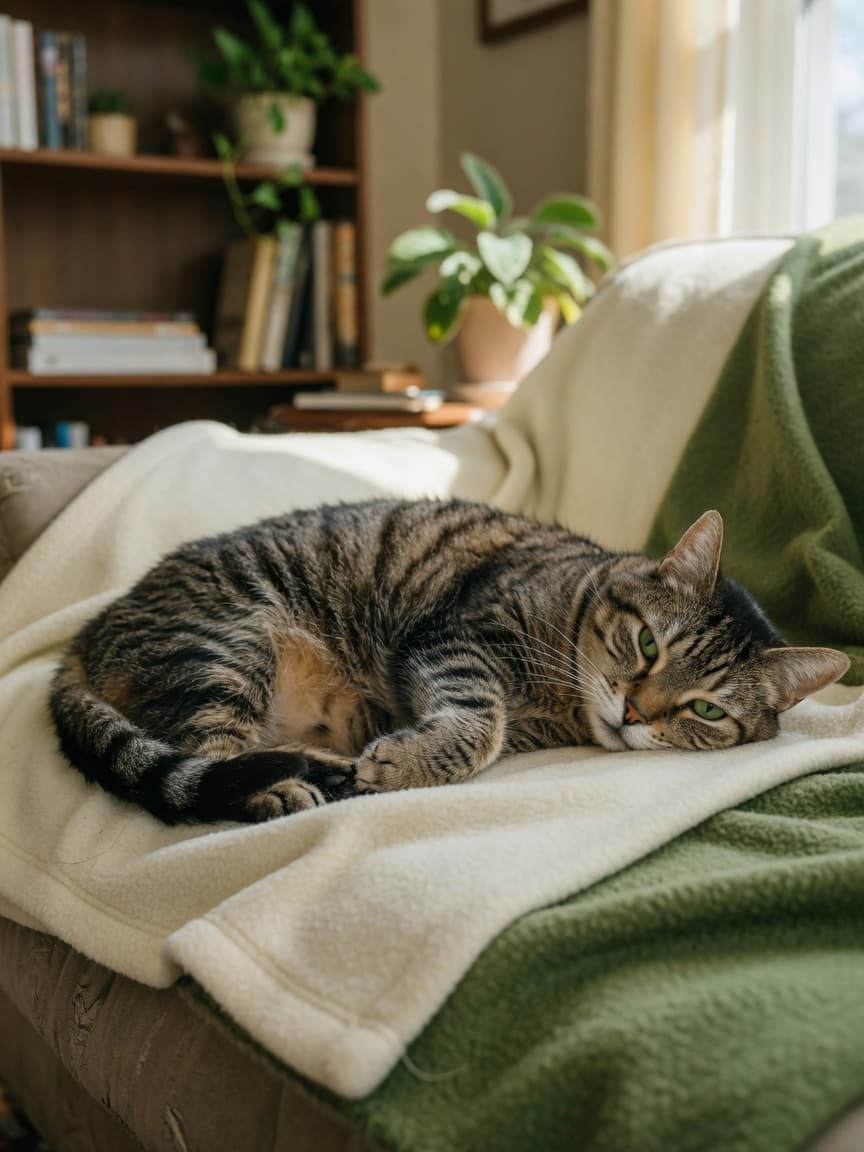
The Complicated Weight Story of the Older Cat
Senior cats present a paradox when it comes to body weight. In middle age, from roughly seven to eleven years, many cats accumulate excess body fat — a period sometimes called the obese phase of feline ageing. Then, from around twelve years onwards, the pattern often reverses. Older cats start losing weight, sometimes dramatically, even when they appear to be eating normally. Understanding why these changes happen, and what to do about them, is essential for managing your cat's health in their senior and geriatric years.
The Middle-Aged Weight Gain Phase
Between the ages of seven and eleven, cats become progressively more sedentary. Their energy requirements decrease, but if their food intake stays the same as when they were younger and more active, they will gain weight. This is precisely what happens in many household cats who are fed on a fixed daily quantity without adjustment as they age.
Neutering, which most owned cats have undergone at a young age, further alters the hormonal environment in ways that reduce metabolic rate and increase the drive to eat. A neutered cat has a resting energy requirement approximately 20 to 30% lower than an intact cat of the same size, but their appetite does not diminish correspondingly.
The consequences of obesity in middle-aged cats are serious. Overweight cats are at significantly elevated risk of developing diabetes mellitus, hepatic lipidosis, osteoarthritis, urinary tract disease, and certain cancers. Managing weight during the middle-aged phase is genuinely preventive medicine.
Recognising Overweight in Cats
The most practical tool for assessing a cat's weight is the Body Condition Score (BCS), a 1 to 9 scale used by vets and nurses. An ideal score is 4 to 5. You should be able to feel your cat's ribs easily with gentle pressure but not see them prominently. There should be a visible waist when viewed from above, and the abdomen should be tucked slightly when viewed from the side.
Weighing cats at home is also valuable. Small digital scales that can weigh in 10g increments are inexpensive and allow you to track trends over time. A gain of 200g in a domestic cat represents a meaningful increase in fat mass relative to their total body size.
Managing Weight Gain in the Middle-Aged Cat
Caloric restriction is the foundation of weight management in cats, but it must be done carefully. Cats should never be put on crash diets or have food withheld entirely — doing so risks triggering hepatic lipidosis, a serious and potentially fatal liver condition where fat is mobilised faster than the liver can process it.
- Calculate your cat's current daily caloric intake and introduce a modest reduction of around 20%, spread across the same number of meals
- Choose a wet food diet where possible, as the high moisture content increases satiety and reduces overall caloric density compared to dry food
- Use puzzle feeders to slow eating and increase the cognitive and physical effort involved in obtaining food
- Increase opportunities for movement through interactive play, particularly for indoor cats
- Weigh your cat fortnightly and adjust intake if weight loss is too rapid — more than 1 to 2% of body weight per week is too fast
The Shift: Weight Loss in Older Cats
From around 12 years onwards, many cats begin losing weight despite apparently normal or even increased appetite. This is sometimes called the geriatric weight loss phase, and it is driven by a distinct set of physiological changes from those responsible for middle-aged weight gain.
Older cats experience a decline in the efficiency of protein digestion and absorption. Even when dietary protein intake appears adequate, older cats extract less usable amino acids from food, leading to gradual loss of lean muscle mass — a process called sarcopenia. This is compounded by reduced fat absorption in some geriatric cats, meaning they also extract fewer calories from dietary fat.
Common Medical Causes of Weight Loss in Senior Cats
Weight loss in a cat over 12 years should never be attributed to normal ageing without ruling out the conditions that most commonly cause it.
Hyperthyroidism
Hyperthyroidism is the most common endocrine disorder in older cats and one of the most common causes of weight loss in this age group. The thyroid gland produces excess hormone, dramatically accelerating metabolism. Affected cats typically have a ravenous appetite alongside weight loss, increased water intake, vomiting, and hyperactivity. Blood testing for thyroid hormone levels is a routine part of senior cat screening.
Chronic Kidney Disease
CKD is extremely common in cats over ten and causes weight loss through a combination of reduced appetite, nausea, and altered nutrient metabolism. Many cats with CKD are thin and show muscle wasting, particularly around the spine and hindquarters.
Diabetes Mellitus
Diabetic cats typically lose weight despite eating well, because their cells cannot access glucose effectively without adequate insulin. Increased thirst and urination are also hallmark signs.
Inflammatory Bowel Disease and Intestinal Lymphoma
Both conditions affect nutrient absorption in the small intestine and can look remarkably similar clinically and even on initial testing. Weight loss, intermittent vomiting, changes in stool consistency, and variable appetite are common presenting signs. These two conditions together are among the most frequent causes of progressive weight loss in cats over ten.
Nutritional Support for the Underweight Senior Cat
Once medical causes have been addressed or ruled out, nutritional support for the thin older cat focuses on increasing caloric density and improving protein quality.
- Feed a diet with higher protein content from highly digestible animal sources — older cats need more dietary protein than young adults, not less
- Add calorie-dense toppers such as a small amount of cooked chicken, tuna in spring water, or a high-protein kitten food mixed into regular meals
- Warm food slightly to enhance aroma and palatability, as the sense of smell often diminishes with age
- Offer smaller meals more frequently rather than relying on ad libitum feeding, which thin cats often under-consume
- Omega-3 fatty acid supplementation can help address sarcopenia by supporting muscle protein synthesis alongside adequate dietary protein
Monitoring Weight Through the Senior Years
Regular weight monitoring is arguably the single most useful thing a cat owner can do at home to track their senior cat's health. Monthly weights allow you to spot both concerning gain during the middle-aged phase and the early onset of unexplained loss in older age, giving you a window to investigate and intervene before the change becomes significant. Small body weight changes that feel trivial in a human represent major physiological shifts in an animal that might weigh only four or five kilograms.