
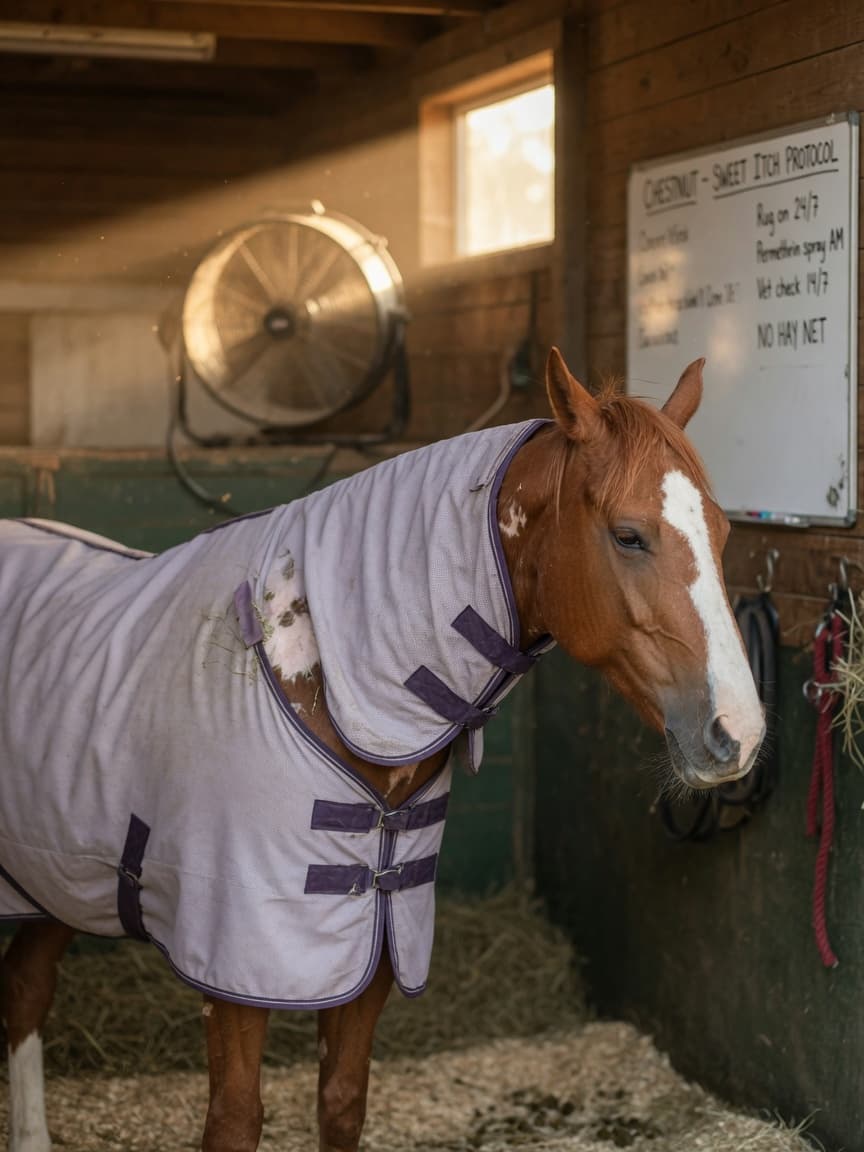
The Season That Some Horses Dread
From April to October, while most horses are enjoying turnout and longer days, a significant minority are locked in a cycle of relentless itching. Sweet itch — known clinically as Insect Bite Hypersensitivity (IBH) — is the most common skin condition in horses in the UK. It affects an estimated 5% of the UK horse population, with certain native breeds bearing a disproportionate burden. For affected horses and their owners, summer is not a welcome season.
The Culprit: Culicoides Midges
Sweet itch is an allergic hypersensitivity reaction to the saliva of biting midges of the Culicoides genus, most notably Culicoides obsoletus and Culicoides pulicaris in the UK. When a sensitised horse is bitten, the immune system mounts an exaggerated response — releasing histamine and other inflammatory mediators that cause intense, persistent itching. It is not the bite itself that causes the problem but the immune system's reaction to proteins in the midge's saliva. A single bite in a sensitised horse is enough to trigger hours of discomfort.
Culicoides midges are most active at dawn and dusk, in warm, still conditions, and near water sources such as streams, ponds, and marshy ground. They do not fly well in wind and are rarely problematic at altitude. Midge pressure varies significantly by location, season, and weather.
Breeds at Highest Risk
There is a clear genetic predisposition to sweet itch. Icelandic horses — a breed that evolved in a midge-free environment and was only introduced to midge exposure in recent generations — are particularly susceptible, with some studies reporting prevalence above 20% in certain populations. Welsh ponies, Connemaras, Shires, Friesians, and other native and heavy breeds are also over-represented. Thoroughbreds and warmbloods can be affected, but at lower rates. If a parent has sweet itch, offspring are at meaningfully elevated risk.
Recognising Sweet Itch
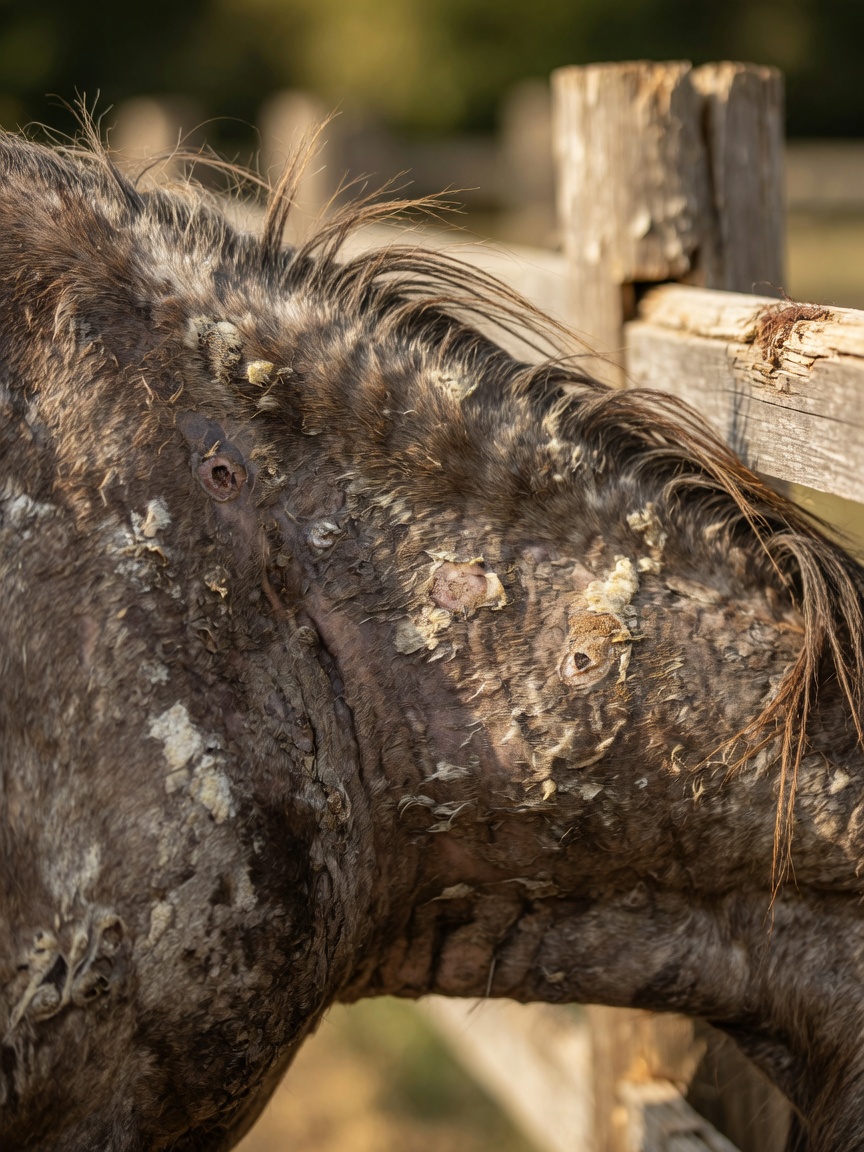
The hallmark sign is pruritus — itching — particularly along the mane, tail head, ears, face, and ventral midline (belly). Affected horses rub these areas obsessively against fences, posts, and stable doors, causing hair loss, skin thickening, scaling, and open sores. The mane and tail can become severely damaged or entirely rubbed away. Secondary bacterial skin infections are common where the skin is broken. In chronic cases, the skin can become lichenified (thickened and leathery) and permanently altered. Lesions worsen throughout summer and typically resolve during winter — this seasonal pattern is highly characteristic.
Diagnosis is usually clinical, based on history and presentation, though intradermal allergy testing and serum IgE testing are available at specialist centres if needed. Your vet should examine any horse with suspected sweet itch to confirm the diagnosis and rule out other causes of pruritus including mange mites, ringworm, or other dermatological conditions.
Management: Rugs, Barriers and Environment
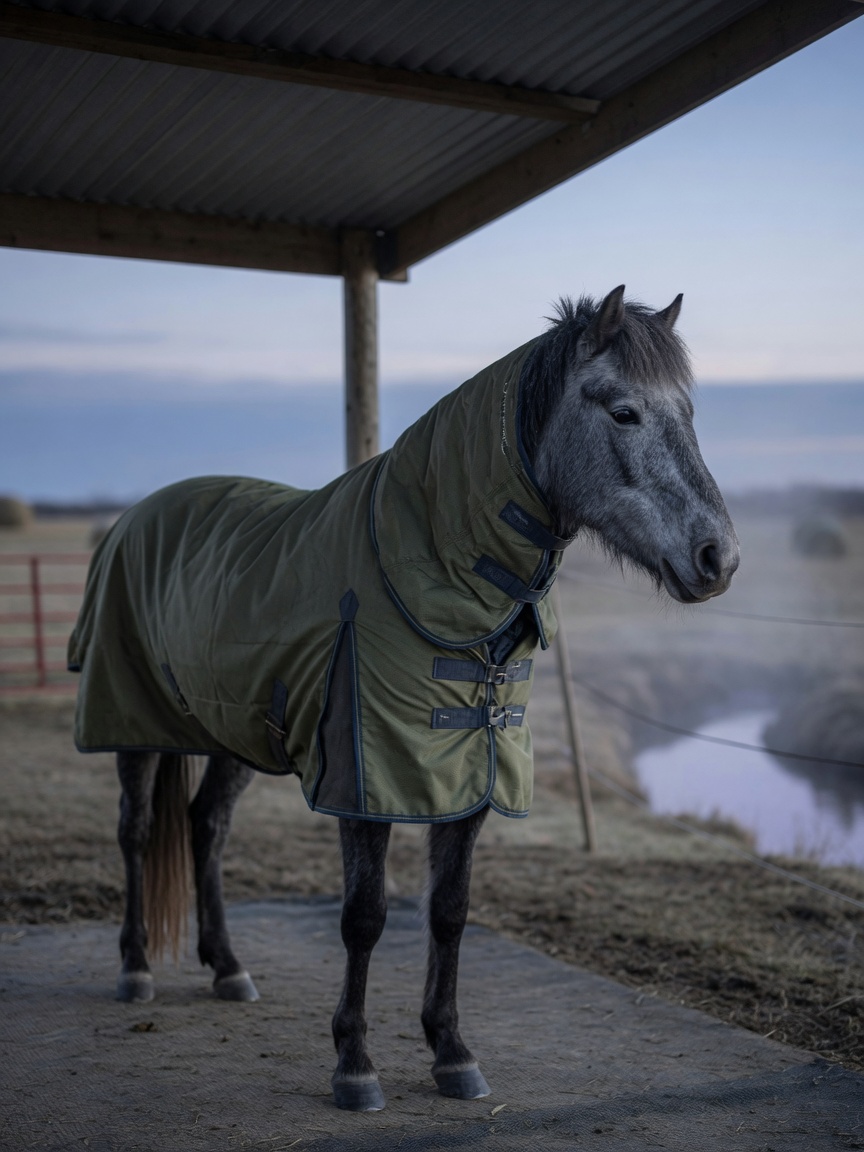
Sweet Itch Rugs
Purpose-designed sweet itch rugs — also called fly rugs or IBH suits — are a cornerstone of management. They cover the mane, neck, belly, and tail head, creating a physical barrier against midge bites. For effective protection, the rug must achieve a close fit without gaps at the edges, be worn throughout the risk period (dawn and dusk at minimum), and be kept in good repair. No rug provides absolute protection, but well-fitted suits significantly reduce midge access and provide measurable relief for most horses.
Environmental Modifications
Stabling affected horses at dawn and dusk — when Culicoides are most active — substantially reduces exposure. Yards situated away from water and low-lying areas have naturally lower midge pressure. Fan systems in stables can deter midges, which struggle to fly in even gentle airflow. Applying insect repellents, particularly those containing DEET or citronella, along the mane and belly adds another layer of protection, though frequency of application and variable efficacy limit their reliability as a sole measure.
Medical Treatment Options
When environmental and physical measures are insufficient to control symptoms, your vet may recommend medical intervention. Corticosteroids can provide rapid relief from acute flare-ups by suppressing the allergic response, though long-term use carries risks including laminitis in susceptible animals and must be managed carefully. Antihistamines have variable efficacy in horses but may provide some benefit. Immunotherapy — desensitisation through gradually increasing doses of Culicoides allergen — is available through referral centres and may offer long-term improvement in selected horses, though it requires commitment and is not universally effective. Newer veterinary biological treatments are under investigation.
A Practical Summer Action Plan
- Fit a well-designed sweet itch rug before the season starts, not after the first signs appear
- Stable or shelter horses at dawn and dusk from April through October
- Choose paddocks away from water, boggy ground, and woodland edges where midges thrive
- Apply insect repellents along the neck, belly, and tail head before turnout
- Install fans in stables to reduce midge presence indoors
- Inspect rugs daily for damage and ensure they maintain a close fit as the horse's condition changes
- Consult your vet early in the season — catching flare-ups before self-trauma develops is far easier than managing established lesions
- Discuss immunotherapy or medical management options if physical measures alone are not providing adequate relief