
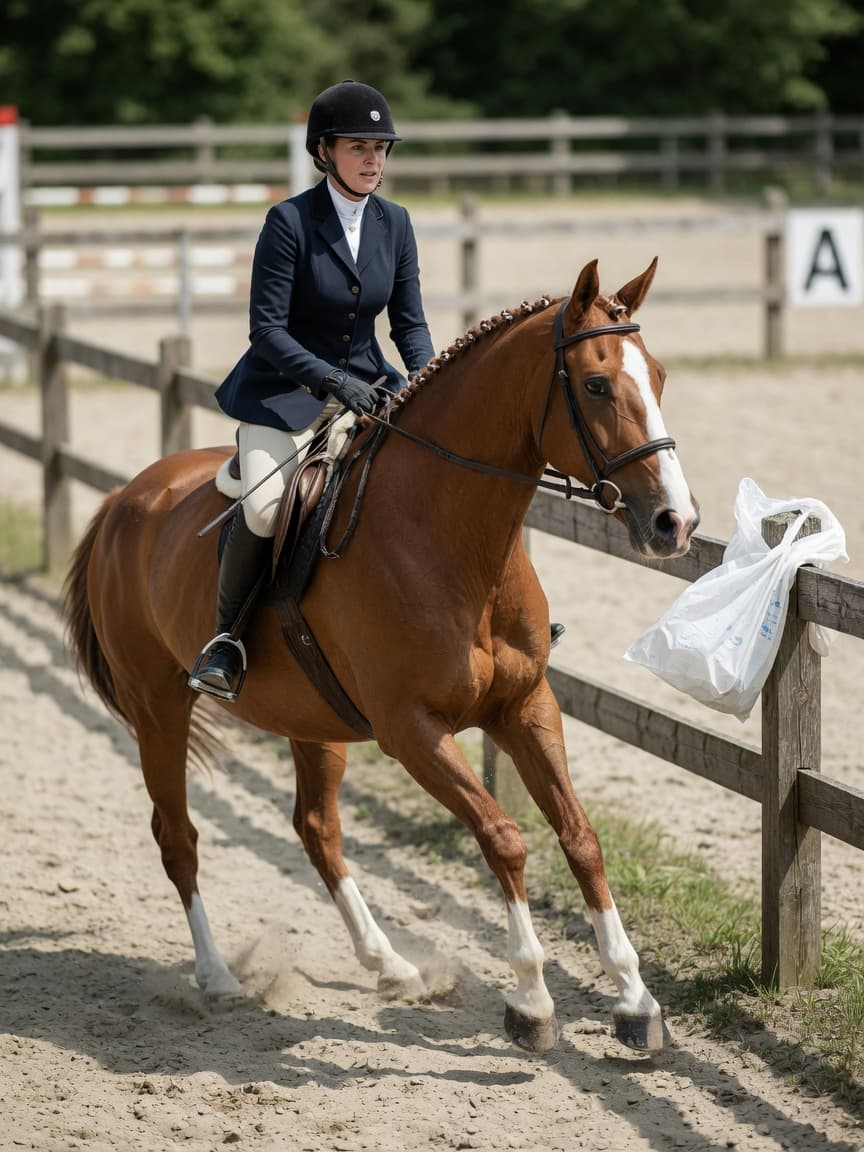
If you've ever experienced a horse suddenly shying away from an everyday object or spooking at what seems like nothing, you're not alone. These reactions, whilst sometimes startling, are completely natural behaviours rooted in your horse's evolutionary survival instincts. Understanding why your horse reacts this way—and learning practical strategies to manage it—can transform your riding experience and strengthen your bond with your equine companion.
Understanding the Spooking Response
Horses are prey animals by nature, which means their nervous systems are finely tuned to detect potential threats in their environment. Spooking is an automatic flight response: when a horse perceives danger—real or imagined—its first instinct is to move away quickly. This hardwired survival mechanism hasn't changed despite millennia of domestication.
The spook response involves rapid neural signalling from the horse's sensory organs to its limbic system, triggering the release of adrenaline. In just milliseconds, your horse's muscles tense, and it may bolt, rear, or shy sideways. What we perceive as an overreaction is actually a perfectly logical survival response for an animal whose ancestors relied on speed to escape predators.
Common Triggers for Spooking
- Unexpected movement or shadows: Leaves blowing, bushes moving, or changes in light patterns can startle horses unfamiliar with these stimuli.
- Novel objects: Plastic bags, bicycles, or parked cars may trigger fear responses if the horse hasn't encountered them before.
- Loud or unusual sounds: Machinery, horns, or unfamiliar noises activate the flight response.
- Changes in routine: Altered routes, new riding locations, or unexpected events disrupt your horse's sense of security.
- Poor visibility: Dimly lit areas or riding into direct sunlight make horses anxious as they cannot clearly assess their surroundings.
- Herd separation: Being away from other horses can trigger anxiety and reactive behaviour.
Building Confidence Through Desensitisation
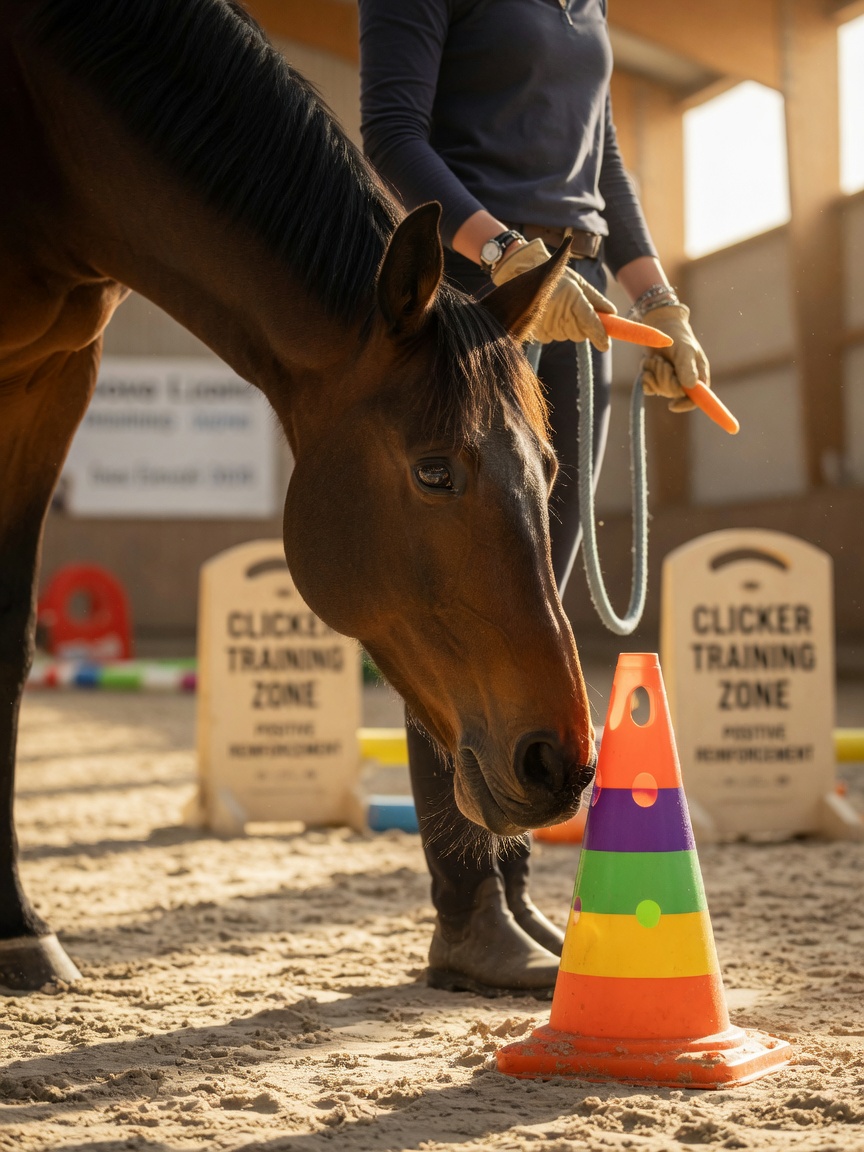
The most effective long-term approach to reducing spooking is gradual desensitisation—exposing your horse to feared stimuli in a controlled, positive manner. This rewires your horse's neural response from fear to acceptance.
- Start small: Introduce new objects or situations at a distance where your horse remains calm.
- Move progressively closer: Over several sessions, gradually decrease the distance between your horse and the trigger.
- Reward calm behaviour: Use treats and verbal praise to reinforce non-reactive responses.
- Maintain consistency: Regular, repeated exposure is essential for lasting results.
- Avoid rushing: Pushing too quickly increases anxiety rather than reducing it.
Management Strategies During Rides
Whilst building long-term confidence, these practical techniques help manage spooking in the moment:
- Maintain a calm, forward momentum rather than slowing down, which can increase anxiety.
- Use a steady, relaxed seat and consistent rein contact to communicate confidence.
- Redirect your horse's attention through transitions or lateral work.
- Ensure adequate warm-up time before challenging rides.
- Ride with experienced companions when possible—horses often feel more confident in company.
- Vary your route and environment to build adaptability.
Environmental and Lifestyle Factors
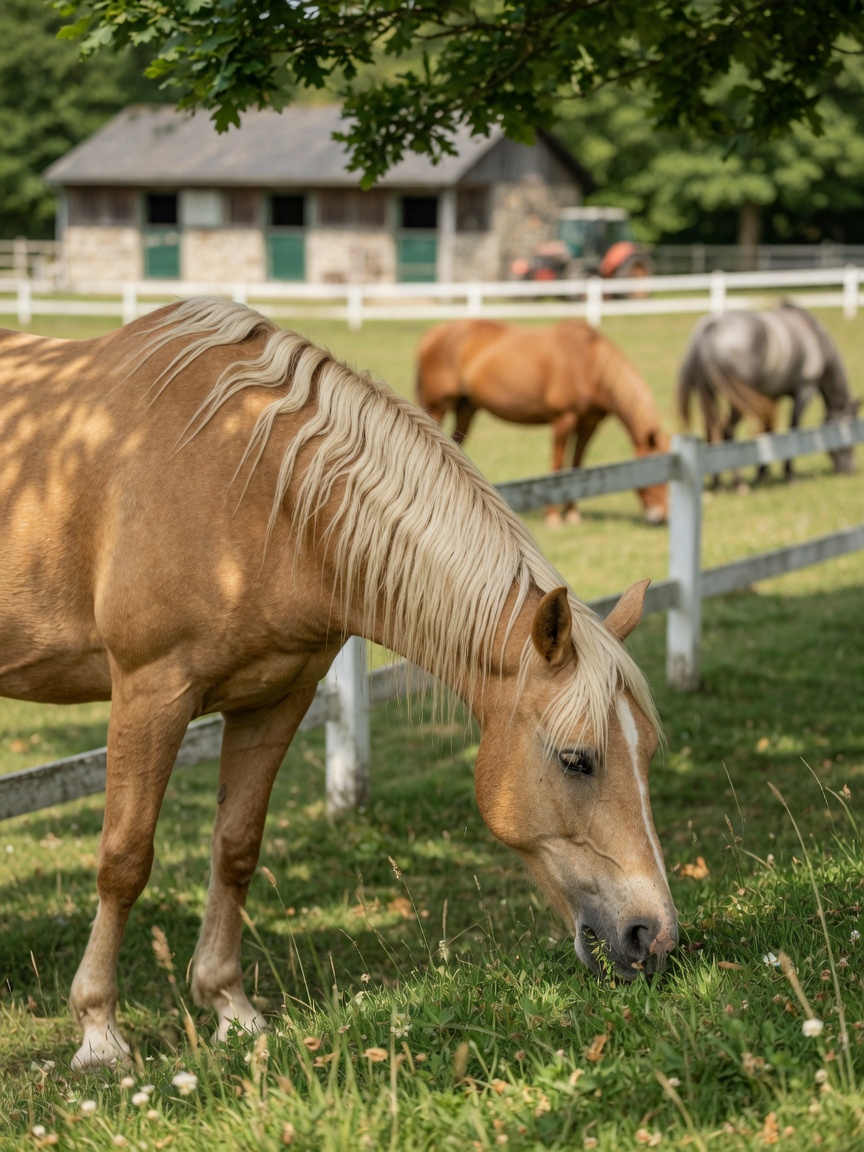
Your horse's baseline anxiety level significantly affects spooking frequency. Consider these factors:
- Exercise: Regular, adequate exercise reduces nervous tension and promotes overall wellbeing.
- Stable routine: Predictable daily schedules help horses feel secure.
- Social interaction: Access to other horses provides psychological comfort.
- Nutrition: High-quality forage and appropriate mineral balance support nervous system function.
- Grazing time: Unrestricted grass access allows natural, calming behaviour.
When to Seek Professional Support
If spooking is severe, unpredictable, or accompanied by other behavioural changes, consult an equine behaviourist or your veterinary surgeon. Underlying health issues such as pain or vision problems can intensify reactive behaviour and require professional assessment.
Key Takeaways
Spooking is a natural, instinctive response that reflects your horse's prey animal nature. By understanding the triggers, implementing patient desensitisation, maintaining calm leadership, and optimising your horse's overall wellbeing, you can significantly reduce spooking incidents and build a more confident, relaxed riding partnership. Remember: patience and consistency are your greatest tools for success.