
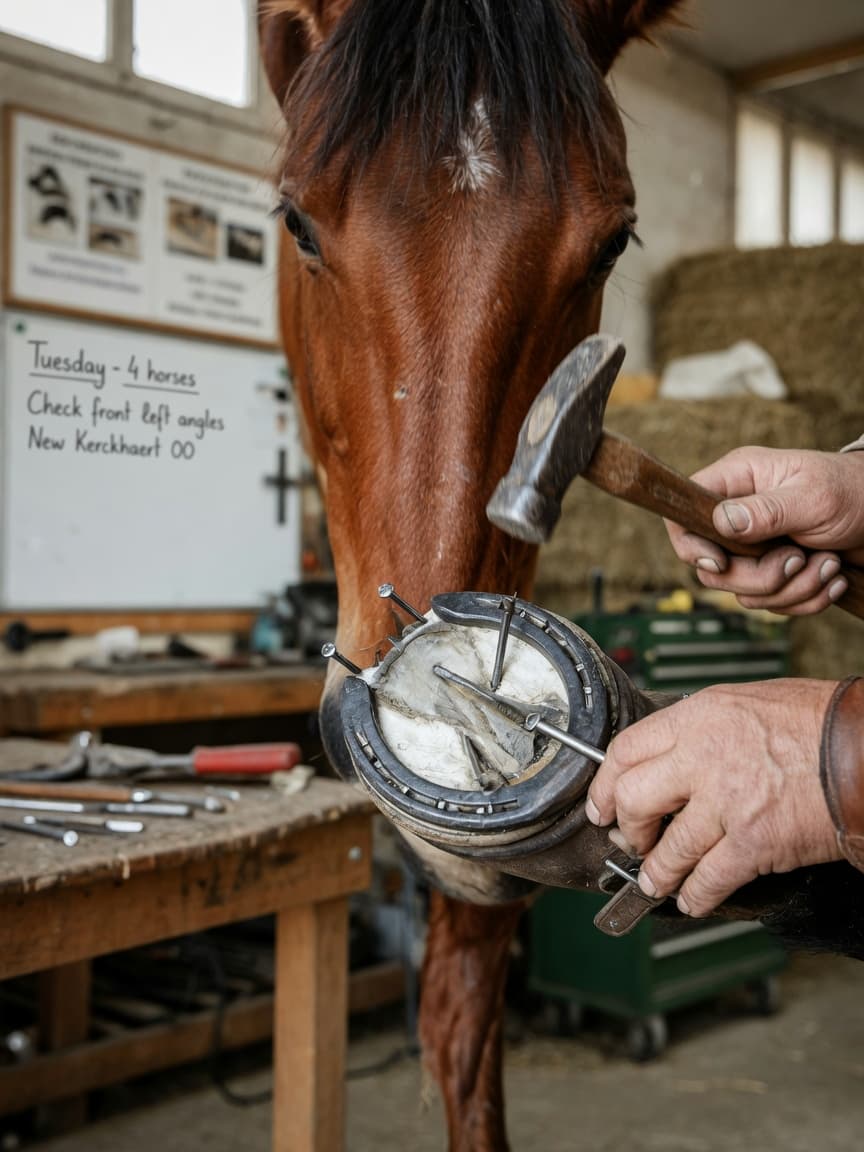
One of the most fundamental decisions horse owners face is whether to keep their horses shod or allow them to go barefoot. This isn't simply a matter of personal preference—it involves understanding your horse's individual needs, lifestyle, and physical health. Both options have genuine advantages and limitations, and the right choice depends on several key factors specific to your situation.
Understanding Horse Hooves: The Foundation
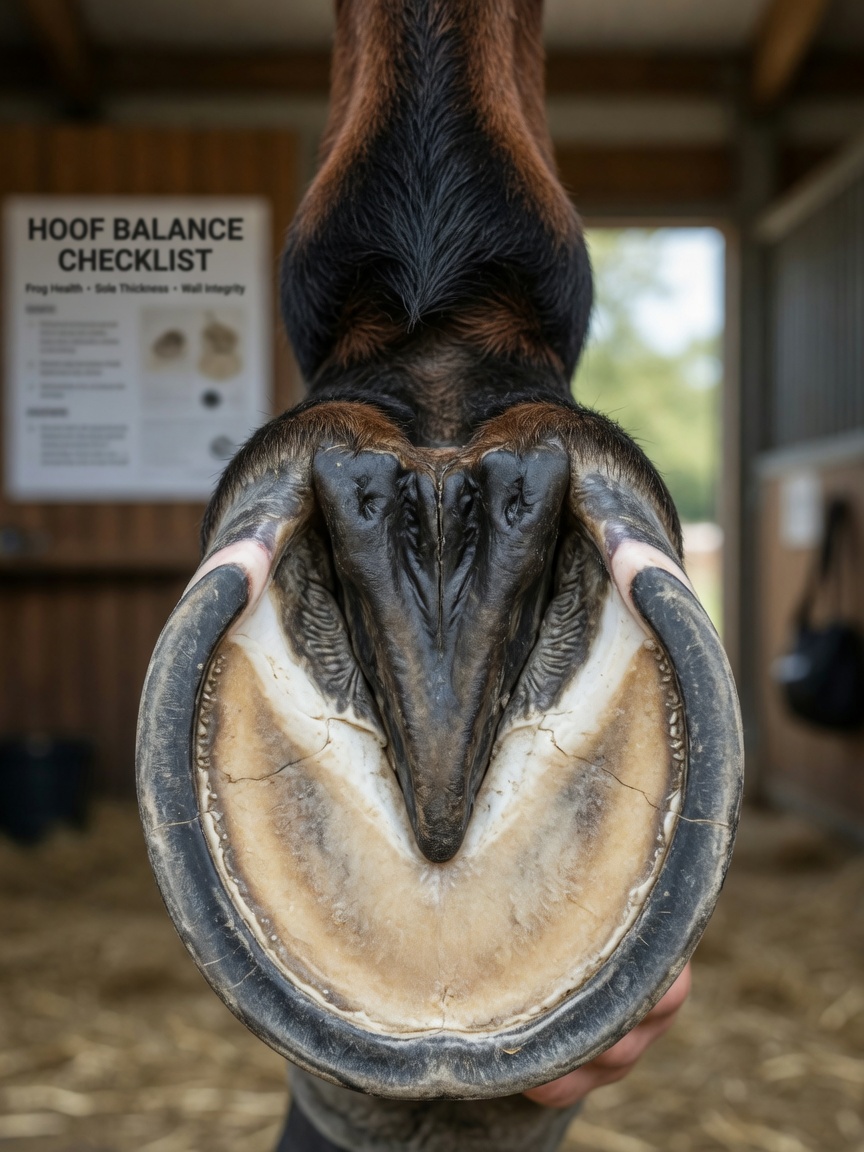
Before deciding on shoes or bare hooves, it's essential to understand how horse hooves function. A horse's hoof is a living, dynamic structure that grows continuously and requires regular maintenance. The hoof wall, sole, frog, and bars all play crucial roles in shock absorption, traction, and overall locomotion. When we discuss shoeing versus going barefoot, we're essentially discussing how best to protect and support these complex structures.
Benefits of Horseshoes
Horseshoes have been used for over 2,000 years, and their popularity persists because they offer genuine advantages:
- Protection on hard surfaces: Shoes shield hooves from excessive wear on hard ground, roads, and rocky terrain.
- Support for work demands: Horses in regular work, particularly those doing jumping, dressage, or heavy riding, often benefit from the additional support shoes provide.
- Corrective options: Specialised shoes can address specific hoof problems or conformational issues under farrier guidance.
- Extended performance life: For competitive or working horses, shoes can reduce the frequency of farrier visits and maintain consistent performance.
- Traction: Shoes with studs or grip can improve safety on slippery surfaces.
Advantages of Going Barefoot
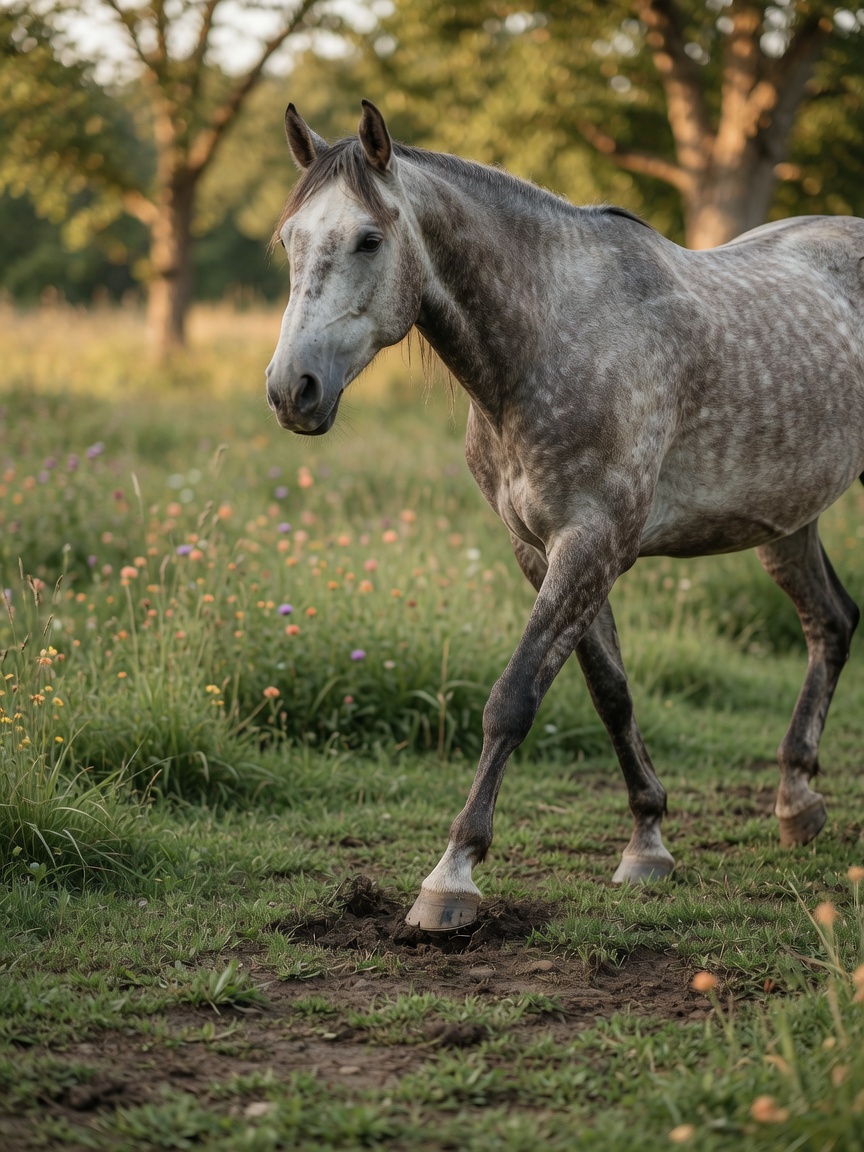
The barefoot movement has gained significant traction among horse owners seeking a more natural approach:
- Natural proprioception: Bare hooves allow horses to feel the ground directly, improving balance and coordination.
- Improved circulation: Without shoes, the frog makes direct contact with the ground, which can enhance blood circulation in the hoof.
- Cost savings: Eliminating farrier visits for shoeing reduces long-term expenses.
- Lower maintenance: Barefoot horses often require fewer specialized interventions.
- Natural hoof development: Many experts believe bare hooves develop stronger, more resilient structures.
Factors to Consider for Your Horse
The decision between shoes and barefoot hooves requires honest assessment of your specific circumstances:
- Work level and type: Recreational trail horses may thrive barefoot, whilst competition horses or those working daily may need shoes.
- Terrain: Horses on soft pasture can often go barefoot, but rocky or hard surfaces typically require protection.
- Hoof quality: Some horses naturally grow stronger, more durable hooves; others are predisposed to weakness or disease.
- Individual conformation: Horses with certain conformational issues may benefit from corrective shoeing.
- Climate: Wet, boggy conditions can soften hooves, whilst dry climates may allow barefoot living.
- Farrier expertise: Access to a skilled barefoot trimmer or traditional farrier impacts your options.
Making the Transition
If you're considering switching from shod to barefoot, patience is essential. A gradual transition typically takes 6-12 weeks, allowing hooves to strengthen and adjust. Your farrier should gradually reduce hoof load whilst allowing the sole to thicken and the frog to strengthen. During this period, you may need to limit work on hard surfaces and monitor for discomfort or lameness issues.
Key Takeaways
There's no universal "right" answer—the best choice is the one that suits your horse's individual needs. Many successful horses perform excellently in shoes, whilst others thrive completely barefoot. Work closely with your farrier and veterinarian to assess your horse's hoof health, conformation, and lifestyle demands. Regular monitoring, consistent hoof care, and willingness to adapt your approach based on your horse's response is what truly matters. Remember that even within the same stable, different horses may require different solutions.