
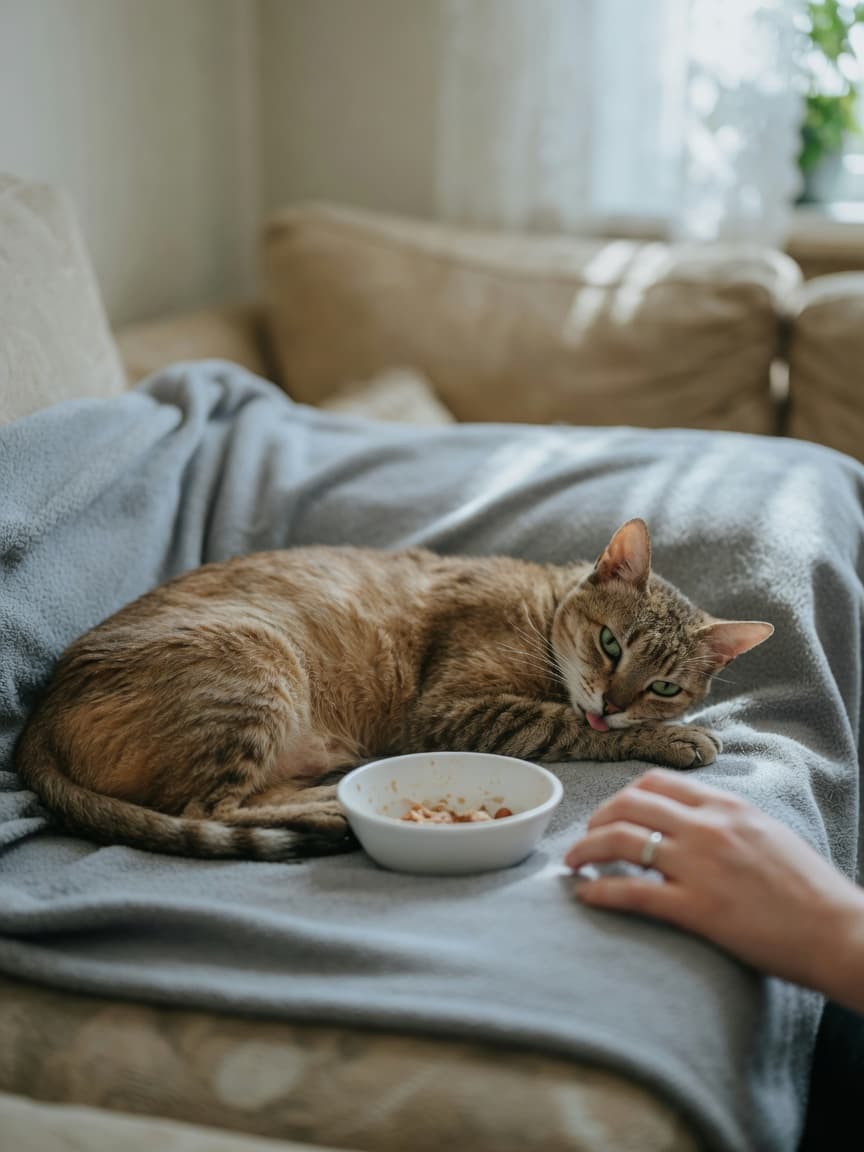
Why Pancreatitis Is So Easy to Miss in Cats

Pancreatitis — inflammation of the pancreas — is considerably more common in cats than the veterinary community once believed. For years it was considered primarily a canine disease, but better diagnostic techniques have revealed that feline pancreatitis is widespread, frequently chronic, and remarkably difficult to detect without knowing what to look for. It has earned a reputation as the silent disease precisely because the classic signs many owners and even some vets associate with pancreatic disease simply do not show up in the majority of affected cats.
Understanding this condition means approaching it on its own terms, not by importing expectations from what pancreatitis looks like in dogs or humans.
What the Pancreas Does
The pancreas is a small glandular organ tucked near the duodenum — the first section of the small intestine. It performs two distinct jobs. Its exocrine function involves producing digestive enzymes that are released into the small intestine to break down fats, proteins, and carbohydrates. Its endocrine function involves producing hormones including insulin and glucagon to regulate blood sugar.
In pancreatitis, the digestive enzymes that should only become active in the small intestine are instead activated prematurely within the pancreas itself, causing it to begin digesting its own tissue. The resulting inflammation can range from mild to catastrophic, and in cats, it tends to become chronic and smouldering rather than acutely dramatic.
How Feline Pancreatitis Differs From Canine Pancreatitis
In dogs, pancreatitis typically presents dramatically — sudden severe vomiting, obvious abdominal pain, refusal to eat, and a characteristic "praying position" where the front end drops while the hindquarters stay raised. This picture is hard to miss.
In cats, the presentation is far more subtle. Vomiting does occur, but it is often intermittent and mild. Abdominal pain is present but cats are masters at concealing it. The most consistent signs are the ones least likely to send an owner to a vet: lethargy, reduced appetite, and weight loss. These symptoms develop gradually and are easily attributed to ageing, stress, or seasonal changes.
Signs That May Indicate Pancreatitis in Cats
- Reduced appetite or outright anorexia, sometimes intermittent
- Weight loss over weeks or months
- Lethargy and decreased activity levels
- Intermittent vomiting — sometimes infrequent enough to seem insignificant
- Dehydration, sometimes with a dull or staring coat
- Low body temperature — hypothermia is more common than fever in feline pancreatitis
- Jaundice, visible as yellowing of the skin, gums, or whites of the eyes
- Increased hiding behaviour or reluctance to be handled
None of these signs are specific to pancreatitis, which is part of what makes the condition so challenging to identify without testing.
Why Pancreatitis Often Comes With Company
Feline pancreatitis rarely travels alone. Cats have a well-documented tendency toward a condition called triaditis — the simultaneous occurrence of pancreatitis, inflammatory bowel disease, and cholangitis (inflammation of the bile ducts and liver). This trio of conditions shares anatomical proximity and likely shares inflammatory pathways, and it is estimated that between 50 and 80 percent of cats with pancreatitis have concurrent inflammatory bowel disease or liver disease.
This overlap complicates both diagnosis and treatment, because symptoms from each condition can mask or amplify those from the others. A cat with all three conditions simultaneously may present with nothing more than lethargy and weight loss, making the clinical picture extremely difficult to interpret without thorough investigation.
Diagnosing Pancreatitis in Cats
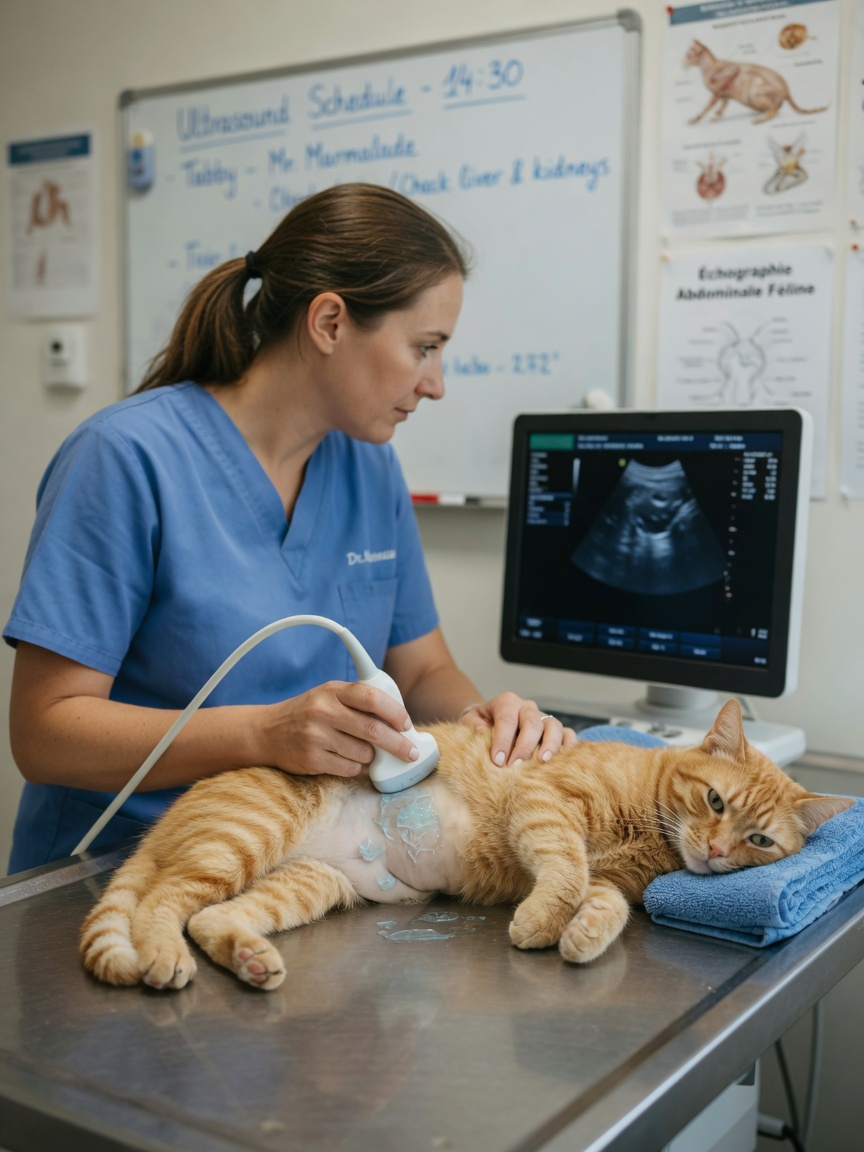
The go-to test for feline pancreatitis is the feline pancreatic lipase immunoreactivity test, commonly known as the fPLI or Spec fPL. This blood test measures a pancreas-specific enzyme and is significantly more accurate in cats than earlier general lipase tests. It is not perfect — mild pancreatitis can produce normal or only mildly elevated results — but it is the most reliable non-invasive marker currently available.
Abdominal ultrasound provides additional information, particularly about the texture, size, and echogenicity of the pancreatic tissue. It can also reveal concurrent changes in the liver and intestines. However, even experienced sonographers can miss mild pancreatic changes in cats, as the organ can be difficult to visualise clearly.
Complete blood count, biochemistry panel, and urinalysis are also standard components of the diagnostic workup, helping to identify complications and concurrent disease.
Treatment and Management
There is no single cure for pancreatitis in cats, and treatment is largely supportive. The goals are to reduce inflammation, manage pain, prevent complications, and support the cat's nutritional status while the pancreas recovers.
Fluid therapy — either intravenous in hospital or subcutaneous at home — is often a cornerstone of treatment, particularly as dehydration compounds the damage. Appetite stimulants and anti-nausea medications are commonly used, since a cat that is not eating will deteriorate rapidly. Pain management is essential but often underappreciated — cats in pain stop eating, which worsens their prognosis considerably.
Nutritional support is critical. Unlike with dogs, where withholding food has historically been recommended during acute pancreatitis, cats should be encouraged to eat as soon as possible. Prolonged anorexia in cats causes hepatic lipidosis — fatty liver disease — which is a serious secondary complication in its own right. A high-protein, low-fat diet may be appropriate for some cats, but dietary management should always be guided by your vet based on the individual cat's full clinical picture.
Long-Term Outlook
Chronic pancreatitis in cats is a condition that is managed rather than cured. Many cats live comfortably for years with appropriate monitoring, dietary support, and treatment of flares as they arise. Regular check-ups and periodic blood testing help catch changes before they become crises. The cats most likely to struggle are those in whom diagnosis is delayed, which is precisely why recognising the subtle early signs of this quiet disease matters as much as it does.