
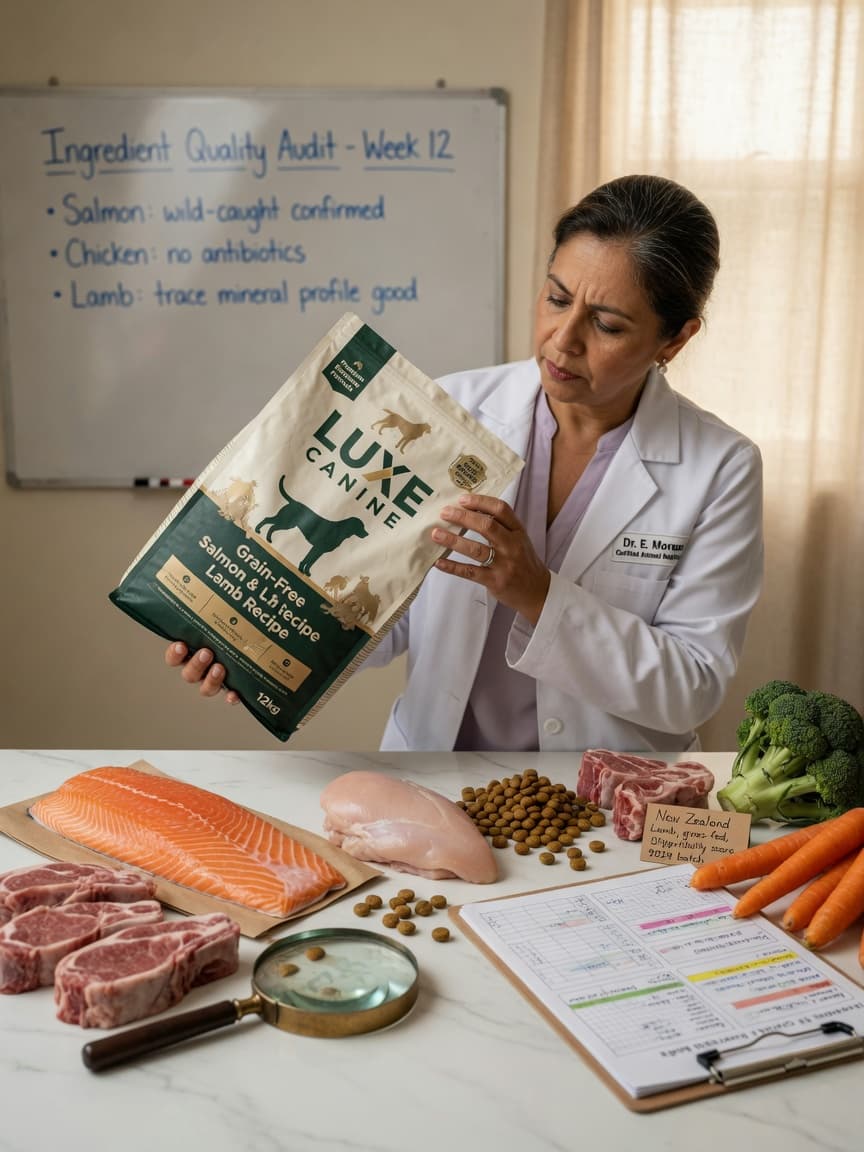
Best Pet Food Brands 2026: Science-Rated by Ingredient Quality
How We Rated: Each brand below was assessed across four dimensions: ingredient sourcing transparency, protein quality and digestibility, formulation methodology (whether on-staff PhD nutritionists and feeding trials are employed), and recall history. Ratings reflect science-based criteria aligned with WSAVA nutritional guidelines — not marketing claims or paid sponsorship.
Choosing the right pet food has never been more confusing. The shelves are stacked with bags making competing claims — grain-free, ancestral, raw-inspired, superfood-enriched, vet-recommended. The marketing is sophisticated; the science, in many cases, is not. After reviewing published research, consulting WSAVA-endorsed evaluation criteria, and examining the formulation practices of major brands, I've put together this guide to help you cut through the noise.
A critical caveat before we begin: "best" is not a single answer. The best food for a 2-year-old Border Collie doing agility training is not the best food for a 12-year-old Shih Tzu with kidney disease. Life stage, breed size, health status, and individual digestive tolerance all matter. This guide focuses on brands with consistently high-quality formulation practices — from these, your veterinarian can help you select the most appropriate specific product for your individual pet.
What the Science Says About Ingredient Quality
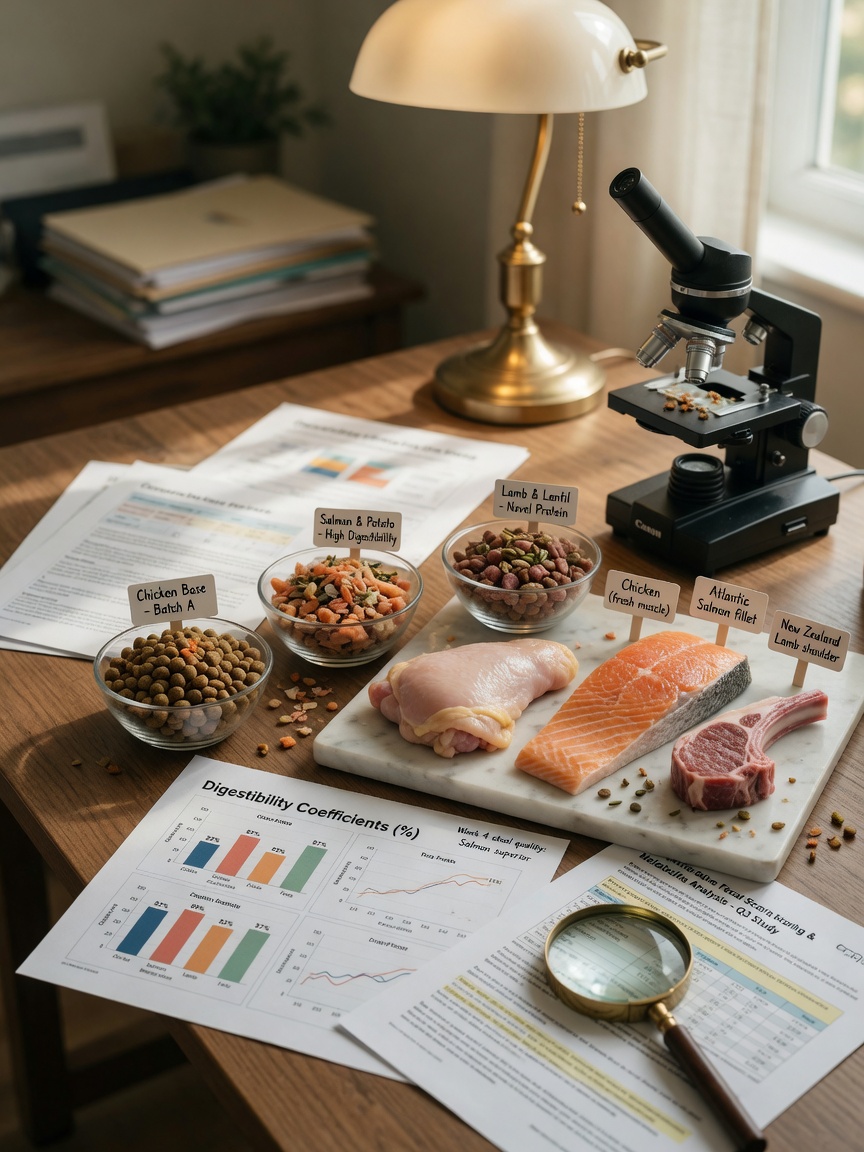
Before the brand comparisons, it's worth grounding this discussion in what nutritional science actually tells us about ingredient quality. Research published in peer-reviewed literature and highlighted by Science Daily has identified digestibility — the proportion of a nutrient that is actually absorbed and utilised by the animal — as a far more meaningful quality metric than ingredient list position or marketing language.
A study at PubMed (PMID 29754534) examining ingredient digestibility in commercial pet foods found significant variation between products with superficially similar ingredient lists. Named protein sources from reputable supply chains — chicken, salmon, lamb — consistently outperform generic "meat" meals on digestibility metrics, protein quality scores, and amino acid bioavailability. The source matters as much as the species.
The American Kennel Club's guidance on dog food selection emphasises looking beyond the ingredient list to the manufacturer's overall transparency: do they have board-certified veterinary nutritionists on staff? Have they conducted AAFCO feeding trials rather than relying solely on formulation? Do they publish research and respond openly to consumer questions about sourcing and testing? As The Guardian's review of dog food brands noted, these procedural factors are often better predictors of quality than any single ingredient on the label.
Brand Comparison: Science-Rated
| Brand | Key Protein Ingredient | Crude Protein % (dry matter) | Science Rating | Standout Feature |
|---|---|---|---|---|
| Royal Canin | Chicken by-product meal, maize | ~28–32% | ★★★★★ | Most extensive feeding trial database; breed-specific formulations backed by research; on-staff nutritionists |
| Hill's Science Diet | Chicken / chicken meal | ~24–30% | ★★★★★ | AAFCO feeding trial standard for most lines; strong clinical diet portfolio; extensive published research |
| Purina Pro Plan | Chicken / salmon | ~26–30% | ★★★★★ | Largest internal research team; consistent digestibility data; excellent recall record |
| Orijen | Deboned chicken, turkey, fish | ~38–42% | ★★★★☆ | Biologically appropriate ingredient philosophy; WholePrey ratios; high protein digestibility; limited third-party trial data |
| Acana | Deboned chicken / fish | ~31–35% | ★★★★☆ | Regional ingredient sourcing; high meat inclusion; sister brand to Orijen; moderate carbohydrate levels |
| Taste of the Wild | Roasted bison / salmon | ~28–32% | ★★★☆☆ | Novel protein options useful for elimination diets; reasonable price point; formulation-only AAFCO compliance (no feeding trials) |
| Forthglade (UK) | Named meat (chicken, turkey, lamb) | ~28–34% | ★★★★☆ | Cold-pressed and wet formats; high meat content; British sourcing transparency; growing evidence base |
| Lily's Kitchen (UK) | Chicken / fish | ~26–30% | ★★★☆☆ | Whole food ingredient philosophy; good palatability; less robust formal nutritional research than top-tier brands |
The Top-Tier Three: What Sets Them Apart
Royal Canin, Hill's Science Diet, and Purina Pro Plan consistently top science-based rankings — and this upsets a segment of the pet food community that associates these brands with large corporations and "low quality" ingredients. The reason they rank so highly is not their ingredient lists (which are not the flashiest) but their process quality: they employ board-certified veterinary nutritionists, conduct AAFCO feeding trials, publish peer-reviewed research, and maintain robust quality control infrastructure.
This doesn't mean their products are universally superior for every individual dog. Some dogs do better on higher-meat diets. Some have ingredient sensitivities that require novel protein or limited ingredient formulas. But for the average healthy dog, the "big three" offer consistent, reliable nutrition backed by more rigorous science than most of their competitors.
High-Meat Brands: The Orijen/Acana Tier
Orijen and Acana (both from Champion Petfoods) occupy an interesting position: genuinely high-quality ingredients, thoughtful formulation philosophy, and a commitment to regional sourcing — but without the same depth of published clinical research as the big three. Their high protein percentages and "WholePrey" ratios (including organs and cartilage) are biologically plausible arguments for dogs as evolved carnivores.
The DCM (dilated cardiomyopathy) concerns raised by the FDA about grain-free diets between 2018 and 2022 did briefly implicate some high-meat, legume-heavy formulations, though the investigation did not establish causality and no specific brand was found to be definitively responsible. The FDA closed the active investigation in 2022 without conclusions. Owners of breeds predisposed to DCM (Dobermans, Boxers, Great Danes) should discuss dietary choices with their cardiologist.
UK-Specific Recommendations
For UK and European pet owners, the regulatory landscape differs from the US. EU and UK regulations on pet food require compliance with the European Pet Food Industry Federation (FEDIAF) nutritional guidelines. Forthglade and Lily's Kitchen are popular UK brands with reasonably transparent practices, strong palatability records, and growing followings. Neither has the clinical research depth of the big three, but both represent honest, reasonably formulated options for owners who prioritise locally sourced ingredients.
Research on pet food labelling accuracy, including findings published at PubMed (PMID 32059747), reminds us that even reputable-seeming brands can have labelling inconsistencies. Calling the manufacturer to ask specific questions about nutritional testing and ingredient sourcing remains one of the best quality filters available to consumers.
Practical Buying Advice
Ratings and tables are useful starting points, but here's how to apply them practically:
- Match life stage precisely. Puppy, adult, and senior foods are not interchangeable — mineral ratios, caloric density, and protein levels differ significantly.
- Don't switch brands constantly. Gut microbiome stability is supported by dietary consistency. If you need to switch, do so gradually over 7–10 days.
- Monitor body condition, not just the label. The best food for your dog is the one that maintains ideal body weight and supports a healthy coat, energy level, and stool quality.
- Consider wet food or toppers. Wet food typically has higher moisture content and can be beneficial for hydration, especially for cats or dogs prone to urinary issues.
- Buy from reputable retailers. Counterfeit or improperly stored pet food is a real issue online. Purchase from established retailers with proper storage standards.
Looking for quality pet nutrition? Zooplus offers Europe's widest range of science-backed pet food and supplements, with free delivery on orders over €29. Shop now →
Key Takeaways
- Science-based brand quality is best assessed by formulation methodology, on-staff nutritionists, feeding trial history, and recall record — not marketing claims.
- Royal Canin, Hill's Science Diet, and Purina Pro Plan score highest on process quality metrics; they may not have the most appealing ingredient lists, but they have the most rigorous nutritional research.
- High-meat brands like Orijen and Acana offer biologically plausible formulations with quality ingredients, but have a thinner clinical research base.
- Digestibility — not ingredient list position — is the most meaningful measure of protein quality.
- The best food for your individual dog depends on life stage, health status, breed, and individual tolerance — use this table as a starting framework, then consult your vet.
References
- Pedrinelli V, Gomes MOS, Carciofi AC. Analysis of recipes of home-prepared diets for dogs and cats published in Portuguese. J Nutr Sci. 2017;6:e33. PMID 29754534
- Morelli G, Bastianello S, Catellani P, Ricci R. Raw meat-based diets for dogs: a comprehensive review of current knowledge. Vet Sci. 2019;6(3). PMID 32059747