
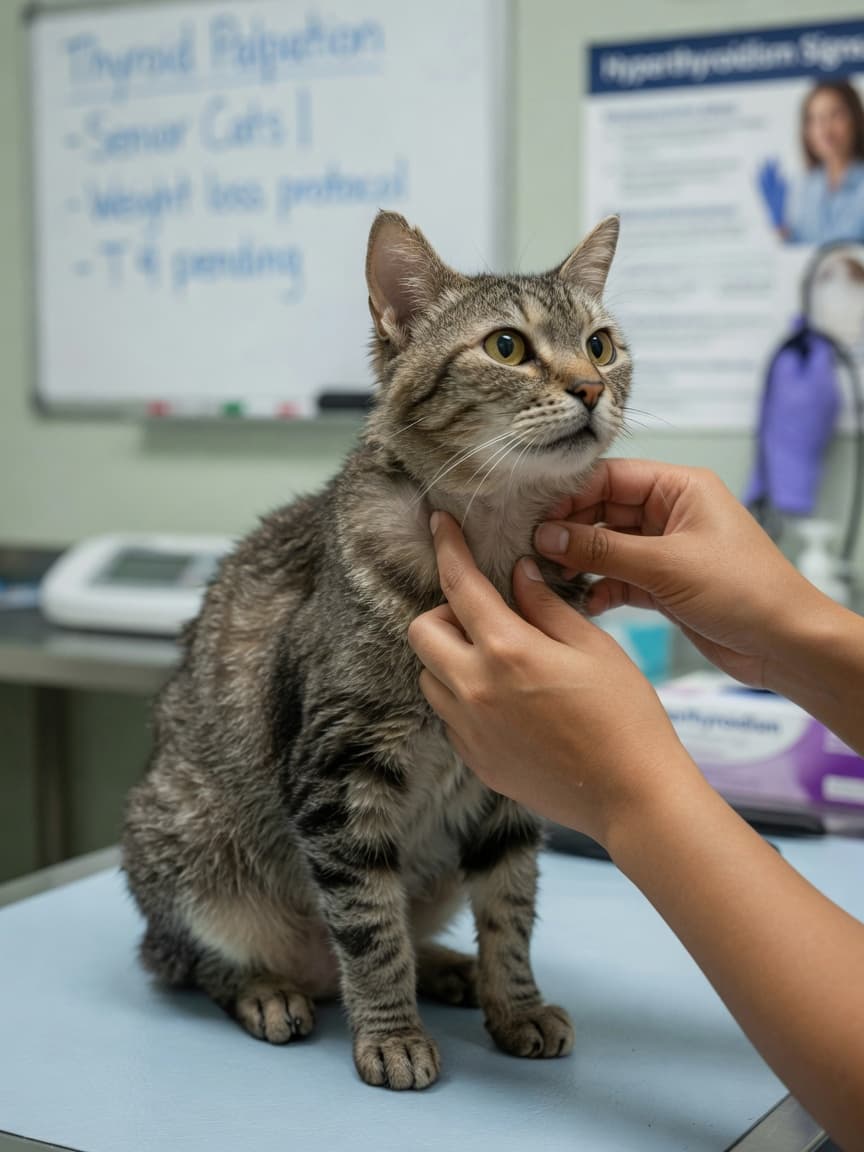
Hyperthyroidism in Senior Cats: The Most Common Hormonal Disease
Hyperthyroidism is the most frequently diagnosed hormonal condition in cats worldwide, and it is almost exclusively a disease of older cats. First described in cats in 1979, it has become increasingly common over subsequent decades — a trend researchers believe reflects both improved detection and genuine increases in prevalence linked to dietary and environmental factors. If you have a cat over the age of 10, understanding this condition is genuinely important.
What Is Feline Hyperthyroidism?
The thyroid gland, located in the neck, produces hormones that regulate metabolism across virtually every organ system. In hyperthyroidism, one or both lobes of the thyroid gland develop a benign abnormal growth called a thyroid adenoma. This causes the gland to overproduce thyroid hormone (primarily T4 and T3), which accelerates the body's metabolic rate beyond normal limits. Approximately 98 per cent of cases are caused by benign adenomas rather than malignant tumours, which means the condition is very treatable when caught.
The average age of diagnosis is 13 years, and the condition affects roughly 10 per cent of cats over 10. Male and female cats are affected at similar rates, and there is no strong breed predisposition, though Siamese and Himalayan cats appear to have a somewhat lower risk than the general cat population.
Why Hyperthyroidism Has Become More Common
Several hypotheses have been proposed for the apparent rise in prevalence. Dietary factors — particularly the prolonged consumption of tinned food, which historically contained high levels of iodine and compounds called polybrominated diphenyl ethers (PBDEs) from packaging materials — have received significant research attention. Environmental exposure to flame retardants and certain cleaning products has also been implicated. No single cause has been definitively established, but the evidence points toward a combination of dietary and environmental influences acting over a lifetime.
Recognising the Signs
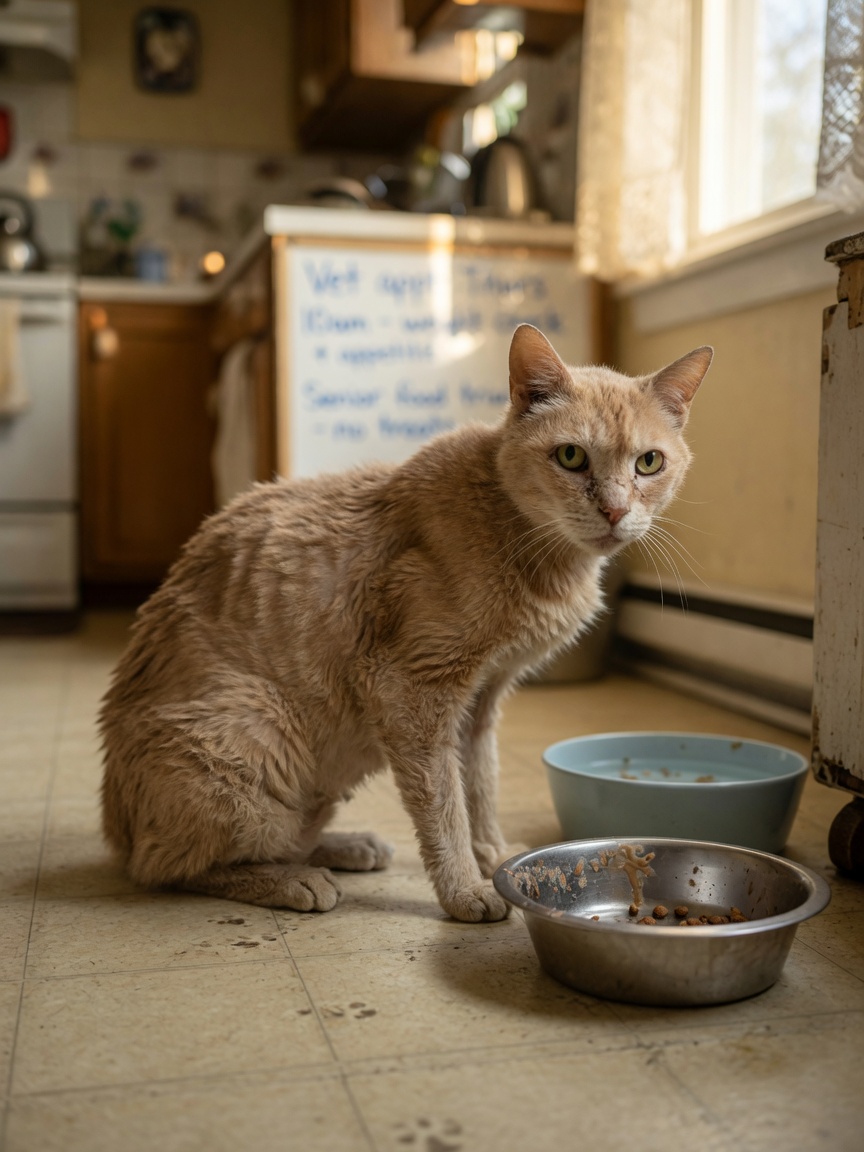
The signs of hyperthyroidism develop gradually and are easy to attribute to normal ageing, which is why the condition is often advanced by the time owners seek veterinary attention.
Common Clinical Signs
- Weight loss despite a normal or increased appetite. This is the hallmark sign. The elevated metabolic rate burns calories faster than they can be replaced.
- Increased thirst and urination.
- Hyperactivity or restlessness, sometimes described by owners as the cat acting "young again," which can be misleading.
- Vomiting and diarrhoea.
- Unkempt coat, often appearing greasy or matted despite the cat still attempting to groom.
- Rapid or irregular heartbeat (palpable during veterinary examination).
- Increased vocalisation, particularly at night.
- Panting or laboured breathing in severe cases.
The Relationship Between Hyperthyroidism and Kidney Disease
One of the most clinically important aspects of feline hyperthyroidism is its masking effect on concurrent kidney disease. Elevated thyroid hormones artificially increase kidney filtration rates (GFR), which can make kidney function appear normal on blood tests. When hyperthyroidism is treated and thyroid levels normalise, kidney disease that was previously hidden may emerge. This is not caused by treatment — it was already present. It does, however, mean that post-treatment monitoring of kidney function is essential, and in some cats with severe concurrent kidney disease, aggressive thyroid treatment may need to be modified.
Diagnosis
Diagnosis is confirmed via blood testing. Total serum T4 (thyroxine) is the standard screening test and is elevated in the vast majority of hyperthyroid cats. In a small percentage of cats with early or mild disease, T4 can fall within the upper normal range despite active disease; in these cases, a free T4 test or repeat testing after a short interval is recommended. A thorough physical examination will also typically reveal an enlarged thyroid gland that can be felt in the neck.
Treatment Options
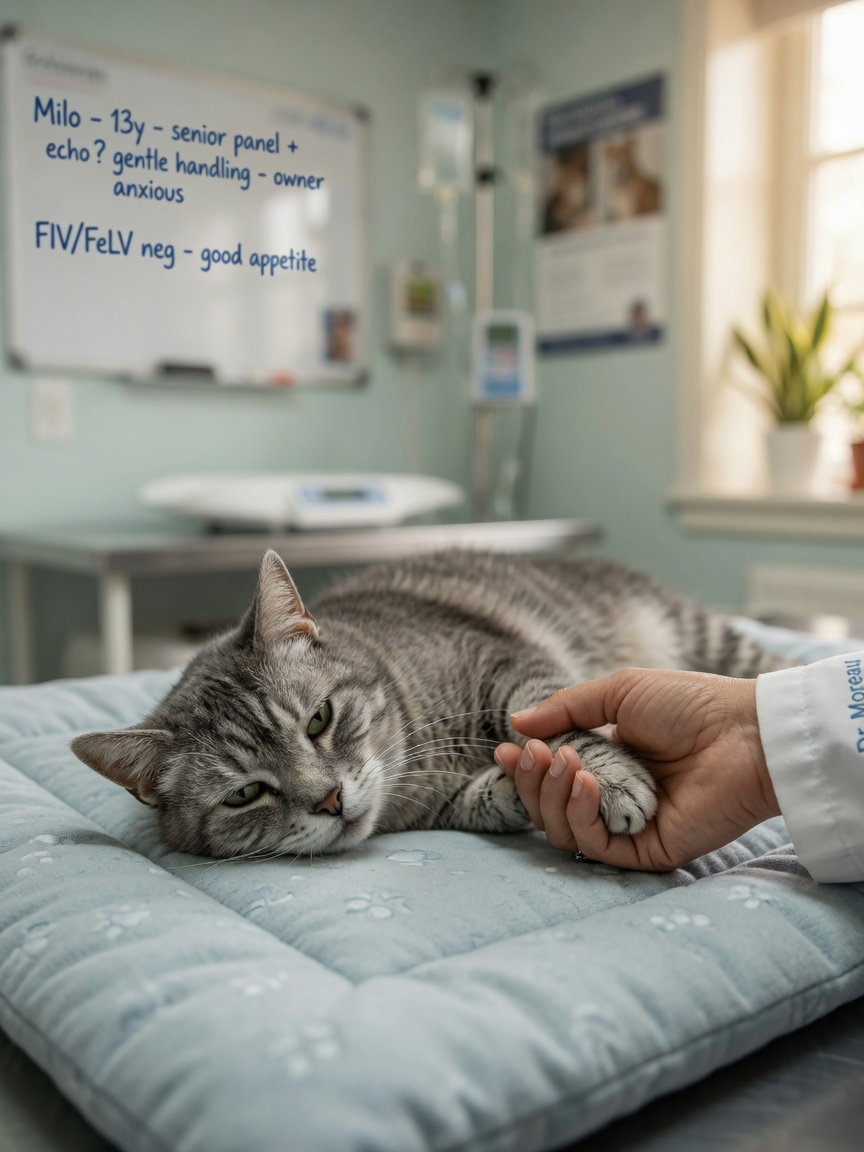
There are four main treatment approaches, each with distinct advantages and considerations.
Medication
Anti-thyroid drugs — primarily methimazole (sold as Felimazole in the UK and EU, or as a topical gel called Vidalta) — block the production of thyroid hormones. They do not cure the disease but control it effectively when administered consistently. They are the most common initial approach due to their low cost and reversibility. Side effects, including facial itching, vomiting, and blood count changes, affect a minority of cats and usually resolve with dose adjustment.
Radioactive Iodine Therapy
This is considered the gold standard treatment. A single injection of radioactive iodine (I-131) selectively destroys the abnormal thyroid tissue while leaving normal tissue intact. It is curative in over 95 per cent of cats with a single treatment, requires no anaesthesia, and has no ongoing medication burden. It does require a period of isolation after treatment (typically one to two weeks) due to radiation protocols. Availability is limited to specialist centres in the UK.
Surgical Thyroidectomy
Surgical removal of the affected thyroid lobe or lobes is effective and potentially curative. It carries anaesthetic risk in older cats and requires careful monitoring of calcium levels post-operatively (the parathyroid glands, which regulate calcium, are adjacent to the thyroid and can be inadvertently disturbed during surgery).
Dietary Management
A prescription diet severely restricted in iodine (Hill's Prescription Diet y/d) can reduce thyroid hormone production when fed exclusively. It is an option for cats who cannot tolerate medication and are not candidates for other treatments, but requires strict feeding protocols — no other food, treats, or hunting — to be effective.
Long-Term Outlook
Cats diagnosed with hyperthyroidism and managed appropriately can live comfortably for years after diagnosis. The condition is one of the most treatable chronic diseases in feline medicine. The most important step is not delaying investigation when a senior cat loses weight — early diagnosis means more options and a better long-term outcome.