
Why Hydrotherapy Has Become a Go-To Treatment for Arthritic Dogs
If your dog has been diagnosed with arthritis, your vet may have mentioned hydrotherapy as part of the treatment plan. For many owners, the idea of their dog swimming in a clinical pool raises more questions than it answers. What actually happens during a session? Is it safe? Will my dog enjoy it? These are entirely reasonable things to wonder, and having clear expectations before you walk through the door makes the experience far less daunting for both of you.
Hydrotherapy uses the physical properties of water — buoyancy, resistance, and warmth — to support movement in dogs whose joints can no longer tolerate the full weight of exercise on land. For arthritic dogs in particular, it offers a way to maintain muscle mass and range of motion without placing excessive stress on inflamed cartilage and bone.
The Science Behind Water-Based Rehabilitation
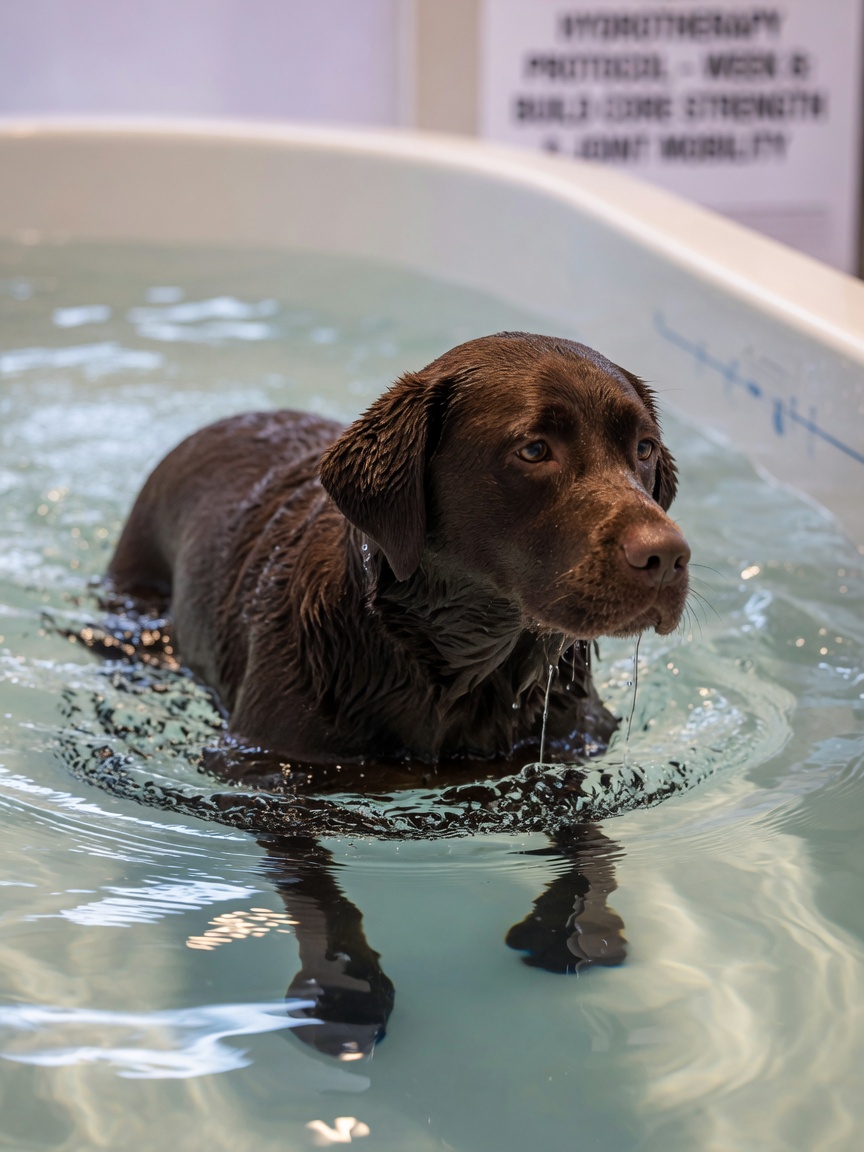
Water reduces the effective weight a dog bears on its joints through buoyancy. When a dog is submerged to shoulder height, it bears only around 38% of its body weight. This means muscles can be worked and joints mobilised without triggering the pain response that often accompanies land-based exercise in arthritic animals.
Warm water, typically maintained between 28 and 32 degrees Celsius in a hydrotherapy facility, encourages vasodilation. Blood flow to the muscles and soft tissues increases, which helps ease stiffness and reduce the time it takes for the dog to warm up and move more freely. The resistance water provides also means muscles work harder than they would during a gentle walk, building the supportive strength around compromised joints without impact.
What Happens Before the Session Begins
A reputable hydrotherapy centre will carry out an initial assessment before your dog ever enters the water. This usually involves reviewing your vet's referral notes, checking the dog's current medication, and doing a brief physical assessment on dry land. The therapist will observe your dog's gait, check range of motion in affected joints, and note any areas of pain or sensitivity.
You will be asked about your dog's fitness history, any previous injuries, and how the condition is currently affecting daily life. This information shapes the session plan. Hydrotherapy is not a one-size-fits-all treatment, and the programme for a nine-year-old Labrador with hip and elbow arthritis will look very different from the one designed for a younger dog with early-stage joint degeneration.
Some centres also require a vet referral before they will accept a new patient. This is good practice, not an unnecessary hurdle, because certain conditions can make hydrotherapy unsafe. Open wounds, skin infections, uncontrolled epilepsy, and some cardiac conditions are among the contraindications that qualified therapists will screen for.
The Two Main Types of Hydrotherapy
Most hydrotherapy centres offer one or both of the following approaches:
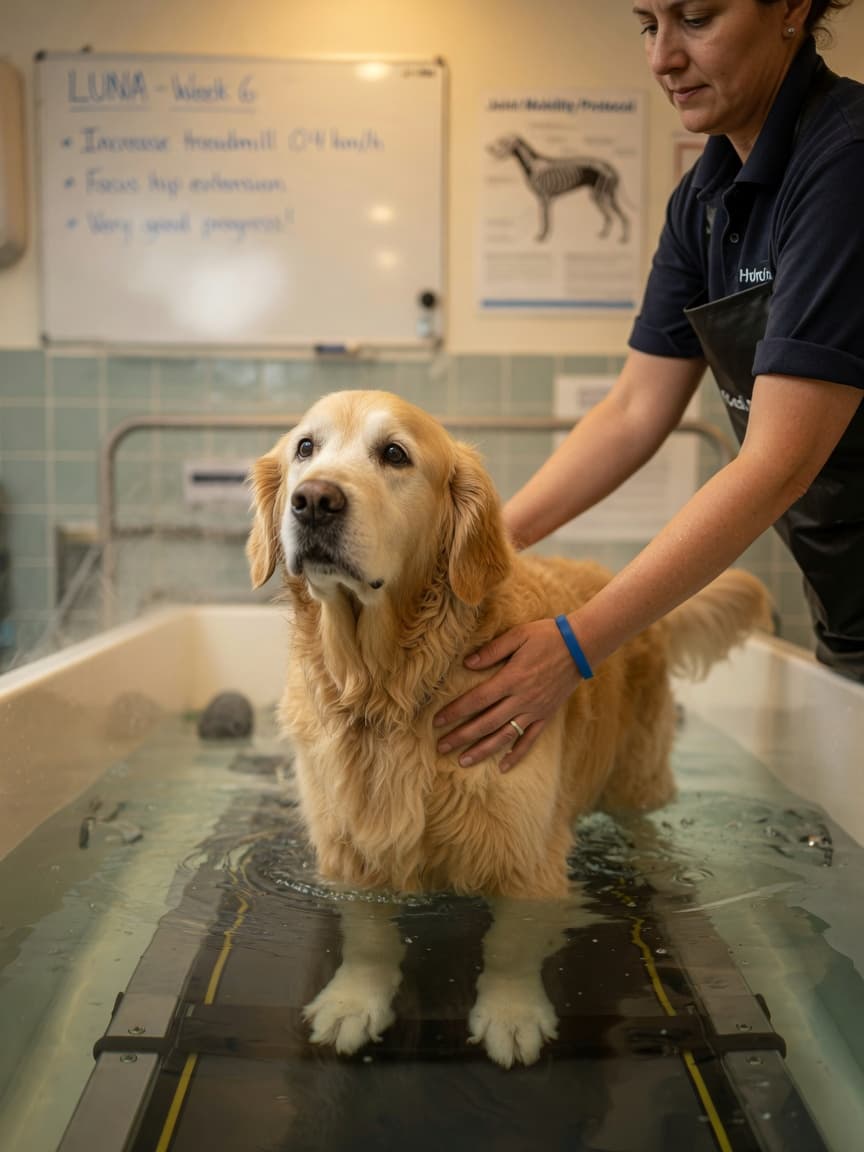
- Underwater treadmill: The dog walks on a treadmill inside a tank that fills with warm water to a controlled depth. This is particularly useful for dogs who need to maintain a walking pattern and build specific muscle groups. The therapist can adjust the water level, speed, and incline to target different areas.
- Swimming pool: The dog swims in a purpose-built pool, often guided by a therapist in the water. This is a full-body workout and particularly good for cardiovascular fitness, though it requires the dog to be comfortable in water and have sufficient upper body strength to keep its head above the surface.
For arthritic dogs, the underwater treadmill is often the preferred starting point because it mimics natural movement, is easier to control, and is less physically demanding than swimming. Many dogs eventually progress to pool sessions as their fitness improves.
What Your Dog Will Actually Experience
On arrival, most dogs are walked around the facility to acclimatise. Anxious dogs are given time to explore the space and meet the therapist before any equipment is introduced. Good hydrotherapy centres understand that a dog that is stressed will not benefit from the session, and experienced therapists are skilled at building trust quickly.
For a treadmill session, the dog is guided into the tank, which then fills slowly with warm water while the therapist monitors its response. The treadmill begins at a slow pace and the therapist watches closely for signs of fatigue, pain, or distress. Sessions typically last between 10 and 20 minutes for a first visit, which may sound brief but is genuinely tiring for a dog that has been inactive due to pain.
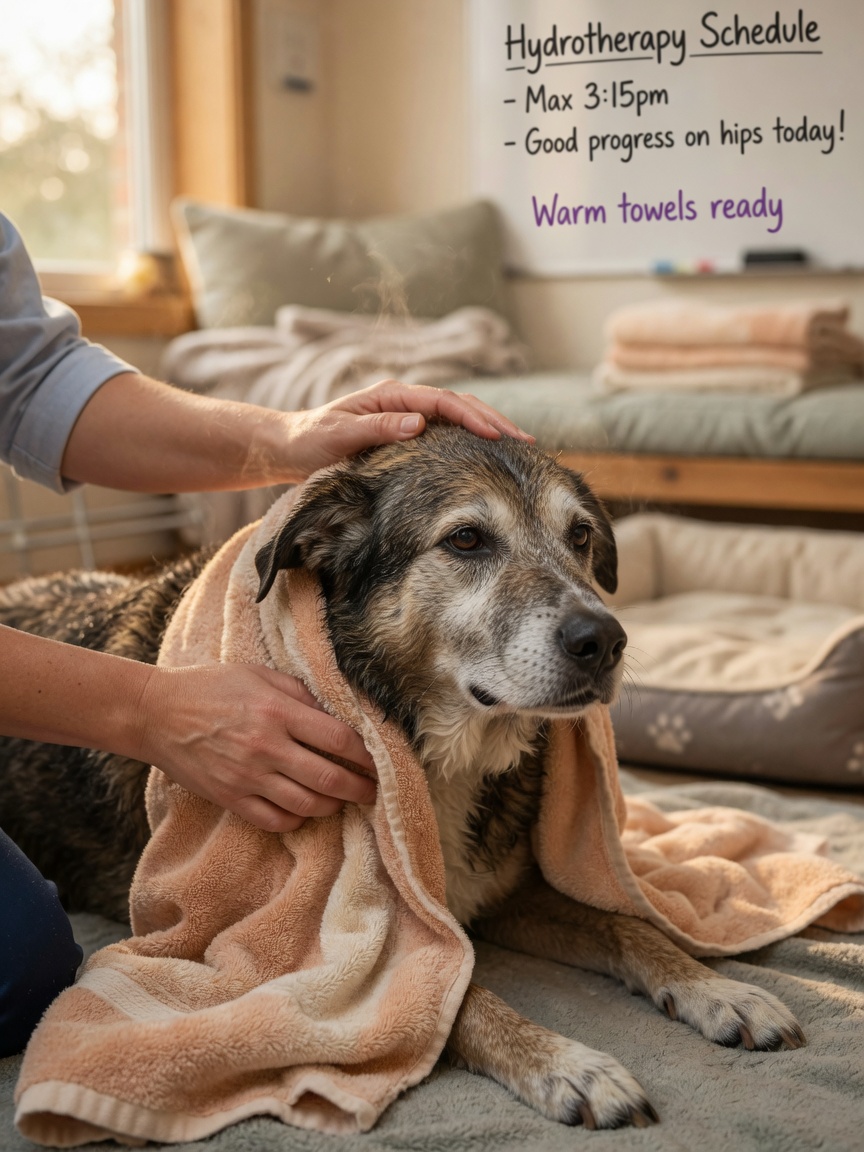
Most dogs are towelled dry afterwards and some facilities offer a warm rest area. You should expect your dog to be tired and possibly sleep more than usual for the rest of the day. This is normal and expected.
How Many Sessions Does a Dog Need
For arthritis management, hydrotherapy is rarely a short-term intervention. Initial treatment courses of six to eight sessions are common, with frequency depending on the severity of the condition and the dog's response. Many dogs with chronic arthritis continue with maintenance sessions every two to four weeks indefinitely, as the benefits are cumulative and the condition is progressive.
Progress is assessed regularly by the therapist and should be communicated back to your vet. Hydrotherapy works best as part of a broader management plan that includes appropriate pain medication, weight management, and home exercise guidance. It is a complement to veterinary care, not a replacement for it.
Finding a Qualified Practitioner
In the UK, look for therapists registered with the Canine Hydrotherapy Association or the International Association of Animal Therapists, both of which require members to meet educational and professional standards. Ask about the qualifications of the staff, the maintenance protocols for pool water, and whether they work alongside veterinary professionals. The facility should feel clean, calm, and staffed by people who are clearly at ease handling dogs in all states of health and temperament.
A good hydrotherapy experience can meaningfully change the quality of life for an arthritic dog. Going in with clear expectations makes it easier to assess whether it is working and to stay committed to the process over time.