
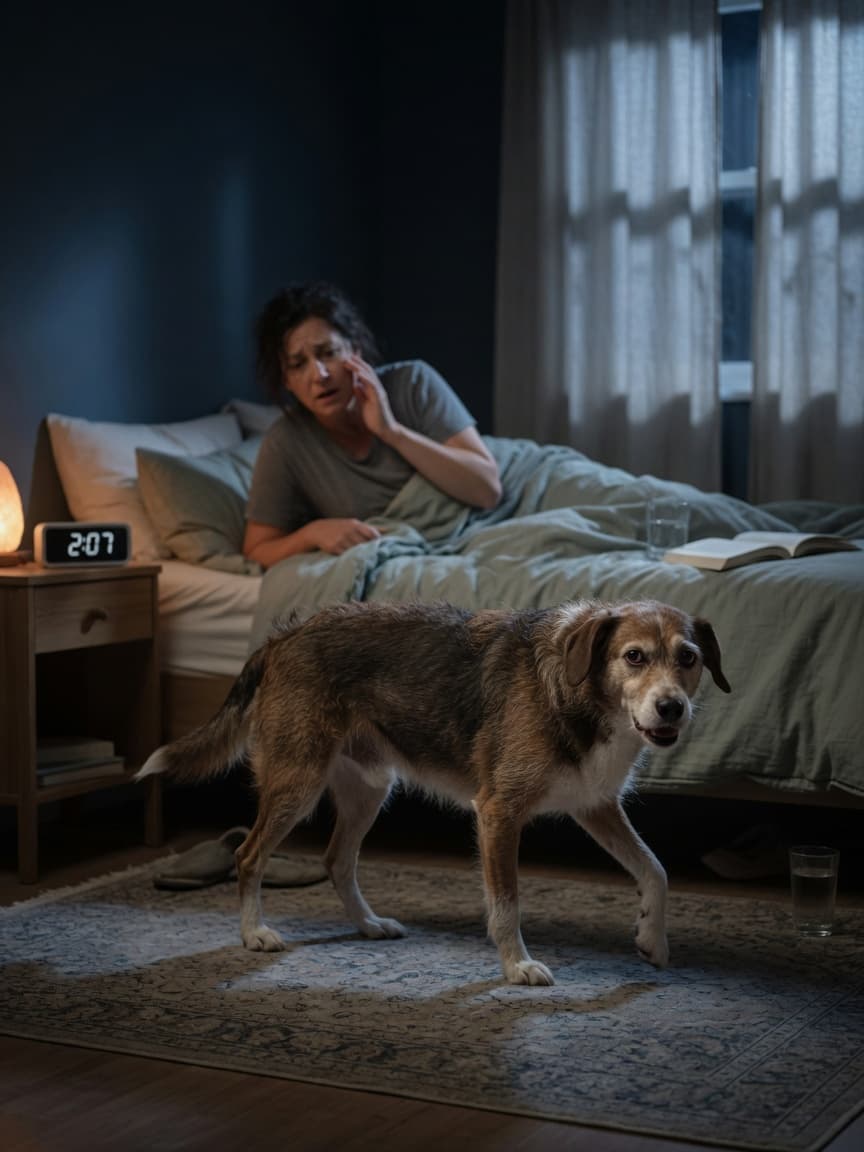
Just like humans, dogs need quality sleep to maintain optimal health, immunity, and emotional wellbeing. Yet many pet owners are surprised to discover that their dogs can suffer from insomnia and sleep disturbances. If you've noticed your dog pacing at night, whining restlessly, or struggling to settle down, you're not alone. Canine insomnia is more common than we might think, and the good news is that with the right approach, most sleep problems can be resolved. This guide will help you understand the causes of dog insomnia and provide evidence-based strategies to help your furry friend enjoy restorative sleep once again.
Understanding the Causes of Canine Insomnia
Before treating the problem, it's essential to identify what's causing your dog's sleep disturbances. Insomnia in dogs rarely develops without an underlying reason. Common causes include:
- Pain and discomfort: Arthritis, hip dysplasia, injuries, or age-related conditions frequently disrupt sleep
- Medical conditions: Cushing's syndrome, thyroid disease, urinary incontinence, and digestive issues can cause restlessness
- Anxiety and stress: Separation anxiety, noise phobias, or environmental changes trigger hypervigilance
- Cognitive decline: Senior dogs may experience canine cognitive dysfunction, affecting sleep-wake cycles
- Inappropriate sleep environment: Excessive noise, uncomfortable bedding, or temperature fluctuations
- Lack of exercise: Insufficient daily activity leaves dogs with pent-up energy at bedtime
Your first step should be consulting your veterinarian to rule out underlying medical conditions, especially if the insomnia is sudden or persistent.
Creating an Optimal Sleep Environment
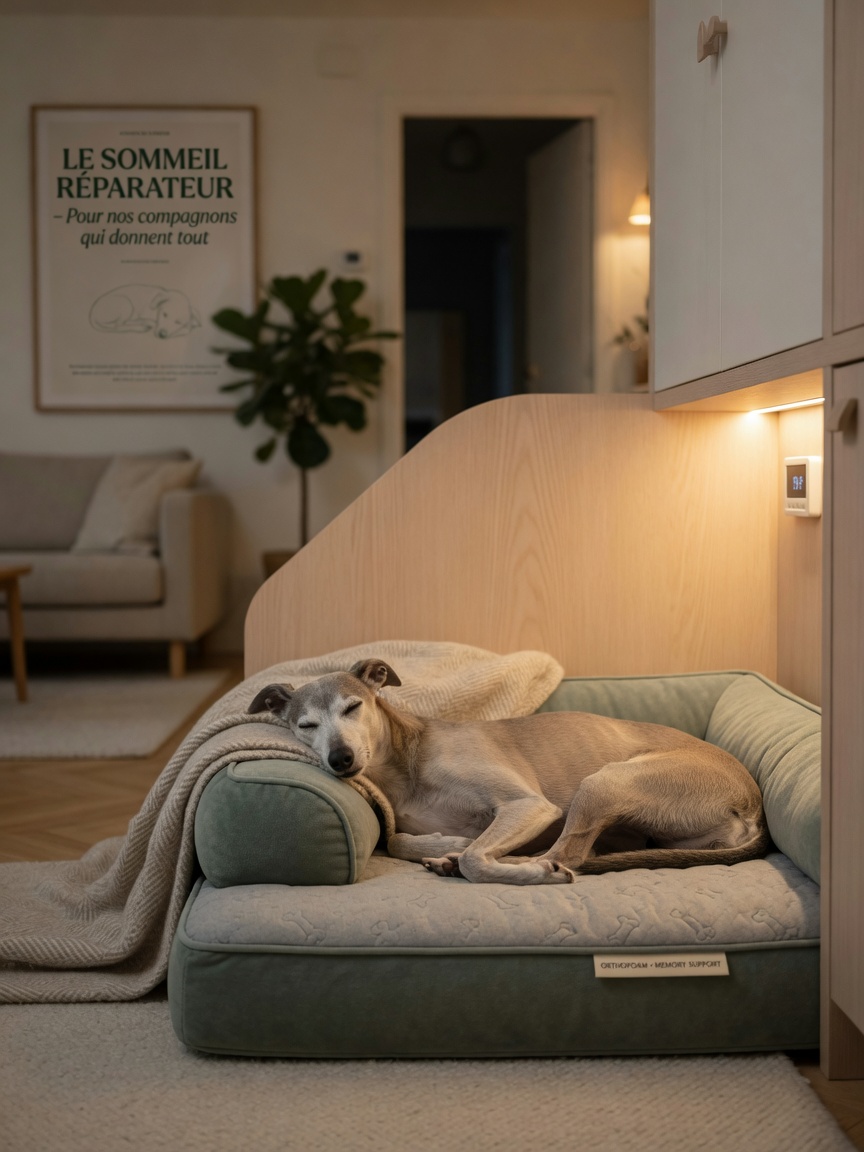
Your dog's sleeping space significantly impacts their ability to rest. Invest in a comfortable, supportive bed positioned away from high-traffic areas. The ideal dog sleep environment should be:
- Quiet and away from household activity
- Temperature-controlled, ideally between 15-19°C
- Dimly lit or dark during sleeping hours
- Separate from distracting stimuli like televisions or busy streets
Many dogs sleep better with a white noise machine, which masks disruptive household sounds and creates a consistent auditory environment.
Establishing a Consistent Bedtime Routine
Dogs thrive on routine. Establishing a predictable pre-sleep ritual signals to your dog that it's time to wind down. An effective routine might include:
- A final outdoor toilet break 30 minutes before sleep
- A calming activity such as gentle stroking or massage
- Moving to the designated sleeping area
- Consistent bedtime at the same time each evening
Aim for at least two hours between vigorous exercise and bedtime, though a short, gentle evening walk can aid relaxation.
Exercise and Mental Stimulation
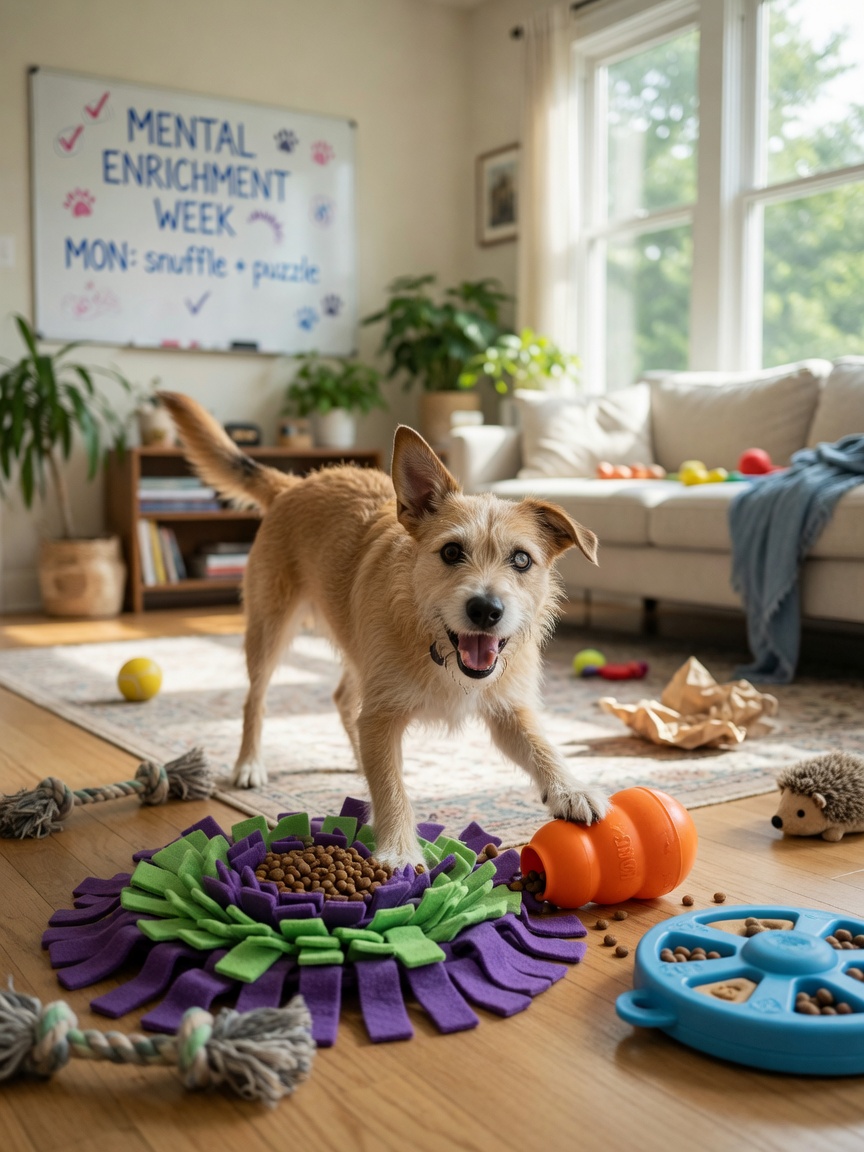
A well-exercised dog sleeps better. However, the type and timing of exercise matter significantly. Dogs require both physical exercise and mental enrichment throughout the day. Provide puzzle toys, training sessions, and varied walking routes to stimulate their minds. Most adult dogs benefit from 30-120 minutes of daily exercise, depending on breed and age, though this should be completed several hours before bedtime.
Dietary and Lifestyle Adjustments
What your dog eats and when can influence sleep quality. Avoid feeding large meals close to bedtime, and ensure your dog has fresh water throughout the day but limit intake in the evening to reduce nighttime toilet breaks. Some dogs benefit from calming treats containing L-theanine or chamomile, though these should only be introduced after veterinary consultation.
When to Consider Professional Help
If insomnia persists despite environmental and routine improvements, your veterinarian might recommend:
- Pain management medication for arthritis or chronic conditions
- Anxiety-reducing supplements or medications
- Referral to a veterinary behaviourist
- Thyroid testing or other diagnostic investigations
Key Takeaways
Treating canine insomnia requires a holistic approach combining environmental optimisation, consistent routines, appropriate exercise, and professional veterinary guidance. Start by creating a calm sleep space and establishing predictable bedtime rituals, then consult your vet to address any underlying health concerns. With patience and the right interventions, most dogs can return to enjoying deep, restorative sleep that supports their long-term health and happiness.