

Summer Sun Hides Serious Risks for Pets
On a sunny July day in the UK, tarmac pavement can reach 65°C — hot enough to cook an egg, and more than sufficient to cause serious burns on a dog's paw pads within 60 seconds of contact. Summer presents pet owners with a cluster of hazards that are easy to underestimate, from scorching surfaces and toxic algae blooms to Britain's only venomous snake. Being informed before you head out can make all the difference.
Heatstroke: The Summer Emergency That Kills
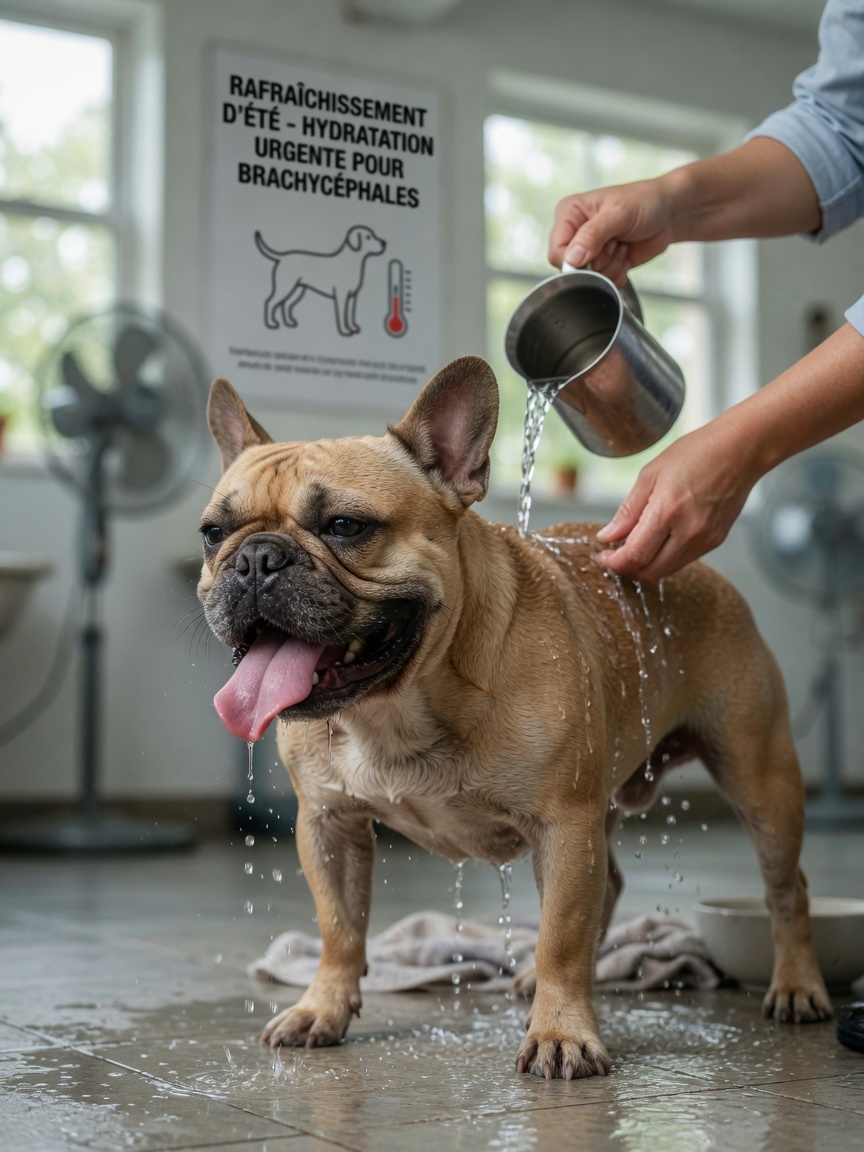
Dogs regulate body temperature through panting, which is far less efficient than sweating. This makes them dangerously susceptible to heatstroke, which can develop in minutes and cause irreversible organ damage or death if not treated immediately.
Risk Factors
Flat-faced breeds such as French Bulldogs, Pugs, and Persian cats are at greatest risk because their anatomy restricts airflow. Older pets, overweight animals, and those with heart or respiratory conditions are also significantly more vulnerable. However, any pet left in a car, exercised vigorously in warm weather, or kept in a poorly ventilated space can develop heatstroke rapidly.
Signs and Response
Watch for heavy panting, drooling, glazed eyes, vomiting, stumbling, or collapse. Move the animal to a cool, shaded area immediately, apply cool (not ice cold) water to the coat and paws, and contact a vet without delay. Do not use ice or very cold water, as this can cause blood vessels to constrict and trap heat inside the body.
Paw Burn from Hot Surfaces
The five-second rule is a reliable guide: place the back of your hand on the pavement. If you cannot hold it there comfortably for five seconds, it is too hot for your dog's paws. Tarmac and artificial grass surfaces retain heat far longer than natural grass, and paw pad burns can be slow to show symptoms.
Adjust walk times to early morning or evening when surfaces have cooled. After walks on any potentially warm surface, check paw pads for redness, blistering, or missing skin. If your dog is reluctant to walk, licking their paws excessively, or limping, paw burn may already have occurred — keep the area clean and consult your vet.
Blue-Green Algae: A Hidden Water Danger
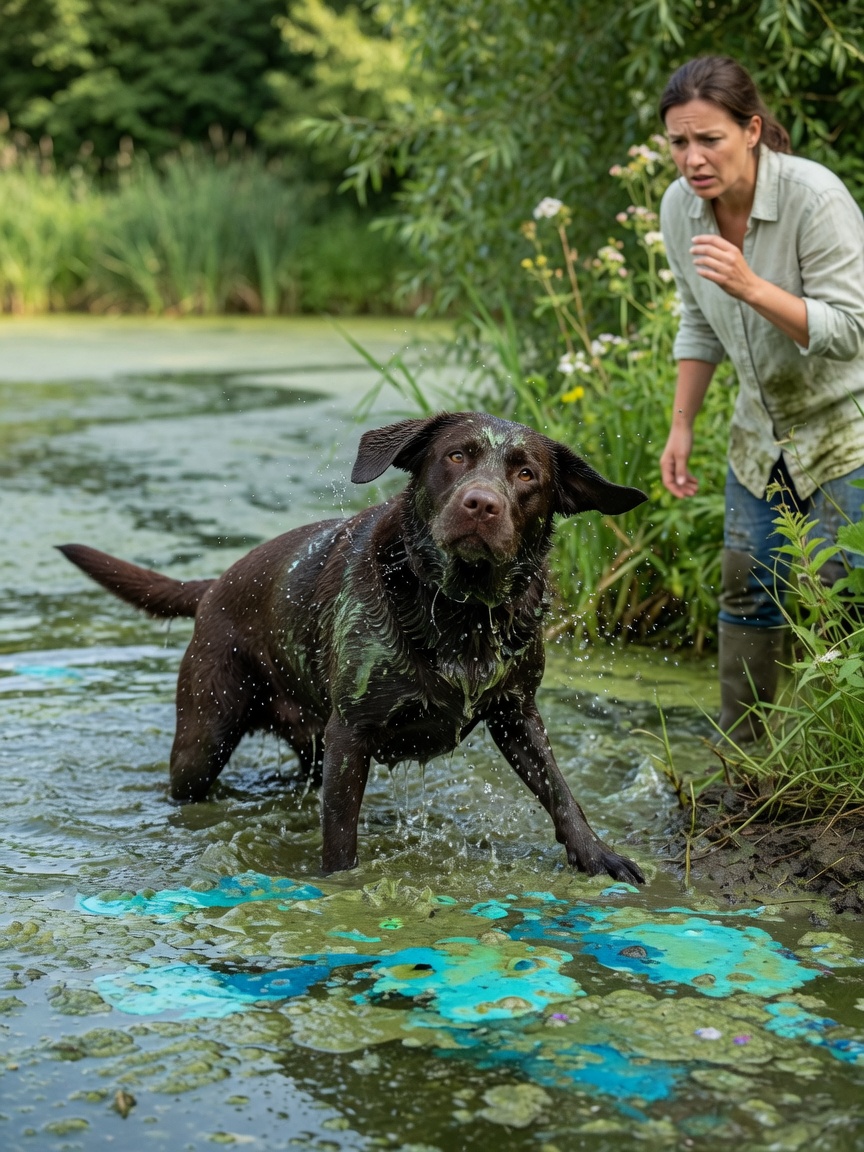
Blue-green algae — technically cyanobacteria — bloom in warm, still, or slow-moving water bodies during summer. They can appear as a blue-green scum, foam, or paint-like covering on the water surface, though they are not always visible. Some strains produce toxins that can cause liver failure, neurological damage, and death in dogs within hours of exposure.
There is no antidote. If your dog swims in or drinks from affected water, rinse them immediately and go straight to a vet. Most local authorities and water companies monitor known water bodies and post warning signs, but conditions can change rapidly. Before letting your dog swim, check for signage and look for the characteristic scum or discolouration.
Adder Bites
The adder is the UK's only native venomous snake and is most active between March and October, with peak activity in summer. Adders are shy and will generally retreat from larger animals, but dogs that explore undergrowth, root under logs, or disturb basking snakes are at genuine risk of being bitten, usually on the muzzle or legs.
Symptoms include rapid swelling around the bite site, lameness, pale gums, vomiting, and lethargy. Keep your dog as still as possible to slow venom spread and carry them rather than allowing them to walk if you suspect a bite. Treatment with antivenom is available but requires prompt veterinary attention. Most dogs survive adder bites with appropriate treatment; delays significantly worsen outcomes.
Water Safety and Other Warm-Weather Hazards
Open Water Drowning Risk
Not all dogs are natural swimmers, and strong currents, steep banks, and weeds can quickly turn a fun dip into an emergency. Supervise water play at all times, and consider a canine life jacket for weaker swimmers or rough conditions.
Barbecue and Picnic Hazards
Summer gatherings bring food risks: cooked bones splinter dangerously, corn cobs cause intestinal blockages, onions and grapes are toxic to dogs and cats, and discarded barbecue skewers can cause internal injury. Brief any guests about what pets should not eat and secure bin bags promptly.
Summer Safety: Key Actions
- Walk dogs in early morning or after 7pm to avoid hot pavements and peak heat
- Never leave a pet in a parked car, even briefly, even with windows open
- Check local water body advisories before swimming and avoid visible algae
- Stay on paths in areas known for adders; keep dogs on a lead in dense undergrowth
- Provide constant access to fresh, cool water indoors and outdoors
- Check paw pads after every walk on warm surfaces
- Speak to your vet about appropriate sun protection for pale-skinned or thin-coated pets
When in doubt about any summer health concern — from a suspected adder bite to signs of overheating — contact your vet immediately. Heat and toxin emergencies are time-critical, and acting quickly is always the right decision.