
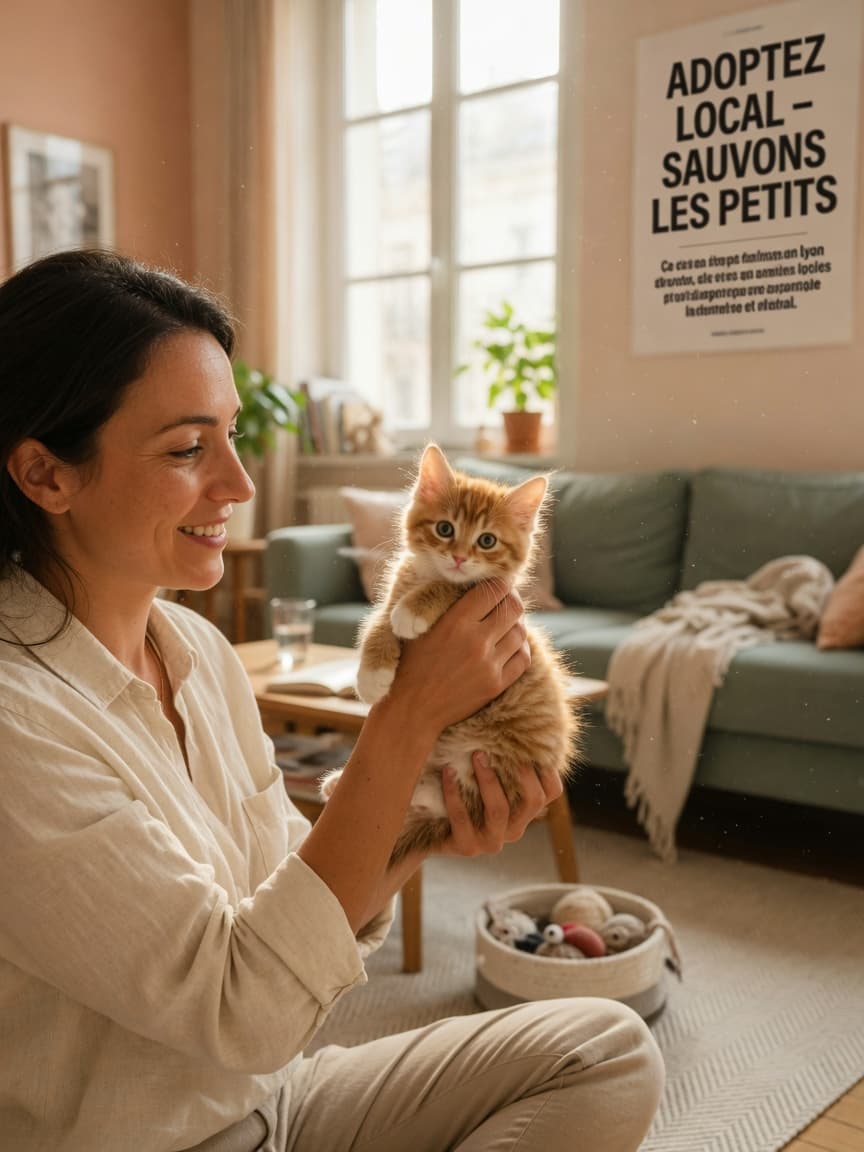
Finding the right homes for kittens is one of the most rewarding responsibilities a cat breeder or rescue volunteer can undertake. Whether you're helping mother cats in your neighbourhood or managing a litter from your own pet, placing kittens into loving, suitable homes requires careful thought and planning. This guide will walk you through the process of identifying responsible adopters and ensuring each kitten's future wellbeing.
Assess the Kittens' Health and Readiness
Before considering adoption, ensure your kittens are healthy and ready to leave their mother. Kittens should be at least 8 weeks old and ideally 12-16 weeks before separation. Schedule a veterinary check-up to confirm they're free from infectious diseases, parasites, and congenital issues. Have them microchipped and vaccinated according to your vet's recommendations. Healthy, well-socialised kittens are far more likely to settle into new homes successfully.
Screen Potential Adopters Thoroughly
The adoption process should include a proper screening to identify genuinely committed, capable homes. Consider creating an adoption application form that covers:
- Living situation (house type, garden access, number of occupants)
- Experience with cats and other pets
- Work schedule and time available for kitten care
- Veterinary care plans and budget for healthcare
- Understanding of indoor versus outdoor cat management
- References from previous pet ownership
Don't hesitate to ask follow-up questions or request references. A genuine adopter will appreciate your diligence—it demonstrates that you care about the kittens' welfare.
Use Multiple Adoption Channels
Expand your reach through various platforms and networks:
- Local rescue organisations: Partner with established charities that have robust adoption procedures and follow-up systems
- Word of mouth: Tell friends, family, and colleagues; personal recommendations often lead to the most suitable homes
- Social media: Post clear photos and descriptions on Facebook or local community groups, but always verify adopters carefully
- Veterinary surgeries: Ask your vet if they maintain an adoption noticeboard or can recommend clients
- Pet adoption websites: Platforms specifically designed for rehoming reach committed pet seekers
Meet Potential Adopters in Person

Arrange face-to-face meetings whenever possible. This allows you to observe how potential adopters interact with the kittens and assess their genuine interest. Watch for signs of care and gentleness. Ask them to describe their daily routine and how they envision caring for the kitten. Trust your instincts—if something feels off, it's perfectly acceptable to decline an adoption.
Prepare Adopters for Success
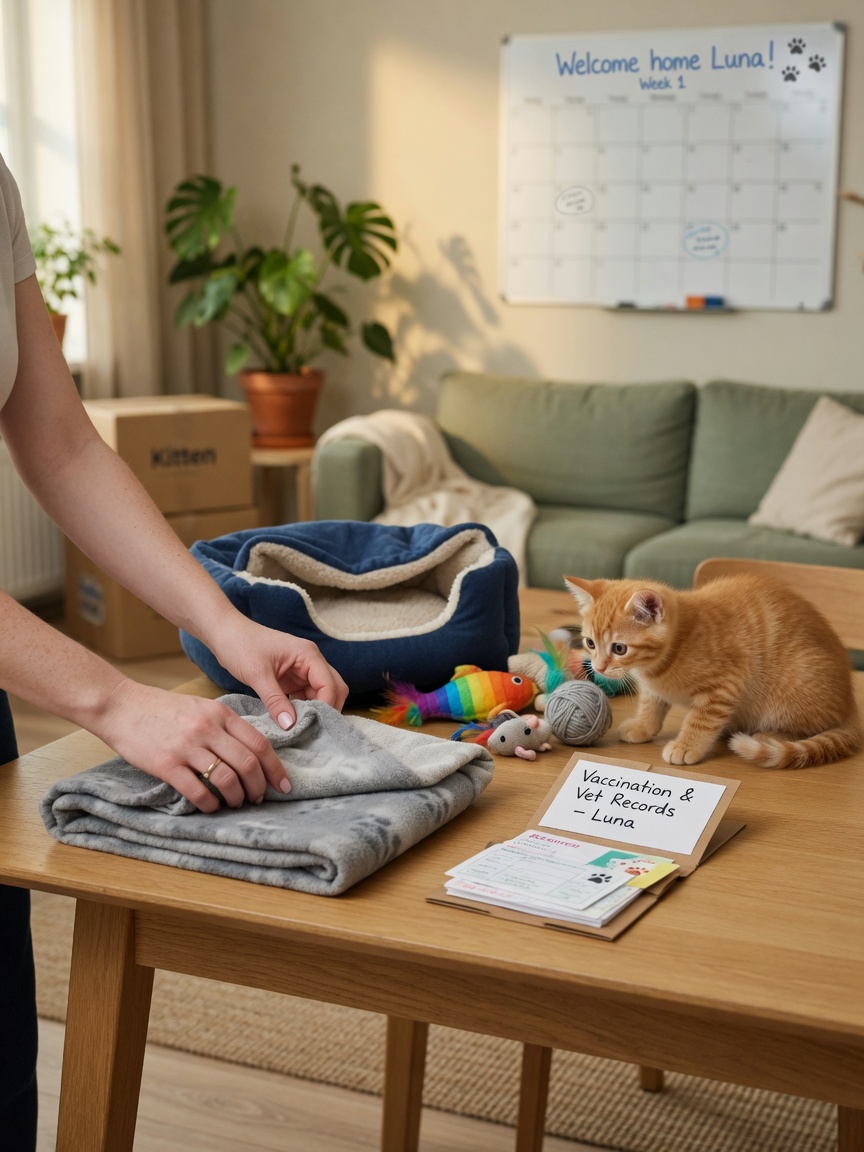
Once you've selected a home, provide the new owners with essential information:
- Dietary details and feeding schedule
- Vaccination and microchip records
- Behavioural notes and personality traits
- Introductory tips for settling into a new environment
- Your contact details for questions during the adjustment period
Consider providing a starter pack with familiar bedding or toys that smell like the kitten's previous home, which can ease the transition.
Follow Up After Adoption
Stay in touch with adopters after placement. A brief check-in at one week, one month, and three months helps identify any problems early. This follow-up also demonstrates your commitment and allows you to offer guidance if the kitten is struggling to settle. Some adoption agreements include a clause allowing you to reclaim the kitten if circumstances change—this safety net gives everyone peace of mind.
Key Takeaways
Finding excellent homes for kittens requires patience, careful screening, and genuine investment in their futures. By thoroughly assessing adopters, using multiple channels, meeting people in person, and providing ongoing support, you'll significantly increase the chances of successful, lasting placements. Remember, the time you invest now in finding the right homes creates years of happiness for both kittens and their new families.